Ashen Tan 996 Paint is the kind of neutral that quietly walks into a room, straightens the pillows, softens the lighting, and somehow makes the whole place look more expensive. It is not a loud beige, not a cold gray, and definitely not one of those “builder tan” colors that makes a hallway feel like a waiting room with better baseboards. Benjamin Moore’s Ashen Tan 996 sits in that useful middle ground: warm enough to feel welcoming, muted enough to look sophisticated, and flexible enough to work with wood, white trim, stone, linen, leather, black accents, and the occasional houseplant that is bravely trying to survive.
Officially, Ashen Tan 996 is a Benjamin Moore neutral from the Classics Color Collection. It has a Light Reflectance Value of about 50.72, which places it in the medium-light range. In everyday homeowner language, that means it reflects a fair amount of light but still has enough body to show up as a real wall color. It will not disappear like an off-white, and it will not dominate the room like a deeper taupe. Think of it as a soft tan with a gentle blush-taupe personality: calm, grounded, and just colorful enough to keep your walls from looking like unbuttered toast.
What Makes Ashen Tan 996 Paint Special?
The charm of Ashen Tan 996 Paint is its balance. Many neutral paints lean too yellow, too gray, too pink, or too muddy once they are painted across a full room. Ashen Tan is subtle, but it has enough complexity to avoid looking flat. It can read as a muted beige in warm light, a soft greige in balanced daylight, and a rosy taupe in certain shaded areas. That slight shift is exactly why designers and homeowners often love layered neutrals: they change throughout the day without turning into a completely different color by dinner.
The color is especially appealing for people who want warmth without going golden. Traditional tans can sometimes look dated beside modern furniture, black hardware, marble, or cool-toned flooring. Ashen Tan 996 handles those combinations better because of its muted undertone. It feels softer than a typical beige and warmer than many grays, making it a strong candidate for transitional, modern farmhouse, cottage, traditional, organic modern, and calm contemporary interiors.
Ashen Tan 996 Undertones: Beige, Taupe, Gray, and a Tiny Blush
Paint undertones are where things get interestingand sometimes where homeowners start questioning every life decision they made at the paint counter. Ashen Tan 996 has a tan base, but it is not a basic tan. It carries gray and taupe influence, with a faint blush quality that can appear in certain lighting. This does not mean your walls will look pink. It means the color has a softened warmth that keeps it from feeling sterile.
In a room with warm bulbs, honey oak, natural jute rugs, or cream upholstery, Ashen Tan may lean cozier and more beige. In a room with cooler daylight, gray flooring, brushed nickel, or white stone, it can look more taupe-gray. In shadowy corners, the blush note may become more visible, especially if paired with red-toned woods or warm terracotta decor. That is not a flaw; that is the personality of the paint. The trick is to test it beside the fixed finishes in your home before committing to five gallons and a Saturday you will never get back.
Understanding the LRV of Ashen Tan 996
LRV, or Light Reflectance Value, measures how much light a paint color reflects. The scale runs from 0 to 100, with 0 being black and 100 being pure white. Ashen Tan 996 has an LRV of approximately 50.72, which means it lands around the middle of the scale. It is not dark, but it is not extremely light either.
This makes Ashen Tan a practical wall color for many rooms. It has enough depth to add coziness to a living room, bedroom, dining room, or entryway. At the same time, it is light enough to keep spaces from feeling heavy, especially when paired with crisp trim, layered lighting, and reflective surfaces like mirrors, glass, or polished hardware. In a very small or poorly lit room, however, it may feel slightly more muted than expected. If your room has limited natural light, use warm artificial lighting and consider lighter trim to keep the space open.
Best Rooms for Ashen Tan 996 Paint
Living Rooms
Ashen Tan 996 Paint works beautifully in living rooms because it creates a relaxed background without competing with furniture. It pairs well with ivory sofas, caramel leather chairs, walnut coffee tables, black metal lamps, woven baskets, and natural fiber rugs. If your living room has a mix of old and new pieces, Ashen Tan can act as the diplomatic friend who gets everyone at the party talking.
Bedrooms
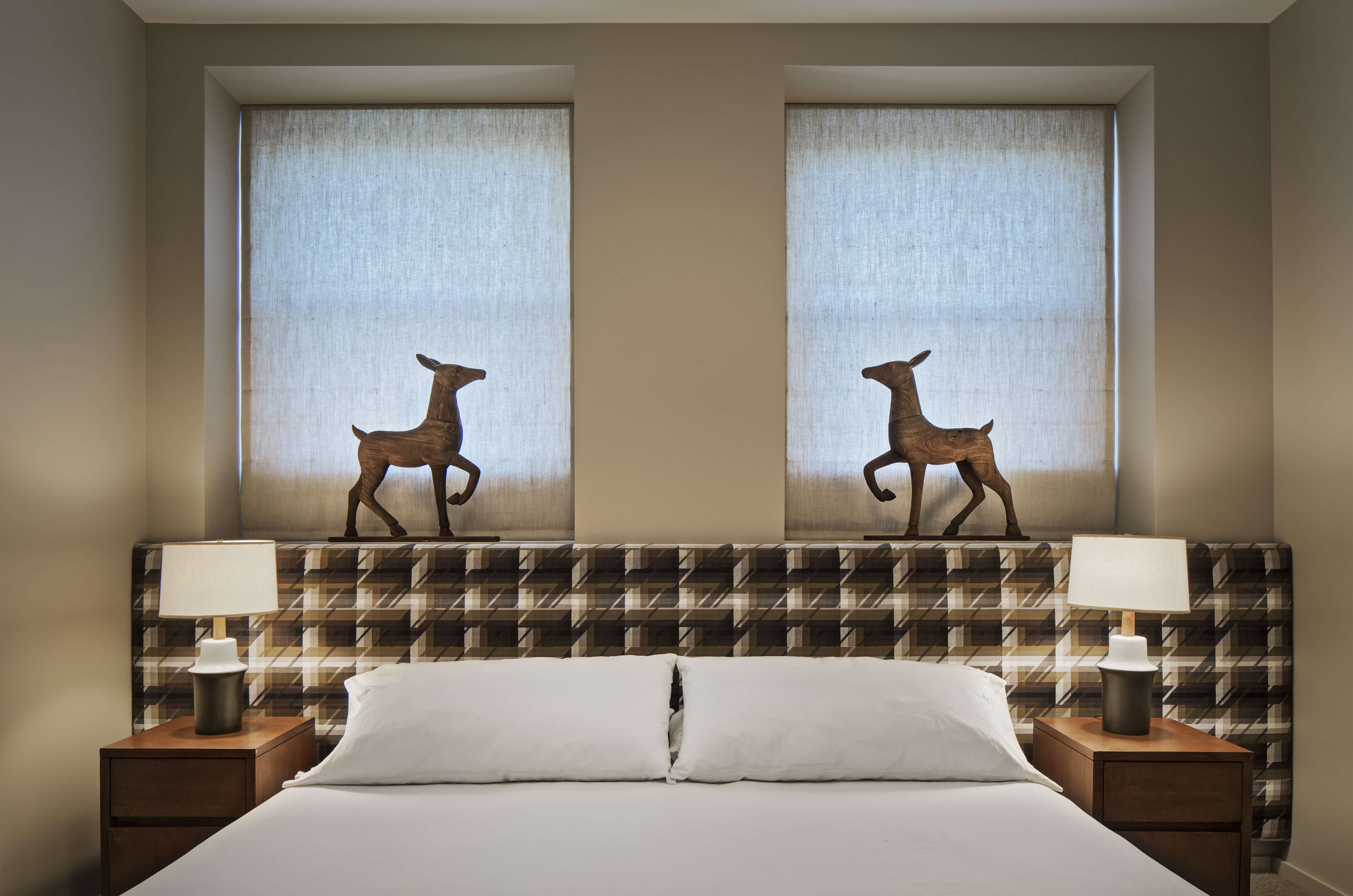
In bedrooms, Ashen Tan offers quiet warmth. It is soft enough to feel restful but more grounded than a pale cream. Pair it with white bedding, oatmeal linen curtains, muted green accents, or dusty blue throws for a calm retreat. For a more romantic look, combine it with antique brass, aged wood, and soft rose or clay-toned textiles.
Dining Rooms
Ashen Tan can make a dining room feel polished without becoming formal in a stiff, “please do not touch the napkins” way. It looks especially good with wood dining tables, classic wainscoting, off-white trim, and warm metallic lighting. Add navy, charcoal, olive, or deep brown accents if you want more contrast.
Hallways and Entryways
Because Ashen Tan 996 has a medium-light LRV, it can help hallways feel finished and welcoming. It is deeper than a white, so it gives architectural details more presence. In an entryway, it pairs nicely with black hooks, warm wood benches, woven storage, and a durable runner rug that hides real life with dignity.
Cabinets, Doors, and Trim
Although many homeowners first think of Ashen Tan as a wall color, it can also work on cabinets, interior doors, built-ins, and trim. On cabinetry, it creates a soft taupe-beige look that feels warmer than gray and more current than yellow beige. For this application, finish selection matters. A satin, pearl, or semi-gloss finish will usually offer better durability and cleanability than a flat wall finish.
How Lighting Changes Ashen Tan 996
Lighting is the boss of paint color. You may choose the paint, buy the paint, and lovingly roll the paint, but the light in your room gets the final vote. Ashen Tan 996 is no exception.
North-Facing Rooms
North-facing rooms often receive cooler, softer light. In these spaces, Ashen Tan can look more muted and taupe-gray. This can be elegant, especially if you want a calm and sophisticated room. To prevent the color from feeling too shadowy, pair it with warm white trim, cream fabrics, wood tones, and layered lighting.
South-Facing Rooms
South-facing rooms usually get stronger, warmer light for much of the day. Here, Ashen Tan often appears warmer and slightly brighter. The beige side may become more noticeable, but the muted undertone helps it avoid looking overly yellow. This is one of the easiest lighting conditions for Ashen Tan because the color tends to feel balanced and welcoming.
East-Facing Rooms
East-facing rooms get brighter light in the morning and cooler, dimmer light later in the day. Ashen Tan may look fresh and soft early, then more subdued by afternoon. If you use the room mainly in the morning, you may love the gentle warmth. If you use it at night, test it with your lamps on before deciding.
West-Facing Rooms
West-facing rooms can become golden in the late afternoon. Ashen Tan may lean warmer at sunset, especially near wood floors or warm upholstery. This can be beautiful if you want a cozy glow. If your room already has a lot of orange or red undertones, balance the palette with white, black, gray-green, or muted blue accents.
Best Trim Colors for Ashen Tan 996
Choosing trim for Ashen Tan 996 depends on the mood you want. A clean white trim gives it a crisp, tailored look. A softer white makes the room feel calmer and more traditional. If you choose a white that is too stark, the wall color may look slightly more taupe by contrast. If you choose a white that is too creamy, the space may become warmer and more classic.
Good trim directions include soft whites, warm whites, and clean off-whites. Benjamin Moore colors often paired with warm neutrals include options like Simply White, White Dove, Chantilly Lace, Seapearl, and Classic Gray, depending on the room’s lighting and fixed finishes. For a more layered look, you can also use Ashen Tan on the walls and a deeper taupe or mushroom shade on doors or built-ins.
Colors That Pair Well With Ashen Tan 996
Ashen Tan is flexible because it can support both warm and cool accents. For a relaxed organic palette, pair it with cream, ivory, warm oak, olive green, clay, linen, and matte black. For a more polished transitional room, combine it with white trim, navy accents, antique brass, charcoal, and walnut. For a soft cottage look, use dusty blue, sage green, off-white, natural wicker, and floral prints that do not scream “grandma’s guest room,” unless that is your exact goalin which case, carry on proudly.
Because Ashen Tan has a quiet blush-taupe quality, it also works well with muted rosy browns, mushroom shades, greige, and soft stone colors. Avoid pairing it with extremely yellow beiges unless you have tested them together. Too much yellow beside Ashen Tan may make the wall color appear pinker or grayer than intended.
Paint Sheen: Which Finish Should You Choose?
The same color can look different depending on the finish. A flat or matte finish absorbs more light and hides imperfections better, making it useful for ceilings or low-traffic adult bedrooms. Eggshell is a popular wall finish because it has a subtle glow and improved durability. Satin or pearl finishes are often better for higher-traffic areas, kitchens, bathrooms, laundry rooms, doors, and trim. Semi-gloss is commonly used for trim, cabinets, and doors because it reflects more light and is easier to wipe clean.
For Ashen Tan 996 on living room or bedroom walls, matte or eggshell is usually a safe choice. For hallways, family rooms, or homes with children, pets, or mysterious wall fingerprints that nobody admits to creating, eggshell or a washable matte product may be more practical. For cabinets and trim, consider satin, pearl, or semi-gloss depending on how much shine you want.
How to Test Ashen Tan 996 Before Painting
Never judge Ashen Tan 996 from a phone screen alone. Screens lie. Printers lie. Tiny paper chips are charming but limited. The best approach is to test a real paint sample or peel-and-stick sample on several walls in the room. Place it near flooring, trim, countertops, tile, rugs, and large furniture pieces. Then look at it in morning light, afternoon light, evening light, and artificial lighting.
Also test it vertically, not flat on a table. Paint colors behave differently when light hits them on a wall. If possible, move the sample around the room for a few days. If Ashen Tan looks calm in the morning, muddy at noon, and perfect at night, decide when you use the room most. Your breakfast nook and your TV room may have very different lighting needs.
Common Mistakes to Avoid With Ashen Tan 996 Paint
The first mistake is assuming all neutrals are easy. Neutrals are actually sneaky little mood rings. Ashen Tan may shift depending on lighting, flooring, nearby colors, and sheen. Always sample it first.
The second mistake is ignoring fixed finishes. If your home has pink-beige tile, yellow oak flooring, gray vinyl plank, red brick, or cool marble, place Ashen Tan beside those surfaces before painting. A color that looks perfect in a store may look different next to the elements you cannot easily change.
The third mistake is choosing the wrong trim white. Trim that is too cool can make Ashen Tan look warmer or rosier. Trim that is too creamy can make the whole room feel more traditional. Neither is automatically wrong, but the combination should be intentional.
The fourth mistake is poor wall preparation. Even the most beautiful paint color cannot fully rescue dusty walls, glossy old paint, cracks, or rough patches. Clean the walls, repair holes, sand glossy surfaces, remove flaking paint, and use primer when needed. Paint is not magic. It is close, but it still appreciates a clean canvas.
Real-Life Experience With Ashen Tan 996 Paint
Living with Ashen Tan 996 Paint is a little different from admiring it on a color card. On a small sample, it may seem quietalmost too quiet. But once it covers a full wall, the character becomes more obvious. The room starts to feel warmer, calmer, and more intentional. It is the type of color that does not shout “new paint!” but instead makes guests say, “Your house feels really nice,” which is arguably the better compliment.
One of the best experiences with Ashen Tan is how well it supports texture. In a living room with a jute rug, linen curtains, a boucle chair, and a wood coffee table, the color feels natural and collected. It does not fight the materials. Instead, it lets each texture show up. The walls become a soft background, not a competing design feature. If you have ever painted a room a dramatic color and then realized every pillow suddenly looked wrong, Ashen Tan is the opposite experience. It gives your decor room to breathe.
In bedrooms, Ashen Tan can feel especially comforting. It works well with white sheets, beige throws, muted green accents, and warm bedside lamps. At night, under soft bulbs, the color can take on a cozy taupe warmth. In the morning, especially with natural light, it feels cleaner and more balanced. This day-to-night shift is useful because a bedroom needs to feel fresh when you wake up and restful when you finally stop scrolling your phone and pretend you are going to sleep immediately.
Another practical advantage is that Ashen Tan hides everyday wear better than very pale whites. In busy hallways or family spaces, off-white walls can show every scuff, fingerprint, and mysterious mark that appears at exactly child-height or dog-tail-height. Ashen Tan’s medium-light depth provides a little forgiveness. It is not a dark color, so it will not hide everything, but it is more practical than ultra-light neutrals in a real home with real shoes, bags, paws, and people.
The biggest learning experience is that Ashen Tan must be tested with your lighting. In a bright south-facing room, it may feel like a perfect warm neutral. In a north-facing room, it may become more gray-taupe. In a room with red-toned floors, the blush undertone may become more noticeable. This is not a reason to avoid the color. It is a reason to sample smartly. Place the sample near the floor, next to trim, beside furniture, and close to the window. Watch it for a few days. Paint decisions made in five minutes under store lighting are responsible for many weekend regrets.
If you are using Ashen Tan on cabinets or built-ins, the experience can be surprisingly high-end. It reads softer than gray cabinetry and fresher than traditional tan. With brass hardware, it becomes warm and elegant. With black hardware, it leans more modern. With white quartz or stone countertops, it can create a gentle contrast that looks custom without being dramatic. The key is choosing the right sheen and making sure the surface is properly prepared. Cabinet painting is not the place to freestyle like a reality-show renovation montage. Clean, sand, prime, and use a durable product.
Overall, Ashen Tan 996 Paint is a smart choice for people who want neutral walls with personality. It is calm but not boring, warm but not yellow, sophisticated but not fussy. It works best when paired thoughtfully with trim, lighting, furniture, and texture. If your goal is a home that feels comfortable, polished, and quietly stylish, Ashen Tan deserves a real sample on your wall.
Conclusion
Ashen Tan 996 Paint is a versatile Benjamin Moore neutral that brings warmth, softness, and subtle depth to interior spaces. With an LRV around 50.72 and a nuanced beige-taupe character, it works well in living rooms, bedrooms, dining rooms, hallways, cabinets, doors, and trim. Its gentle blush-gray undertone gives it more personality than a basic beige while keeping it easier to decorate with than a bold color.
The secret to using Ashen Tan successfully is simple: sample it in your actual room, study it in different lighting, and pair it with finishes that support its quiet warmth. Use soft whites for trim, natural textures for comfort, deeper taupes or greens for contrast, and the right sheen for the job. Do that, and Ashen Tan 996 can become the understated backdrop that makes the rest of your home look beautifully pulled together.
Note: Paint colors can vary by lighting, sheen, surface texture, surrounding finishes, and screen display. Always test a real sample before painting an entire room.