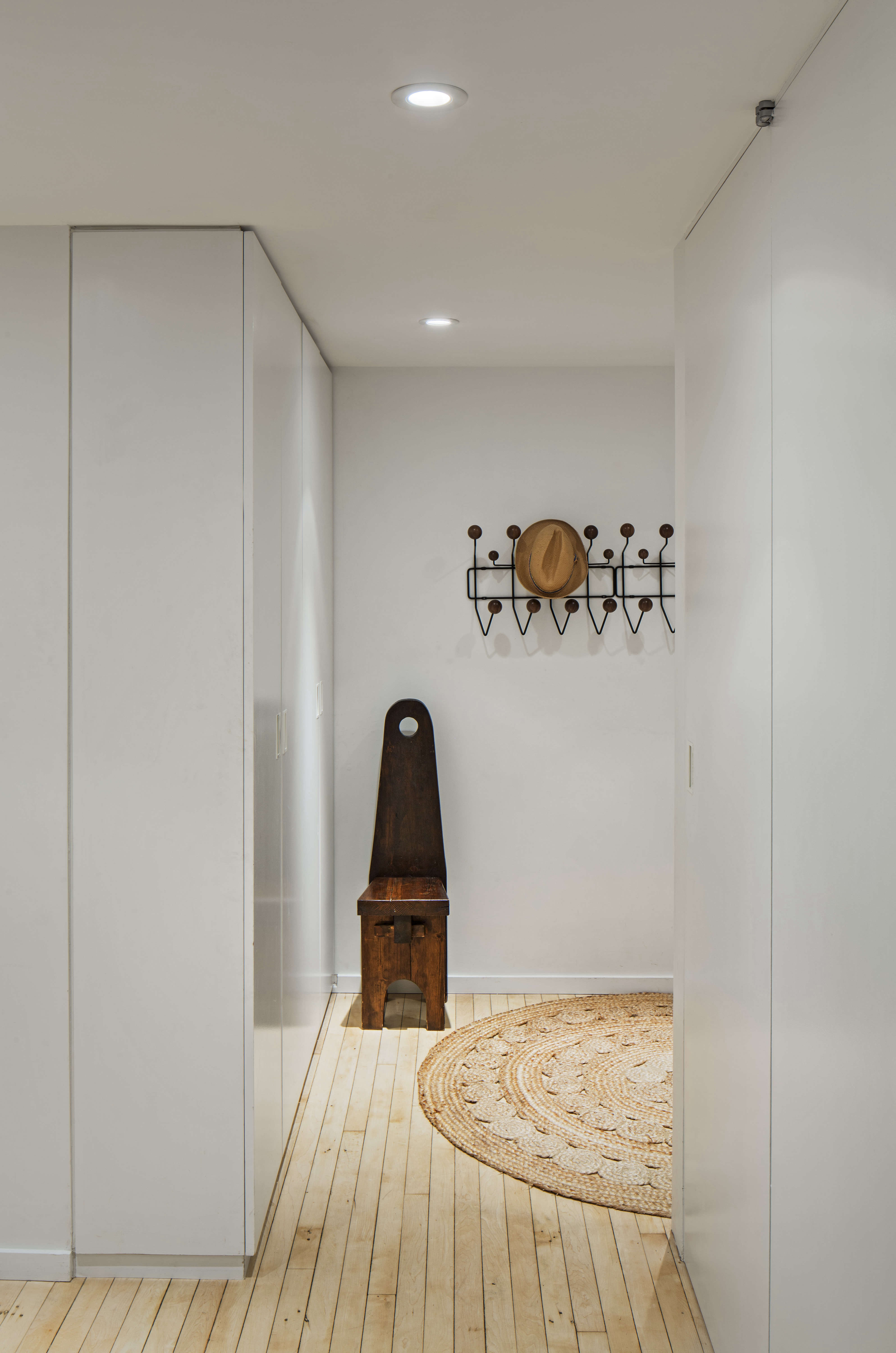
A round jute rug is one of those home décor pieces that looks effortless, even though it secretly does a lot of design heavy lifting. It softens sharp corners, adds natural texture, warms up a cold floor, and makes a room feel more intentional without screaming, “I spent three weekends making a mood board.” That is the quiet magic of jute: it brings the relaxed charm of nature indoors while still looking polished enough for a magazine-worthy living room.
Made from plant-based jute fibers, these rugs are loved for their earthy color, woven texture, and organic personality. A round shape gives jute an even friendlier effect. Instead of the usual rectangular rug that marches across the floor like it has a meeting to attend, a round jute rug feels casual, balanced, and welcoming. It is especially useful in spaces that need softness, movement, or a more natural focal point.
Whether you are decorating a small apartment, refreshing a breakfast nook, styling a nursery, or trying to make your living room look less like a furniture showroom and more like an actual home, a round jute rug can be a smart, stylish, and surprisingly versatile choice.
What Is a Round Jute Rug?
A round jute rug is a circular area rug woven from jute, a natural fiber harvested from the stalks of the jute plant. Jute is commonly used in home textiles because it is strong, textured, and naturally golden-brown. In rug form, it creates a warm neutral foundation that works with farmhouse, coastal, bohemian, minimalist, Scandinavian, rustic, and modern organic interiors.
The round shape changes the entire personality of the rug. While rectangular rugs are excellent for defining long seating areas and traditional room layouts, round rugs create visual flow. They work beautifully under circular dining tables, beside beds, in entryways, under accent chairs, or in corners that need a little design rescue. Think of them as the friendly neighbor of the rug world: approachable, useful, and somehow always invited into cozy spaces.
Why Round Jute Rugs Are So Popular
They Add Natural Texture Without Overwhelming the Room
One of the biggest reasons people choose a round jute area rug is texture. Jute has a visible weave that adds depth to a room without relying on loud patterns or bold colors. If your space feels flat, too white, too gray, or a little too “rental apartment chic,” a jute rug can instantly add warmth.
Because jute is usually neutral, it pairs well with wood furniture, linen curtains, leather chairs, rattan accents, painted cabinets, metal lighting, and upholstered pieces. It does not compete with your décor. It politely supports it, which is more than can be said for some dramatic throw pillows.
They Soften Boxy Spaces
Most rooms are made of straight lines: walls, windows, sofas, tables, cabinets, shelves, and doorways. A round rug introduces a curve, which helps break up all those angles. This is especially helpful in small rooms, square rooms, and spaces with blocky furniture.
A round natural fiber rug can make a room feel more relaxed and visually balanced. It draws the eye inward and creates a sense of movement. In an entryway, it says, “Welcome.” In a reading nook, it says, “Sit down and pretend you are going to finish that book.”
They Work With Many Decorating Styles
Round jute rugs are wonderfully adaptable. In a coastal room, they echo sandy beach tones. In a boho space, they layer well with patterned textiles and plants. In a farmhouse-style home, they bring rustic character. In a modern room, they prevent the space from feeling too cold or sterile.
This versatility makes jute a practical option for homeowners who like to change their décor over time. You can swap wall art, pillows, bedding, or lamps, and the rug will likely still work. It is the rare home item that does not panic when your style evolves.
Best Places to Use a Round Jute Rug
Living Room
A round jute rug can look stunning in a living room, especially when used to define a conversation area. It works well under a round coffee table or centered between a sofa and two accent chairs. For a layered designer look, place a smaller patterned rug over a larger jute rug. This adds color and softness while letting the jute provide structure and texture underneath.
For best results, choose a size that connects the furniture visually. A rug that is too small can look like a lonely coaster on the floor. A larger round rug, such as 6 feet or 8 feet in diameter, usually works better in living rooms because it anchors the seating area instead of floating awkwardly in the middle.
Dining Room or Breakfast Nook
A round jute rug is a natural match for a round dining table. The repeated circular shape creates harmony, and the woven texture keeps the setup from looking too formal. In a breakfast nook, jute adds café-like charm without requiring you to learn latte art.
When using jute under a dining table, size matters. The rug should be large enough for chairs to remain on the rug when pulled out. As a general design rule, leave generous space beyond the table edge so chairs do not constantly catch on the rug. Also, remember that jute has texture, so crumbs can settle into the weave. Regular vacuuming will be your loyal sidekick.
Bedroom
In the bedroom, a round jute rug can soften the area beside the bed or create a cozy corner near a reading chair. It is especially effective in rooms with wood, tile, or laminate flooring. The natural tone of jute pairs beautifully with white bedding, muted green walls, warm wood nightstands, and soft linen textures.
If you want more softness under bare feet, consider layering a smaller wool, cotton, or washable rug over the jute. Jute is comfortable enough for many people, but it has a firmer, more textured feel than plush rugs. Your feet will notice the difference, especially before coffee.
Entryway
A round jute rug can make an entryway feel polished and welcoming. It works particularly well in square foyers or under a statement pendant light. The earthy texture helps hide minor dust better than pale synthetic rugs, although it still needs routine cleaning.
However, avoid placing a jute rug where it will constantly get soaked by rain boots, wet umbrellas, or snowy shoes. Jute does not love moisture. It is more “dry indoor charm” than “mudroom survival gear.”
Nursery or Kids’ Room
Round jute rugs are popular in nurseries because they bring warmth and a gentle organic look. They pair well with wood cribs, soft wall colors, baskets, and neutral curtains. For play areas, layering a softer rug or mat on top may be more comfortable for crawling babies or kids who spend lots of time on the floor.
Pros of a Round Jute Rug
Eco-Friendly Appeal
Jute is a plant-based fiber, which gives it strong appeal for people who prefer natural materials in the home. It is often appreciated as an eco-conscious option because it comes from a renewable plant source and has an earthy, low-processed look. For homeowners trying to reduce plastic-heavy décor, a jute rug can be a simple step in a more natural direction.
Timeless Neutral Color
Jute’s tan, beige, honey, and straw-like tones are easy to decorate around. These shades work with white, cream, black, navy, sage green, terracotta, walnut, oak, and brass. A round jute rug does not trap you in a trend. It is not going to look at next year’s color forecast and suddenly become embarrassing.
Durable Texture
Jute rugs are known for their sturdy woven construction. They can handle everyday use in many indoor areas, especially when paired with a rug pad and maintained properly. The weave may vary from chunky braided styles to tighter flatweaves, so durability and feel can differ from rug to rug.
Great for Layering
Interior designers often use jute rugs as layering pieces. A round jute rug can sit beneath a smaller vintage-style rug, patterned cotton rug, faux hide, or soft wool accent rug. This approach adds dimension and makes a room look collected rather than purchased in one frantic afternoon.
Cons to Know Before Buying
Jute Does Not Like Moisture
The most important thing to know is that jute is sensitive to water. Moisture can cause staining, discoloration, mildew, or fiber damage. That means a round jute rug is not ideal for bathrooms, damp basements, uncovered patios, or areas where spills are frequent and dramatic.
If a spill happens, blot it immediately with a clean, dry cloth. Do not scrub aggressively, and do not soak the rug. Jute rewards calm behavior. It does not appreciate panic-cleaning.
Shedding Can Happen
Natural jute rugs may shed small fibers, especially when new. This is normal and often decreases with regular vacuuming. A suction-only vacuum or a vacuum without a beater brush is usually best because rotating brushes can pull at the fibers.
It May Feel Rougher Than Plush Rugs
Jute is softer than some natural fibers, such as sisal, but it is still textured. If your dream rug feels like a cloud wearing pajamas, jute may not be that rug. If your dream rug feels natural, grounded, and pleasantly rustic, jute is very much in the running.
How to Choose the Right Round Jute Rug
Pick the Right Size
Size is everything. A 3-foot round rug can work in a small entry, bathroom vanity area, or tiny reading nook. A 4-foot or 5-foot rug is good for compact corners, small apartments, or under a petite accent table. A 6-foot rug works well under a small dining table or in a medium seating area. An 8-foot round jute rug makes a stronger statement in larger rooms.
Before ordering, use painter’s tape to mark the rug diameter on the floor. This simple trick prevents the classic online shopping surprise where the rug arrives and looks either comically tiny or large enough to host a yoga class.
Consider the Weave
Braided jute rugs have a classic, casual look and often feel thicker. Flatweave jute rugs tend to sit lower and can be easier to layer. Chunky woven styles add bold texture but may be harder to use under dining chairs. If furniture needs to slide over the rug, choose a lower-profile weave.
Check the Backing
Some jute rugs are reversible, while others have backing. A reversible rug can offer longer use because you can flip it when one side starts showing wear. However, backed rugs may feel more stable. Either way, a quality rug pad is strongly recommended to reduce slipping, protect flooring, and help the rug wear more evenly.
Think About Color Variation
Because jute is natural, color variations are part of its charm. Some rugs lean golden, others beige, taupe, or light brown. Handmade rugs may also have slight differences in weave or size. These are not flaws; they are signs that the rug did not come from a soulless plastic rectangle factory.
How to Style a Round Jute Rug
Pair It With a Round Table
The easiest styling move is placing a round jute rug under a round table. This works in dining rooms, breakfast nooks, game corners, and small conversation areas. The repeated shape feels intentional and balanced.
Use It to Highlight a Focal Point
A round rug can draw attention to a special area, such as a reading chair, plant corner, entry console, or nursery rocker. It creates a visual island, telling the eye, “This spot matters.”
Mix It With Soft Textiles
Jute looks best when balanced with softness. Add linen curtains, cotton throws, velvet pillows, boucle chairs, or wool blankets. This contrast keeps the room from feeling too rough or overly rustic.
Layer for More Personality
If a plain round jute rug feels too simple, layer another rug on top. Try a smaller patterned rug, a faded Persian-style rug, or a washable accent rug. The jute becomes the neutral base, while the top layer adds color and character.
How to Clean and Care for a Round Jute Rug
Good care helps a round jute rug stay beautiful longer. Vacuum regularly using suction only or the lowest power setting. Avoid a beater brush because it can loosen fibers. Rotate the rug every few months so sunlight and foot traffic do not wear one area faster than the rest.
For spills, blot immediately with a clean, dry white cloth. Do not rub, because rubbing can push liquid deeper into the fibers. Avoid steam cleaning, soaking, or using harsh household cleaners. For serious stains, professional cleaning is the safer option.
Use a rug pad underneath. This helps prevent slipping, adds a little cushioning, protects the floor, and reduces friction. It is a small detail, but it can make a big difference. Think of a rug pad as the quiet friend who does all the work and never asks for applause.
Round Jute Rug vs. Other Natural Fiber Rugs
Jute is often compared with sisal and seagrass. Sisal is usually tougher and more structured, but it can feel rougher underfoot. Seagrass has a smoother, slightly glossy surface and good stain resistance, but it offers a different look and texture. Jute is often chosen when comfort, softness, and a relaxed organic appearance are the priorities.
If you want a natural rug for a formal dining room or high-traffic hallway, compare fiber types carefully. If you want a warm, casual, beautiful foundation for a living room, bedroom, or cozy nook, jute is a strong contender.
Common Mistakes to Avoid
Choosing a Rug That Is Too Small
A too-small round rug can make the room look disconnected. When in doubt, size up. A larger rug usually feels more luxurious and more intentional.
Using Jute in Wet Areas
Bathrooms, damp basements, and uncovered outdoor areas are risky spots for jute. Choose synthetic indoor-outdoor rugs for moisture-heavy spaces instead.
Skipping the Rug Pad
Round rugs can shift, especially on hardwood, tile, or laminate. A rug pad improves safety and keeps the rug looking properly placed instead of slowly migrating across the room like it has vacation plans.
Cleaning With Too Much Water
Water and jute are not best friends. Blot spills quickly, use dry methods when possible, and call a professional for major cleaning problems.
Real-Life Experience: Living With a Round Jute Rug
Living with a round jute rug is a little like living with a charming, low-maintenance friend who has one very specific boundary: no drama involving water. In everyday use, the rug brings a calm, finished look to the room almost immediately. The first thing most people notice is how it changes the mood of a space. A plain corner suddenly feels styled. A small dining table feels more grounded. A reading chair no longer looks like it was abandoned near a window by accident.
In a living room, a round jute rug works especially well when the furniture layout feels too rigid. Sofas, media consoles, bookshelves, and coffee tables often create a grid of straight lines. The circular rug interrupts that structure in a pleasant way. It makes the room feel softer without adding frills. Guests may not point directly at the rug and deliver a speech about visual balance, but they often say the room feels cozy. That is the rug doing its quiet little victory lap.
The texture is also part of the experience. A round jute rug does not disappear into the floor like a flat synthetic rug might. You see the weave. You notice the natural fibers. It adds a handmade, organic feeling even when the rest of the room is simple. If you have wood furniture, woven baskets, ceramic lamps, or leafy plants, the rug ties those elements together naturally. It is especially good at making mixed materials feel connected.
That said, the day-to-day reality includes some practical habits. Vacuuming becomes important, particularly during the first few weeks when shedding may be more noticeable. A suction-only vacuum helps keep dust and loose fibers under control. If the rug sits under a dining table, crumbs will find their way into the weave because crumbs are apparently tiny explorers with ambitious goals. Regular cleaning solves most of that problem.
Spills are the only real source of suspense. A dropped glass of water, coffee, or juice should be handled quickly. Blotting immediately is key. Scrubbing is not helpful and may make the area look worse. Families with toddlers, enthusiastic pets, or adults who gesture wildly while holding red beverages may want to place jute in lower-risk areas or choose a jute-blend or washable jute-look rug instead.
Comfort depends on expectations. A round jute rug feels natural and textured, not plush. In shoes or socks, it is comfortable. Barefoot, it feels earthy and slightly firm. Some people love that tactile quality; others prefer adding a softer rug on top. Layering can be a great solution because it preserves the jute look while adding softness where people sit, play, or stretch out.
Over time, the rug develops character. Slight color variation, gentle softening, and normal wear can make it look even more relaxed. It does not need to be perfect to be beautiful. In fact, perfection would almost defeat the point. A round jute rug is best for people who like natural materials, warm textures, and rooms that feel lived in rather than staged. Treat it kindly, keep it dry, rotate it occasionally, and it will reward you with the kind of understated style that never has to shout.
Conclusion
A round jute rug is a smart choice for anyone who wants warmth, texture, and natural style in one simple piece. Its circular shape softens hard lines, its woven fiber adds organic character, and its neutral color works with nearly every decorating style. It can anchor a dining nook, cozy up a bedroom, welcome guests in an entryway, or give a living room that relaxed designer look without making the space feel overdone.
The key is choosing the right size, using a rug pad, keeping it away from moisture, and cleaning it gently. Jute is durable, beautiful, and versatile, but it is still a natural fiber with natural limits. Respect those limits, and your rug can become one of the easiest style upgrades in your home.