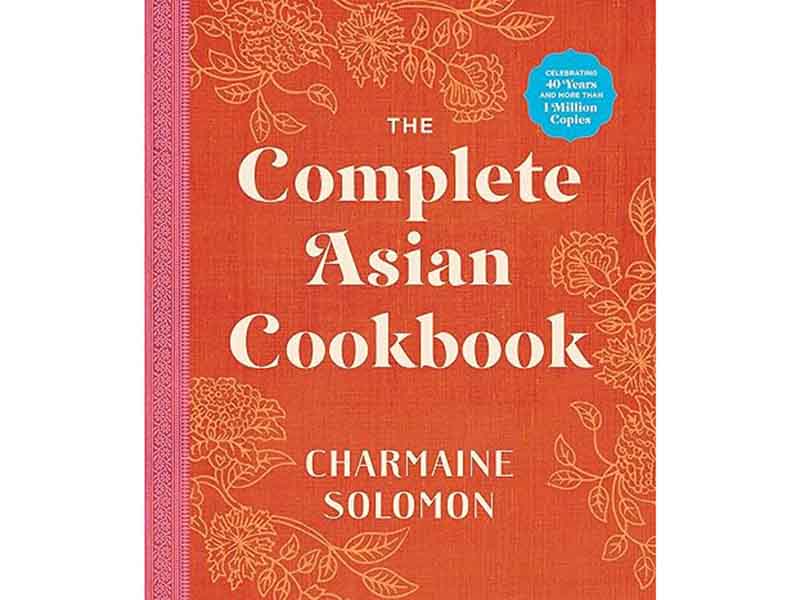
Some cookbooks are pretty. Some are practical. And then there are cookbooks that look at your spice rack, your dinner routine, and your suspiciously lonely bag of rice and say, “We haby Charmaine Solomon belongs in that third category. It is not merely a recipe collection; it is a passport, pantry lesson, cooking course, cultural sampler, and dinner rescue plan tucked into one hefty volume.
First published in 1976 and refreshed for modern kitchens, the book has earned its reputation as one of the most influential Asian cookbooks for English-speaking home cooks. It covers hundreds of recipes from countries including India, Pakistan, Sri Lanka, Indonesia, Malaysia, Singapore, Thailand, Vietnam, China, Korea, Japan, and more. That range matters because “Asian food” is not one thing. It is coconut-rich curries, delicate broths, sizzling stir-fries, rice noodles, fermented sauces, spice pastes, dumplings, sambals, chutneys, pickles, grilled meats, and soups that can make a rainy Tuesday feel emotionally manageable.
This guide explores why The Complete Asian Cookbook still matters, what makes it useful for American home cooks, how to approach it without getting overwhelmed, and how its lessons can turn everyday cooking into something more confident, flavorful, and fun.
What Is The Complete Asian Cookbook?
The Complete Asian Cookbook is a landmark cookbook by Charmaine Solomon, a Sri Lankan-born Australian food writer widely recognized for making Asian cooking more accessible to home kitchens. The book is famous for its broad coverage, clear instructions, ingredient explanations, and practical tone. It does not assume you own a restaurant wok burner, a grandmother whispering spice ratios over your shoulder, or a pantry with seven mysterious jars labeled only in your optimism.
The book’s greatest strength is structure. Recipes are grouped by country and region, allowing readers to understand how cuisines differ instead of treating Asia as one giant flavor bucket. Indian and Pakistani dishes lean heavily on spices, dals, breads, and layered curries. Sri Lankan recipes bring coconut, curry leaves, rice, and heat into sharp focus. Southeast Asian chapters introduce lemongrass, galangal, fish sauce, tamarind, shrimp paste, herbs, and rice noodles. East Asian sections explore soy-based sauces, broths, stir-frying, steaming, pickling, and noodle traditions.
That organization helps readers build context. You begin to see why coconut milk behaves differently in a Malaysian curry than yogurt does in a North Indian one, or why Japanese cooking often prizes restraint while Korean cooking may build boldness through fermentation, chile, garlic, and sesame. The cookbook becomes more than a set of instructions; it becomes a map of flavor logic.
Why This Cookbook Still Feels Essential
Cookbook trends come and go. One year everyone is fermenting things in jars; the next year every salad has a chili crisp personality. But The Complete Asian Cookbook has survived because it teaches fundamentals. It does not chase novelty. It explains how dishes work.
It respects regional difference
One of the most useful things about the book is its refusal to flatten Asian cooking into a single style. A Thai curry, a Japanese simmered dish, a Pakistani meat curry, and a Vietnamese noodle bowl are not interchangeable. They use different aromatics, techniques, seasonings, and finishing touches. By keeping recipes rooted in place, the book gives readers a deeper understanding of why ingredients matter.
It is written for real home cooks
Many classic cookbooks can feel like they were written for people with unlimited counter space and the patience of a monk. Solomon’s style is more practical. The recipes are detailed, but not fussy. The explanations are clear. The tone respects the reader’s intelligence without pretending that every ingredient is already familiar.
It builds confidence gradually
The best way to learn Asian home cooking is not to buy 42 sauces and panic. It is to start with a few recipes, notice repeated ingredients, and slowly build a pantry. This cookbook supports that process. After cooking several dishes, you begin to recognize patterns: ginger and garlic as foundations, soy sauce for savoriness, fish sauce for depth, coconut milk for body, rice vinegar for brightness, sesame oil for aroma, and fresh herbs for lift.
The Pantry Lessons Hidden in the Book
One reason The Complete Asian Cookbook is so useful is that it teaches the pantry indirectly. You may open the book looking for dinner and accidentally become the kind of person who knows why tamarind paste belongs in the refrigerator. Congratulations. Character development.
For American cooks, the modern Asian pantry is more accessible than ever. Many large supermarkets now carry soy sauce, coconut milk, rice vinegar, sesame oil, curry paste, rice noodles, miso, sriracha, chili garlic sauce, and panko. Asian markets, international grocery stores, and online retailers make it easier to find galangal, curry leaves, pandan, dried shrimp, shrimp paste, gochujang, doenjang, black vinegar, bonito flakes, and specialty noodles.
Start with a flexible core pantry
If you are cooking from The Complete Asian Cookbook, begin with versatile ingredients rather than buying everything at once. A practical starter pantry might include light soy sauce, dark soy sauce, fish sauce, rice vinegar, coconut milk, sesame oil, neutral oil, dried rice noodles, jasmine rice, basmati rice, canned tomatoes, dried chiles, garlic, ginger, onions, scallions, cilantro, and a few whole spices such as cumin, coriander, cardamom, cloves, cinnamon, and mustard seeds.
From there, expand based on the chapters you cook from most often. If you fall in love with Thai and Vietnamese recipes, add tamarind, palm sugar, lemongrass, galangal, and fresh herbs. If Japanese food becomes your comfort zone, stock miso, mirin, sake, kombu, and bonito flakes. If Korean dishes take over your weeknights, gochujang, gochugaru, doenjang, toasted sesame seeds, and kimchi will earn permanent shelf space.
How to Use The Complete Asian Cookbook Without Feeling Overwhelmed
A cookbook this broad can be intimidating. It has the energy of a culinary encyclopedia, and encyclopedias are not usually what people reach for when they are hungry and wearing socks that do not match. The trick is to treat the book as a long-term kitchen companion, not a weekend challenge.
Choose one region at a time
Instead of hopping from Sri Lankan curry to Japanese noodles to Korean pickles in one shopping trip, choose one chapter and stay there for a few meals. This helps you reuse ingredients and understand flavor patterns. For example, spending a week with the Thai chapter may teach you how sweet, sour, salty, spicy, and herbal elements balance each other. A week with Indian recipes may teach you how spices bloom in oil and how onions transform when cooked slowly.
Read the recipe before cooking
This sounds obvious, but many kitchen disasters begin with the phrase, “I’ll figure it out as I go.” Asian cooking often moves quickly once the heat is on, especially stir-fries and noodle dishes. Chop aromatics, measure sauces, wash herbs, soak noodles, and prep garnishes before you start. Your future self will thank you, possibly while holding a perfectly cooked bowl of noodles.
Respect substitutions, but understand them
Substitutions are sometimes necessary. Not every cook can find fresh curry leaves or galangal on a Tuesday afternoon. But substitutions work best when you understand the role of the ingredient. Lime juice can add acidity, but it cannot fully replace the fruity depth of tamarind. Soy sauce brings salt and umami, but it does not taste like fish sauce. Ground spices can work in place of whole spices in some dishes, but the aroma and texture may change.
The goal is not perfection. The goal is good cooking with honest expectations. If a substitute gets dinner on the table and tastes delicious, that is a win. The food police are not coming. They are busy arguing about carbon steel woks online.
Standout Cooking Techniques Readers Can Learn
The Complete Asian Cookbook teaches several techniques that improve everyday cooking far beyond Asian recipes. Once you learn them, they sneak into your soups, marinades, vegetables, and weeknight leftovers.
Blooming spices
Many South Asian recipes begin by heating spices in oil. This process unlocks aroma and flavor, creating a base that tastes deeper than simply stirring dry spices into liquid. Mustard seeds may pop, cumin may darken, and curry leaves may crackle. It is a tiny kitchen fireworks show, minus the safety goggles.
Balancing flavor
Many Asian dishes depend on balance: salty, sweet, sour, spicy, bitter, and umami. Thai cooking is especially famous for this, but the principle appears throughout the book. A dish that tastes flat may need acid. A sauce that tastes sharp may need sweetness. A soup that tastes thin may need salt, stock, or umami. Learning this balance makes you a better cook in every cuisine.
Layering aromatics
Garlic, ginger, onion, scallion, lemongrass, chile, cilantro root, curry leaves, shallots, and spices often form the backbone of Asian dishes. The order and method matter. Some aromatics are fried until golden; others are simmered gently; some are added at the end for freshness. This layering creates dishes that taste complete rather than merely seasoned.
Cooking rice and noodles properly
Rice and noodles are not side characters. They are the stage on which many dishes perform. The cookbook encourages attention to texture: fluffy rice, chewy noodles, soft breads, crisp garnishes, tender meats, and vegetables that still have life in them. Overcooked noodles can turn a beautiful dish into a tragic paste event. Nobody needs that.
Why American Home Cooks Can Benefit From This Book
American home cooking has become more globally curious, but curiosity can become confusion when recipes are scattered across social media, short videos, and blog posts with seventeen pop-up ads. The Complete Asian Cookbook offers something calmer: a coherent foundation.
For beginners, it provides a reliable entry point into classic dishes and ingredients. For experienced cooks, it offers breadth, reference value, and a reminder that traditional recipes do not need to be complicated to be powerful. For families, it can expand dinner beyond the familiar rotation of pasta, tacos, chicken, and “whatever is in the freezer under the peas.”
The book also encourages cooking from scratch without making scratch cooking feel like a moral contest. You can grind spices when you have time. You can use prepared curry paste when you do not. You can make a feast on Sunday and a simple stir-fry on Wednesday. The point is to cook more thoughtfully, not to turn dinner into a personality test.
Best Types of Recipes to Try First
If you are new to The Complete Asian Cookbook, begin with recipes that teach core skills and use ingredients you can reuse.
Curries
Curries are a natural starting point because they show how spices, aromatics, liquid, and time build flavor. Try a coconut-based curry if you enjoy richness, or a tomato-and-spice-based curry if you prefer something sharper and deeper. Serve with rice, flatbread, or simple vegetables.
Stir-fries
Stir-fries are fast, practical, and excellent for weeknights. They teach heat control, ingredient preparation, and sauce balance. The secret is preparation: once the pan is hot, there is no time to go looking for soy sauce while the garlic burns into tiny bitter confetti.
Soups and noodle dishes
Asian soups can be light, rich, spicy, sour, or deeply savory. Noodle dishes are especially satisfying because they combine texture and sauce in every bite. They also make leftovers feel intentional, which is one of adulthood’s underrated victories.
Pickles, chutneys, and condiments
Do not skip the small extras. Chutneys, sambals, pickles, dipping sauces, and fried garnishes often turn a good meal into a memorable one. They add contrast, brightness, crunch, and heat. A spoonful of the right condiment can do the emotional labor of an entire side dish.
The Cultural Value of a Cookbook Like This
A cookbook that covers many countries must be approached with respect. No single volume can capture the full complexity of Asia’s food traditions. Each cuisine contains regional, religious, historical, seasonal, and family differences. Even one dish can have dozens of beloved versions, each defended passionately by someone’s auntie.
Still, The Complete Asian Cookbook remains valuable because it invites readers to learn. It introduces ingredients with context. It presents recipes as part of living traditions. It encourages home cooks to see Asian food not as takeout categories, but as diverse cooking systems shaped by climate, migration, trade, agriculture, ritual, and family memory.
The best way to honor that is to cook with curiosity. Learn ingredient names. Notice regional differences. Avoid calling every spicy sauce “Asian sauce.” Taste as you go. Read beyond recipes when possible. And when a dish becomes part of your home routine, remember that it came from somewhere before it came to your table.
Common Mistakes to Avoid
Buying too many ingredients too soon
A giant pantry can look impressive, but ingredients lose freshness. Start small and build around recipes you actually cook. A used bottle of fish sauce is better than twelve unopened jars of ambition.
Ignoring garnish
Fresh herbs, lime wedges, fried shallots, toasted sesame seeds, scallions, and chile oil are not decoration. They are flavor tools. Many Asian dishes rely on contrast at the end.
Using high heat for everything
Stir-frying loves high heat. Gentle simmering does not. Some dishes need slow cooking to tenderize meat or develop spice. Others need quick cooking to preserve crunch. Match the heat to the technique.
Forgetting texture
Great Asian cooking often balances soft, crisp, chewy, silky, and crunchy textures. Do not let everything become mush. Unless you are making porridge, in which case mush is not failure; it is the assignment.
Personal Experience: Cooking With The Complete Asian Cookbook
Cooking from The Complete Asian Cookbook feels less like following a trendy recipe and more like entering a kitchen where someone has already done the hard work of testing, explaining, and organizing. The first experience many readers have is surprise: surprise at the range, surprise at how many recipes feel approachable, and surprise that unfamiliar ingredients become less intimidating after a few pages.
The most enjoyable way to use the book is to choose a small menu rather than a single dish. For example, a simple dinner might include a curry, steamed rice, a quick vegetable stir-fry, and a fresh condiment. None of those components needs to be complicated, but together they create balance. The curry provides warmth and depth. The rice gives comfort. The vegetable dish adds freshness. The condiment wakes everything up like a tiny edible alarm clock.
One of the best lessons from using this kind of cookbook is patience with flavor. Western weeknight cooking often leans on speed: sear the protein, toss the salad, open the sauce, done. Many Asian recipes are also quick, but the deeper dishes teach you to build flavor in stages. Frying onions until golden is not the same as waving them near a pan and hoping for the best. Toasting spices changes them. Simmering coconut milk with aromatics gives it body. Adding herbs at the end keeps them bright. These are small details, but they create meals that taste intentional.
Another experience is the joy of pantry momentum. At first, buying ingredients can feel like a scavenger hunt. You may stand in an Asian grocery aisle wondering whether you need light soy sauce, dark soy sauce, sweet soy sauce, or emotional support. But after a few recipes, the same bottles return again and again. The pantry starts making sense. Fish sauce stops seeming scary and starts seeming useful. Rice vinegar becomes a weeknight hero. Sesame oil becomes the finishing touch you must resist pouring on everything, including possibly popcorn.
The book also encourages generosity. Many recipes naturally suit shared meals: bowls of rice, platters of vegetables, small dishes of pickles, fragrant curries, soups, noodles, and sauces passed around the table. Cooking this way changes the mood of dinner. Instead of one plate assembled in silence, the meal becomes interactive. People reach, taste, compare, add more sauce, ask what is in something, and occasionally discover that they do like eggplant after all. Miracles happen.
Most importantly, The Complete Asian Cookbook rewards repetition. The first time you cook a dish, you learn the steps. The second time, you understand timing. The third time, you begin to taste like a cook rather than a rule follower. You adjust salt, acid, heat, and sweetness. You notice whether the sauce should be thicker or the herbs should be added later. That is when the book becomes more than a reference. It becomes a teacher.
In a world full of fast recipes and endless scrolling, there is something refreshing about returning to a serious cookbook with real depth. It asks for attention, but it gives back confidence. It proves that Asian home cooking is not a mystery reserved for restaurants. It is a set of learnable skills, generous traditions, and deeply satisfying meals waiting for anyone willing to chop, taste, stir, and occasionally make peace with a sink full of dishes.
Conclusion
The Complete Asian Cookbook remains a classic because it combines breadth with usefulness. It introduces home cooks to a wide range of Asian cuisines while keeping the instructions grounded and practical. The book is especially valuable for American readers who want to move beyond takeout-style assumptions and learn how real flavor is built through spices, aromatics, sauces, herbs, rice, noodles, broths, and condiments.
It is not a book to rush through. It is a cookbook to live with. Start with one chapter, cook a few dishes, build your pantry slowly, and let the flavors teach you. Before long, your kitchen may smell like toasted spices, simmering coconut milk, ginger, garlic, soy, sesame, and possibility. That is a very good problem to have.