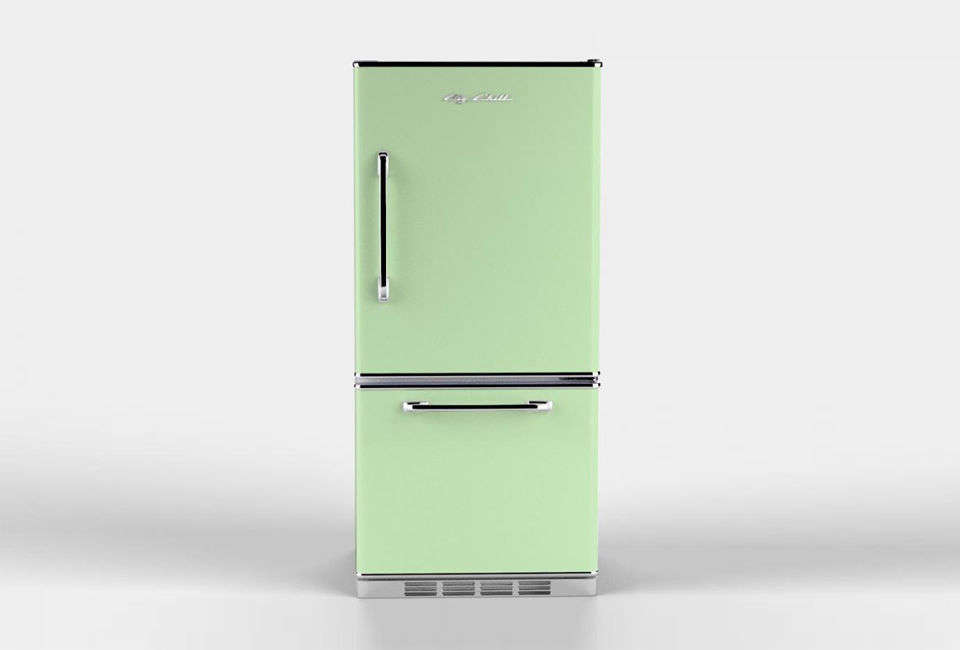
The Retropolitan is not just a look. It is a mood, a map, and a mild rebellion against the idea that progress must always arrive wearing white sneakers, gray walls, and a personality-free sofa. At its best, the retropolitan lifestyle blends retro charm with metropolitan energy: vintage furniture in a downtown loft, an old theater reborn as a music venue, a neighborhood café with terrazzo floors and Wi-Fi fast enough to make your laptop blush, or a walkable street where the bakery, record shop, apartment building, and cocktail bar all appear to be on speaking terms.
In simple terms, “retropolitan” can describe the modern urban person, place, or design style that looks forward without throwing the past into a dumpster behind the condo development. It is the sweet spot between nostalgia and city living, between mid-century curves and smart-home convenience, between historic Main Street character and the daily need for decent coffee before 9 a.m. It borrows from retro design, vintage culture, adaptive reuse, walkable neighborhoods, maker markets, and the growing desire for spaces that feel human instead of mass-produced.
What Does “Retropolitan” Mean?
The word sounds like it walked out of a jazz club wearing a tailored coat, but its meaning is surprisingly practical. “Retro” points to styles, habits, objects, and cultural references from the past. “Metropolitan” points to city life, density, mobility, culture, and the social buzz of urban living. Put them together and you get the retropolitan: a person or place that uses the past as design fuel for a smarter, warmer, more expressive present.
A retropolitan apartment might feature a walnut credenza, a checkerboard rug, modern lighting, restored brick, and a kitchen appliance in a bold 1950s-inspired color. A retropolitan neighborhood might include historic buildings adapted into restaurants, small shops, studios, apartments, and public gathering places. A retropolitan attitude might mean choosing character over sameness, repairing instead of replacing, and supporting local makers instead of buying yet another flat-pack item named after a Scandinavian syllable.
Why the Retropolitan Idea Feels So Timely
The retropolitan trend fits a larger cultural shift. After years of minimalism, fast furniture, sterile luxury, and “open concept” spaces that sometimes felt as cozy as airport terminals, people are craving warmth. They want homes, streets, and experiences with stories. That does not mean everyone wants to live inside a museum. The modern retro revival works because it is selective. It keeps the charm, color, craftsmanship, and texture of the past while leaving behind the unreliable wiring, asbestos tiles, and sofas that smell faintly like 1974.
This is why retro design has become so visible in interiors, fashion, hospitality, branding, and urban redevelopment. Mid-century modern furniture, 1970s earth tones, Art Deco details, checkerboard floors, vintage signage, neon accents, and handmade ceramics all bring personality into a world of copy-and-paste design. Meanwhile, cities and towns are rethinking older buildings as assets rather than obstacles. Warehouses become food halls. Banks become art spaces. Theaters become event venues. Factories become apartments. The result is a built environment that feels layered, not laminated.
The Design Language of the Retropolitan
1. Retro, But Not Costume Design
The best retropolitan spaces are not trapped in one decade. They do not demand that you eat dinner under a lava lamp while pretending smartphones never happened. Instead, they borrow confidently from different periods. A 1960s lounge chair can sit beside a contemporary marble table. A vintage poster can hang above a clean-lined sofa. A restored Art Deco lobby can welcome residents who unlock the door with an app. The magic is in the balance.
Retro style often draws from the 1950s, 1960s, and 1970s: curved furniture, warm woods, chrome, saturated colors, bold geometry, shaggy textures, terrazzo, patterned wallpaper, and playful lighting. But a retropolitan space uses those elements with restraint. One orange refrigerator can be charming. Twelve orange appliances, orange walls, and an orange ceiling fan may cause guests to wonder whether they have been swallowed by a tangerine.
2. Vintage Pieces With Modern Function
A true retropolitan home loves vintage objects, but it also respects modern life. The desk may be antique, but the chair should not punish your spine. The record player may be beautifully old-school, but the sound system can still connect to Bluetooth. The kitchen may nod to 1950s diner style, but the dishwasher should not require a prayer circle.
This blend explains the popularity of retro-inspired appliances, reissued furniture silhouettes, modern reproductions, and carefully restored antiques. People want the emotional satisfaction of the past with the performance of the present. That is the retropolitan promise: nostalgia without inconvenience.
3. Color That Refuses to Whisper
Retropolitan color palettes are often warmer, richer, and braver than the gray-on-gray interiors that dominated recent years. Think avocado green, mustard yellow, burnt orange, oxblood, teal, cocoa brown, cream, brass, walnut, and deep blue. These colors make rooms feel inhabited. They invite conversation. They say, “Someone interesting lives here,” instead of, “This home was staged by a very polite cloud.”
The trick is to choose a focused palette. A living room might pair walnut furniture with olive upholstery, cream walls, and brass lamps. A café might use terracotta tile, dark wood, and a pop of turquoise. A boutique hotel might combine velvet, patterned rugs, smoky mirrors, and modern art. Color becomes the bridge between memory and modernity.
The Retropolitan City: Old Buildings, New Life
The retropolitan idea is not limited to interiors. It also shows up in how cities reuse older buildings and revive established neighborhoods. Adaptive reuse is one of the strongest examples. Instead of demolishing a historic structure and building from scratch, communities can convert it for a new purpose. A casket factory can become housing. A bank can become a cultural center. A warehouse can become a market hall. A department store can become offices, apartments, or a public-facing mixed-use space.
This approach offers several advantages. Older buildings often sit in places that already have sidewalks, transit access, utilities, and nearby businesses. Reusing them can support walkability, reduce waste, preserve architectural character, and strengthen local identity. It also helps cities avoid the depressing phenomenon known as “everywhere looks like everywhere,” in which a person wakes up in one city and needs GPS to confirm they are not in a different one with the same glass box apartments.
Walkability: The Retropolitan Superpower
A retropolitan neighborhood works best when daily life is close at hand. Walkability is not just a trendy urban planning word; it changes how people experience a place. When housing, shops, restaurants, parks, transit, schools, and workplaces are connected, people can move through the neighborhood without treating every errand like a mini road trip.
Walkable districts tend to feel more social because sidewalks create chance encounters. You notice the mural on the corner. You wave at the florist. You discover a vintage store because you were actually walking slowly enough to see the window display. Cars are useful, of course, but they are terrible at creating community. No one has ever said, “I met my best friend while we were both stuck at a red light, silently questioning our life choices.”
Retropolitan places often embrace complete streets, wider sidewalks, bike access, public seating, trees, historic streetlights, local storefronts, and mixed-use buildings. These features make streets safer, more comfortable, and more economically active. They also support the kind of slow urban discovery that makes older neighborhoods memorable.
Main Streets, Maker Markets, and the Return of Local Character
One reason “The Retropolitan” feels appealing is that it celebrates local identity. Across the United States, historic downtowns and Main Streets have become laboratories for this mix of old and new. Independent bookstores, craft fairs, vintage shops, coffee roasters, small galleries, barbershops, bakeries, record stores, and restaurants often thrive in older commercial districts because the buildings already have texture and scale.
Maker markets and vintage fairs are especially retropolitan. They turn shopping into a cultural experience. Instead of clicking “add to cart” at midnight while wearing pajama pants of questionable dignity, visitors meet artisans, touch materials, ask questions, and buy objects with a story. Handmade jewelry, restored furniture, screen-printed posters, old vinyl, vintage clothing, and small-batch home goods create a richer form of consumptionone that values connection as much as convenience.
How to Create a Retropolitan Home
Start With One Anchor Piece
A retropolitan room does not need to begin with a full renovation. Start with one strong anchor: a mid-century sideboard, a vintage rug, a sculptural lamp, an old library table, a restored leather chair, or a colorful retro-style appliance. Let that piece set the tone, then build around it with simpler modern elements.
Mix Eras Like a Good Playlist
The goal is not historical accuracy. It is rhythm. A room can include a 1930s mirror, a 1960s chair, a 1970s ceramic lamp, and a modern sofa if the colors, proportions, and materials speak to one another. Think of it like making a playlist: jazz, soul, indie rock, and hip-hop can work together if the transitions make sense. If they do not, the room becomes visual karaoke.
Use Texture to Add Depth
Retropolitan interiors rely on texture: wood grain, boucle, velvet, leather, cane, brass, ceramic, brick, terrazzo, plaster, wool, and woven materials. Texture makes a space feel collected rather than decorated in one frantic weekend. It also prevents bold color from feeling flat.
Choose Real Over Perfect
A few scratches, patina, or age marks can make vintage pieces more beautiful. Retropolitan style is friendly to imperfection. A dining table with history often feels better than a flawless one that looks afraid of spaghetti sauce. The key is to distinguish character from damage. Patina is charming; a chair leg held together by optimism is not.
How Businesses Use the Retropolitan Look
Restaurants, hotels, bars, retail stores, and offices increasingly use retropolitan design because it makes spaces memorable. A cocktail bar with vintage lighting, patterned floors, plush booths, and old-school music creates atmosphere before the menu even arrives. A boutique hotel in a restored building can feel more personal than a generic property with the emotional range of beige carpet. A retail store with antique display cases and modern branding can communicate quality, taste, and heritage at once.
This matters because physical spaces now compete with digital convenience. If customers leave home, they want an experience. Retropolitan design gives them something to photograph, remember, and talk about. It creates the feeling that the place existed before you arrived and will continue telling stories after you leave.
The Sustainability Side of Retropolitan Living
The retropolitan mindset also connects with sustainability. Buying vintage, restoring furniture, reusing buildings, supporting repair culture, and choosing durable materials all reduce the pressure to constantly produce and discard. Fast furniture may be cheap at checkout, but it often ages poorly and contributes to waste. A well-made vintage dresser, on the other hand, may already have survived three families, two moves, and at least one questionable wallpaper era.
Reuse is not automatically perfect. Older buildings may need energy upgrades, accessibility improvements, and careful safety work. Vintage goods may require repair. But the underlying principle is powerful: before replacing something, ask whether it can be adapted. Retropolitan living is not anti-modern. It is anti-waste, anti-boring, and deeply suspicious of anything that looks like it came from a catalog titled “Apartment 4B, No Personality Included.”
Examples of Retropolitan Thinking
You can see retropolitan thinking in a restored downtown theater that now hosts concerts, weddings, and community events. You can see it in a former industrial building turned into apartments with exposed brick and modern kitchens. You can see it in an old Main Street storefront that becomes a vintage shop, a design studio, or a maker market. You can even see it in a retro-inspired refrigerator that brings color and personality into a kitchen while still offering modern performance.
The concept also appears in music, fashion, food, and hospitality. A modern hip-hop album may pay homage to 1990s New York. A cocktail may use nostalgic fruit flavors with a polished contemporary recipe. A fashion label may revive wide collars, varsity jackets, or vintage denim in updated cuts. These are all retropolitan gestures: the past remixed for the present city.
Why The Retropolitan Appeals to Younger Generations
Younger consumers are often drawn to retropolitan style because it feels authentic, expressive, and less disposable. Vintage shopping offers uniqueness in a world of algorithm-fed sameness. A secondhand jacket, antique mirror, or handmade mug does not feel like everyone else’s. It also gives people a way to build identity without relying only on luxury branding.
Social media has helped this movement grow, but not in the obvious way. Yes, vintage interiors photograph well. Yes, a neon sign and a tiled bar can perform beautifully on Instagram. But the deeper appeal is emotional. People want places that feel like they have memory. They want rooms that do not look assembled by a robot with a coupon code. They want cities where history has not been pressure-washed into oblivion.
Common Retropolitan Mistakes to Avoid
Turning Nostalgia Into Clutter
Collecting vintage pieces is fun until your home begins to resemble a storage unit with opinions. Edit carefully. Give objects breathing room. One great rotary phone on a shelf is charming. Seven rotary phones may suggest you are operating a Cold War switchboard.
Ignoring Comfort
Some vintage furniture looks fantastic and sits like a punishment. Always test chairs, sofas, and desks before committing. Retropolitan design should be livable, not just photogenic.
Forgetting the Neighborhood
Retropolitan urbanism should respect existing communities. Revitalization can bring energy, jobs, and investment, but it can also raise concerns about displacement and affordability. The best projects preserve character while including local voices, small businesses, mixed housing options, and public benefits.
Experiences Related to The Retropolitan
The most memorable retropolitan experiences usually begin with wandering. You turn a corner in an older neighborhood and find a storefront with hand-painted lettering, a brass door handle worn smooth by decades of palms, and a window full of objects that look as if they have been waiting for the right person. Inside, there might be a Danish chair, a stack of old postcards, a green glass lamp, a wool coat, a record from an artist your parents loved, and a shop owner who knows the history of every item with the intensity of a museum curator and the friendliness of someone who has had excellent coffee.
That experience is different from ordinary shopping. It is slower and more personal. You do not simply buy a table; you discover it. You wonder where it lived before. Was it in a city apartment, a suburban dining room, a lawyer’s office, or a hotel lobby? A good vintage piece carries mystery, and that mystery changes how you treat it. You polish it. You place it carefully. You tell guests about it even when they only asked where the bathroom was.
Another retropolitan experience happens in restored buildings. Imagine walking into an old cinema that has become a live music venue. The marquee glows, the lobby keeps its original tile, and the sound system is entirely modern. You feel both past and present at once. The building is not frozen in history; it is working again. That is the emotional power of adaptive reuse. It lets a place continue its life instead of becoming a photograph in an archive.
Retropolitan neighborhoods also make everyday life feel more cinematic. Buying bread from a local bakery, browsing a record shop, walking to dinner, sitting under street trees, and passing buildings from different eras can make a regular Saturday feel designed by someone with taste. The charm is not only visual. It is social. You recognize faces. You develop routines. You become part of the rhythm of a place.
At home, the retropolitan experience is quieter but just as meaningful. It might be the pleasure of making coffee in a kitchen with checkerboard floors and modern appliances. It might be reading under a vintage lamp beside a new sofa. It might be playing records while your phone charges nearby, proving that analog romance and digital necessity can share a power strip. The style works because it does not demand purity. It welcomes contradiction.
For many people, the retropolitan lifestyle is ultimately about belonging. It asks a simple question: what if modern life did not have to erase the textures that came before it? A city can be efficient and soulful. A home can be updated and storied. A business can be fresh and rooted. A neighborhood can welcome new life while honoring old bones. That balance is not always easy, but when it works, it feels rare, warm, and unmistakably human.
Conclusion
The Retropolitan is more than a clever word. It is a design philosophy, an urban attitude, and a lifestyle choice for people who want the future to come with better lighting, richer materials, stronger neighborhoods, and a few excellent vintage chairs. It celebrates old buildings without rejecting new ideas. It enjoys retro style without becoming a theme park. It supports walkability, local business, adaptive reuse, sustainability, and personal expression.
In a culture often obsessed with speed and sameness, the retropolitan approach reminds us that character has value. The best homes, streets, shops, and cities are not blank slates. They are layered stories. Some chapters are old, some are new, and some involve a bold orange refrigerator that somehow makes the whole room happier.
Note: This article is based on synthesized information from reputable U.S. sources on retro design, historic preservation, adaptive reuse, smart growth, walkable neighborhoods, vintage retail, maker markets, and contemporary interior trends. Source links are intentionally not included in the article body as requested.