A small bedroom can feel like a design puzzle where the bed wins every argument. You open the door, the bed says hello, the dresser blocks your path, and the closet quietly laughs in the corner. But here is the good news: a compact bedroom is not a decorating disaster. It is simply a room that needs smarter decisions, better storage, and furniture that behaves itself.
The best small bedroom ideas do not rely on magic or knocking down walls. They focus on layout, light, scale, color, storage, and visual calm. A small bedroom can still feel cozy, stylish, grown-up, and even a little luxurious. The trick is to make every piece earn its rent. If a nightstand only holds one dusty lip balm and a water glass from last Tuesday, it may be time for an upgrade.
Below are 21 small bedroom ideas we love because they are practical, beautiful, and realistic for everyday homes, apartments, dorm-style rooms, guest rooms, and tiny primary bedrooms. Whether your space is barely bigger than the mattress or just needs a more intentional layout, these ideas can help your bedroom feel less cramped and more like a retreat.
1. Start With the Right Bed Size
In a small bedroom, the bed is the boss. That does not mean it should be a king-size boss wearing a velvet crown. Choose the largest bed that still allows comfortable movement around the room. For many small bedrooms, a full or queen bed offers the best balance of comfort and breathing space.
Before buying, measure the room and mark the bed dimensions on the floor with painter’s tape. This simple test reveals whether you can open drawers, reach the closet, and walk without performing a sideways crab shuffle every morning.
2. Use a Storage Bed
A storage bed is one of the most useful small bedroom storage ideas because it turns wasted space into hidden real estate. Drawers beneath the mattress can hold off-season clothing, extra sheets, shoes, or bulky sweaters. A lift-up platform bed gives even deeper storage for items you do not need daily.
Choose a design with smooth drawers or an easy-lift mechanism. Storage is only helpful if you can actually access it without needing a gym warm-up first.
3. Choose a Headboard With Built-In Storage
If your room does not have space for large nightstands, a storage headboard can do the job. Look for a headboard with shelves, cubbies, or hidden compartments. It can hold books, glasses, chargers, small baskets, and bedtime essentials.
This idea works especially well in apartments where drilling into the wall is not allowed. You get vertical storage without turning your security deposit into a tragic memory.
4. Float the Nightstands
Wall-mounted nightstands are small-room heroes. They free up floor space, make cleaning easier, and create a lighter look than bulky bedside tables. Even a narrow floating shelf can hold a phone, lamp, book, and glass of water.
For an extra tidy look, choose a floating drawer so clutter can disappear. The room instantly feels calmer when small objects are not staging a rebellion beside the bed.
5. Install Wall Sconces Instead of Table Lamps
Lighting matters in every bedroom, but it becomes essential in a small one. Replace table lamps with plug-in or hardwired wall sconces to free up nightstand space. Swing-arm sconces are especially useful because you can aim the light for reading and tuck them away afterward.
Layered lighting also makes the room feel larger. Combine overhead lighting, bedside lighting, and soft accent lighting so the room never feels like a cave with throw pillows.
6. Go Vertical With Shelving
When floor space is limited, look up. Vertical storage helps keep the floor open while giving you room for books, baskets, plants, framed photos, and decorative items. Floating shelves above a desk, dresser, or bed can add function and personality.
The key is restraint. Shelves should look curated, not like a storage unit climbed the wall. Mix practical containers with a few attractive pieces so the display feels intentional.
7. Use Mirrors to Bounce Light
Mirrors are a classic tiny bedroom decor trick because they reflect light and create the illusion of depth. A full-length mirror on a wall or closet door can make the room feel brighter and more open.
Place a mirror across from a window if possible. It helps move natural light around the room and makes the space feel less boxed in. Bonus: you can check your outfit before leaving, which is helpful unless your style goal is “laundry basket chic.”
8. Keep the Color Palette Cohesive
A unified color palette makes a small bedroom feel more peaceful. Light neutrals, warm whites, soft grays, muted greens, and pale blues can create an airy feeling. That said, small bedrooms do not have to be plain. Deep colors can work beautifully if they are used with confidence and balanced lighting.
Choose two or three main colors and repeat them through bedding, curtains, rugs, and accessories. A cohesive palette reduces visual noise and helps the room feel designed rather than accidentally assembled.
9. Let Curtains Climb High
Hang curtains close to the ceiling instead of directly above the window frame. This draws the eye upward and makes the walls look taller. Choose curtains that reach the floor for a polished look.
Light-filtering curtains are great for small bedrooms because they soften daylight without making the room feel heavy. If privacy or sleep is a concern, layer sheers with blackout panels.
10. Try a Large Rug Instead of a Tiny One
It may sound backward, but a small rug can make a small bedroom feel even smaller. A larger rug that extends under the bed and beyond the sides creates one unified visual zone. It makes the room feel grounded and more spacious.
If a full-size area rug is not practical, place runners on either side of the bed. Your feet still get a soft landing, and the room avoids the awkward “postage stamp rug” effect.
11. Pick Furniture With Legs
Furniture raised on legs allows you to see more floor, which can make a small room feel lighter. Beds, dressers, benches, and nightstands with slim legs tend to look less bulky than pieces that sit directly on the floor.
This does not mean every item needs to look like it is preparing for a ballet audition. Just aim for pieces with cleaner lines and some breathing room underneath.
12. Choose Double-Duty Furniture
In a small bedroom, furniture should multitask. A desk can double as a vanity. A dresser can serve as a nightstand. A storage bench can hold extra bedding and provide a spot to sit. A stool can slide under a desk when not in use.
Double-duty furniture keeps the room functional without filling it with too many separate pieces. The goal is not to own less personality; it is to own fewer objects that trip you in the dark.
13. Replace a Bulky Dresser With Narrow Storage
Traditional dressers can overwhelm small bedrooms. Instead, consider a tall narrow dresser, a slim chest, wall-mounted shelves, closet organizers, or under-bed drawers. Taller pieces use vertical space and leave more room to move.
Before buying storage furniture, measure drawer clearance. A dresser is not helpful if opening it requires moving the bed, closing the door, and negotiating with gravity.
14. Organize the Closet Like a Tiny Boutique
A well-organized closet can save the entire bedroom. Use shelf dividers, hanging organizers, slim hangers, stackable bins, and labeled boxes. Keep everyday items at eye level and seasonal items higher up.
If the closet is small, avoid using it as a mysterious cave for things you “might need someday.” Small bedroom design works best when storage is honest, edited, and easy to maintain.
15. Use the Back of the Door
The back of the bedroom or closet door is valuable storage territory. Add hooks, a hanging shoe organizer, a slim rack, or an over-the-door mirror. This spot can hold bags, scarves, robes, accessories, or beauty products.
Just avoid overloading it. A door should still close peacefully, not sound like a hardware store collapsing every time you leave the room.
16. Create a Calm Bed Wall
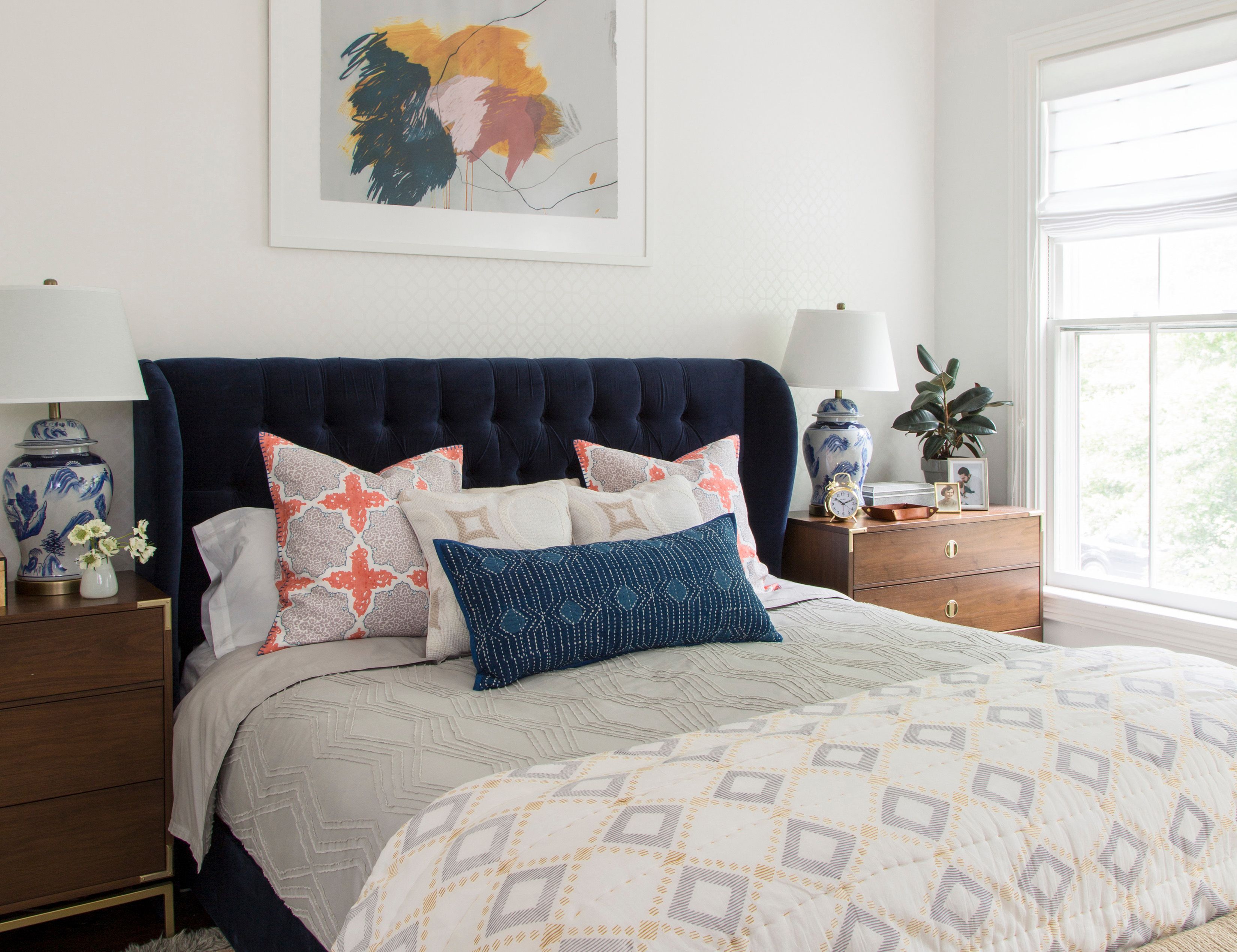
The wall behind the bed is usually the bedroom’s focal point. In a small room, make it count. Try a painted accent wall, peel-and-stick wallpaper, wood paneling, a large artwork piece, or a simple upholstered headboard.
Keeping the focal point concentrated behind the bed helps the room feel intentional. It also means you can add style without scattering decor everywhere.
17. Keep Bedding Simple but Layered
Bedding has a huge visual impact in a small bedroom. Choose comfortable layers, but avoid too many pillows and blankets. A fitted sheet, duvet or quilt, two sleeping pillows, and one or two decorative pillows are usually enough.
Texture can do more than clutter. Linen, cotton, waffle weaves, knit throws, and quilted details add depth without making the bed look like it is wearing every outfit in the closet.
18. Add a Small Bench or Ottoman With Storage
If there is room at the foot of the bed, a narrow storage bench can be incredibly useful. It gives you a place to sit, put on shoes, fold laundry, or store extra bedding. In a very small bedroom, choose an ottoman that can tuck into a corner or slide under a desk.
The best piece is one that solves a daily problem. If it only collects clothes, congratulationsyou have purchased a horizontal laundry invitation.
19. Make a Tiny Work Zone Disappear
Many small bedrooms also function as offices, homework zones, or creative corners. If that is your reality, choose a compact desk with drawers, a wall-mounted desk, or a folding table. Keep cords managed and store papers out of sight at night.
A bedroom should support rest. When the laptop is the first thing you see in the morning and the last thing you see at night, your brain may start charging rent.
20. Edit Decor With Purpose
Small bedrooms can absolutely have personality. The secret is editing. Choose fewer pieces with more impact: one great lamp, one meaningful artwork, one beautiful plant, one sculptural mirror, or one patterned pillow.
Too many tiny accessories can make surfaces feel crowded. Group small items on trays, use baskets for loose objects, and leave some empty space. Empty space is not boring; it is visual breathing room.
21. Build a Routine That Keeps the Room Clear
No design idea can save a small bedroom from daily clutter forever. The most effective small bedroom idea is a simple maintenance routine. Make the bed, clear the floor, reset the nightstand, and put laundry where it belongs.
Five minutes a day can keep a small room from becoming a fabric-covered obstacle course. Good design gets you started, but habits keep the room livable.
Small Bedroom Layout Tips That Make a Big Difference
Measure Before You Move Anything
A small bedroom punishes guesswork. Measure the walls, door swing, window placement, closet clearance, and existing furniture. Sketch a quick layout before dragging furniture around. Your back will thank you, and so will the walls.
Protect Walkways
Clear walkways make a small bedroom feel easier to live in. Try to keep the main path from the door to the bed and closet as open as possible. If you must place the bed against one wall, balance the layout with wall-mounted storage and good lighting.
Think in Zones
Even tiny bedrooms benefit from zones: sleeping, dressing, storage, and possibly working. Define each zone with furniture placement, lighting, or rugs. This prevents the whole room from feeling like one crowded pile of “stuff.”
Common Small Bedroom Mistakes to Avoid
Buying Furniture That Is Too Deep
Depth matters more than people realize. A dresser that is only a few inches too deep can block a walkway. Look for slim furniture that fits the room’s actual proportions.
Using Only Overhead Lighting
One harsh ceiling light can make a small bedroom feel flat and uninviting. Add bedside lighting, wall sconces, or soft accent lighting to create warmth and depth.
Keeping Too Much “Maybe Someday” Stuff
Small rooms require honest editing. If you do not use it, love it, or need it, it probably does not deserve prime bedroom space. The room should support sleep and daily life, not serve as a museum of questionable purchases.
Real-Life Experience: What Actually Works in a Small Bedroom
After seeing many small bedrooms struggle with the same problems, one lesson becomes obvious: the issue is rarely the room alone. It is usually the combination of oversized furniture, weak storage, poor lighting, and too many things without a home. A small bedroom can look beautiful in photos, but real life includes laundry, chargers, water bottles, backpacks, skin-care products, books, receipts, and that one hoodie that somehow lives on the chair full-time.
The first experience worth sharing is that under-bed storage changes everything, but only when it is organized. Sliding random items under the bed creates a hidden chaos sandwich. Use labeled bins, fabric drawers, or divided storage bags. Store categories together: winter clothing in one bin, extra bedding in another, shoes in a third. When the system is clear, you will actually use it. When it is not, you will buy more socks because the old ones have entered the under-bed wilderness.
The second practical lesson is that lighting can make a small bedroom feel twice as pleasant without adding square footage. A room with one overhead bulb often feels smaller because the corners stay dark. Add a bedside sconce, a small lamp on a dresser, or LED lighting under a shelf. Warm light gives the room softness, while task lighting makes reading and getting ready easier. Good lighting is like a polite friend: it makes everything look better without demanding attention.
The third lesson is to stop treating the nightstand like a junk drawer with legs. In a small bedroom, the bedside area becomes a magnet for clutter. A floating nightstand with one drawer, a small tray, and a wall sconce can solve most of the problem. Keep only what you use at night: a book, glasses, lip balm, phone charger, and maybe a glass of water. Everything else should move elsewhere. Your sleep space should not look like a convenience store checkout counter.
The fourth experience is about color. Light colors can help a small bedroom feel airy, but personality matters too. A soft white room with no texture can feel cold, while a deep green or navy room with layered lighting can feel cozy and intentional. The real trick is consistency. When the bedding, curtains, rug, and accessories relate to one another, the room feels calmer. When every item screams in a different accent, the room feels smaller because the eye has nowhere to rest.
The fifth and most important lesson is that a small bedroom needs routines more than perfection. No storage basket, wall shelf, or designer-approved layout will help if clothes stay on the floor for a week. A simple nightly reset works better than a dramatic monthly cleaning marathon. Put laundry in the hamper, clear the nightstand, return shoes to their spot, and straighten the bed. It takes only a few minutes, but it protects the room from becoming a tiny kingdom of clutter. Small bedrooms reward consistency. Treat the space kindly, and it will feel bigger, calmer, and much easier to love.
Conclusion
The best small bedroom ideas are not about forcing a tiny room to pretend it is a grand suite. They are about making smart choices so the room supports real life. Choose furniture with storage, use vertical space, layer lighting, keep the palette cohesive, and edit decor with purpose. A small bedroom can be stylish, comfortable, and highly functional when every inch is planned well.
Think of your small bedroom as a design challenge with a very satisfying reward. Once the layout works, the storage is easy, and the room feels calm, you may stop apologizing for the size altogether. In fact, you might start calling it “cozy” and actually mean it.