A red brick fireplace has personality. It says, “I have been here since the harvest gold appliance era, and I am not leaving quietly.” In the right room, red brick feels warm, historic, and charming. In the wrong room, it can make the entire space look darker, heavier, and slightly like a basement rec room that still has a VHS cabinet hiding in the corner.
That is why painting a red brick fireplace white has become one of the most popular fireplace makeover ideas for homeowners who want a brighter, cleaner, more modern living room without ripping out masonry, hiring a demolition crew, or explaining to their budget why it suddenly needs therapy. A white painted brick fireplace can soften the room, highlight the mantel, make furniture feel more intentional, and turn an old focal point into something fresh and timeless.
But before grabbing a roller and attacking the brick like it personally insulted your decor, there are a few important things to know. Brick is porous. Soot is stubborn. Mortar lines are sneaky little paint traps. And once brick is painted, going back to bare red brick is difficult, messy, and rarely as simple as the internet makes it sound. This guide walks through why we painted our red brick fireplace white, what materials work best, how to prep the surface, what mistakes to avoid, and what the finished result is really like to live with.
Why Paint a Red Brick Fireplace White?
The biggest reason to paint a red brick fireplace white is visual impact. Fireplaces naturally command attention, and when the brick color clashes with the rest of the room, the entire design can feel off-balance. Red brick often has orange, brown, burgundy, gray, and black tones all mixed together. That variation can be beautiful, but it can also compete with modern flooring, neutral walls, light furniture, or a minimalist color palette.
White paint creates a clean backdrop. It reflects more light, makes the fireplace feel less bulky, and helps the texture of the brick stand out without the strong color taking over. In a small living room, painting the fireplace white can make the wall look larger and the space feel airier. In a traditional home, it can bring a classic cottage or farmhouse feel. In a modern home, it can create a crisp architectural feature that works with black accents, wood tones, brass decor, or soft neutrals.
Another reason is cost. Replacing a brick fireplace surround can be expensive and invasive. Painting, by comparison, is usually a weekend-friendly DIY project when the brick is in good condition. The price of primer, paint, brushes, rollers, tape, drop cloths, and cleaning supplies is much lower than a full remodel. It is one of those rare home projects where the before-and-after difference can look dramatic without requiring a second mortgage or a mysterious “project contingency fund.”
Should You Paint Brick or Whitewash It?
Before choosing solid white paint, it helps to understand the difference between painting and whitewashing. Painting creates an opaque finish that fully covers the red brick color. If you want a clean, bright, uniform fireplace, painting is the better choice. It gives the fireplace a more finished look and can make old brick feel intentional rather than outdated.
Whitewashing is more translucent. It usually involves diluted paint or a specialty limewash-style finish that allows some of the original brick color to show through. This option works well if you want a softer, aged, rustic, or European-inspired look. It keeps more of the brick’s natural variation visible, which can be charming if your brick has character you still enjoy.
For our fireplace, the goal was not “lightly refreshed red brick.” The goal was “please stop making the room feel like a 1970s ski lodge.” Solid white paint was the right choice because we wanted a brighter focal point that matched the trim, walls, and overall style of the room.
What to Know Before Painting a Brick Fireplace
Painting Brick Is Usually Permanent
Technically, paint can be removed from brick. Practically, it is a labor-heavy process involving chemical strippers, scrubbing, scraping, possible media blasting, and a strong commitment to regret management. Brick is porous, so paint sinks into the surface instead of simply sitting on top. If you are unsure whether you want white brick long-term, test the look first with samples, temporary digital mockups, or inspiration photos from rooms that closely match your own.
The Brick Must Be in Good Condition
Paint is not a miracle cream for masonry. If the brick is crumbling, spalling, damp, moldy, or badly cracked, those issues should be repaired before painting. Loose mortar should be fixed, damaged bricks should be addressed, and moisture problems should be solved first. Painting over failing brick only gives the problem a white outfit. It does not make the problem behave.
Do Not Use Regular Paint Inside the Firebox
The brick surround and the inside of the firebox are not the same. The outer brick surround can typically be painted with a quality primer and interior acrylic latex or masonry paint. The firebox, however, is exposed to high heat and possibly open flame. Ordinary wall paint should not be used there. If the firebox needs a refresh, use a product specifically labeled for high-heat fireplace use, and follow the manufacturer’s instructions carefully. For a working wood-burning fireplace, it is smart to ask a chimney professional before painting any area exposed to flame.
Homes Built Before 1978 Need Extra Caution
If your home was built before 1978, assume lead paint may be present somewhere until proven otherwise. Even if the brick itself is not painted, nearby trim, mantel surfaces, walls, or old coatings could contain lead. Sanding, scraping, or disturbing old paint can create hazardous dust. Use lead-safe practices, consider testing, and hire a certified professional when needed. A pretty fireplace is not worth turning your living room into a science experiment nobody asked for.
Best Paint Colors for a White Brick Fireplace
“White” sounds simple until you stand in front of a paint wall and realize there are approximately 400 whites, all with names like Cloud Whisper, Snow Alpaca, and Slightly Nervous Linen. For a red brick fireplace, the best white depends on the room’s lighting and surrounding finishes.
A warm white works beautifully with wood floors, beige walls, cream furniture, brass accents, and cozy traditional decor. It prevents the fireplace from looking too stark. A soft off-white can also help disguise soot and dust better than a bright gallery white. A crisp white is better for modern rooms with black hardware, cool gray walls, clean-lined furniture, and high-contrast styling.
Before committing, paint sample boards or test a small hidden area. Look at the color in morning light, afternoon light, and evening lamp light. Brick texture creates shadows, so a white that looks perfect on flat drywall may look slightly darker or creamier on masonry.
Tools and Materials You Will Need
For a smooth project, gather everything before you start. You will need drop cloths, painter’s tape, a stiff-bristle brush, a vacuum, cleaning rags, a bucket, mild dish soap or a degreasing cleaner, protective gloves, eye protection, and a mask if using stronger cleaners. For painting, use a high-quality masonry or stain-blocking primer, interior acrylic latex paint or masonry paint, an angled brush, a stiff paintbrush for mortar lines, a thick-nap roller, a roller tray, and a small detail brush for stubborn crevices.
Brick is textured, so a thin roller made for smooth walls will not do the job well. A thicker nap roller helps push primer and paint into the uneven surface. Even then, a brush is essential for the mortar joints and small holes. If your brick is especially rough, expect hand-brushing to take longer than rolling.
How to Paint a Red Brick Fireplace White
Step 1: Protect the Room
Move furniture away from the fireplace and cover the floor with drop cloths. Use painter’s tape along the wall edges, mantel, hearth, trim, and anywhere else you want a clean line. Brick painting can splatter because the surface is rough. Protect more area than you think you need. Future you will be grateful, and future you deserves nice things.
Step 2: Clean the Brick Thoroughly
This is the least glamorous step and the most important. Brick fireplaces collect dust, ash, soot, pet hair, candle residue, and mystery grime from years of “we’ll clean that later.” Paint will not bond well to dirt or oily soot.
Start by vacuuming the brick and mortar lines with a brush attachment. Then scrub the surface with warm water and mild dish soap or a suitable degreaser. For heavy soot, a stronger cleaner may be needed, but always follow label directions and rinse thoroughly. Let the brick dry completely before priming. Because brick absorbs moisture, drying can take longer than expected. Waiting at least 24 hours is a smart move, especially if the fireplace was heavily scrubbed.
Step 3: Repair Cracks and Gaps
Inspect the brick and mortar after cleaning. Small gaps around trim can often be caulked later, but cracked or missing mortar should be repaired with the appropriate masonry product before painting. If the fireplace has structural damage, consult a professional. Paint can make old brick prettier, but it cannot make damaged masonry structurally sound.
Step 4: Prime the Brick
Primer is not optional. Brick is porous, and red brick can bleed color through thin paint. A good primer helps seal the surface, improves adhesion, blocks stains, and reduces the number of paint coats needed. Use a masonry primer, bonding primer, or stain-blocking primer recommended for brick.
Begin with the mortar lines. Use a stiff brush to work primer into the joints, corners, and textured areas. Then use a thick-nap roller on the brick faces. Work in small sections and check from different angles to catch missed spots. White primer on red brick can look patchy at first; that is normal. The goal is coverage and adhesion, not perfection on the first pass.
Step 5: Paint the Fireplace White
Once the primer is fully dry, apply the first coat of paint. Use the same method: brush the mortar lines and edges first, then roll the larger brick faces. Keep the coat even and avoid overloading the roller, which can cause drips in the mortar joints.
Most red brick fireplaces need two coats of white paint after primer. Very dark brick, rough brick, or highly absorbent brick may need a third coat or touch-ups. Allow proper drying time between coats according to the paint label. Rushing this step can lead to tacky spots, uneven sheen, or paint that scratches more easily.
Step 6: Remove Tape and Touch Up
Remove painter’s tape carefully before the paint becomes too hard. If needed, use a utility knife to score the edge lightly so the tape does not pull up the finish. After the paint dries, inspect the fireplace in natural and artificial light. Brick has shadows, holes, and ridges, so a few touch-ups are normal. A small artist brush is perfect for filling tiny red dots that suddenly appear after you thought you were done. They are sneaky like that.
Best Finish for a White Painted Brick Fireplace
Flat paint hides imperfections but is harder to clean. Semi-gloss is easier to wipe down but can emphasize texture and look shinier than expected. For many fireplaces, satin or eggshell is the sweet spot. These finishes offer a soft look with better cleanability than flat paint. If your fireplace gets frequent use or sits in a busy family room, choose a finish that can handle gentle cleaning.
Keep in mind that soot shows more on white surfaces. If the fireplace is wood-burning, good ventilation, regular chimney maintenance, and careful fire-building habits can help reduce staining. For gas fireplaces, make sure the unit is functioning properly and not producing excessive soot.
Common Mistakes to Avoid
Skipping the Cleaning
Paint over soot and you may get peeling, stains, or a finish that looks dirty from day one. Cleaning is not the “bonus step.” It is the foundation of the entire project.
Using the Wrong Paint
Regular interior wall paint may work on some outer fireplace surrounds when paired with the right primer, but masonry paint or high-quality acrylic latex paint is usually a safer choice for porous brick. For areas exposed to high heat, use only products designed for that purpose.
Painting Damp Brick
Moisture trapped under paint can cause adhesion problems, bubbling, efflorescence, or peeling. Let the brick dry fully after cleaning and do not paint if the fireplace has an ongoing moisture issue.
Choosing a White That Is Too Harsh
A bright, cool white can look beautiful in the right room, but it may feel cold against warm floors or beige walls. When in doubt, test warm whites and soft whites before choosing a final color.
How to Style a White Painted Brick Fireplace
Once the fireplace is white, styling becomes easier. Natural wood mantels look especially good against white brick because the contrast adds warmth. Black fireplace tools, iron candle holders, or a black-framed mirror can create a classic modern look. For softer spaces, try woven baskets, ceramic vases, framed art, greenery, and textured throws nearby.
The key is balance. White brick has texture, so it does not need a lot of visual clutter. A few well-chosen pieces on the mantel can make the fireplace feel finished without turning it into a seasonal storage shelf. Unless it is December, in which case all rules are suspended and greenery may legally take over the house.
How to Maintain a White Brick Fireplace
White brick is not difficult to maintain, but it does need occasional attention. Dust it regularly with a soft brush or vacuum attachment. For light marks, use a damp cloth with mild soap. For soot, start gently and test any cleaner in a hidden area first. Avoid abrasive scrubbing pads that can dull or damage the finish.
Keep leftover paint in a labeled container for touch-ups. Because brick has so many edges and grooves, small chips can happen over time, especially on the hearth or lower bricks. A quick touch-up once or twice a year can keep the fireplace looking fresh.
Our Experience Painting a Red Brick Fireplace White
The biggest surprise in painting our red brick fireplace white was not the painting itself. It was the prep. In my optimistic imagination, this project involved one cheerful afternoon, a cup of coffee, a roller, and a dramatic reveal before dinner. In reality, the fireplace needed a serious cleaning first. The brick looked “not that dirty” until the first scrub brush hit the surface. Then the water turned gray, the rags gave up emotionally, and the soot announced that it had been living rent-free in every mortar line for years.
Cleaning took patience, but it made a huge difference. After vacuuming, scrubbing, rinsing, and letting the brick dry, the surface already looked better. We waited until the brick was fully dry before priming because rushing porous brick is like putting socks on wet feet. Technically possible, but nobody enjoys the result.
Priming was the slowest painting step. The roller covered the brick faces quickly, but the mortar lines needed a brush. Every time we thought a section was finished, we looked from the side and found little red shadows hiding in the grooves. A stiff brush helped push primer into the texture, especially where the mortar was recessed. The first coat looked uneven and slightly terrifying, which is normal. Red brick under white primer has a way of making you question every decision you have ever made. By the second coat of paint, the transformation finally started to make sense.
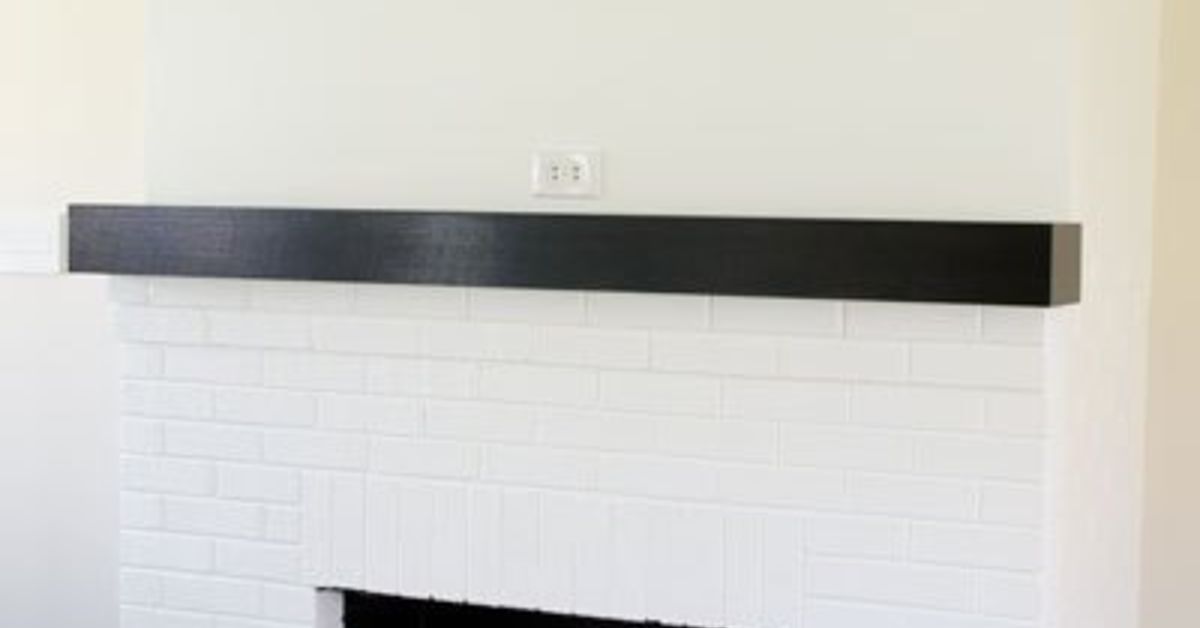
We chose a soft white rather than a bright white. That decision made the fireplace feel fresh without looking sterile. The room immediately felt larger and lighter. Furniture that had looked heavy before suddenly seemed more intentional. The mantel stood out more, the wall color looked cleaner, and the fireplace became a calm focal point instead of a giant red-orange announcement.
The best practical tip from our experience is to use both a roller and multiple brushes. A roller alone will not reach every groove. A large brush helps with mortar lines, an angled brush helps with edges, and a small detail brush saves your sanity during touch-ups. Also, keep a damp rag nearby for drips. Brick texture can hide drips until they dry into tiny paint stalactites, and nobody wants a fireplace that looks like it is growing cave formations.
Another lesson: lighting matters. We checked the fireplace during the day and thought it looked perfect. That evening, with lamps on, several missed spots appeared along the lower mortar lines. Doing a final inspection under different lighting helped us catch those areas before moving furniture back.
Living with the white fireplace has been worth it. The room feels brighter, photos look better, and seasonal decor is easier to style. Greenery pops against the white brick in winter, wood tones warm it up in fall, and simple artwork looks cleaner year-round. Maintenance has been manageable. Dust shows a bit, and soot would definitely be more noticeable than it was on red brick, but gentle cleaning and occasional touch-ups keep it looking good.
Would we paint our red brick fireplace white again? Absolutely. But we would start earlier in the day, buy more rags, and respect the mortar lines from the beginning. They are tiny, but they are mighty.
Final Thoughts: Is Painting a Red Brick Fireplace White Worth It?
Painting a red brick fireplace white is worth it when the brick is in good condition, the color no longer suits the room, and you want a brighter, cleaner focal point. It is a high-impact DIY project that can modernize a living space without major construction. The key is preparation: clean thoroughly, let the brick dry, use the right primer, choose a durable paint, and avoid painting heat-exposed areas with ordinary products.
A white painted brick fireplace can look classic, cozy, modern, farmhouse-inspired, or minimalist depending on how you style it. It gives old brick a second life and makes the room feel refreshed without erasing the texture that makes brick special. Just remember: take your time, test your white paint color, and do not underestimate the power of a good brush. The roller may get the glory, but the brush does the heroic little detail work.