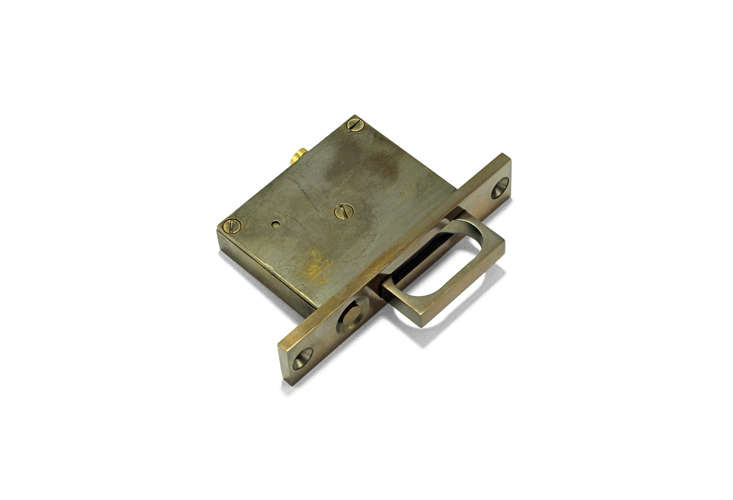
Some pieces of hardware shout for attention. Others quietly do their job, look handsome, and make your door behave like it attended finishing school. The Whitechapel Sprung Edge Pull belongs firmly in the second group. It is the kind of small architectural detail that most guests will not immediately notice, yet they will absolutely feel the difference when a pocket door slides smoothly out of the wall instead of making them pinch, poke, or perform a tiny household wrestling match.
Designed for pocket doors and sliding doors, a sprung edge pull is installed on the leading edge of the door. When the door disappears into the wall pocket, the pull gives you a discreet way to bring it back out. Whitechapel’s version is especially appealing because it combines old-world material honesty with practical modern convenience. In plain English: it is solid brass, low-profile, spring-assisted, and elegant enough for homes where the hinges probably have better manners than most people at brunch.
This guide explains what the Whitechapel Sprung Edge Pull is, where it works best, how to choose the right finish, what to know before installation, and why this small piece of pocket door hardware can make a surprisingly big difference in a room’s comfort and character.
What Is a Whitechapel Sprung Edge Pull?
The Whitechapel Sprung Edge Pull is a flush-style door pull made for the narrow edge of a pocket or sliding door. Unlike a face-mounted handle, it does not sit on the broad front surface of the door. Instead, it is mortised into the edge, keeping the door visually clean and allowing the slab to slide neatly into its wall pocket.
The word “sprung” refers to the spring-assisted action. On Whitechapel’s push-button model, the pull releases when pressed, giving your fingers a small handle to draw the door out. After use, the handle returns flush with a gentle push. That simple movement is the whole magic trick: there when you need it, gone when you do not.
Whitechapel offers sprung edge pulls that appeal to homeowners, designers, architects, cabinetmakers, and restoration-minded builders who care about the feel of real materials. The 76MF1 model, for example, is described as machined entirely from solid brass, with a narrow face and deep mortise body. Another version, the 76FR9, is an English solid brass edge pull with a lightly sprung handle that returns flush. In both cases, the design goal is the same: create a practical gripping point without cluttering the door face.
Why Pocket Doors Need Good Edge Pulls
Pocket doors are brilliant space savers. They slide into the wall instead of swinging into the room, which makes them useful for bathrooms, closets, pantries, laundry rooms, offices, powder rooms, and tight hallways. They are also a favorite in older homes, renovated bungalows, compact apartments, and new builds where every square foot is expected to pull its weight.
But pocket doors have one little personality flaw: when fully open, they can hide almost completely inside the wall. That looks sleek, but it also leaves you with very little to grab. Without an edge pull, retrieving the door can involve fingernails, muttering, and a level of concentration that should not be required before coffee.
A pocket door edge pull solves that problem. It gives you a small, built-in handle on the door’s leading edge, so you can pull the slab out smoothly. Compared with bulky handles or protruding knobs, it keeps the design clean. Compared with no pull at all, it is a tiny act of mercy for your fingertips.
Design Appeal: Small Hardware, Big Impact
The Whitechapel Sprung Edge Pull is not flashy in the way a dramatic chandelier is flashy. It is more like a well-tailored jacket: refined, functional, and quietly impressive. Because it sits flush when closed, it works beautifully in interiors where the door should blend into the architecture rather than steal the scene.
Traditional Homes
In traditional homes, solid brass hardware feels natural. It pairs well with paneled doors, classic trim, plaster walls, antique furniture, and warm wood floors. A Whitechapel edge pull can look especially appropriate in historic renovations because it has the weight and character of older hardware rather than the thin, shiny feel of budget fittings.
Modern Interiors
Modern spaces also benefit from a sprung edge pull. Minimalist interiors depend on clean lines, and hardware that disappears into the door edge supports that look. Instead of interrupting a flat painted slab or flush wood veneer, the pull stays discreet until needed.
Transitional Rooms
For transitional design, where classic and modern elements meet, this type of hardware is a sweet spot. It offers the tactile quality of traditional brass but the restrained profile of contemporary design. In other words, it can shake hands with both a marble vanity and a matte black faucet without causing family drama.
Material Matters: Why Solid Brass Is a Big Deal
Solid brass is one of the main reasons the Whitechapel Sprung Edge Pull stands apart from ordinary pocket door hardware. Brass has long been used in architectural fittings because it is strong, workable, corrosion-resistant in typical indoor conditions, and visually warm. It also has a satisfying weight that thin plated hardware rarely matches.
When a pull is machined from solid brass, the material is not just a decorative surface. The body itself is brass. That matters for durability, touch, and aging. Depending on the finish, brass can remain polished and bright, mellow into a softer tone, or develop a living patina that gives the hardware more character over time.
For a door edge pull, durability is not a luxury feature. The hardware is pressed, pulled, pushed back, brushed by hands, and occasionally bumped by life. A cheaper pull may work at first, but the difference often appears after repeated use. Solid brass has a way of making daily interaction feel intentional rather than disposable.
How the Sprung Mechanism Improves Everyday Use
The spring-assisted action is the detail that makes this hardware more convenient than a plain recessed notch. With a sprung edge pull, the handle can be released when needed and returned to a flush position afterward. This protects the clean appearance of the door and reduces the chance of snagging clothing or catching the edge when the door slides.
Think of it like a tiny drawbridge for your fingers. Press, pull, close, tuck it away. No drama. No visible handle sticking out like it is waving for attention. The door remains sleek, but the function is ready when called upon.
This is especially valuable in narrow passages and small rooms. A pocket door is often chosen because space is limited. Adding bulky hardware defeats part of the purpose. A sprung edge pull keeps the door functional without reintroducing the very obstruction the pocket door was meant to eliminate.
Where to Use a Whitechapel Sprung Edge Pull
The most obvious place for this hardware is a pocket door, but the best applications are worth thinking through. The Whitechapel Sprung Edge Pull works best when the door slides fully or nearly fully into a pocket and needs a clean edge-mounted grip.
Bathrooms and Powder Rooms
Small bathrooms often rely on pocket doors because a swinging door can collide with vanities, toilets, towel bars, or human dignity. A sprung edge pull helps retrieve the door from the wall while keeping the face of the door uncluttered. For privacy doors, it may be paired with a separate locking pocket door set, depending on the project.
Closets and Wardrobes
Closets are a natural fit. A pocket or sliding closet door with a clean edge pull creates a built-in look and avoids protruding knobs in tight bedrooms or dressing areas. This is especially helpful where furniture placement is close to the door opening.
Pantries and Laundry Rooms
In kitchens and utility spaces, pocket doors often hide hardworking rooms. A brass edge pull can add a refined touch to an otherwise practical area. Even the pantry deserves a little jewelry. After all, it guards the snacks.
Home Offices
For home offices, a pocket door with a Whitechapel Sprung Edge Pull can create separation without visual clutter. It is useful when the office door is open most of the day but needs to close for calls, concentration, or hiding from the household chaos for ten glorious minutes.
Finish Choices and Style Matching
Finish selection is where hardware becomes design language. A Whitechapel Sprung Edge Pull in antique brass can feel historic and warm. A brighter brass finish may lean traditional or decorative. Darker tones can look refined, moody, and architectural. The right choice depends on the surrounding hinges, door hardware, cabinet pulls, lighting, plumbing fixtures, and the overall mood of the room.
A good rule is to coordinate rather than obsessively match. Hardware does not need to be identical across every surface, but it should look intentional. If your room already has unlacquered brass cabinet knobs, aged brass lighting, or warm bronze accents, a brass edge pull will usually feel right at home. If your space is dominated by chrome or stainless steel, consider whether brass will serve as a warm accent or feel like it wandered in from another room without a map.
For older homes, antique brass and aged brass finishes tend to look less “newly installed” and more naturally integrated. For modern homes, a cleaner brass or darker finish may create the best balance. In any case, always check the actual finish sample or product photo carefully, because brass finishes can vary dramatically from one manufacturer to another.
Installation Considerations Before You Buy
A sprung edge pull is not usually installed by simply driving in two screws and calling it a day. Most edge pulls require a mortise or recess cut into the leading edge of the door. That means precision matters. The pull needs to sit flush, align correctly, and avoid interfering with the pocket frame, jamb, or door movement.
Before purchasing, confirm the door thickness, mortise depth, face dimensions, and available clearance inside the pocket. The Whitechapel 76MF1 has a notably deep body, so the door and pocket construction must be compatible. This is not the moment for optimistic guessing. Doors are like cats: they rarely cooperate when you assume too much.
Many installers place door pulls around standard handle height, often near 36 inches from the floor, but the exact placement should match the home’s other hardware and the user’s comfort. If multiple pocket doors are being installed, a simple template can help keep placement consistent from door to door.
Tools Commonly Used
Depending on the pull and door, installation may involve a tape measure, pencil, square, drill, router, chisel, screwdriver, and a carefully made template. A clean mortise is the difference between hardware that looks custom and hardware that looks like it was installed during a mild argument.
DIY or Professional Installation?
Experienced DIYers may be able to install an edge pull successfully, especially on a removable door slab. However, if the door is expensive, painted to perfection, veneered, historic, or already installed in a fussy pocket frame, hiring a skilled carpenter can be money well spent. One bad cut in the edge of a door is not charming. It is just a small rectangular regret.
Whitechapel Sprung Edge Pull vs. Standard Edge Pull
A standard pocket door edge pull may provide a simple flip-out tab or recessed grip. It can be perfectly adequate for many projects. The Whitechapel Sprung Edge Pull is more specialized because of its solid brass construction, refined mechanism, and historically minded design approach.
If you are outfitting a basic utility closet, a simpler pull may be enough. But if the door is part of a visible, carefully designed room, Whitechapel’s hardware offers a more elevated result. The difference is similar to choosing between a plain light switch and a beautifully made switch plate. Both function, but one contributes to the room’s overall sense of quality.
The Whitechapel pull is also a good candidate for restoration projects where authenticity matters. Its old-world character makes it suitable for interiors where modern stamped hardware would look out of place. At the same time, its flush operation keeps it practical for contemporary living.
Accessibility and Practical Limitations
As handsome as edge pulls are, they are not perfect for every user. Some people with limited hand strength, dexterity challenges, or accessibility needs may find small edge pulls harder to operate than larger handles or ADA-friendly sliding door hardware. Young children may also struggle with some edge-mounted pulls.
For this reason, consider who will use the door every day. In a guest powder room, an edge pull may be fine. In a primary bathroom used by someone with mobility or hand-strength concerns, a larger accessible handle may be the better choice. Good design is not just about how hardware looks in a photo. It is about whether real people can use it without developing a personal grudge against the door.
Care and Maintenance
Maintenance depends on the finish. Some brass finishes are lacquered to preserve their appearance, while others are intended to age naturally. A soft cloth is usually the safest first step for cleaning. Avoid harsh abrasives unless the manufacturer specifically recommends them, because aggressive cleaners can damage protective coatings or change the finish unevenly.
For a living finish, patina is part of the charm. The areas touched most often may brighten, while recessed areas darken. This natural variation is one reason many designers love brass. It records use in a subtle way, turning hardware into a small timeline of daily life.
The mechanism should also be treated gently. The handle is designed to return flush, not to be slammed like a game-show buzzer. If it begins sticking, check for paint buildup, debris, misalignment, or an overly tight mortise before assuming the hardware has failed.
Buying Tips for the Whitechapel Sprung Edge Pull
Before ordering, collect the details of your door and pocket system. Measure the door thickness. Check the depth available in the door edge. Confirm whether the door fully recesses into the wall. Decide whether you need only an edge pull or a full pocket door set with privacy locking hardware. Review finish compatibility with nearby hinges, pulls, knobs, and fixtures.
Also consider ordering hardware before the door is finished. This allows the carpenter or installer to cut the mortise accurately, test the fit, and avoid damaging a freshly painted or stained surface. If the door will be painted, discuss whether the mortise should be cut before final finishing for the cleanest result.
Finally, remember that premium architectural hardware can have lead times, finish variations, and occasional stock changes. Verify current price, availability, and specifications before making final project decisions. The internet is useful, but it is not a substitute for measuring twice and avoiding expensive surprises.
Experience Notes: Living With a Whitechapel Sprung Edge Pull
Using a Whitechapel Sprung Edge Pull in daily life is one of those small home experiences that feels better than it sounds on paper. At first, you may think, “It is just a little brass pull on the edge of a door.” Then you use it a few times, and suddenly every cheap, rattly pocket door pull you have ever touched feels like it owes you an apology.
The first thing people usually notice is the weight. Solid brass has presence. It does not feel flimsy or temporary. When you press the release and draw the door out, there is a mechanical confidence that makes the door feel more custom. The movement is small, but it changes your relationship with the door. Instead of fishing for the slab with your fingertips, you have a defined, deliberate point of contact.
In a narrow hallway, that matters. A pocket door often lives in a space where there is not enough room for swinging hardware, baskets, wall hooks, laundry hampers, or people who insist on standing exactly where the door needs to open. A flush edge pull keeps the passage clear. You can slide the door open, let it disappear, and still retrieve it without hunting for an edge like you are trying to open a secret bookcase in a mystery movie.
The second experience is visual. Once installed, the pull almost disappears when not in use. That is the beauty of it. The door face remains clean, whether painted white, stained walnut, or finished in a dramatic deep green. In rooms with detailed trim, paneled walls, or custom cabinetry, this restraint allows the surrounding craftsmanship to shine. The hardware contributes, but it does not interrupt.
There is also a satisfying ritual to the spring action. Press, pull, slide, return. The motion is tidy and intuitive after the first use. Guests may take a second to discover it, but once they do, they usually understand it immediately. In a powder room or pantry, that little discovery can even become a design moment. People enjoy hardware that feels clever without being complicated.
From a maintenance perspective, the best experience comes when the pull is installed cleanly. If the mortise is too tight, the mechanism may feel constrained. If the pull is slightly proud of the door edge, it can scrape or look unfinished. If the placement is awkward, users may bend or reach in a way that feels unnatural. But when the installation is right, the hardware feels like it was always part of the door.
One practical lesson is to coordinate the edge pull with the rest of the door hardware early. Pocket doors often require several decisions: track quality, door slab weight, face pulls, locks, edge pulls, jamb details, and trim clearances. Treating the edge pull as an afterthought can lead to mismatched finishes or difficult installation. Choosing it early helps the whole opening feel designed rather than assembled from leftover decisions.
The Whitechapel Sprung Edge Pull is not the cheapest option, and it does not need to be. Its value is in the combination of material, function, and character. It makes the most sense in spaces where details matter: a renovated historic home, a carefully designed powder room, a custom pantry, a primary suite, or any doorway where a small piece of hardware can quietly elevate the whole experience.
In the end, living with this pull confirms a simple truth about good hardware: you touch it more often than you think. When that touch feels solid, smooth, and intentional, the entire room feels better. Not louder. Not fancier for the sake of being fancy. Just better. And honestly, if a tiny brass mechanism can make a pocket door behave beautifully every day, it deserves a little applausepreferably the soft, tasteful kind that will not disturb the millwork.
Conclusion
The Whitechapel Sprung Edge Pull is a small detail with serious design value. It helps a pocket door function properly, preserves a clean door face, and adds the unmistakable feel of solid brass craftsmanship. For homeowners and designers who care about durability, authenticity, and subtle elegance, it is far more than a minor accessory.
Its best use is in thoughtful interiors where the door hardware should feel integrated, refined, and long-lasting. Whether installed in a powder room, pantry, closet, office, or historic renovation, this sprung edge pull brings together beauty and utility in a compact form. It is proof that great design is not always loud. Sometimes it is hiding neatly in the edge of a door, waiting for one gentle press.
Note: Always verify current specifications, finish availability, and mortise requirements before installation. A sprung edge pull is only as good as the fit, and pocket doors are not famous for forgiving measurement mistakes.