Blood pressure is one of those health numbers people hear about constantly, nod at politely, and then immediately forgetuntil a doctor wraps a cuff around their arm and suddenly everyone becomes a cardiovascular philosopher. But blood pressure is not just a random number that appears on a clinic screen. It is a real-time clue about how hard your heart is working and how much force your blood is placing on the walls of your arteries.
In simple terms, blood pressure is the pressure of circulating blood pushing against artery walls as the heart pumps. Every heartbeat sends blood through a branching highway of blood vessels, delivering oxygen and nutrients to the brain, muscles, kidneys, skin, and every other hardworking part of the body. When that pressure stays in a healthy range, the system runs smoothly. When it stays too high or drops too low, the body may start sending warning signsor, in the case of high blood pressure, it may stay suspiciously quiet.
Understanding blood pressure matters because it is closely linked to heart health, stroke risk, kidney function, circulation, and long-term wellness. The good news? Blood pressure is measurable, trackable, and often manageable with smart daily habits, medical care when needed, and a little less pretending that “just one more salty snack” is a balanced dinner.
Blood Pressure Meaning: The Simple Definition
Blood pressure measures the force of blood against the inside walls of the arteries. Arteries are the blood vessels that carry oxygen-rich blood away from the heart to the rest of the body. Each time the heart beats, it squeezes blood forward. Between beats, the heart relaxes and refills. This cycle creates two numbers in a blood pressure reading.
A typical reading looks like this: 120/80 mm Hg. The first number is called systolic blood pressure. The second number is called diastolic blood pressure. The “mm Hg” stands for millimeters of mercury, the traditional unit used to measure pressure. It sounds like something from a chemistry lab because, historically, it was.
Systolic Blood Pressure: The Top Number
Systolic blood pressure is the pressure in your arteries when your heart beats and pushes blood out. Think of it as the “pump moment.” If your blood pressure is 120/80, the systolic pressure is 120. This number often gets more attention as people age because arteries may become stiffer over time, making systolic pressure rise.
Diastolic Blood Pressure: The Bottom Number
Diastolic blood pressure is the pressure in your arteries when your heart rests between beats. If your reading is 120/80, the diastolic pressure is 80. This number shows how much pressure remains in the arteries while the heart is taking its tiny recovery break. Even your heart needs a breather; it is not a machine, although it does a better job than most office printers.
What Is a Normal Blood Pressure Reading?
For most adults in the United States, normal blood pressure is generally considered less than 120/80 mm Hg. This means the systolic number is below 120 and the diastolic number is below 80. A single reading slightly above or below this range does not automatically mean something is wrong. Blood pressure changes throughout the day depending on movement, stress, sleep, caffeine, medications, hydration, pain, and even whether you sprinted into the appointment because parking was a dramatic adventure.
Doctors usually look at patterns rather than one isolated number. A diagnosis of high blood pressure is typically based on repeated readings, often taken on separate occasions or confirmed with home monitoring. This is important because blood pressure can rise temporarily in a medical office, a situation often called “white coat hypertension.” Yes, your arteries may apparently have stage fright.
Blood Pressure Categories in Adults
Blood pressure categories help explain whether your numbers are in a healthy range or moving toward hypertension. While individual care should always be personalized by a healthcare professional, common U.S. adult categories include:
- Normal: Less than 120 systolic and less than 80 diastolic
- Elevated: 120–129 systolic and less than 80 diastolic
- Stage 1 hypertension: 130–139 systolic or 80–89 diastolic
- Stage 2 hypertension: 140 or higher systolic or 90 or higher diastolic
- Hypertensive crisis: Higher than 180 systolic and/or higher than 120 diastolic, especially concerning with symptoms
If you ever get a very high reading, sit quietly and recheck it as directed by your healthcare provider. If a reading above 180/120 occurs with chest pain, shortness of breath, severe headache, weakness, vision changes, confusion, or other serious symptoms, seek emergency medical care right away.
Why Blood Pressure Matters So Much
Blood pressure is not just a “doctor visit number.” It affects the entire circulatory system. When blood pressure stays high over time, it can damage artery walls. Damaged arteries are more likely to become stiff, narrowed, or clogged. This can force the heart to work harder and may increase the risk of heart attack, stroke, heart failure, kidney disease, vision problems, and vascular disease.
High blood pressure is often called the “silent killer” because many people feel completely fine while their arteries are quietly dealing with extra force. It is the health equivalent of a smoke alarm with no sound, which is deeply rude but very real. That is why regular blood pressure checks are important, especially for adults with risk factors such as family history, diabetes, kidney disease, obesity, smoking, heavy alcohol use, high-sodium diet, low physical activity, or older age.
What Causes Blood Pressure to Rise?
Blood pressure can rise for many reasons. Some are temporary and harmless. Others are long-term patterns that need attention.
Everyday Temporary Causes
Blood pressure can temporarily increase after exercise, caffeine, nicotine, stress, pain, a full bladder, poor sleep, or rushing around. Even talking during a reading can raise the number. This is why proper measurement technique matters. Your blood pressure cuff is not interested in your weekend plans; silence is usually best during the reading.
Long-Term Risk Factors
Long-term high blood pressure, also called hypertension, may develop from a combination of genetics, aging, artery stiffness, lifestyle habits, and medical conditions. A diet high in sodium and low in potassium can contribute. So can physical inactivity, excess alcohol, tobacco or nicotine use, chronic stress, sleep apnea, kidney disease, diabetes, and certain medications.
Family history also matters. If close relatives have hypertension, your own risk may be higher. That does not mean high blood pressure is guaranteed, but it does mean knowing your numbers becomes even more useful.
Can Blood Pressure Be Too Low?
Yes. Low blood pressure, also called hypotension, can be perfectly normal for some people, especially if they feel well. A person who is active, hydrated, and symptom-free may naturally run lower than average. But low blood pressure can become a concern when it causes symptoms such as dizziness, fainting, blurry vision, fatigue, nausea, confusion, or weakness.
One common type is orthostatic hypotension, where blood pressure drops when a person stands up after sitting or lying down. This can happen with dehydration, certain medications, prolonged bed rest, nervous system conditions, or other health issues. If standing up makes the room spin like a low-budget carnival ride, it is worth discussing with a healthcare provider.
How Blood Pressure Is Measured
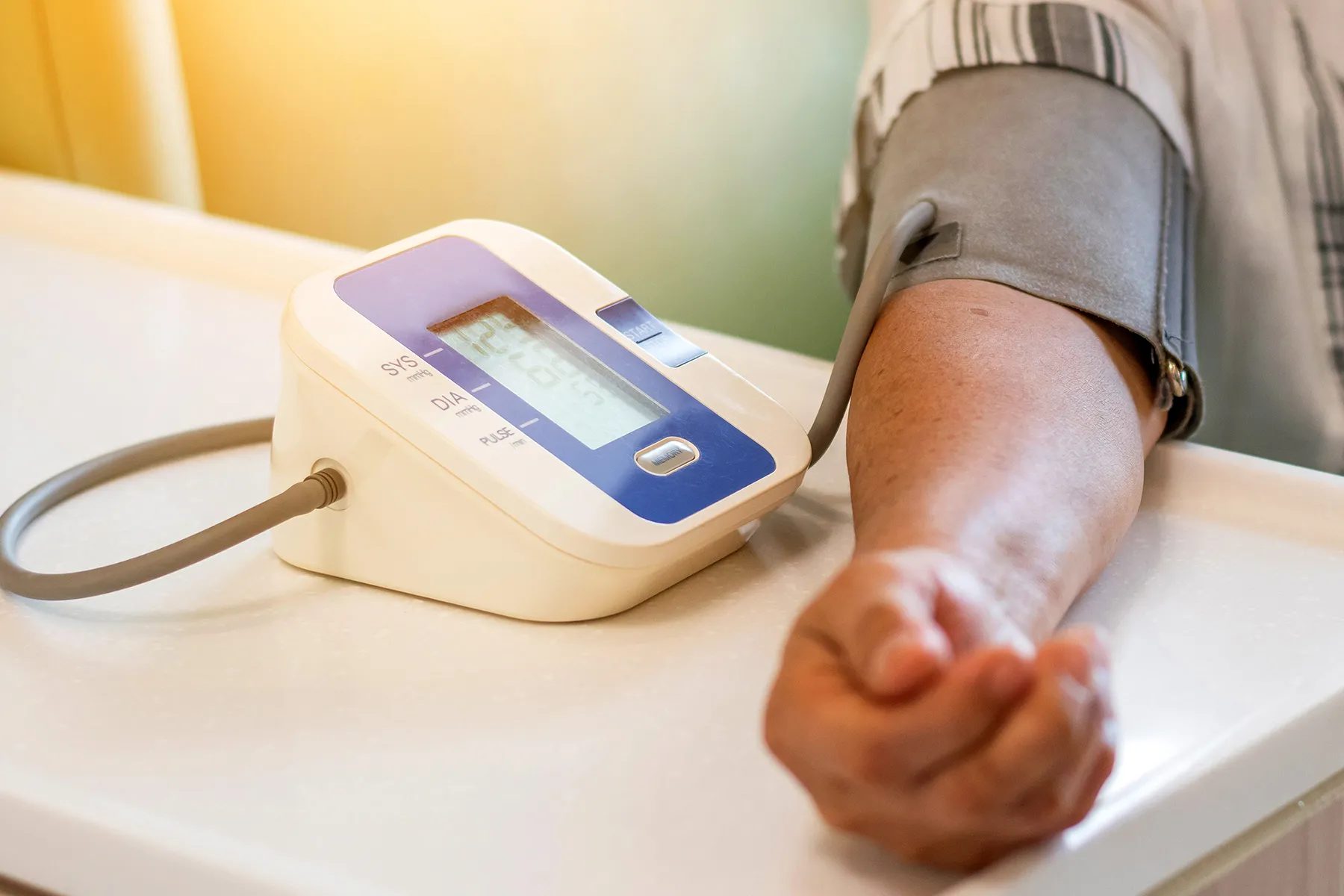
Blood pressure is usually measured with an inflatable cuff placed around the upper arm. The cuff tightens briefly to stop blood flow, then slowly releases while the device measures pressure. In clinics, this may be done with an automatic machine or manually with a stethoscope and gauge. At home, most people use automatic digital monitors.
For the most reliable reading, use a properly sized cuff on your bare upper arm, sit with your back supported, keep both feet flat on the floor, rest your arm at heart level, and stay quiet. Avoid caffeine, exercise, nicotine, and large meals for about 30 minutes beforehand when possible. Empty your bladder first, because yes, even your bladder can sabotage the numbers.
Tips for Accurate Home Blood Pressure Readings
- Use a validated upper-arm blood pressure monitor.
- Make sure the cuff fits your arm correctly.
- Sit quietly for five minutes before measuring.
- Keep your feet flat and legs uncrossed.
- Place your arm on a table at heart level.
- Take two readings one minute apart and record both.
- Measure at consistent times, such as morning and evening, if advised.
Home monitoring can help reveal patterns that a single office visit may miss. Some people have higher readings at the doctor’s office and lower readings at home. Others have normal office readings but higher readings during daily life. Sharing a log with your healthcare provider gives a clearer picture than one dramatic cuff squeeze every six months.
What Do Blood Pressure Numbers Feel Like?
Here is the tricky part: blood pressure numbers often do not “feel” like anything. Many people with high blood pressure have no obvious symptoms. They can work, exercise, run errands, argue with customer service, and feel completely normal. That is why checking blood pressure is so valuable.
Very high blood pressure may sometimes be associated with symptoms such as headache, shortness of breath, chest discomfort, nosebleeds, or vision changes, but symptoms are not a reliable way to detect hypertension. Waiting until you “feel” high blood pressure is like waiting until your car makes a terrifying noise before checking the oil.
Low blood pressure is more likely to cause noticeable symptoms when it reduces blood flow to the brain or organs. Dizziness, fainting, fatigue, and blurry vision are common clues. Still, symptoms should always be interpreted in context, because many conditions can cause similar feelings.
How to Support Healthy Blood Pressure
Healthy blood pressure is not built from one heroic salad or one guilt-powered treadmill session. It usually comes from repeated habits that support the heart and blood vessels over time. Small changes can add up, and thankfully, none of them require becoming a kale influencer.
Eat More Heart-Friendly Foods
A blood-pressure-friendly diet emphasizes vegetables, fruits, beans, lentils, whole grains, nuts, seeds, low-fat dairy when appropriate, fish, poultry, and healthy fats. The DASH eating plan, short for Dietary Approaches to Stop Hypertension, is one of the most studied eating patterns for lowering blood pressure. It focuses on foods rich in potassium, magnesium, calcium, fiber, and protein while limiting sodium, saturated fat, and added sugar.
Watch Sodium Without Losing Joy
Sodium can raise blood pressure in many people, especially when intake is consistently high. Most sodium in the typical American diet comes from packaged, processed, and restaurant foods rather than the salt shaker at home. Reading labels, choosing lower-sodium options, rinsing canned foods, and flavoring meals with herbs, spices, garlic, lemon, or vinegar can help. Your taste buds may complain briefly, but they are trainable little drama queens.
Move Your Body Regularly
Regular physical activity helps the heart pump more efficiently and supports healthier blood vessels. Brisk walking, cycling, swimming, dancing, strength training, and even active chores can contribute. The goal is consistency. You do not need to train like an Olympic athlete; you just need to move often enough that your couch stops recognizing you as permanent furniture.
Limit Alcohol and Avoid Nicotine
Too much alcohol can raise blood pressure. Nicotine can temporarily increase blood pressure and strain the cardiovascular system. Reducing alcohol and avoiding smoking, vaping, and other nicotine products are important steps for heart health.
Prioritize Sleep and Stress Management
Poor sleep and chronic stress can make blood pressure harder to control. Sleep apnea, in particular, is strongly linked with hypertension and should be evaluated if symptoms such as loud snoring, choking during sleep, or extreme daytime sleepiness occur. Stress management toolsdeep breathing, walking, therapy, meditation, social connection, hobbies, and realistic schedulingcan support overall cardiovascular health.
When Medication Is Needed
Lifestyle changes are powerful, but they are not always enough. Many people need blood pressure medication, and that is not a failure. It is healthcare, not a moral report card. Common blood pressure medicines help relax blood vessels, remove extra fluid, slow certain heart signals, or reduce hormone effects that raise pressure.
The right medication depends on the person’s age, health history, other conditions, side effects, and blood pressure pattern. Some people need one medicine; others need a combination. Never stop or change blood pressure medication without medical guidance, even if your readings improve. The medicine may be one reason the readings improved in the first placeclassic “don’t fire the umbrella because you are dry” situation.
Real-Life Experiences: What Blood Pressure Teaches People
For many people, blood pressure becomes meaningful only after a surprising reading. Imagine a busy parent in their 40s who feels healthy, drinks coffee like it is a personality trait, sleeps six hours on a good night, and eats takeout between work and family responsibilities. At a routine checkup, the blood pressure reading comes back at 138/86. No chest pain. No dizziness. No dramatic movie moment. Just a number that quietly says, “Hey, maybe let’s not ignore this.”
That experience is common. Blood pressure often gives people a chance to act before a crisis happens. The first step may be home monitoring for a week or two. Suddenly, patterns appear. The morning after poor sleep: higher. After a salty restaurant meal: higher. After a walk and a calmer evening: lower. The numbers become less mysterious and more like feedback from the body’s internal dashboard.
Another common experience involves “white coat” readings. A person may walk into the clinic feeling calm, then see the cuff and instantly become aware of every heartbeat. The reading is high. At home, measured correctly, the numbers are lower. This does not mean the office reading is fake; it means context matters. Healthcare providers may compare office and home readings to understand the real pattern.
Some people learn about blood pressure through family history. A father has a stroke. A grandmother takes three medications. An older sibling gets diagnosed with hypertension. Suddenly, “know your numbers” feels less like a slogan and more like practical self-defense. This can be motivating, but it can also create anxiety. The healthiest response is not panic; it is routine. Check blood pressure correctly, share results with a clinician, and build habits that support the heart.
There are also people who discover low blood pressure the hard way: standing up too quickly and feeling the room tilt. Maybe it happens after dehydration, illness, heat exposure, or a medication change. The lesson is different but equally important: blood pressure is about balance. Higher is not always better. Lower is not always healthier. The goal is enough pressure to deliver blood effectively without creating unnecessary strain.
One of the most useful personal lessons is that blood pressure responds to ordinary choices. A week of better sleep may help. A daily walk may help. Cooking more meals at home may help. Reducing sodium may help. Taking medication consistently may help. None of these changes needs to be glamorous. In fact, the most effective health habits are often boring in the best possible way. They do not trend. They just work quietly in the background, like a good Wi-Fi router.
Blood pressure also teaches patience. Numbers can fluctuate from reading to reading. One high result does not define a person. One perfect result does not grant lifetime immunity from cardiovascular risk. The trend matters. The technique matters. The conversation with a healthcare provider matters. Over time, people often become more confident because they understand what the numbers mean and what actions influence them.
The biggest experience-related takeaway is this: blood pressure is not a judgment. It is information. It does not say you are “good” or “bad.” It says your circulatory system is operating under certain conditions. Once you know those conditions, you can respond with knowledge instead of guesswork. That is a much better plan than letting your arteries run the meeting unsupervised.
Conclusion: Blood Pressure Is a Small Number With Big Meaning
Blood pressure is the force of blood pushing against artery walls, shown as two numbers: systolic pressure over diastolic pressure. A normal adult reading is generally below 120/80 mm Hg, while consistently higher readings may suggest elevated blood pressure or hypertension. Because high blood pressure often causes no symptoms, regular checks are one of the simplest ways to protect long-term heart, brain, kidney, and blood vessel health.
The best approach is not fearit is awareness. Measure accurately, understand your numbers, build heart-friendly habits, and work with a healthcare professional if readings are high, low, or changing. Blood pressure may look like a tiny fraction on a screen, but it tells a big story about your health. Luckily, it is a story you can help edit.
Note: This article is for general educational purposes and is based on reputable U.S. medical and public health information. It should not replace personalized medical advice, diagnosis, or treatment from a qualified healthcare professional.