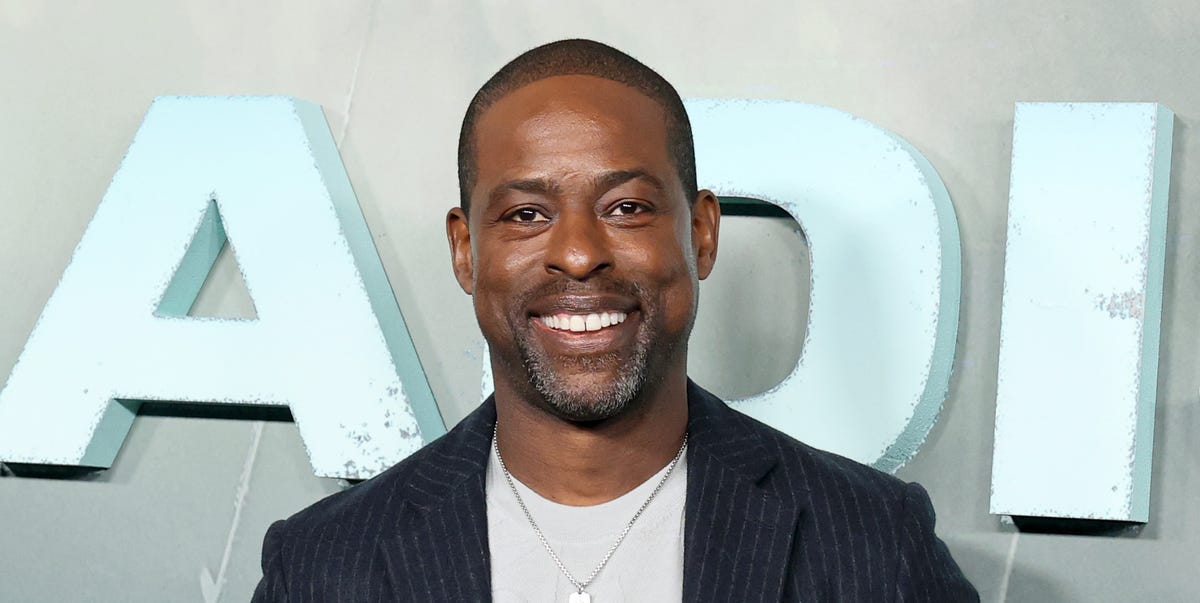
Some TV stars collect applause. Sterling K. Brown collects the kind of admiration that makes viewers text in all caps, post reaction gifs without irony, and suddenly remember they “always believed in him” even though he has been excellent for years. So when Paradise fans got the news that Brown earned another major awards-season milestone for his performance as Xavier Collins, the internet responded exactly as expected: with joy, pride, and the digital equivalent of standing on a couch and pointing at the screen.
The excitement was not random fan chaos, either. It was well-earned. Brown’s performance in Paradise helped power the Hulu drama into serious prestige-TV territory, and his recognition in the 2025 Emmy race confirmed what many viewers had been shouting since the show premiered: this was not just another good Sterling K. Brown performance. It was one of those performances. The kind that makes a thriller feel smarter, heavier, and somehow more human, even when the story is busy throwing secrets, power plays, and emotional landmines at everyone in sight.
In a television landscape crowded with antiheroes, twist machines, and shows that seem allergic to sincerity, Brown gave Paradise something rare. He made intensity feel intimate. He made grief look disciplined. He made leadership look exhausting. And he did it without turning Xavier into a superhero in a suit. Fans noticed. Critics noticed. Award voters noticed. That is how “major career news” becomes a celebration instead of just another headline.
What the major career news actually means
The big moment for Paradise fans was Brown’s Emmy nomination for Outstanding Lead Actor in a Drama Series, a recognition that arrived as part of a strong showing for the show overall. Paradise also landed nominations for Outstanding Drama Series, with additional acting nods for castmates Julianne Nicholson and James Marsden. In other words, Brown was not just being praised in isolation. The series had officially entered the big-leagues conversation, and his performance sat right at the center of that momentum.
For longtime fans, the nomination felt like both a new chapter and a satisfying continuation. Brown was already a three-time Emmy winner before Paradise, thanks to work that proved his range long ago. But this recognition mattered for a different reason. Paradise marked a fresh kind of platform for him: a politically charged, emotionally tense thriller where he was not merely the most recognizable face on the poster, but also an executive producer helping shape the project behind the scenes.
That matters because career news is not always about a trophy. Sometimes it is about position. Influence. Timing. The sense that an actor is not simply landing roles anymore, but steering the room. Brown’s rise with Paradise showed all of that. He was starring in a buzzy series, helping define its tone, and once again proving he can carry a high-concept drama without sacrificing warmth or complexity. That is not just success. That is career architecture.
Why Paradise clicked with audiences
Part of the fan celebration comes down to how effectively Paradise hooked viewers in the first place. On paper, the show already had plenty working for it: political intrigue, apocalyptic stakes, mystery-box storytelling, and a cast full of performers who know how to keep secrets while looking fantastic under pressure. But the show’s real advantage was its emotional engine, and Brown was the driver.
Xavier Collins is not written as a loud character. He is observant, careful, burdened, and often operating several emotional levels beneath what he says out loud. That kind of role can flatten in the wrong hands. With Brown, it becomes magnetic. He plays silence like dialogue. He lets tension build in the face, in the shoulders, in the tiny pause before a question lands. The result is a character who feels active even when he is standing still.
That performance style is one reason Paradise became more than a twisty thriller. Fans were not just showing up to solve the mystery. They were showing up to watch a man carry responsibility, pain, suspicion, and hope in real time. Brown makes internal conflict feel cinematic, which is a neat trick and also frankly a little unfair to actors who need explosions to get the same effect.
Sterling K. Brown’s career was already impressive, but this felt different
Let’s be honest: Sterling K. Brown did not need Paradise to prove he can act. That file was closed ages ago. Between This Is Us, The People v. O.J. Simpson: American Crime Story, American Fiction, and an expanding body of work across film and television, he has spent years building one of the most respected careers in the industry.
Still, Paradise arrived at an especially interesting moment. Brown had already established himself as an awards favorite, a dependable prestige presence, and an actor capable of moving between vulnerable family drama and sharper, darker material. What Paradise did was remind everyone that he can also lead a high-stakes serialized thriller while serving as a creative force behind the curtain. That is a different category of stardom. It suggests longevity with leverage.
Fans picked up on that immediately. The reaction was not only “Yay, he got nominated.” It was also “Yes, this is what happens when somebody who has been delivering for years gets the right vehicle.” That distinction matters. Awards-season buzz can sometimes feel trendy, temporary, or built on a single flashy scene. Brown’s momentum around Paradise felt sturdier. It looked like the industry recognizing a performer who already had the résumé and was now adding another dimension to it.
Fan reactions made perfect sense
There is something especially satisfying about seeing fans celebrate Sterling K. Brown because the affection toward him tends to feel unusually sincere. He is admired not only for talent, but for steadiness. He comes across as thoughtful, funny, generous, and deeply invested in the work. So when his Paradise success made headlines, the response naturally felt personal for many viewers.
That is the funny thing about fandom in the streaming age. People love to claim they are detached, sophisticated consumers of content. Then their favorite actor gets recognized and suddenly they are typing things like, “That’s my guy!” under entertainment posts at 7:12 in the morning. Brown inspires exactly that kind of reaction. People root for him because his success feels earned, and because his performances tend to leave an emotional fingerprint.
For Paradise fans, the nomination was also a way of seeing their own taste validated. Every fandom wants the world to catch up. Every viewer secretly enjoys the moment when a show they have been championing stops being “underrated” and starts being “award-nominated.” It is petty in the healthiest possible way. Brown’s recognition gave Paradise fans that delicious little victory lap.
How Brown elevates ensemble television
One of the most impressive things about Brown’s work is that he leads without swallowing the room. That is harder than it sounds. Some performers dominate a series by pulling attention toward themselves at all times. Brown tends to do the opposite. He creates gravity. He gives scenes weight, which often helps everyone around him play sharper, deeper, and riskier.
In Paradise, that quality matters because the series depends on a tense ensemble dynamic. James Marsden brings charm and volatility. Julianne Nicholson delivers menace with unnerving intelligence. Other cast members add texture, suspicion, tenderness, and surprise. Brown ties those energies together. He is the emotional anchor, the skeptical observer, and the moral weather vane all at once.
That kind of leadership rarely gets enough credit in casual TV discourse. Viewers may remember plot twists first, but awards bodies often respond to the labor of control: keeping a complicated story emotionally coherent, episode after episode. Brown does that beautifully. His performance gives Paradise shape.
Why the Emmy nomination matters beyond one awards show
An Emmy nomination is obviously good news on its own. It creates headlines, fuels publicity, and gives fans a shiny occasion to celebrate. But in Brown’s case, the nomination also strengthened a larger narrative about where he stands in Hollywood right now.
He is no longer just a beloved actor with prestige credentials. He is now firmly in the category of performers whose involvement can signal quality, ambition, and cultural relevance before a show even premieres. That kind of reputation is powerful. It influences casting, financing, development, and critical attention. It makes future projects easier to launch and harder to ignore.
There is also the matter of consistency. Brown’s recognition for Paradise was not a comeback story because he never really went anywhere. It was the latest proof that excellence can still become part of a career brand without turning robotic or repetitive. He keeps choosing material that stretches him, and audiences keep rewarding that risk-taking with loyalty.
Paradise helped widen his lane
For years, Brown has been associated with emotional intelligence on screen. That is a compliment, but it can become limiting if the industry starts treating an actor like a permanent ambassador of tasteful sadness. Paradise widened the lane. It let Brown keep the emotional depth while leaning harder into suspense, strategy, physical tension, and larger-scale genre storytelling.
That expansion is part of why fans celebrated the career news so enthusiastically. They were not just applauding a nomination. They were applauding evolution. Brown showed he can inhabit a sleek streaming thriller with the same authority he brought to family drama and prestige limited series. He looked completely at home there, which is exciting for anyone wondering what the next phase of his career might include.
And the answer seems to be: quite a lot. With Paradise renewed beyond its first season and Brown’s role in the show only becoming more central to its identity, the nomination helped position him as both a current standout and a durable long-game player. That is career news worth celebrating.
The bigger picture for Paradise and its audience
When a show gets awards attention, it often changes the conversation around it. New viewers decide to catch up. Existing viewers become even louder. Industry people start using words like “momentum,” which usually means someone somewhere is refreshing spreadsheets with tremendous excitement. Paradise benefited from exactly that shift.
Brown’s nomination brought prestige attention to a series that already had audience intrigue and creator pedigree. It also reinforced the idea that bold, twisty dramas still work when they are anchored by serious performance craft. That may sound obvious, but streaming has produced plenty of glossy mysteries that dissolve the second the hype fades. Paradise stuck because the acting gave the spectacle substance.
Fans understand that instinctively. They know when a show earns obsession and when it merely rents it for a weekend. The celebration around Brown’s career milestone was partly about him, and partly about the reassuring idea that performance still matters. Not just algorithms. Not just buzz. Not just cliffhangers with dramatic lighting. Performance.
What fans can take from this moment
If you are a Paradise fan, Brown’s major career news is the kind of development that feels both validating and promising. It confirms that the show’s emotional center is being recognized at the highest level, and it suggests that Brown’s creative influence will continue to shape the series moving forward.
If you are just a Sterling K. Brown admirer in general, it is another reminder that his career is being built with unusual intelligence. He picks projects that let him deepen, not just repeat. He chooses characters with interior life. He gravitates toward stories that ask for both control and vulnerability. In an industry that loves a loud reinvention, Brown is proving the value of a precise one.
And if you are somewhere in between, casually aware that this man tends to show up on screen and instantly improve everything, then welcome. The fans have snacks, strong opinions, and absolutely no intention of being normal about any future nominations.
Experiences related to the moment: why this news hit fans so hard
What made the reaction to Brown’s Paradise milestone feel so intense was not just the nomination itself. It was the experience people had while watching him on the show week after week. Viewers did not merely consume a thriller. Many of them developed a routine around it. They tuned in ready for twists, yes, but they also tuned in for Brown’s face when Xavier realized something terrible, for the controlled panic in a hallway scene, for the quiet devastation folded into a family moment that lasted maybe twenty seconds and somehow haunted the rest of the episode.
That kind of connection creates a very specific fan experience. The show becomes part entertainment, part weekly emotional appointment. People message friends after episodes. They argue over motives. They rewatch certain scenes because Brown does something tiny with his voice that changes the whole meaning of a conversation. The experience becomes communal. When career news drops after that kind of engagement, fans do not react like neutral observers. They react like people who were there for the whole ride.
There is also the shared experience longtime Brown fans bring with them. For many viewers, Paradise is not their first Sterling K. Brown obsession. They remember him making family drama feel monumental. They remember him stealing scenes in earlier projects. They remember the first time they realized he could do heartbreak, humor, authority, and fear all in one performance without making it look like a magic trick. So when Paradise gave him another big showcase, it felt like watching a favorite artist enter a new era without losing what made people love him in the first place.
Another reason the reaction felt personal is that Brown’s public image encourages a warmer kind of fandom. He is respected, but he is also liked. That is a powerful combination. Fans often describe his success with the language people use for someone they know, even though they do not know him at all. They say they are proud. They say he deserves it. They talk about his wins as if a very talented cousin just crushed an important presentation and the whole family group chat is losing its mind. That emotional vocabulary says a lot.
The viewing experience of Paradise also amplified that feeling because the show asks audiences to trust Xavier even when the world around him is unstable. Brown’s performance encourages investment. He makes viewers lean closer. He makes suspicion feel painful rather than just clever. So when he gets recognized for the role, fans feel like the emotional labor they witnessed has been properly seen.
And that, ultimately, is why the celebration sounded so joyful. It was not only about industry validation. It was about lived viewer experience: the tension, the suspense, the emotional payoff, the chatter after every episode, and the pleasure of seeing a performer meet the moment at full power. Fans celebrated Sterling K. Brown’s major career news because the news matched what they had already felt while watching Paradise: this performance mattered.
Conclusion
Paradise fans had every reason to celebrate Sterling K. Brown’s major career news. His Emmy recognition was not a fluke, not a courtesy nod, and not merely the result of hype. It was the payoff to a performance that elevated the entire series and confirmed Brown’s status as one of the most reliable, versatile, and compelling actors working today. More importantly, it showed that he is entering a phase of his career where star power and creative influence are working together in a bigger way than ever before.
For viewers, that is exciting news on two levels. First, it rewards what they already saw in Paradise: a lead performance full of restraint, intelligence, and emotional force. Second, it hints at what comes next. If Brown keeps choosing projects with this level of ambition and continues shaping them from both sides of the camera, the celebration around Paradise may end up looking less like a peak and more like a launchpad. Not bad for a guy who can break your heart, solve a mystery, and dominate an awards headline without ever looking like he is trying too hard.