A forged teaspoon in bronze sounds like something a museum curator might whisper about while wearing white gloves. But it is also a very real, very usable object: a small spoon with a big personality. It stirs tea, scoops sugar, serves jam, and quietly upgrades a table setting from “nice dinner” to “someone here owns linen napkins and possibly knows how to pronounce charcuterie.”
The phrase “Forged Teaspoon, Bronze” points to more than a utensil. It describes a meeting point between metalwork, dining culture, handmade design, and everyday ritual. Unlike a mass-produced stainless-steel spoon that rolls out of a factory by the thousands, a forged bronze teaspoon carries visible evidence of process: heat, pressure, hammering, shaping, finishing, and human judgment. It is useful, yes, but it is also sculptural.
This guide explores what makes a forged bronze teaspoon special, how bronze behaves as a material, what buyers should know before adding one to their table, and how to care for it so it stays beautiful without becoming a high-maintenance dinner guest.
What Is a Forged Bronze Teaspoon?
A forged bronze teaspoon is a small spoon made from bronze, a copper-based alloy traditionally composed primarily of copper and tin. The “forged” part refers to a shaping process in which metal is formed through force, often with hammering, pressing, or repeated working. In artisan flatware, that process may be combined with raising, soldering, casting, filing, polishing, and hand-finishing.
In simple terms: this is not a spoon that merely happened. It was persuaded into existence.
A typical forged bronze teaspoon may measure around seven inches long, giving it a slightly more generous profile than the tiny spoons many people associate with tea service. That extra length makes it useful not only for stirring tea or coffee but also for serving condiments, tasting sauces, spooning honey, or adding a dramatic flourish to dessert. Because bronze has a warm golden-brown color, it pairs beautifully with ceramic mugs, stoneware plates, dark wood trays, marble counters, and rustic table linens.
Why Bronze Feels Different From Stainless Steel
Most modern flatware is stainless steel, and for good reason. Stainless steel is durable, affordable, corrosion-resistant, and often dishwasher-safe. It is the practical friend who shows up on time and never complains. Bronze, on the other hand, is the charming friend who arrives with a story.
Bronze has a warmer color, a softer visual glow, and a living surface that changes over time. It may darken, mellow, or develop patina depending on use, air exposure, moisture, and cleaning habits. For many owners, that evolving finish is part of the appeal. A bronze teaspoon does not look frozen in perfection; it looks handled, loved, and invited back to breakfast.
Bronze Has Visual Warmth
Bronze sits somewhere between gold, copper, brown, and antique brass in appearance. The exact color depends on the alloy, finish, and age of the piece. A polished bronze teaspoon may shine warmly at first, while a frequently used one may become deeper and moodier. This makes it especially attractive in interiors that lean rustic, traditional, handmade, modern organic, or quietly luxurious.
Bronze Develops Character
Unlike stainless steel, bronze is expected to change. Patina can give the spoon depth and individuality. Tiny marks from use may become part of its personality. This does not mean neglect is stylish, of course. There is a difference between “beautifully aged” and “found behind the refrigerator.” But with proper care, a bronze teaspoon becomes more interesting over time.
How Forging Improves the Feel of Flatware
Forged flatware is often associated with weight, strength, and a more substantial feel in the hand. In many flatware guides, forged pieces are described as heavier and stronger than stamped pieces because they are shaped from thicker metal rather than cut from a thin sheet. While the exact process varies by maker, the general result is a utensil with more presence.
For a teaspoon, that difference matters. A good teaspoon should not feel flimsy, sharp, or awkward. It should balance comfortably between the fingers. The bowl should be deep enough to be useful, while the handle should feel pleasant, not like a tiny metal ruler auditioning for kitchen duty.
Hand-forged bronze flatware often keeps subtle irregularities from the maker’s process. Those slight differences are not flaws; they are proof of touch. In a world full of identical objects, a handmade spoon offers a quiet rebellion: “No, I will not be exactly like the spoon next to me.” Honestly, respect.
Best Uses for a Forged Bronze Teaspoon
A bronze teaspoon may be small, but it is surprisingly versatile. It can be used in everyday rituals or reserved for special moments when the table deserves an upgrade.
Tea and Coffee Service
The obvious use is stirring tea or coffee. A bronze teaspoon looks beautiful beside a ceramic mug, a porcelain cup, or a glass teacup. It adds warmth to the presentation and makes a simple drink feel intentional. Even instant coffee becomes slightly more dignified, though it may still know what it did.
Desserts and Small Bites
A forged bronze teaspoon works well for custards, panna cotta, mousse, ice cream, fruit compote, and small desserts. The warm tone contrasts nicely with cream, chocolate, berries, and glazed ceramics.
Condiments and Serving
Use it for honey, jam, mustard, chutney, flaky salt, sugar, loose tea, or spice blends. A single bronze spoon in a small bowl can make even everyday condiments look restaurant-level. This is especially useful for brunch boards, cheese plates, tea trays, and holiday tables.
Food Styling and Photography
For food bloggers, recipe creators, and product photographers, bronze flatware is a secret weapon. Its warm surface reduces the cold, clinical look that stainless steel can sometimes create on camera. It works beautifully with moody lighting, handmade dishes, wooden boards, linen napkins, and seasonal foods.
How to Care for Bronze Flatware
Bronze is durable, but it prefers gentle care. Think of it less like disposable kitchen gear and more like a leather jacket: strong, useful, and better with age, but not something you throw into a hot machine and hope for the best.
Hand Wash Only
The safest routine is simple: wash the bronze teaspoon by hand with mild dish soap, warm water, and a soft sponge or cloth. Rinse it well, then dry it immediately with a clean towel. Do not let it sit wet in the sink. Bronze and long puddle sessions are not soulmates.
Avoid the Dishwasher
Many stainless-steel flatware sets are dishwasher-safe, but bronze pieces are different. Dishwasher detergents, heat, water minerals, and long moisture exposure can affect the finish. If the spoon has soldered details, hand finishing, or a patina, machine washing may be especially risky. Hand washing takes less than a minute and helps preserve the surface.
Be Careful With Acidic Foods
Bronze is a copper alloy, and copper-based metals can react with acidic foods. Avoid leaving a bronze teaspoon sitting for a long time in vinegar, citrus juice, wine, tomato sauce, or other acidic mixtures. Quick contact during serving is different from soaking. After using the spoon with acidic or salty foods, wash and dry it promptly.
Polish Only When You Want Shine
Some owners love the darker patina that bronze develops naturally. Others prefer a brighter, polished look. Either is acceptable as long as the piece is clean. If polishing is desired, use a gentle method recommended by the maker. Avoid harsh abrasives, steel wool, and aggressive scouring pads, which can scratch the surface and erase the hand-finished character.
Buying Tips: What to Look For
When shopping for a forged bronze teaspoon, do not judge by shine alone. A great spoon should offer good proportions, comfortable balance, clear craftsmanship, and honest material information.
Check the Maker’s Description
Look for details about how the spoon is made. Terms such as forged, raised, cast, soldered, and hand-finished suggest a labor-intensive process. Also look for dimensions, material notes, origin, and care instructions. If the maker says each piece is made individually, expect slight variations. That is part of the value, not a reason to panic and email customer support with a ruler.
Consider the Shape
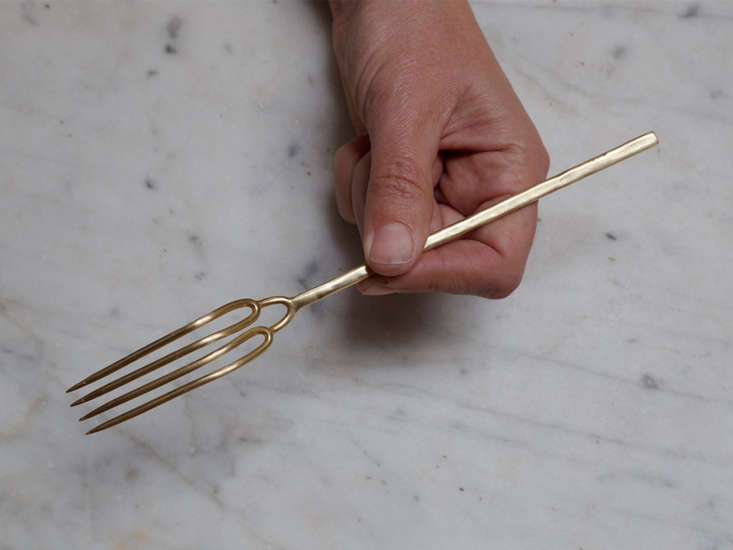
A deep spoon bowl is useful for tea, dessert, and condiments. A narrow or shallow bowl may be more decorative. The handle should feel comfortable and visually balanced. If the spoon has an unusual loop, curve, or sculptural handle, make sure it still looks practical enough for your intended use.
Think About Your Table Style
Bronze works with many aesthetics. It can look antique beside floral china, modern beside matte black stoneware, rustic beside handmade pottery, and elegant beside white linen. It also mixes well with wood, glass, marble, and darker ceramics. For a full place setting, bronze flatware can be dramatic. For a smaller commitment, one or two teaspoons are enough to add warmth and personality.
Is a Forged Bronze Teaspoon Worth It?
A handmade bronze teaspoon is not usually the cheapest spoon in the drawer. In fact, it may cost more than an entire basic flatware set. But value depends on purpose. If you simply need twenty spoons for cereal, stainless steel is the sensible answer. If you want an artisan object that blends function, beauty, and craftsmanship, bronze makes a stronger case.
The worth of a forged bronze teaspoon lies in its permanence and emotional appeal. It is the kind of object people notice. It can become part of a daily tea ritual, a special dessert service, or a carefully styled kitchen shelf. It also makes a thoughtful gift for tea lovers, design enthusiasts, newlyweds, hosts, collectors, and people who already own “everything” except, apparently, a spoon with main-character energy.
Design Pairing Ideas
To make a forged bronze teaspoon shinevisually, not necessarily literallypair it with materials that emphasize its warmth.
With Stoneware
Matte stoneware in cream, charcoal, olive, rust, or clay tones creates a grounded, handmade look. The bronze feels natural rather than flashy.
With Porcelain
White porcelain gives bronze a refined contrast. This pairing works well for tea service, desserts, and formal tables.
With Wood
A bronze teaspoon on a walnut, oak, or maple tray feels warm and inviting. Add linen, loose-leaf tea, and a small jar of honey, and suddenly your kitchen looks like it has a quiet philosophy.
With Glass
Glass cups, dessert bowls, or small jars allow the bronze color to stand out. This is especially effective for honey, preserves, infused sugar, and layered desserts.
Common Mistakes to Avoid
The first mistake is treating bronze like stainless steel. It is not. Bronze prefers hand washing, quick drying, and mild cleaning. The second mistake is over-polishing. If you polish away every sign of age, you may lose the very character that made the spoon special. The third mistake is using it carelessly with acidic foods and then leaving it unwashed. A bronze teaspoon can handle real use, but it rewards attention.
Another common mistake is buying purely for looks without considering size. A teaspoon that is too long may feel more like a dessert spoon; one that is too shallow may be less practical for daily use. Always check dimensions and imagine how the spoon will actually live in your kitchen.
Experience Notes: Living With a Forged Bronze Teaspoon
The experience of using a forged bronze teaspoon begins before it touches food. It begins when you pick it up. A handmade bronze spoon usually has more weight and warmth than a standard teaspoon. It does not feel anonymous. The handle may show subtle curves, small variations, or evidence of shaping. These details invite you to slow down, even if you are only stirring sugar into breakfast tea while half-awake and negotiating with your inbox.
In daily use, the spoon changes the mood of ordinary routines. Stirring coffee with stainless steel is efficient. Stirring coffee with bronze feels ceremonial, but not in a fussy way. It is a small reminder that useful objects can be beautiful. The spoon catches light differently depending on the room. In morning sun, it may glow warmly. Under evening light, it may look deeper and more antique. That changing appearance is part of the charm.
For serving, the spoon earns its place quickly. Put it beside a jar of raw honey and it looks intentional. Place it in a salt cellar and the table feels curated. Use it for jam at brunch and people may ask where it came from. That question is one of the underrated pleasures of owning handmade objects. They start conversations without shouting. A bronze teaspoon does not need logos, bright colors, or gimmicks. Its material and form do the talking.
There is also a tactile pleasure to bronze. The metal feels smooth but not sterile. If the spoon is hand-finished, the edges often feel softened and considered. A well-made spoon should not scrape uncomfortably against the fingers or feel awkward in the mouth. The bowl depth matters here. A deeper bowl feels generous for dessert or honey, while a narrower bowl may feel elegant for tea. Over time, the user learns which foods suit it best.
Care becomes part of the experience rather than a burden. Hand washing the spoon after use takes only a moment. Drying it immediately becomes a small habit, like wiping a good knife or oiling a wooden board. This little act creates a relationship with the object. That may sound dramatic for a teaspoon, but kitchens are full of tools we either ignore or treasure. Bronze flatware tends to move into the second category.
The patina is perhaps the most personal part. Some owners will polish the spoon to keep a brighter bronze glow. Others will let it darken naturally. Neither approach is wrong. The best choice depends on the table style and the owner’s taste. A polished bronze spoon feels elegant and luminous. A darker spoon feels historic, relaxed, and soulful. The important thing is cleanliness, not perfection.
As a gift, a forged bronze teaspoon feels intimate without being overly personal. It is small enough to be practical, beautiful enough to feel special, and unusual enough to avoid the dreaded “thanks, I already have six of these” problem. For tea lovers, hosts, artists, cooks, or design-minded friends, it offers a daily luxury that does not demand extra storage space or a lifestyle overhaul.
Ultimately, living with a forged bronze teaspoon is about appreciating details. It turns stirring, serving, and tasting into tiny moments of design. It proves that even the smallest tools can carry history, craft, and pleasure. And if a spoon can make tea feel a little more poetic, honestly, it has done more before breakfast than most of us.
Conclusion
A forged bronze teaspoon is more than a small piece of flatware. It is a functional artwork shaped by material, process, and touch. Bronze brings warmth and patina; forging brings strength and character; hand-finishing brings individuality. Together, they create a spoon that feels meaningful in everyday use and memorable on a well-set table.
It may not be the spoon you toss into the dishwasher after a midnight snack. It is the spoon you choose when presentation, ritual, and craftsmanship matter. With mild hand washing, careful drying, and sensible use around acidic foods, a forged bronze teaspoon can remain beautiful for years while developing the kind of character mass-produced utensils rarely achieve.
Note: Before publishing product-specific claims, verify current price, availability, dimensions, and care instructions with the maker or retailer, as handmade items may change over time.