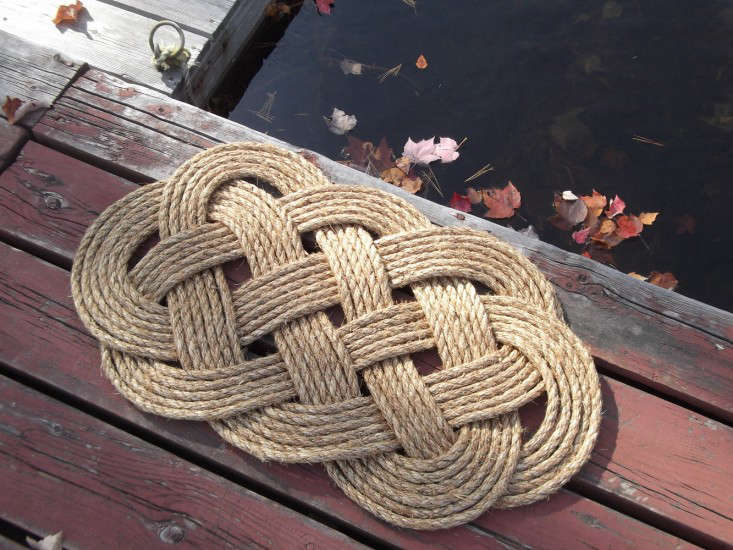
A nautical front doormat and rope rug does something surprisingly heroic for such a humble home accessory: it catches dirt, protects floors, frames your entryway, and quietly announces, “Yes, someone here has excellent taste and may or may not own a straw hat.” Whether you live steps from the beach, miles from the nearest marina, or in a city apartment where the only “sea breeze” comes from the air conditioner, a rope-style doormat can give your front door that relaxed coastal charm without turning your porch into a pirate-themed restaurant.
The beauty of a nautical doormat is that it combines function and personality. It is tough enough for shoes, sand, rain, and everyday foot traffic, yet stylish enough to make guests notice the entry before they even ring the bell. Unlike flat decorative mats that look charming for exactly three sunny afternoons, rope rugs and woven nautical mats often have texture, weight, and practical drainage that make them useful in real life. Translation: they are not just pretty little porch pancakes.
In this guide, we will explore what makes a nautical front doormat and rope rug worth considering, which materials perform best, how to style one, how to clean it, and how to choose a piece that fits your home instead of fighting with it like a stubborn deck chair in the wind.
What Is a Nautical Front Doormat and Rope Rug?
A nautical front doormat is an entry mat inspired by marine design, coastal living, boating culture, and classic ropework. A rope rug is often made with woven, braided, or knotted rope, creating a sturdy surface with a textured pattern. Some are made from natural fibers, while others use synthetic marine-style rope, polypropylene, recycled lobster rope, or weather-friendly outdoor fibers.
The phrase “nautical” usually brings to mind navy blue stripes, anchors, sailboats, white trim, brass details, weathered wood, and rope. But a good nautical rope rug does not need to shout “Ahoy!” every time someone wipes their sneakers. In modern home decor, the best coastal pieces are usually subtle. Think texture over gimmicks, craftsmanship over cartoon anchors, and calm colors over “my porch joined the Navy.”
Why Rope Rugs Work So Well at the Front Door
The front door is one of the hardest-working spots in a home. It deals with muddy shoes, grocery runs, wet umbrellas, pets, kids, delivery drivers, and that one neighbor who always stops by when you are holding a laundry basket. A rope rug is useful because its woven texture helps scrape debris from shoes while allowing small particles to fall into the gaps instead of sitting on the surface.
Texture That Actually Does Something
Many decorative doormats rely on printed designs. They look fun at first, but once the pattern fades, the mat loses its personality faster than a beach towel in a thunderstorm. Rope rugs, on the other hand, rely on physical texture. The braided or knotted construction adds visual depth and gives shoes something to rub against. That texture helps remove dust, sand, leaves, and small bits of outdoor life before they become indoor problems.
Built-In Drainage
One reason nautical rope mats are popular in coastal homes is drainage. Open-weave rope construction can allow water to pass through rather than pooling on top. This is especially useful on porches, patios, mudrooms, lake houses, beach cottages, and covered entryways where damp shoes are a regular visitor. A mat that dries faster tends to smell fresher and feel cleaner underfoot.
Weight and Stability
A good rope doormat often has more substance than a thin fabric mat. That weight can help it stay put in breezy areas, although very lightweight rope rugs may still need a non-slip pad underneath, especially on smooth tile or polished concrete. If your porch is known for dramatic gusts of wind, choose a heavier mat or one with a backing that grips well.
Best Materials for a Nautical Doormat
Choosing the right material is the difference between a doormat that lasts and a doormat that looks defeated by Tuesday. The best option depends on whether your entry is covered, exposed to rain, exposed to strong sun, or mostly used indoors.
Marine-Style Synthetic Rope
Many nautical rope rugs are made from synthetic rope designed to handle moisture, abrasion, and outdoor conditions. Polypropylene and similar performance fibers are common in outdoor rugs because they resist stains, dry relatively quickly, and can often be cleaned with water and mild soap. For homes near pools, beaches, or rainy climates, synthetic rope can be a practical choice.
Synthetic rope also offers a wide variety of colors. Navy, sand, gray, white, seafoam, charcoal, and red accents are common choices. A navy-and-white rope mat gives classic coastal energy, while beige and gray feel quieter and more modern.
Recycled Lobster Rope
Some rope mats are made from reclaimed or recycled lobster rope, especially in New England-inspired designs. These pieces often have a strong marine character because the material itself has a connection to working waterfronts. Recycled rope mats can be colorful, rugged, and conversation-worthy. They are a good option if you like products with a story and do not mind a slightly more rustic look.
Natural Fiber Rope
Natural fibers like jute, sisal, seagrass, and coir bring warmth and organic texture. They look beautiful in coastal, farmhouse, boho, and cottage-style homes. However, natural fibers are generally more absorbent than synthetic outdoor materials. That means they are best for covered porches, indoor entryways, mudrooms, or protected areas where they will not be soaked repeatedly.
Coir, made from coconut husk fibers, is especially popular for doormats because it is coarse and excellent at scraping shoes. But coir can shed and may fade or break down faster when constantly exposed to heavy rain. If your front step is uncovered and regularly battered by weather, a synthetic nautical rope mat may be the better long-term sailor.
Rubber-Backed Mats
Rubber backing adds grip and helps keep a mat in place. This is useful for safety, especially at busy entrances. The tradeoff is that some rubber-backed mats may trap moisture underneath if placed on certain surfaces without proper airflow. If you use one outdoors, lift it occasionally to let the surface below dry.
How to Choose the Right Size
A doormat that is too small can make a front door look oddly underdressed, like wearing flip-flops with a tuxedo. A mat that is too large can overwhelm a narrow porch. For most single front doors, a mat around 18 by 30 inches, 2 by 3 feet, or slightly larger works well. For double doors or wide entryways, a longer rope rug can look more balanced.
A smart rule is to choose a doormat that covers most of the door width. It should be wide enough that people naturally step on it with both feet. If guests can hop over it by accident, the mat is probably too small. For narrow apartment doors, a low-profile rectangular rope rug can work nicely. For grand porches, consider a larger woven mat or layer a nautical doormat over a flat outdoor rug for extra style.
Style Ideas for a Coastal Entryway
The nautical front doormat and rope rug is not just a floor accessory. It is the first visual handshake your home offers. Styling it well can make the whole entry feel intentional, even if the inside of your house currently contains one laundry chair and three mystery cables.
Classic Navy and White
Navy and white is the little black dress of nautical design. It is crisp, timeless, and hard to mess up. A navy-and-white rope rug pairs beautifully with white siding, black doors, brass hardware, blue planters, and striped outdoor pillows. Add a lantern-style light fixture and you have instant coastal polish.
Soft Sand and Driftwood Neutrals
If you prefer a calmer look, choose rope rugs in beige, tan, ivory, taupe, or gray. These colors mimic sand, driftwood, stone, and weathered rope. They work well with modern farmhouse, coastal grandmother, Cape Cod, and minimalist homes. The result feels breezy without being theme-heavy.
Bold Coastal Color
For a fun porch, try seafoam, coral, bright blue, yellow, or red accents. A colorful rope mat can wake up a plain entryway, especially if your door color is neutral. The key is restraint. Let the mat be the cheerful detail, not the opening act for twelve plastic flamingos and a sign that says “Mermaid Parking Only.” Unless that is your joy, in which case, sail on.
Layered Rug Look
Layering a nautical rope doormat over a larger flat outdoor rug is a popular way to make the entry feel styled. Use a larger striped, plaid, or solid outdoor rug underneath, then place the rope mat on top. This adds color, pattern, and depth. Make sure the bottom rug is thin enough that your door can still open smoothly. No one wants to wrestle the door every morning like it owes them money.
Where to Use a Nautical Rope Rug
The front door is the obvious place, but nautical rope rugs are versatile. They can work in mudrooms, laundry rooms, pool houses, patios, boat houses, screened porches, kitchens, bathrooms, and even beside outdoor showers. Smaller rope mats are useful near back doors where pets come in and out. Longer rope runners can define a narrow hallway or porch walkway.
In a beach house, a rope rug feels natural. In a suburban home, it adds vacation energy without requiring a mortgage near the water. In an apartment, it can make a plain hallway entrance feel warmer and more personal. The trick is to match the mat’s material to the environment. Outdoor exposure calls for weather-friendly fibers. Indoor spaces can handle softer or more decorative rope styles.
How to Clean a Nautical Front Doormat and Rope Rug
Cleaning depends on the material, so always check the manufacturer’s care label first. Still, most rope doormats benefit from a simple routine.
Weekly Shake and Sweep
Pick up the mat and shake it outside to release loose dirt. For heavier rope rugs, beat them gently against a railing or use a broom to brush away debris. This quick habit keeps grit from grinding into the fibers.
Vacuum for Dry Dirt
A vacuum can remove dust, sand, and crumbs from the rope texture. Use a suction setting rather than a harsh rotating brush if the mat has delicate woven sections. This is especially helpful for indoor rope rugs or covered porch mats.
Rinse Synthetic Rope Mats
Many synthetic rope and polypropylene outdoor mats can be rinsed with a hose. Use mild soap for grime, scrub gently with a soft brush, rinse thoroughly, and let the mat air dry completely before placing it back. Drying matters. A damp mat sitting against a damp surface is basically an invitation for unpleasant smells to start writing poetry.
Spot Clean Natural Fibers
Natural fiber mats should be cleaned more carefully. Avoid soaking jute, sisal, and some coir mats unless the care instructions allow it. Spot clean with a mild detergent solution, blot moisture, and allow full air drying. Keep natural fiber rope rugs in protected locations for best results.
Common Buying Mistakes to Avoid
The first mistake is buying only for looks. A doormat can be gorgeous and still completely wrong for your weather. If your entry gets soaked, do not choose an absorbent natural fiber mat unless it is protected. If your porch gets strong sun, look for fade-resistant outdoor materials. If your entry floor is slick, prioritize grip.
The second mistake is ignoring thickness. A thick rope rug feels substantial, but it may block a low-clearance door. Measure the gap under your door before choosing a chunky woven mat. A beautiful rug that prevents the door from opening is not decor; it is a small architectural prank.
The third mistake is going too theme-heavy. Nautical style works best when it feels collected, not costume-like. Rope texture, coastal colors, and clean lines are usually enough. You do not need anchors, ship wheels, lighthouse statues, and a foghorn unless your front porch is auditioning for a seafood commercial.
Is a Nautical Rope Doormat Worth It?
For many homes, yes. A nautical rope doormat is worth it when you want a durable, attractive, textured entry mat with coastal personality. It is especially useful for beach homes, lake houses, cottages, porches, patios, and casual family entries. It offers a balance of style and utility that many flat decorative mats cannot match.
The best rope rugs are not the cheapest doormats on the market, but they can deliver strong value because they are decorative and functional at the same time. A well-made marine rope mat can handle daily use, resist moisture better than many natural fiber rugs, and keep its texture even after repeated cleaning. That is the kind of home item that quietly earns its keep.
Personal Experience: Living With a Nautical Front Doormat and Rope Rug
After using nautical-style rope mats in different entry spaces, one thing becomes clear: the right doormat changes how an entrance feels. It sounds dramatic, but front doors are emotional little spaces. They are where guests arrive, packages land, pets shake off rain, and family members kick off shoes after long days. A rope rug gives that space a sense of order, texture, and welcome.
One of the best experiences with a nautical rope rug is how forgiving it can be. A smooth printed mat shows every muddy footprint like it is collecting evidence for a trial. A woven rope mat hides everyday mess better because the texture breaks up dirt visually. Sand, tiny leaves, and dust do not look as obvious, and a quick shake usually makes a big difference. For busy households, that is a major win.
Another practical advantage is the way rope mats handle transitional spaces. On a covered porch, a marine-style rope mat feels sturdy underfoot and does not look fussy. In a mudroom, it helps create a landing zone for shoes without making the space feel purely utilitarian. Near a patio door, it adds a relaxed coastal detail that makes indoor-outdoor living feel more connected. It is the decor version of saying, “Come in, but please leave half the backyard outside.”
Color choice also matters more than people expect. A navy rope rug can make a white or gray door look sharper. A tan rope rug blends beautifully with brick, stone, wood, or warm siding. A multi-color recycled rope mat brings personality and can make a small porch feel cheerful. If the exterior of the home is already busy, a neutral rope rug usually works best. If the entry is plain, a bolder mat can become the hero piece.
Maintenance is where expectations should stay realistic. No doormat is magic. A rope rug still needs shaking, brushing, rinsing, and drying. In wet seasons, lifting the mat occasionally helps prevent trapped moisture underneath. In high-pollen areas, the texture may collect yellow dust, so rinsing becomes part of the routine. But compared with many decorative mats, rope rugs often feel less delicate and more forgiving.
The biggest lesson is to match the rug to your real life, not your fantasy life. If your porch is uncovered, choose synthetic rope or a mat designed for outdoor weather. If you have kids, pets, or constant foot traffic, pick darker or mixed colors that disguise dirt. If your entry is small, measure carefully and avoid an overly thick mat. If your home leans modern, choose a simple weave and quiet colors. If your home leans cottage or coastal, a classic rope knot design can look charming without trying too hard.
A nautical front doormat and rope rug is not just about beach style. It is about creating a cleaner, warmer, more intentional entry. It gives guests a good first impression and gives you one less reason to sigh at the floor. And honestly, any home item that can fight dirt while looking like it belongs near a sailboat deserves a little applause.
Conclusion
A nautical front doormat and rope rug is a smart choice for homeowners who want an entryway that feels welcoming, coastal, durable, and easy to live with. The best designs combine textured rope construction, weather-friendly materials, balanced colors, and practical cleaning features. Whether you choose marine-style synthetic rope, recycled lobster rope, coir, jute, or a blended outdoor material, the goal is the same: create a front door that looks polished while keeping dirt where it belongs.
For the most reliable results, consider your climate, doorway size, porch coverage, and daily foot traffic before buying. A covered entry can handle more natural texture, while an exposed front step benefits from quick-drying synthetic fibers. Style it with planters, lanterns, simple coastal colors, or layered outdoor rugs, and your entrance can feel fresh without going overboard. Pun fully intended.
Note: This article is written in original, publish-ready American English and is based on real home decor, outdoor rug material, and doormat-care information.