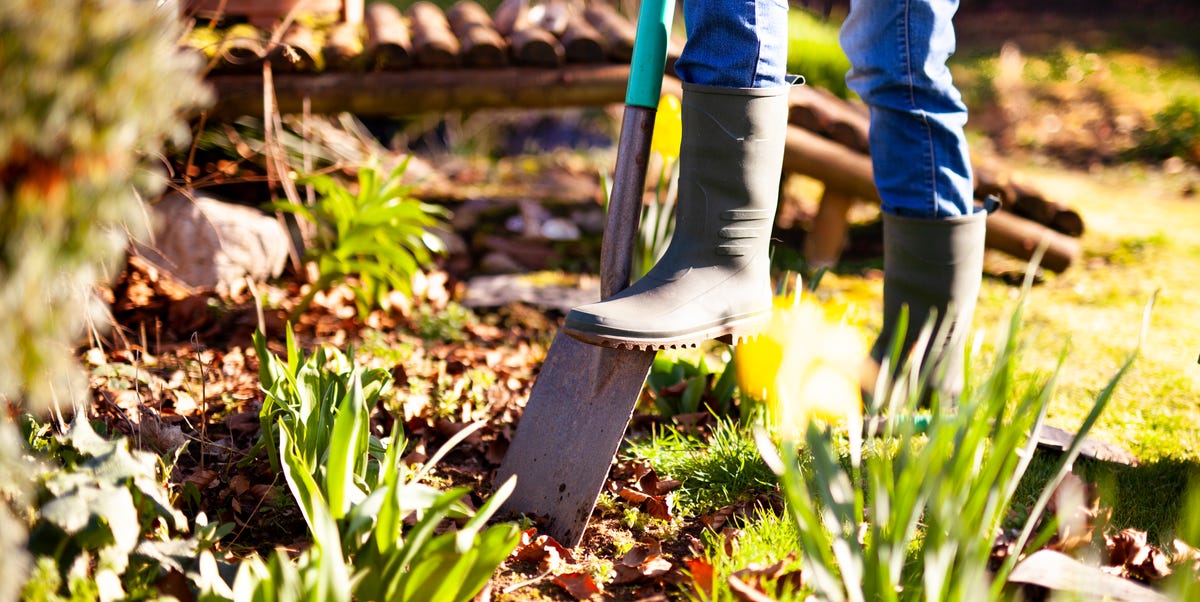
Every fall, when the tomatoes are fading, the basil has given up on life, and the rest of the garden looks like it wants a blanket and a nap, I plant garlic. It is one of my favorite gardening rituals because it feels wonderfully unfair. While everything else is winding down, I get to tuck a future harvest into the soil and walk away feeling wildly productive.
And after doing it year after year, I can tell you my biggest tip for gardeners in one sentence: mulch your garlic bed like you actually mean it.
Not a polite dusting. Not a sad little sprinkle of straw that disappears the first time the wind gets ideas. I mean a real, generous layer of mulch that protects the cloves through winter, keeps weeds from staging a hostile takeover in spring, and helps hold moisture when the weather warms up. If you want bigger bulbs, less drama, and a garlic patch that does not act personally offended by cold weather, mulch is your best friend.
Of course, great garlic does not start and end with mulch. You still need the right cloves, the right timing, decent soil, and a little patience. But if I had to choose the one fall garlic planting tip that makes the biggest difference for home gardeners, that would be it.
Why I Always Plant Garlic in Fall
Garlic is one of those crops that rewards people who think ahead. Planting in fall gives the cloves time to settle in, grow roots, and experience the cold period they need before they size up properly the next season. By the time spring arrives, the cloves are already established and ready to put on serious growth. That is why fall-planted garlic usually produces larger, better bulbs than garlic planted later.
In practical terms, planting garlic in fall also just fits the rhythm of the garden. Beds are opening up. The soil is still workable. The weather is cooler, which is a lot nicer than sweating through your shirt while trying to plant onions, garlic, and optimism in August.
The sweet spot is usually after the weather turns cool but before the ground freezes solid. In many regions, that means sometime around the first killing frost. The goal is simple: give garlic enough time to grow roots, but not so much warm weather that it starts acting like it is already spring break.
My Biggest Tip for Gardeners: Mulch the Bed Generously
Let me say it louder for the gardeners in the back holding one decorative handful of straw: garlic loves mulch.
When I first started growing garlic, I treated mulch like an optional accessory. I planted my cloves, patted the soil like a proud parent, tossed a light layer of leaves on top, and called it a day. Then winter arrived with its freeze-thaw mood swings, and spring brought weeds that looked stronger than my actual crop. The garlic survived, but it did not exactly thrive. The bulbs were smaller, the bed dried out faster, and I had to work a lot harder.
Once I started mulching properly, everything improved.
Mulch protects cloves from winter stress
Garlic is hardy, but repeated freezing and thawing can push cloves upward, expose them, or stress young roots. A thick layer of straw, chopped leaves, or other clean organic mulch helps buffer temperature swings. Think of it as a comforter for your garlic bed. Not glamorous, but very effective.
Mulch keeps weeds from stealing the show
Garlic is not the bully of the vegetable garden. It has a fairly shallow root system and does not compete especially well with weeds. If weeds show up early and often, your garlic has to fight for water, nutrients, and sunlight. Mulch cuts down that pressure dramatically. Fewer weeds means less work for you and more energy for the bulbs.
Mulch helps soil hold moisture
Garlic needs consistent moisture while it is actively growing, especially as bulbs are sizing up. Mulch helps the soil stay evenly moist instead of swinging from soggy to bone-dry like a dramatic houseplant. That matters more than people think. Big, healthy bulbs are often the result of fewer stresses, not more fertilizer gimmicks.
How much mulch should you use?
I like a solid layer of straw or shredded leaves, usually around 4 to 6 inches after planting, depending on climate and how exposed the bed is. In milder areas, a little less may work. In colder or windier gardens, more protection helps. The point is not to smother the bed forever; it is to insulate it through winter and then manage that mulch as the season changes.
In spring, I pull the mulch back enough to let shoots emerge easily, then redistribute it around the plants. That way, the bed still gets the weed suppression and moisture benefits without slowing new growth.
Start with the Right Garlic, Not Whatever Is in the Produce Aisle
My second-biggest tip is less romantic but equally important: start with seed garlic, not supermarket bulbs. Grocery store garlic might sprout, but it is often a gamble. It may be treated for storage, poorly suited to your climate, or simply not the best type for bulb production in a home garden.
Seed garlic is grown for planting. It also opens the door to far better flavor, size, and performance. This is where gardeners discover that garlic is not just garlic. It has personalities.
Hardneck vs. softneck garlic
Hardneck garlic tends to do especially well in colder climates. It produces a stiff central stalk called a scape, usually has fewer but larger cloves, and often wins the flavor contest. It does not store as long as softneck, but many gardeners forgive that because the taste is terrific and the scapes are edible.
Softneck garlic usually stores longer and is the type you often see braided. In warmer or moderate climates, it can be a great choice. If your main goal is long storage, softneck earns serious points.
For many home gardeners, the best approach is simple: try both. Your climate will have opinions, and so will your kitchen.
How to Plant Garlic for Bigger Bulbs
If you want a beautiful garlic harvest next summer, do not just shove random cloves into the ground and hope for the best. Garlic is easy, but it still appreciates a little respect.
Choose the biggest cloves
This feels emotionally difficult because the largest cloves are also the prettiest and most tempting to cook with. Resist. Plant those. Bigger cloves generally produce bigger bulbs. The tiny inner cloves can stay in the kitchen, where they belong.
Do not peel the cloves
Separate the bulb into individual cloves shortly before planting, but keep the papery skins intact. That wrapper helps protect the clove in the soil.
Plant pointy end up
Yes, it matters. The flat end goes down because that is where roots emerge. The pointy end goes up because garlic would rather grow straight than spend spring correcting your mistakes.
Give garlic room
In most home gardens, planting cloves about 4 to 6 inches apart works well, with rows spaced far enough apart to let you weed, mulch, and admire your future success. Garlic can handle tighter spacing, but wider spacing often gives you larger bulbs.
Plant in loose, well-drained soil
Garlic likes fertile soil rich in organic matter. It does not love soggy feet or dense clay that turns bulbs into weird little sculptures. If your soil is heavy, improve it with compost before planting. Raised beds are fantastic for garlic because they drain well and warm up nicely in spring.
What to Do in Spring So You Do Not Undo Your Fall Work
Once green shoots emerge, it is tempting to fuss over garlic constantly. I understand. You planted it months ago, ignored it through winter, and now it is back like a tiny miracle. But spring care is more about consistency than excitement.
Water steadily, not dramatically
Garlic generally benefits from about an inch of water per week during active growth, whether that comes from rain or irrigation. The trick is consistency. Long dry spells followed by a flood do not make bulbs happy. As harvest gets closer, ease off and stop watering about two weeks before digging so the skins stay cleaner and storage is better.
Feed it without overdoing it
Garlic is a fairly heavy feeder, especially early on. If your soil is average, a balanced fertilizer at planting and a spring side-dressing can help. Some gardeners prefer nitrogen in spring to boost leaf growth, because more healthy leaf area usually means more energy going into bulb development. But late heavy feeding is not the move. At some point, the plant needs to focus on making bulbs, not just growing lush leaves like it is auditioning for a salad commercial.
Cut the scapes on hardneck garlic
If you grow hardneck garlic, you will likely get curly flower stalks called scapes in early summer. Cut them when they begin to curl. This encourages the plant to direct more energy into bulb size. Also, scapes are delicious. They taste like garlic with a green, fresh edge and make excellent pesto, stir-fries, and compound butter. Your garlic crop can literally hand you a bonus vegetable before harvest. Hard to beat that.
When to Harvest Garlic Without Playing Guessing Games
Garlic is annoyingly subtle when it is ready. It does not wave a flag. It just changes leaf color and expects you to notice.
A good rule of thumb is to watch the leaves. When the lower leaves have browned and several upper leaves are still green, start checking bulbs. If you harvest too early, bulbs will be small and underdeveloped. If you wait too long, the wrappers may split and storage life will drop.
I usually dig one or two test bulbs first. If the cloves are nicely formed and the wrappers are still mostly intact, it is time. Use a garden fork to loosen the soil rather than yanking plants straight out by the stems. Garlic may be sturdy in spirit, but it does not enjoy being ripped from the earth like a dramatic reality show exit.
Cure it before storing it
Freshly harvested garlic needs time to cure in a dry, airy place out of direct sun. Do not wash the bulbs. Brush off excess soil, keep the stalks attached for curing, and let them dry for a few weeks. Once cured, trim roots and tops and store the bulbs in a cool, dry, well-ventilated place.
Hardneck garlic usually gets used sooner because it does not store as long. Softneck can often hang around for months if cured well. Either way, save your best, largest bulbs for planting again in fall. That is how the garlic habit starts. One bed becomes two. Two beds become a philosophy.
Common Garlic Mistakes Gardeners Make
- Planting grocery store garlic: It may grow, but it is often not the best choice for your climate or for reliable bulb production.
- Using tiny cloves for planting: Small cloves usually lead to smaller bulbs.
- Skipping mulch: This is the big one. Less winter protection, more weeds, less even moisture, more problems.
- Planting in soggy soil: Garlic hates poor drainage and can rot in wet ground.
- Harvesting too late: Split wrappers mean shorter storage life and messier bulbs.
- Babying it with constant overwatering: Consistent moisture is helpful; swamp conditions are not.
My Fall Garlic Experience: What Years of Planting Taught Me
Every year I plant garlic, I tell myself I will be calm and efficient about it. I will have the bed prepared ahead of time, the compost worked in, the cloves sorted by variety, the labels written clearly, and the mulch ready in a neat pile nearby. And every year, somehow, I still end up kneeling in the garden at sunset holding a half-broken plant tag and wondering why I thought I would definitely remember which row was which.
But that is part of the charm. Garlic has become my favorite fall ritual because it feels like a quiet promise to my future self. Spring me is always so grateful that fall me bothered. When the first green shoots poke through and the rest of the garden is barely waking up, it feels like the season is already giving me a head start.
I have had years when I planted too early and the shoots came up more than I wanted before winter. I have had years when I planted late, rushed the job, and still got a respectable crop because garlic is forgiving when you do most things right. I have also had years when I did not mulch enough, and those are the seasons that convinced me once and for all that mulch is not optional in my garden.
One winter, a stretch of freeze-thaw weather lifted parts of the bed just enough to expose a few cloves. In spring, the patch looked uneven, weak, and annoyed with me. The bulbs that year were fine, but only fine in the same way a burnt grilled cheese is technically still lunch. After that, I got serious about covering the bed well. The difference was obvious. Fewer weeds. Better moisture. Stronger growth. Bigger bulbs. Less muttering from me while weeding.
I have also learned that garlic rewards restraint. The largest cloves go into the ground, even when I want to roast them. The scapes get cut, even when the plant looks dramatic and beautiful with them curling around. Water gets reduced before harvest, even when I feel guilty doing less. Garlic has taught me that a good harvest often comes from timing, not fussing.
And maybe that is why I love it so much. Planting garlic every fall reminds me that gardening is not always about instant gratification. Sometimes it is about setting something up well, protecting it through the rough season, and trusting the process. Also, it is about eventually having enough homegrown garlic to feel smug while cooking. That part should not be overlooked.
Conclusion
If you are wondering how to grow garlic successfully, start simple. Plant in fall. Use good seed garlic. Choose the biggest cloves. Give them loose, fertile soil. Then use my biggest tip for gardeners and mulch the bed generously.
That one move helps your garlic through winter, reduces spring weed pressure, steadies moisture, and makes the whole crop easier to manage. It is not flashy advice, but it works. And in gardening, the least glamorous tip is often the one that delivers the best harvest.
So yes, I plant garlic every fall. I do it because the flavor is better, the varieties are more interesting, and the satisfaction is weirdly enormous for something that starts as a buried clove. But mostly I do it because few garden habits repay effort so generously. Plant it once, mulch it well, and your future self will be very pleased.