Medical note: This article is for education only and should not replace professional medical care. If a person has danger signs after a head injury, call emergency services or seek urgent medical help right away.
Introduction: When “I’m Fine” May Not Mean Fine
A concussion can be sneaky. It does not always arrive with dramatic movie-style fainting, slow-motion shouting, or someone suddenly forgetting their own name. In real life, a person with a concussion may look mostly normal, insist they are okay, and then ask the same question three times while holding their phone upside down. The brain is not being dramatic; it is trying to recover from a sudden jolt.
A concussion is a type of mild traumatic brain injury that can happen after a bump, blow, or jolt to the head, or even after a hit to the body that makes the head and brain move quickly. Despite the word “mild,” it should be taken seriously. Mild describes the initial injury category, not how annoying, scary, or disruptive the symptoms can feel.
Knowing how to tell if a person has a concussion is useful for parents, coaches, teachers, friends, coworkers, and anyone who has ever watched someone say, “I just bumped my head,” while walking in a suspiciously wobbly line. This guide explains the most common concussion signs, delayed symptoms, red flags, what to do next, and how to support recovery without accidentally turning into Dr. Google with a whistle.
What Is a Concussion?
A concussion happens when a force causes the brain to move inside the skull. This movement can temporarily affect how brain cells work. The result may be physical, mental, emotional, or sleep-related symptoms. Some people feel symptoms immediately. Others seem okay at first, then develop symptoms hours later or the next day.
Common causes include sports collisions, falls, car accidents, bike crashes, playground injuries, workplace accidents, and everyday mishaps like slipping on wet flooring. You do not have to be knocked unconscious to have a concussion. In fact, many concussions happen without loss of consciousness.
Early Signs You Can See in Someone Else
One of the tricky things about concussion symptoms is that the injured person may not recognize what is happening. That is why outside observation matters. If someone took a hit or fall, watch their behavior carefully.
Visible signs of a possible concussion include:
- Appearing dazed, stunned, confused, or “not quite there”
- Moving clumsily or having balance problems
- Answering questions slowly
- Repeating questions or forgetting instructions
- Not remembering what happened before or after the injury
- Showing mood changes, irritability, sadness, or unusual nervousness
- Being bothered by light or noise
- Complaining of headache, dizziness, nausea, or blurry vision
- Seeming unusually tired or foggy
Think of these signs like warning lights on a car dashboard. One light might not tell you the entire problem, but it does tell you not to keep driving 80 miles per hour while pretending everything is normal.
Symptoms the Person May Report
A person with a concussion may describe symptoms in different ways. Some will say, “My head hurts.” Others may say, “I feel weird,” “I feel slow,” or “Something is off.” Believe them. The brain does not come with a pop-up notification that says, “Concussion detected. Please restart safely.”
Physical symptoms
- Headache or pressure in the head
- Nausea or vomiting
- Dizziness or balance trouble
- Blurred or double vision
- Sensitivity to light or sound
- Fatigue or low energy
- Ringing in the ears
Thinking and memory symptoms
- Feeling mentally foggy
- Difficulty concentrating
- Trouble remembering events
- Slow responses
- Confusion about time, place, score, class schedule, or what just happened
Emotional symptoms
- Irritability
- Feeling more emotional than usual
- Anxiety or nervousness
- Sadness or frustration
Sleep-related symptoms
- Sleeping more than usual
- Trouble falling asleep
- Feeling drowsy during the day
- Changes in normal sleep patterns
Danger Signs: When to Seek Emergency Help
Some symptoms may point to a more serious brain or head injury. Do not wait to “see how it goes” if danger signs appear. Emergency care is needed if the person has a worsening headache, repeated vomiting, seizures, loss of consciousness, increasing confusion, slurred speech, weakness, numbness, unusual behavior, one pupil larger than the other, inability to wake up, or severe neck pain.
For infants and young children, also watch for nonstop crying, refusal to nurse or eat, loss of interest in favorite toys, or behavior that feels very unusual for that child. Small children cannot always explain dizziness or brain fog. They may simply act “not like themselves,” which is parent-code for “pay close attention.”
How Soon Do Concussion Symptoms Appear?
Concussion symptoms can appear right away, but they can also show up hours or days after the injury. This delayed effect is one reason people should be monitored after a head impact. The person may feel okay immediately after a fall, then later develop headache, dizziness, nausea, difficulty focusing, or mood changes.
For the first 24 to 48 hours, keep an eye on the person’s symptoms. They do not need to be treated like a museum artifact, but they should avoid risky activity, alcohol, intense exercise, contact sports, and anything that could lead to another hit to the head.
Simple Questions That Can Reveal Confusion
You are not trying to perform a medical exam in the middle of a soccer field or kitchen floor. Still, a few simple questions can help reveal whether the person is confused or having memory trouble.
Helpful questions include:
- What happened?
- Where are we?
- What day is it?
- What were you doing before the fall or hit?
- Do you feel dizzy, nauseated, foggy, or sensitive to light?
- Do you remember the score, class, meeting, or activity?
If the person gives odd answers, repeats the same question, or seems unable to follow the conversation, treat it as a possible concussion. Do not pressure them to “walk it off.” Walking it off is for awkward social moments, not brain injuries.
Concussion in Children and Teens
Children and teens need special attention because their brains are still developing, and they may struggle to describe symptoms clearly. A child may say they feel tired, have a stomachache, cannot focus at school, or “just feel bad.” A teen athlete may downplay symptoms because they want to stay in the game. This is where adults need to be the boring-but-heroic safety committee.
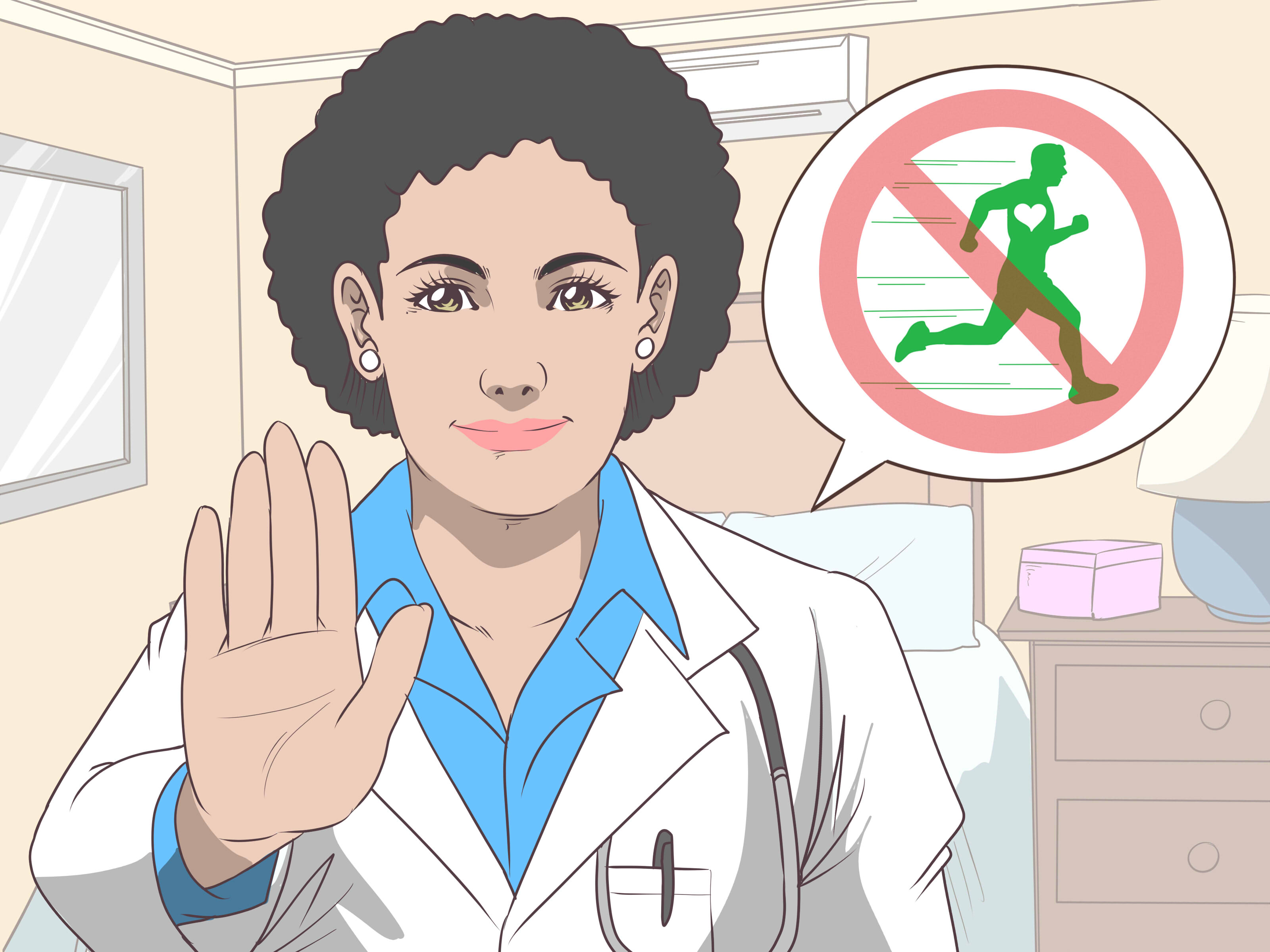
If a concussion is suspected during sports, the child or teen should be removed from play immediately and should not return the same day. They should be evaluated by a healthcare professional trained in concussion care. Returning too soon can increase the risk of a longer recovery or another injury.
Concussion in Adults and Older Adults
Adults may get concussions from falls, car crashes, sports, work accidents, or recreational activities. Older adults deserve extra caution because falls are common, and some may take blood-thinning medication, which can increase the risk of serious bleeding after head trauma. If an older adult hits their head, especially after a fall, medical evaluation is wise even if symptoms seem mild at first.
Adults may also ignore symptoms because they have work, errands, family responsibilities, and the eternal belief that “I’ll be fine after coffee.” Coffee is wonderful, but it is not a neurological assessment.
What to Do If You Suspect a Concussion
The safest first step is to stop the activity. Sit the person down, keep them calm, and observe symptoms. If there are danger signs, seek emergency medical care. If symptoms are mild but a concussion is possible, contact a healthcare professional for guidance. Medical evaluation can help rule out more serious injury and create a plan for recovery.
Do:
- Remove the person from sports, driving, biking, or risky activity
- Monitor symptoms over the next day or two
- Encourage rest in a calm environment
- Write down symptoms and when they started
- Follow medical advice for school, work, exercise, and sports
Do not:
- Let the person return to play the same day
- Ignore symptoms because there was no loss of consciousness
- Give alcohol or recreational substances
- Push through severe symptoms
- Assume a helmet prevents every concussion
How Doctors Diagnose a Concussion
There is no single instant test that magically proves every concussion. A healthcare professional usually reviews the injury, symptoms, medical history, memory, concentration, balance, coordination, vision, and neurological function. In some cases, imaging such as a CT scan may be used to check for bleeding or more serious injury, but standard imaging often appears normal in uncomplicated concussion.
This is why honesty matters. If the injured person hides symptoms, the provider has less information. A concussion diagnosis often depends on the story of what happened and how the person feels afterward.
Recovery: Rest, Then Gradual Return
Modern concussion recovery is not usually about lying in a dark room for a week doing nothing except questioning life choices. Most guidance supports a short period of relative rest, followed by a gradual return to normal activities as symptoms allow. That may include light mental activity, school, work, and gentle physical movement, depending on medical advice.
The key phrase is “symptom-guided.” If symptoms worsen significantly, the person may need to reduce activity and try again more gradually. For children and teens, return to school often happens before full return to sports. Academic adjustments may include breaks, reduced screen time, extra time for assignments, or a lighter workload for a short period.
Return to Sports: No Hero Points for Rushing
For athletes, returning too soon is one of the biggest mistakes. The brain needs time to recover, and the athlete should be symptom-free and cleared by a qualified healthcare professional before returning to contact or collision sports. A step-by-step return-to-play plan usually begins with light activity and gradually increases intensity.
No game, tournament, championship, or “but the team needs me” speech is worth gambling with brain health. The scoreboard will forget. The brain may not.
Common Myths About Concussions
Myth 1: You must pass out to have a concussion
False. Many people with concussions never lose consciousness.
Myth 2: If there is no bump, there is no concussion
False. A concussion can happen without a visible bruise, cut, or swelling.
Myth 3: A helmet prevents all concussions
False. Helmets reduce the risk of skull injury and some serious trauma, but they cannot stop all brain movement inside the skull.
Myth 4: You should tough it out
False. Toughing it out may delay recovery and increase risk if the person gets hurt again.
Real-Life Examples of Possible Concussion Signs
Imagine a basketball player who collides with another player, stands up, and asks, “What quarter is it?” even though halftime just ended. That confusion matters.
Imagine a student who slips on stairs, says they are okay, then later complains that the classroom lights feel painfully bright and reading makes their headache worse. That could be a concussion.
Imagine an older adult who falls in the bathroom and seems unusually sleepy afterward. That deserves prompt medical attention, especially if they take blood thinners or have other health conditions.
Imagine a child who bumps their head on playground equipment and becomes unusually cranky, clingy, or uninterested in food. Children may not say, “I am experiencing cognitive fog.” They may simply melt down because their brain is having a bad day.
Experience-Based Section: What People Often Notice in Real Situations
In everyday life, the first sign of a concussion is often not dramatic. It is subtle. A friend may pause too long before answering. A child may stare blankly after a fall. A teammate may laugh off a collision but then run the wrong direction. A coworker may hit their head on a cabinet and later struggle to follow a simple conversation. These small changes are easy to dismiss, especially when everyone wants the moment to be over.
One common experience is the “delayed headache.” Right after the injury, adrenaline can make a person feel almost normal. They may stand up quickly, joke about it, and say, “That was embarrassing.” Then, an hour later, the headache arrives. Later still, nausea, dizziness, or sensitivity to light may follow. This delay can fool families, coaches, and the injured person. That is why monitoring after a head injury is so important.
Another common experience is emotional change. Someone who is normally calm may become snappy, tearful, or unusually quiet. This does not mean they are being difficult. The brain helps regulate emotions, and when it is irritated, the personality remote control can get glitchy. Patience helps. So does reducing noise, bright light, pressure, and unnecessary questions.
People also often underestimate screen sensitivity. After a concussion, scrolling a phone, gaming, watching fast videos, or working on a laptop may make symptoms worse. The person may say their eyes feel tired, the screen looks too bright, or focusing feels exhausting. This does not mean screens are forbidden forever. It means the person may need shorter sessions, breaks, dimmer settings, and medical guidance if symptoms persist.
In school settings, concussion signs may show up as poor concentration, slower reading, trouble remembering assignments, or headaches after class. A student who usually finishes homework quickly may suddenly need twice as long. Teachers and parents may mistake this for laziness. It is better to think of the brain like a phone battery after a major update: technically working, but draining fast and acting weird.
In sports, the most important experience-based rule is simple: when in doubt, sit them out. Athletes are often motivated to hide symptoms. They may fear losing a spot, disappointing a coach, or missing an important game. Adults should create a culture where reporting symptoms is seen as smart, not weak. Brain safety should never depend on whether a teenager feels brave enough to argue with a scoreboard.
Families often notice that recovery is not perfectly straight. A person may feel better in the morning, then worse after school, work, errands, or exercise. This up-and-down pattern can be frustrating. The goal is not to panic over every symptom, but to adjust activity and follow professional advice. If symptoms worsen, linger, or interfere with daily life, follow-up care is important.
The best practical habit is to write things down. Note when the injury happened, what symptoms appeared, what made them worse, what helped, and whether sleep, mood, or concentration changed. This gives healthcare professionals a clearer picture and prevents the classic human problem of saying, “I think it started Tuesday? Or maybe Wednesday? Wait, what month is it?”
Above all, the experience many people share is this: concussions are easier to manage when taken seriously early. A calm response, careful observation, timely medical advice, and gradual return to activity can make recovery smoother. Panic is not useful. Denial is not useful. Paying attention is extremely useful.
Conclusion: Trust the Signs, Not the Tough Talk
Learning how to tell if a person has a concussion means watching for changes in thinking, balance, mood, memory, vision, sleep, and physical comfort after a head or body impact. The person may not pass out. They may not have a visible injury. They may even insist they are fine. Still, if symptoms appear, the safest move is to stop activity, monitor carefully, and get medical guidance.
A concussion is not something to fear every second, but it is something to respect. The brain runs the entire show. When it gets rattled, give it the attention it deserves. No trophy, deadline, text message, or “I’m totally okay” performance is more important than protecting brain health.