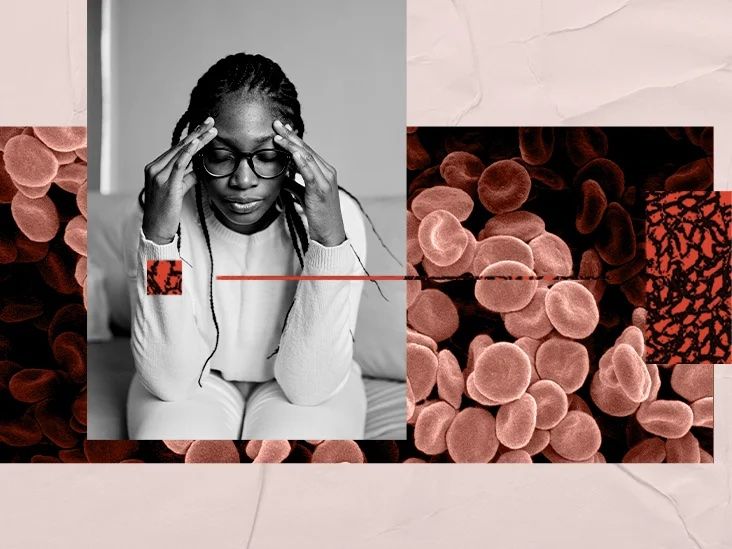
Anemia and thrombocytopenia sound like two words that escaped from a medical spelling bee, but they describe two very real blood problems. Anemia means the body does not have enough healthy red blood cells or hemoglobin to carry oxygen efficiently. Thrombocytopenia means the blood has too few platelets, the tiny cell fragments that help stop bleeding. Put them together, and the body can feel like a delivery service with too few trucks and not enough repair crew for potholes.
These conditions may appear separately, but when they happen at the same time, doctors pay close attention. The combination can point to nutritional deficiencies, infections, medication effects, autoimmune disease, bone marrow problems, chronic kidney disease, cancer treatment, liver or spleen issues, or rare blood disorders. The good news: many causes are treatable once the reason is found. The important part is not guessing. Blood counts are clues, not final answers.
This guide explains the causes, symptoms, diagnosis, and treatment options for anemia and thrombocytopenia in plain American English, with enough detail to be useful and just enough humor to keep your platelets from filing a complaint.
What are anemia and thrombocytopenia?
Anemia: when oxygen delivery slows down
Anemia occurs when red blood cells or hemoglobin levels are too low. Hemoglobin is the iron-rich protein inside red blood cells that carries oxygen from the lungs to tissues. When hemoglobin drops, the body may not receive enough oxygen, which can lead to fatigue, weakness, dizziness, shortness of breath, pale skin, headaches, cold hands and feet, chest discomfort, or a fast heartbeat.
There are many types of anemia. Iron deficiency anemia is common, especially in people with heavy menstrual bleeding, gastrointestinal blood loss, pregnancy, poor iron intake, or poor iron absorption. Vitamin B12 and folate deficiency can also cause anemia because the body needs these nutrients to make healthy red blood cells. Other forms include anemia of chronic inflammation, anemia related to kidney disease, hemolytic anemia, sickle cell anemia, aplastic anemia, and anemia linked to bone marrow disorders.
Thrombocytopenia: when clotting support is low
Thrombocytopenia means the platelet count is below normal. Platelets help blood clot after injury. When platelet levels are low, bleeding may be easier to trigger and harder to stop. Symptoms can include easy bruising, tiny red or purple dots on the skin called petechiae, nosebleeds, bleeding gums, prolonged bleeding from cuts, blood in urine or stool, and unusually heavy menstrual periods.
Mild thrombocytopenia may cause no symptoms at all and may be discovered on a routine complete blood count, also called a CBC. Severe thrombocytopenia can increase the risk of dangerous bleeding, including internal bleeding. That is why unexplained low platelet counts deserve medical evaluation rather than a heroic internet deep dive at 2 a.m.
Why can anemia and thrombocytopenia happen together?
When anemia and thrombocytopenia appear together, the cause may involve a shared problem affecting blood production, blood loss, immune activity, or the organs that manage blood cells. Red blood cells and platelets both come from stem cells in the bone marrow, so any condition that disrupts marrow function can lower both counts.
Common categories include:
- Decreased production: The bone marrow is not making enough red blood cells or platelets.
- Increased destruction: The immune system, infections, medications, or abnormal blood processes destroy cells too quickly.
- Blood loss: Ongoing bleeding can cause anemia and may sometimes occur because platelets are too low.
- Sequestration: An enlarged spleen may trap platelets and sometimes red blood cells.
- Nutritional deficiency: Low iron, vitamin B12, or folate can interfere with healthy blood cell production.
Common causes of anemia and thrombocytopenia
1. Iron deficiency and blood loss
Iron deficiency is one of the most common causes of anemia. The body needs iron to make hemoglobin. Heavy menstrual bleeding, ulcers, colon polyps, colorectal cancer, frequent blood donation, pregnancy, and poor absorption conditions such as celiac disease can contribute to low iron. Thrombocytopenia is not the classic finding in iron deficiency; in fact, platelet counts can sometimes rise. However, if bleeding is severe or another condition is present, anemia and low platelets may overlap.
2. Vitamin B12 or folate deficiency
Vitamin B12 and folate help build normal red blood cells. When these vitamins are low, the marrow may produce large, poorly functioning red blood cells. In more advanced deficiency, white blood cells and platelets may also fall. Causes include poor dietary intake, pernicious anemia, digestive disorders, bariatric surgery, alcohol misuse, and certain medications.
3. Chronic inflammation and kidney disease
Chronic illnesses such as rheumatoid arthritis, inflammatory bowel disease, cancer, chronic infections, and kidney disease can contribute to anemia. Kidney disease is especially important because the kidneys help make erythropoietin, a hormone that signals the bone marrow to produce red blood cells. When kidney function declines, anemia can develop. Platelet issues may also occur in some chronic illnesses or as a result of medications used to treat them.
4. Medication-related blood count changes
Some medicines can lower red blood cells, platelets, or both. Examples may include certain antibiotics, antiseizure drugs, chemotherapy medicines, heparin, immune-suppressing medicines, and some antiviral drugs. Drug-induced thrombocytopenia can happen when a medication interferes with platelet production or causes the immune system to destroy platelets. Treatment often begins with identifying and stopping the suspected medication under medical supervision.
5. Infections
Viral infections can temporarily suppress bone marrow or trigger immune changes that lower blood counts. HIV, hepatitis C, Epstein-Barr virus, and other infections may contribute to thrombocytopenia or anemia. Severe bacterial infections and sepsis can also disrupt clotting and blood cell balance. In many cases, treating the infection helps blood counts recover.
6. Autoimmune conditions
Autoimmune disease can cause the immune system to attack blood cells. Immune thrombocytopenia, often called ITP, occurs when the immune system destroys platelets. Autoimmune hemolytic anemia occurs when the immune system destroys red blood cells. Some people may have both, which requires careful evaluation by a hematologist.
7. Bone marrow disorders
Because red blood cells and platelets are made in the bone marrow, marrow disorders can cause both anemia and thrombocytopenia. Aplastic anemia occurs when marrow fails to make enough blood cells. Myelodysplastic syndromes involve abnormal marrow development and may cause low red cells, low platelets, low white blood cells, or a combination. Leukemia, lymphoma, myelofibrosis, and cancers that spread to the bone marrow can also reduce blood cell production.
8. Cancer treatment
Chemotherapy and radiation can damage fast-growing cells, including bone marrow cells. This may lead to anemia, thrombocytopenia, low white blood cells, fatigue, bruising, infection risk, and treatment delays. Cancer care teams monitor CBC results closely because blood counts affect safety, treatment timing, transfusion decisions, and infection precautions.
9. Liver disease and an enlarged spleen
The spleen helps filter blood. When it becomes enlarged, it can hold on to too many platelets, lowering the platelet count in circulation. Liver disease can also affect clotting factors, platelet levels, and bleeding risk. People with cirrhosis or portal hypertension may develop thrombocytopenia and anemia from several pathways, including spleen enlargement and gastrointestinal bleeding.
10. Pregnancy-related causes
Pregnancy can cause mild anemia because blood volume expands. Iron needs also increase. Mild low platelets can occur during pregnancy, but more serious causes include preeclampsia, HELLP syndrome, immune thrombocytopenia, or other medical complications. Pregnant patients with anemia and thrombocytopenia should be evaluated promptly because the treatment plan must protect both parent and baby.
Symptoms to watch for
Anemia symptoms often feel like the body is running on low battery mode. Common signs include fatigue, weakness, shortness of breath with activity, dizziness, headaches, pale or yellowish skin, cold hands and feet, chest pain, or a racing heartbeat.
Thrombocytopenia symptoms are more about bleeding and bruising. Watch for frequent nosebleeds, bleeding gums, easy bruising, petechiae, heavy periods, blood in urine, black or bloody stools, or bleeding that takes longer than usual to stop.
Seek urgent medical care for severe weakness, fainting, chest pain, trouble breathing, uncontrolled bleeding, vomiting blood, black stools, sudden severe headache, confusion, vision changes, or any head injury when platelet counts are known to be low.
How doctors diagnose anemia and thrombocytopenia
The first test is usually a complete blood count. A CBC measures hemoglobin, hematocrit, red blood cells, white blood cells, and platelets. Doctors also look at red blood cell size, platelet count trends, and whether other blood cells are affected.
Additional tests may include:
- Peripheral blood smear: A microscope exam of blood cells to look for abnormal shapes or immature cells.
- Iron studies: Ferritin, serum iron, transferrin saturation, and total iron-binding capacity.
- Vitamin levels: Vitamin B12 and folate testing.
- Reticulocyte count: Measures young red blood cells to see if marrow is responding properly.
- Kidney and liver tests: Checks organ function that may affect blood counts.
- Inflammation and infection tests: May include viral testing depending on symptoms and risk factors.
- Hemolysis tests: Bilirubin, LDH, haptoglobin, and direct antiglobulin testing if red cells may be breaking down.
- Bone marrow biopsy: Used when marrow failure, leukemia, myelodysplastic syndrome, or unexplained cytopenias are suspected.
Treatment options for anemia and thrombocytopenia
Treating anemia
Anemia treatment depends on the cause. Iron deficiency anemia is usually treated with iron replacement and investigation of the bleeding source. Vitamin B12 or folate deficiency is treated with supplements and dietary changes, but doctors also look for absorption problems. Anemia of chronic kidney disease may require iron therapy and medicines that stimulate red blood cell production. Severe anemia may require a red blood cell transfusion.
For hemolytic anemia, treatment may involve stopping a triggering medication, treating infection, or using immune-suppressing medicine when the immune system is attacking red cells. For aplastic anemia or marrow failure, treatment may include transfusions, immune therapy, infection prevention, or stem cell transplant in selected cases.
Treating thrombocytopenia
Mild thrombocytopenia may not need treatment, especially if there is no bleeding and platelet counts are stable. When treatment is needed, the first step is usually treating the cause. That might mean stopping a suspected medication, treating an infection, managing liver disease, addressing nutritional deficiency, or adjusting chemotherapy.
Immune thrombocytopenia may be treated with corticosteroids, intravenous immune globulin, platelet-raising medicines, rituximab, or other therapies depending on severity and duration. Platelet transfusions may be used for serious bleeding, very low platelet counts, or before certain procedures. In some cases, splenectomy may be considered, though it is not the first move for everyone.
When both conditions occur together
When anemia and thrombocytopenia happen together, treatment must be coordinated. Giving iron will not fix marrow failure. Platelet transfusions will not solve vitamin B12 deficiency. Steroids may help autoimmune platelet destruction but may be wrong for some infections. That is why the diagnosis matters as much as the treatment.
A hematologist may be involved when both counts are low, when the cause is unclear, when counts are severely abnormal, or when the blood smear shows concerning cells. The goal is to protect the patient from oxygen shortage, bleeding, infection, and missed underlying disease.
Diet and lifestyle support
Food cannot cure every cause of anemia or thrombocytopenia, but nutrition supports healthy blood production. Iron-rich foods include lean red meat, poultry, seafood, beans, lentils, spinach, iron-fortified cereals, and tofu. Vitamin C from citrus fruits, berries, peppers, and tomatoes can help the body absorb plant-based iron. Vitamin B12 is found in animal products such as fish, meat, eggs, and dairy, while folate is found in leafy greens, beans, peas, oranges, and fortified grains.
People with low platelets should ask their clinician before taking aspirin, ibuprofen, naproxen, blood thinners, herbal supplements, or alcohol, because some can increase bleeding risk or interact with treatment. Contact sports may need to be avoided when platelet counts are very low. A soft toothbrush, electric razor, and careful dental hygiene can reduce bleeding surprises. Your gums should not have to audition for a horror movie.
Prevention and follow-up
Not every case is preventable, but risk can be reduced. Treat heavy menstrual bleeding, screen for gastrointestinal blood loss when appropriate, manage chronic diseases, avoid unnecessary medications that affect platelets, limit alcohol, maintain balanced nutrition, and keep follow-up appointments for repeat blood counts.
People receiving chemotherapy, dialysis, immune therapy, or long-term medications should follow their monitoring schedule. Trends matter. A single platelet count or hemoglobin result is like one frame of a movie; doctors need the full scene to understand what is happening.
Practical experiences and real-world lessons
One common experience with anemia is how quietly it arrives. Many people do not wake up one morning dramatically declaring, “I have low hemoglobin!” Instead, they notice the stairs feel longer, workouts feel harder, coffee stops performing miracles, and the afternoon slump becomes an afternoon collapse. Someone with iron deficiency from heavy periods may assume exhaustion is just life being life. A person with slow gastrointestinal bleeding may not see obvious blood but may gradually become pale, breathless, and dizzy. This is why persistent fatigue deserves a medical conversation, not just a bigger mug.
Thrombocytopenia can be equally sneaky. Some people first notice mystery bruises on their legs and blame furniture they do not remember meeting. Others see tiny red dots near the ankles, frequent nosebleeds, or bleeding gums while brushing. In mild cases, the person may feel perfectly fine, and the low platelet count appears during routine lab work. That surprise can be scary, but it is also useful. Early detection gives clinicians time to repeat the test, review medications, check for infection, and decide whether treatment is needed.
People living with both anemia and thrombocytopenia often describe a strange mix of fatigue and caution. They may feel too tired to move quickly but also worried about bumping into things. Daily routines can change: choosing low-impact exercise, using a softer toothbrush, planning rest breaks, keeping lab appointments, and asking questions before taking over-the-counter pain relievers. These small adjustments are not dramatic, but they can prevent complications.
Another practical lesson is that treatment is not one-size-fits-all. Two people can have the same platelet count and need different plans. One may have temporary viral suppression and only need monitoring. Another may have immune thrombocytopenia and need medication. Someone with anemia may need iron tablets, while another person may need vitamin B12 injections, kidney-related therapy, transfusion, or evaluation for marrow disease. The lab result starts the story; the cause writes the plot.
Patients also learn that “normal” recovery can take time. Iron stores may take months to rebuild. Platelet counts may rise quickly after stopping a triggering medication, or they may require longer treatment. Bone marrow conditions may involve specialist care and repeated testing. Keeping a symptom diary can help: note fatigue, bleeding, bruising, shortness of breath, menstrual changes, diet changes, new medications, infections, and lab dates. This gives the healthcare team better information than memory alone, especially because memory under stress has the reliability of a wet paper bag.
The best experience-based advice is simple: do not panic, but do not ignore it. Ask what the likely cause is, which warning signs require urgent care, whether any medicines or supplements should be avoided, when labs should be repeated, and whether a hematology referral is appropriate. With the right diagnosis and follow-up, many people improve, stabilize, and return to normal routines. Blood may be complicated, but a clear plan makes it far less mysterious.
Conclusion
Anemia and thrombocytopenia are not diseases by themselves as much as signals that something is affecting red blood cells, platelets, or the bone marrow that produces them. Causes range from common and fixable problems, such as iron or vitamin deficiency, to more serious conditions, such as autoimmune disease, kidney disease, cancer treatment effects, aplastic anemia, myelodysplastic syndromes, or leukemia.
The smartest approach is careful evaluation: a complete blood count, medical history, medication review, targeted lab testing, and specialist care when needed. Treatment works best when it matches the cause. Supplements, transfusions, immune therapy, medication changes, infection treatment, kidney-related therapy, cancer-care adjustments, or bone marrow treatment may all have a role.
Note: This article is for educational purposes only and should not replace medical advice. Anyone with unexplained anemia, low platelets, severe fatigue, unusual bleeding, chest pain, shortness of breath, black stools, blood in urine, or symptoms after a head injury should contact a qualified healthcare professional promptly.