Super glue is wonderful right up until it decides your metal surface is now its forever home. One second you are fixing a loose screw cap, a metal chair leg, or a tool handle. The next second, your stainless steel sink, aluminum trim, or favorite wrench is wearing a shiny blob of hardened glue like an unwanted fashion statement.
The good news is that removing super glue from metal is usually very doable. The even better news is that you do not need to panic, pry like a maniac, or attack your metal with the fury of a reality-show blacksmith. In most cases, a little patience, the right solvent, and a gentle hand will do the job.
Because super glue is a cyanoacrylate adhesive, it bonds fast and grabs hard, especially on metal. That means the trick is not brute force. It is choosing the safest method first, then moving up only if the glue refuses to cooperate. Below, you will find 11 easy solutions, plus smart tips on when to use each one, what to avoid, and how to keep your metal surface looking like metal instead of a scratch-art project.
Before You Start: Protect the Metal and Your Sanity
Before trying any super glue remover method, figure out what kind of metal you are dealing with. Bare steel, chrome, stainless steel, aluminum, painted metal, powder-coated metal, and anodized finishes do not all react the same way. A method that is perfectly fine on an old metal tool may be a terrible idea on a brushed stainless refrigerator handle or painted patio furniture.
Start with three simple rules:
- Test any solvent on a small hidden area first.
- Begin with the gentlest option before moving to stronger methods.
- Use gloves, work in a well-ventilated area, and keep acetone away from heat, sparks, and open flames.
Also, do not grab steel wool like a movie hero. On many metal surfaces, it can leave scratches that scream, “Yes, I fixed the glue, but at what cost?”
11 Easy Solutions for Removing Super Glue from Metal
1. Warm Soapy Water
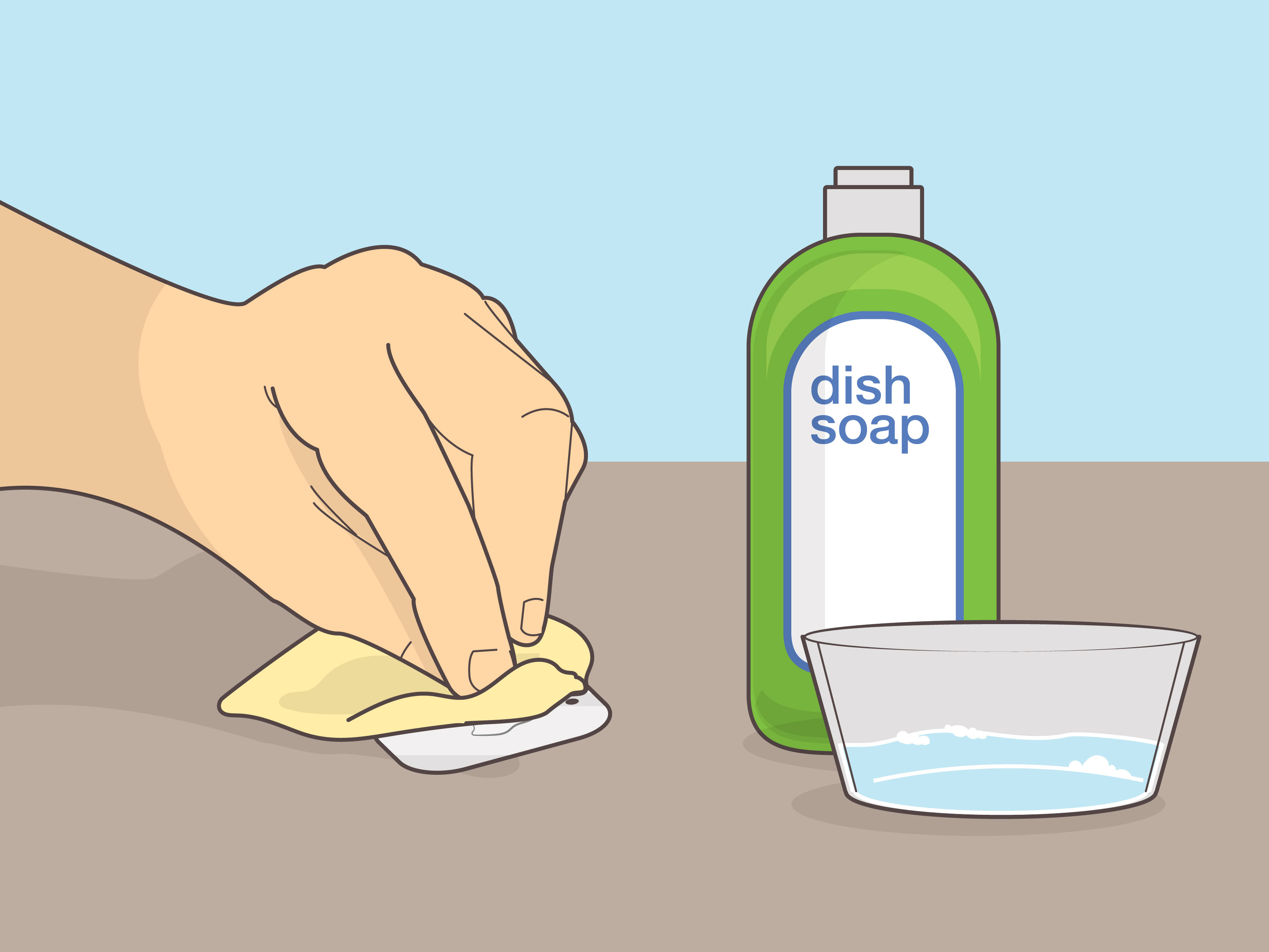
If the glue is fresh, thin, or only partly cured, warm soapy water is the best place to begin. It is the least aggressive method and surprisingly effective on small drips and light residue.
Mix dish soap into warm water, soak a soft cloth, and lay it over the glue for several minutes. If the metal item is small enough, you can soak the whole thing. Once the glue softens a bit, rub gently with the cloth and try lifting an edge with your fingernail or a plastic scraper.
This works especially well on metal tools, hardware, and small household items. It is also a smart first step before trying stronger products.
2. Acetone or Acetone-Based Nail Polish Remover
Acetone is the superstar of super glue removal. If you have ever heard, “Use nail polish remover,” this is why. Acetone helps soften cured cyanoacrylate so you can lift it away instead of chiseling it like an archaeologist.
Dampen a cotton pad or clean cloth with acetone, press it against the glue for five to ten minutes, then gently work at the softened spot with a plastic scraper. Repeat as needed. For a metal tool or unpainted metal part, this is often the fastest and cleanest method.
Important caveat: acetone can dull paint, damage some finishes, and irritate skin and lungs if used carelessly. Translation: useful, yes; magic potion, no.
3. Isopropyl Alcohol
Rubbing alcohol is a nice middle ground when you want something milder than acetone. It can help loosen uncured super glue, soften leftover adhesive haze, and clean metal without being quite as harsh.
Apply the alcohol to a cloth or cotton ball, hold it on the glue for a few minutes, then rub or lift gently. This method is especially handy for light glue smears on coated or finished metal where you want a less aggressive first attempt.
If acetone is the dramatic lead actor, isopropyl alcohol is the reliable supporting character who quietly saves the scene.
4. White Vinegar Soak
White vinegar is one of those humble household products that keeps showing up to save the day. It can help loosen adhesive residue and is worth trying when you want a pantry-based method before opening stronger solvents.
For removable metal items, soak the glued area in a mixture of water and white vinegar. For fixed surfaces, soak a cloth in vinegar and press it onto the glue. Let it sit, then rub gently and repeat as needed.
Vinegar is not always the fastest option, but it can be useful for stubborn residue after the main glue blob is gone. Just be careful with delicate finishes and do not let it sit endlessly on sensitive or specialty-coated metal.
5. Commercial Super Glue Remover or Debonder
Sometimes the best answer is to let a product designed for the job do the heavy lifting. Commercial debonders and adhesive removers are made to break down cured cyanoacrylate, which makes them a smart choice for thick, stubborn glue.
Follow the label directions closely, apply only as directed, and use the smallest amount needed. These products can be especially helpful if acetone did not fully solve the problem or if you are dealing with layered glue residue.
This is the grown-up solution when the glue blob has clearly chosen chaos.
6. Mineral Spirits
If acetone feels too strong for your situation, mineral spirits can sometimes help with leftover adhesive residue on metal. They are not always the first choice for the main hardened blob, but they can be useful as a follow-up cleaner after scraping and lifting the softened glue.
Apply a small amount to a soft cloth, rub the affected area gently, and wipe clean. This is best for residual tackiness rather than a thick mound of cured glue.
As always, test first. Metal may be tough, but finishes can be surprisingly dramatic.
7. Cooking Oil, Baby Oil, or Mineral Oil
Oil sounds too gentle to work, but it can help loosen thin adhesive residue and glue edges, especially after you have already removed most of the hardened material. Vegetable oil, baby oil, or mineral oil can creep under the residue and reduce its grip.
Rub a small amount onto the spot, let it sit for a while, then wipe with a cloth and wash the area with warm soapy water afterward to remove the oily film.
This is not usually the first choice for a thick super glue spill, but it can be surprisingly useful for the annoying shiny leftovers that make metal look sticky even when the worst of the glue is gone.
8. Gentle Heat with a Hair Dryer
Heat can soften many adhesives, and that includes glue residue on metal. A hair dryer is safer than a heat gun for most household jobs because it is easier to control and less likely to overcook the surface.
Set the hair dryer to low or medium heat and warm the glued area for 20 to 60 seconds. Then try wiping or lifting the softened glue with a cloth or plastic scraper. Reheat if needed.
This method is great for residue, sticker-like glue smears, and situations where you would rather avoid heavy solvent use right away. Just remember that metal gets hot quickly, so your fingers do not need to audition for a burn care brochure.
9. Plastic Scraper or Old Credit Card
Sometimes the simplest solution is mechanical, not chemical. A plastic scraper, plastic putty knife, or old credit card can help lift softened glue without scratching the metal as easily as a metal blade would.
This method works best after using warm water, acetone, alcohol, vinegar, or heat to weaken the glue. Slide the scraper under an edge and lift slowly. Patience matters here. If it resists, soften it more before scraping harder.
For delicate finishes, this is often the safest physical removal tool you can use.
10. Fine-Grit Sandpaper or a Non-Scratch Abrasive Pad
When you are dealing with a dried blob on bare, durable metal, a light abrasive can sometimes finish the job. Fine-grit sandpaper or a non-scratch pad can smooth down remaining glue after it has been softened and mostly removed.
The keyword is fine. You are polishing away residue, not refinishing a truck bumper. Work gently, check the surface often, and stop as soon as the glue is gone.
This method is better for workshop metal items than for decorative metal, brushed stainless appliances, or anything with a glossy finish that would show scratches immediately.
11. Razor Blade Scraper for Bare, Durable Metal Only
A razor blade can be highly effective on thick, cured glue blobs, but it should be treated like the last respectable option before full-on regret. Use it only on bare, durable metal where scratching is less of a concern, and hold the blade at a low angle.
The smartest approach is to soften the glue first with acetone or heat, then use the blade carefully to lift the blob. Do not gouge, do not stab, and definitely do not pretend you are opening a treasure chest.
If the metal is painted, polished, brushed, or sentimental, skip this method and stay with plastic tools instead.
Which Method Should You Try First?
If you are wondering where to begin, here is the easiest decision tree:
- Fresh glue on metal: warm soapy water, then isopropyl alcohol or acetone.
- Cured super glue on bare metal: acetone, then plastic scraper, then fine abrasive if needed.
- Glue on painted or coated metal: warm soapy water, rubbing alcohol, or gentle heat first.
- Sticky residue after the main blob is gone: vinegar, oil, mineral spirits, or a commercial adhesive remover.
- Large hardened blob: soften first, then lift with a plastic scraper or, only if appropriate, a razor blade.
Common Mistakes That Make the Job Harder
The biggest mistake people make is attacking dried glue immediately with force. That is how you turn a glue problem into a scratched-metal problem. Other common errors include using too much solvent, skipping the patch test, and mixing products like a home-lab villain.
Avoid these habits:
- Do not scrub aggressively with steel wool unless you truly do not care about the finish.
- Do not pour acetone all over a large area when a damp cloth or cotton pad will do.
- Do not use a metal blade on painted, coated, or decorative metal unless you enjoy surprise scratches.
- Do not forget to wash and dry the surface after removal. Leftover solvent, oil, or softened residue can leave smears.
Final Thoughts on Getting Super Glue Off Metal
If you need to remove super glue from metal, the best strategy is not “strongest first.” It is “smartest first.” Begin with the least aggressive method, work patiently, and only step up when the glue proves stubborn. Most of the time, warm soapy water, acetone, rubbing alcohol, or a careful scraper will solve the problem without leaving metal looking worse than the glue did.
And if you take one lesson from this guide, let it be this: super glue is fast, but impatience is faster. Slow down, soften the adhesive, protect the finish, and let chemistry do more of the work than your elbow.
Real-Life Experiences: What Actually Happens When You Remove Super Glue from Metal
In real life, glue accidents are rarely neat little dots. They are usually weird. A drop rolls farther than expected. A bottle tips over right when someone says, “Be careful.” A repair that looked like a 30-second fix suddenly turns into an afternoon of staring at a metal lamp base with the same expression people use when their Wi-Fi dies during a meeting.
One common experience is the surprise factor. People assume super glue on metal will pop right off because metal feels hard and non-porous. Then they discover that cyanoacrylate can bond very well to metal and that “very well” is a polite way of saying, “Congratulations, you now own a glued wrench.” This is why warm water or acetone works better than trying to peel the glue off dry. The first instinct is often to pick at the edge. The better instinct is to soften it first and save the finish.
Another frequent lesson comes from stainless steel appliances and sinks. Many people remove the glue successfully but then notice dullness, haze, or fine scratches because they used the wrong cloth, scrubbed too hard, or reached for an abrasive pad too soon. The glue came off, yes, but so did the original smooth look. That experience teaches a valuable rule: the surface matters just as much as the adhesive. Bare workshop metal gives you more freedom. Decorative metal demands more restraint.
There is also the “I thought more product would help” moment. Someone soaks the area in acetone, then wonders why the room smells like a nail salon opened in the garage. In practice, a little solvent on a cloth is usually more effective than flooding the whole surface. Controlled contact beats chaos every time. People who get the best results tend to use small amounts, repeat patiently, and wipe between rounds instead of drenching everything at once.
Then there are tool-related experiences. Plastic scrapers do not feel impressive, so many people underestimate them. But in everyday use, they are often the hero because they remove softened glue with far less risk than a metal blade. The opposite is also true: razor blades look efficient, and sometimes they are, but they can turn one problem into three if used on polished or painted metal. Plenty of DIYers learn this exactly once.
What stands out most is that successful glue removal is usually a game of layers. First you soften. Then you lift. Then you clean residue. Then you wash the surface. The process is not glamorous, but it works. And once people go through it one time, they become much more careful with future glue jobs. Suddenly there is painter’s tape under the work area, a rag nearby, gloves on hand, and a bottle cap that gets closed like it contains state secrets.
So yes, removing super glue from metal is absolutely possible. The real-world experience is less about magic tricks and more about patience, surface awareness, and not letting frustration grab the scraper. In other words, the best method is usually the one that removes the glue and leaves the metal looking like nothing embarrassing ever happened there in the first place.