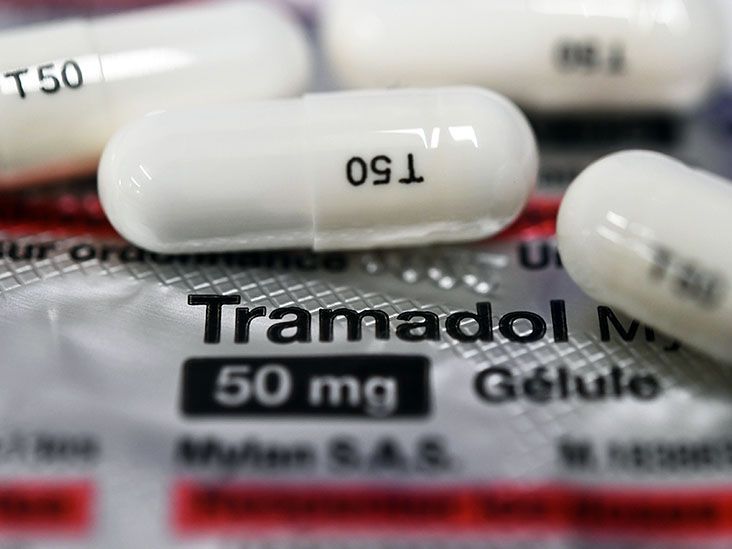
Tramadol is one of those medicines that sounds simple at first: it is prescribed for pain, it comes in tablets or capsules, and many people have heard of it. But then the questions start marching in like tiny worried ducks: Does tramadol damage the liver? Is it safer than other pain medicines? What if someone already has liver disease? And what about combination products that include acetaminophen?
The short answer is this: tramadol itself is not commonly associated with serious liver damage when used exactly as prescribed, but the story changes when there is overdose, long-term misuse, severe liver disease, heavy alcohol use, risky drug interactions, or a product that combines tramadol with acetaminophen. In other words, tramadol is not usually the villain in a liver-health drama, but it can become part of the plot if the circumstances are wrong.
This guide explains how tramadol is processed by the body, when liver risk becomes more serious, what symptoms should never be ignored, and how people can talk with a healthcare professional about safer pain control. Think of your liver as the body’s busy chemistry lab. Tramadol walks into that lab, gets processed, and leaves behind metabolites. Most of the time, the lab handles the job. But if the lab is already overworked, understaffed, or flooded with too many chemicals at once, problems can happen.
What Is Tramadol?
Tramadol is a prescription opioid pain medicine used for pain that is significant enough to need stronger treatment when other options are not enough or cannot be tolerated. It works in more than one way: it affects opioid receptors and also influences certain brain chemicals involved in pain signaling. That dual action is part of why tramadol is different from many traditional opioids.
However, “different” does not mean “risk-free.” Tramadol can cause serious side effects, including breathing problems, sedation, dependence, withdrawal symptoms, seizures in susceptible people, and dangerous interactions with other medicines. Because it is processed through the liver and cleared partly through the kidneys, people with liver or kidney disease need extra medical caution.
So, Does Tramadol Damage the Liver?
For most people taking tramadol exactly as prescribed, clinically obvious liver injury appears to be uncommon. Medical liver-toxicity references have not generally linked standard therapeutic tramadol use with frequent cases of clear drug-induced liver disease. That is reassuring, but it should not be translated into “tramadol can never affect the liver.” Medicines do not work by magic; they work through metabolism, and metabolism has limits.
The liver helps break tramadol down into several substances, including an active metabolite often called M1. This process involves liver enzymes, especially CYP2D6 and CYP3A4. Some people naturally process tramadol differently because of genetics. Others may process it differently because they take medicines that block or speed up those enzymes. This matters because altered metabolism can change how much tramadol or active metabolite remains in the body.
In plain English: the liver is involved, but liver damage is not the typical outcome when tramadol is used properly under medical supervision. The risk becomes more important in higher-risk situations.
When Tramadol Becomes Riskier for the Liver
1. Overdose or Taking More Than Prescribed
Overdose is the biggest red flag. Reports of serious liver injury have been linked more strongly to tramadol overdose than to ordinary prescribed use. In severe overdose situations, the liver can be affected along with other organs. This is not a small “oops” category; overdose can be life-threatening and requires urgent medical help.
It is important not to treat tramadol like an over-the-counter pain reliever. Taking extra because pain is still present can create a dangerous chain reaction. More medicine does not always mean more relief. Sometimes it means more side effects, more risk, and a liver that did not sign up for overtime.
2. Tramadol Combined With Acetaminophen
This is one of the most important points in the whole article. Some prescription products combine tramadol with acetaminophen. Acetaminophen is widely used and effective, but it is also one of the best-known medicines associated with serious liver injury when too much is taken or when multiple acetaminophen-containing products are used together.
Many people do not realize acetaminophen can appear in several products at once: prescription pain medicines, cold and flu medicines, sleep aids, and common over-the-counter pain relievers. Accidentally stacking products is like inviting five friends to dinner and realizing they all brought the same giant casserole. Except here, the casserole is liver stress.
If a medication contains both tramadol and acetaminophen, the acetaminophen part is often the larger liver concern. Anyone prescribed such a product should read labels carefully and ask a pharmacist or clinician before combining it with other pain, fever, cold, or flu medicines.
3. Existing Liver Disease or Cirrhosis
People with liver disease, especially advanced cirrhosis, may process tramadol more slowly. When the liver cannot metabolize a medicine efficiently, drug levels may stay higher for longer. That can increase the chance of side effects such as excessive sleepiness, confusion, breathing problems, or other complications.
This does not mean everyone with liver disease is automatically forbidden from receiving pain treatment. It means pain treatment needs careful individual planning. A clinician may choose a different medicine, adjust the schedule, avoid extended-release products, or monitor more closely depending on the person’s liver function and overall health.
4. Alcohol Use
Alcohol and tramadol are a bad team. Alcohol can increase sedation and breathing-related risks with opioids, and heavy alcohol use can also strain the liver. When tramadol is combined with acetaminophen, alcohol can make the liver-risk conversation even more serious.
If your liver had a suggestion box, “Please do not mix alcohol with risky medicines” would be written on every card.
5. Drug Interactions
Tramadol interacts with many medicines. Some antidepressants, antifungals, antibiotics, seizure medicines, and other drugs can affect how tramadol is processed. Some combinations may increase side effects, while others may change pain relief or raise the risk of serotonin syndrome, seizures, or dangerous sedation.
Because the liver uses enzyme pathways to process many drugs, interaction risk is not just a minor footnote. It is one of the reasons pharmacists ask what else you take. They are not being nosy; they are trying to prevent your medication list from turning into a poorly supervised chemistry club.
Signs of Possible Liver Trouble
Liver problems do not always announce themselves with fireworks. Sometimes symptoms are vague. Still, certain warning signs should be taken seriously, especially if they appear after starting a new medication or after combining several products.
- Yellowing of the skin or eyes
- Dark urine or unusually pale stools
- Pain or tenderness in the upper right side of the abdomen
- Unusual fatigue or weakness
- Loss of appetite, nausea, or vomiting
- Confusion, extreme sleepiness, or unusual behavior changes
- Itching that is new or unexplained
These symptoms do not prove tramadol is the cause. Liver symptoms can come from infections, gallbladder problems, alcohol, other medications, supplements, or underlying disease. But they are important enough that a healthcare professional should evaluate them quickly.
Is Tramadol Safer for the Liver Than NSAIDs or Acetaminophen?
This is where pain medicine gets complicated. Acetaminophen has a well-known liver risk when too much is taken, but it may still be recommended in carefully limited amounts for some people because it does not carry the same stomach-bleeding or kidney risks as NSAIDs. NSAIDs such as ibuprofen or naproxen may be risky for people with kidney disease, stomach ulcers, bleeding risk, heart disease, or some forms of cirrhosis. Tramadol avoids some NSAID-related problems, but it brings opioid-related risks.
So the better question is not, “Which pain medicine is safest for everyone?” The better question is, “Which pain medicine is safest for this person, with this medical history, at this time, for this kind of pain?” That answer depends on liver function, kidney function, age, other medicines, pain severity, history of substance use disorder, mental health history, and whether the pain is short-term or chronic.
Can Liver Blood Tests Change While Taking Tramadol?
Mild changes in liver enzymes can happen for many reasons, and a single abnormal test does not automatically mean tramadol damaged the liver. Exercise, fatty liver disease, viral infections, alcohol, supplements, gallbladder issues, and other medicines can all affect liver blood tests.
If liver enzymes rise while someone is taking tramadol, clinicians usually look at the whole picture: timing, dose, other medications, alcohol use, acetaminophen exposure, symptoms, and whether the values improve after changes are made. The goal is not to blame the nearest pill like a detective in a lazy mystery novel. The goal is to identify the real cause and protect the patient.
Who Should Be Extra Careful With Tramadol?
Extra caution is important for people with liver disease, kidney disease, breathing disorders, seizure history, older adults, people taking multiple medications, and anyone using medicines that affect serotonin, sedation, or drug metabolism. People with a history of substance use disorder also need careful medical guidance because tramadol can cause dependence and misuse.
Children, teens, pregnant people, breastfeeding people, and people after certain surgeries require special caution. Tramadol is not a casual medicine, and it should never be shared with another person. A prescription belongs to the patient it was written for, not to the household medicine drawer’s “community pain relief program.”
How to Lower Liver-Related Risk
The safest approach is simple but not always glamorous: use tramadol only as directed by a licensed healthcare professional, avoid combining it with alcohol, and tell your doctor or pharmacist about all medicines and supplements you take. This includes over-the-counter products and herbal supplements, because “natural” does not always mean “liver-friendly.” Poison ivy is natural too, and nobody invites it to brunch.
People prescribed a tramadol-acetaminophen combination should be especially careful not to take other acetaminophen-containing products unless a clinician confirms it is safe. Anyone with liver disease should make sure the prescriber knows about it before starting tramadol. If new symptoms appear, especially jaundice, dark urine, severe fatigue, confusion, or abdominal pain, medical care should not be delayed.
What to Ask Your Doctor or Pharmacist
Good questions can prevent bad outcomes. Before taking tramadol, especially if liver health is a concern, consider asking:
- Does this medication contain acetaminophen?
- Do any of my current medicines interact with tramadol?
- Is tramadol appropriate for my liver and kidney function?
- Should I avoid alcohol completely while taking it?
- What symptoms mean I should seek medical help?
- Is there a non-opioid option for my type of pain?
- How long should I use this medicine?
A pharmacist is especially useful for checking hidden acetaminophen and drug interactions. Pharmacists live in the fine print so the rest of us do not have to.
Experience-Based Notes: What People Commonly Learn the Hard Way
When people ask, “Does tramadol damage the liver?” they are often not asking a textbook question. They are asking because something real is happening: a new prescription after dental work, chronic back pain that refuses to behave, a parent with cirrhosis, or a confusing medication bottle that says tramadol plus another ingredient. These everyday situations are where liver safety becomes practical.
One common experience is the surprise of discovering that pain medicines overlap. A person may receive tramadol after an injury and also keep taking a cold medicine at night. Then they add a headache medicine in the morning. No single decision feels dramatic, but the combination can become risky if acetaminophen is involved. This is why label-reading matters. The danger is not always one giant mistake; sometimes it is three small assumptions wearing a trench coat.
Another common experience is assuming that because tramadol is sometimes described as “weaker” than other opioids, it must be easy on the body. That is not quite right. Tramadol may be different, but it still affects the nervous system, can interact with other medications, and can be harder to predict in people whose liver enzymes process drugs unusually fast or unusually slowly. Some people feel overly sleepy. Others do not get enough pain relief. Some have side effects that make the medicine a poor fit. The body does not read marketing descriptions; it follows biology.
People with liver disease often learn that medication decisions become more personalized. A medicine that is acceptable for one patient may be inappropriate for another. Someone with mild fatty liver disease may receive different advice than someone with advanced cirrhosis. This can feel frustrating because everyone wants a simple yes-or-no answer. But liver health is more like weather than a light switch. There are levels, patterns, and conditions that change the forecast.
Another experience is fear after seeing abnormal liver blood tests. It is understandable to blame the newest medication, but clinicians usually need to investigate carefully. Liver enzymes can rise because of alcohol, viral illness, supplements, gallbladder problems, fatty liver disease, strenuous exercise, or another medication entirely. Tramadol may be part of the review, but it is not automatically guilty. The smart move is to bring a complete medication list, including supplements and over-the-counter products, rather than trying to solve the mystery alone.
Finally, many people learn that pain control is not just about pills. Physical therapy, heat or ice, sleep improvement, movement plans, nerve-pain treatments, topical medicines, injections, or treating the root cause may reduce the need for opioid medication. That does not mean tramadol has no role. It means the best pain plan often has more than one tool. A hammer is useful, but nobody wants a kitchen drawer full of only hammers.
Conclusion: The Real Answer About Tramadol and Liver Damage
Tramadol does not commonly cause serious liver damage when taken exactly as prescribed, but it is not something to treat casually. The liver processes tramadol, and risk rises in situations such as overdose, severe liver disease, alcohol use, major drug interactions, or use of tramadol-acetaminophen combination products. For many people, the bigger liver concern is acetaminophen exposure from multiple products rather than tramadol alone.
The safest path is to use tramadol only under medical supervision, avoid mixing it with alcohol or unapproved medications, check labels for acetaminophen, and seek medical care for warning signs such as yellowing skin or eyes, dark urine, severe fatigue, confusion, or upper-right abdominal pain. Pain relief matters, but so does protecting the organ that quietly runs your internal chemistry department 24 hours a day.