Permanent marker on skin has a special talent for appearing at the worst possible time. One minute you are labeling boxes, helping a child with a school poster, or testing a marker “just for a second.” The next minute, your hand looks like it signed a contract with a raccoon. The good news? In most cases, permanent marker on skin is more annoying than dangerous, and it usually fades naturally as your skin sheds its outer layer.
Still, waiting several days is not always idealespecially when the mark is on your face, hands, arms, or a child who suddenly looks like a tiny tattoo apprentice. This guide explains how to remove permanent marker from the skin using 14 practical methods, starting with the gentlest options and moving toward stronger stain removers only when needed.
The golden rule: do not scrub your skin raw. Permanent marker ink sits mostly on the outer layer of skin, so the goal is to loosen the pigment without damaging the skin barrier. Think “gentle detective,” not “sandpaper superhero.”
Is Permanent Marker on Skin Dangerous?
For most people, a small amount of permanent marker on unbroken skin is not an emergency. Marker ink may stain the skin, and some people may notice mild dryness, redness, itching, or irritation, especially if they have sensitive skin. However, the bigger problem usually comes from aggressive removal methodstoo much rubbing alcohol, repeated scrubbing, acetone overload, or using cleaners that were never meant for skin.
Be more cautious if the marker is near the eyes, lips, mouth, genitals, broken skin, eczema patches, or a fresh wound. Also, avoid letting children suck on marker-stained fingers. If marker ink was swallowed in a large amount, got into the eyes, or caused swelling, burning, breathing trouble, or a rash that spreads, contact a medical professional or poison control.
Before You Start: The Skin-Safe Removal Plan
Start with soap, warm water, and patience. If that does not work, move to oil-based methods such as baby oil, coconut oil, or petroleum jelly. If the stain is still stubborn, try an alcohol-based option like rubbing alcohol or hand sanitizer, but use it sparingly. After any method, rinse the area and apply a gentle moisturizer.
Never use bleach, bathroom cleaner, gasoline, paint thinner, laundry detergent pods, abrasive cleaning pads, or magic erasers on skin. These may remove the marker, but they can also remove your good judgmentand possibly a few layers of skin.
How to Remove Permanent Marker from the Skin: 14 Best Ways
1. Warm Water and Mild Soap
This should always be your first step. Wash the stained area with warm water and a mild soap for 30 to 60 seconds. Use your fingertips or a soft washcloth and rub gently in small circles. Rinse well and pat dry.
Soap and water may not erase a dark permanent marker immediately, but it can remove surface ink and prepare the skin for the next method. It is also the safest choice for children, sensitive skin, and large stained areas.
2. Baby Oil or Mineral Oil
Baby oil is one of the gentlest ways to loosen permanent marker from skin. Apply a small amount to the stain, massage for one to two minutes, then wipe with a soft cloth. Wash afterward with soap and water.
Oil helps break up oily pigments and bind to residue on the skin. This method is especially useful for hands, arms, legs, and children’s skin. Avoid heavy oil use on acne-prone facial areas, since it may clog pores for some people.
3. Olive Oil or Coconut Oil
If baby oil is not available, kitchen oils can help. Dab olive oil or coconut oil onto the marker stain, massage gently, and let it sit for a few minutes before wiping it away. Follow with soap and warm water.
Coconut oil has a thicker texture, so it stays in place better on elbows, knees, or knuckles. Olive oil spreads easily and works well on larger patches. Both are skin-friendly options, but rinse thoroughly if the area feels greasy.
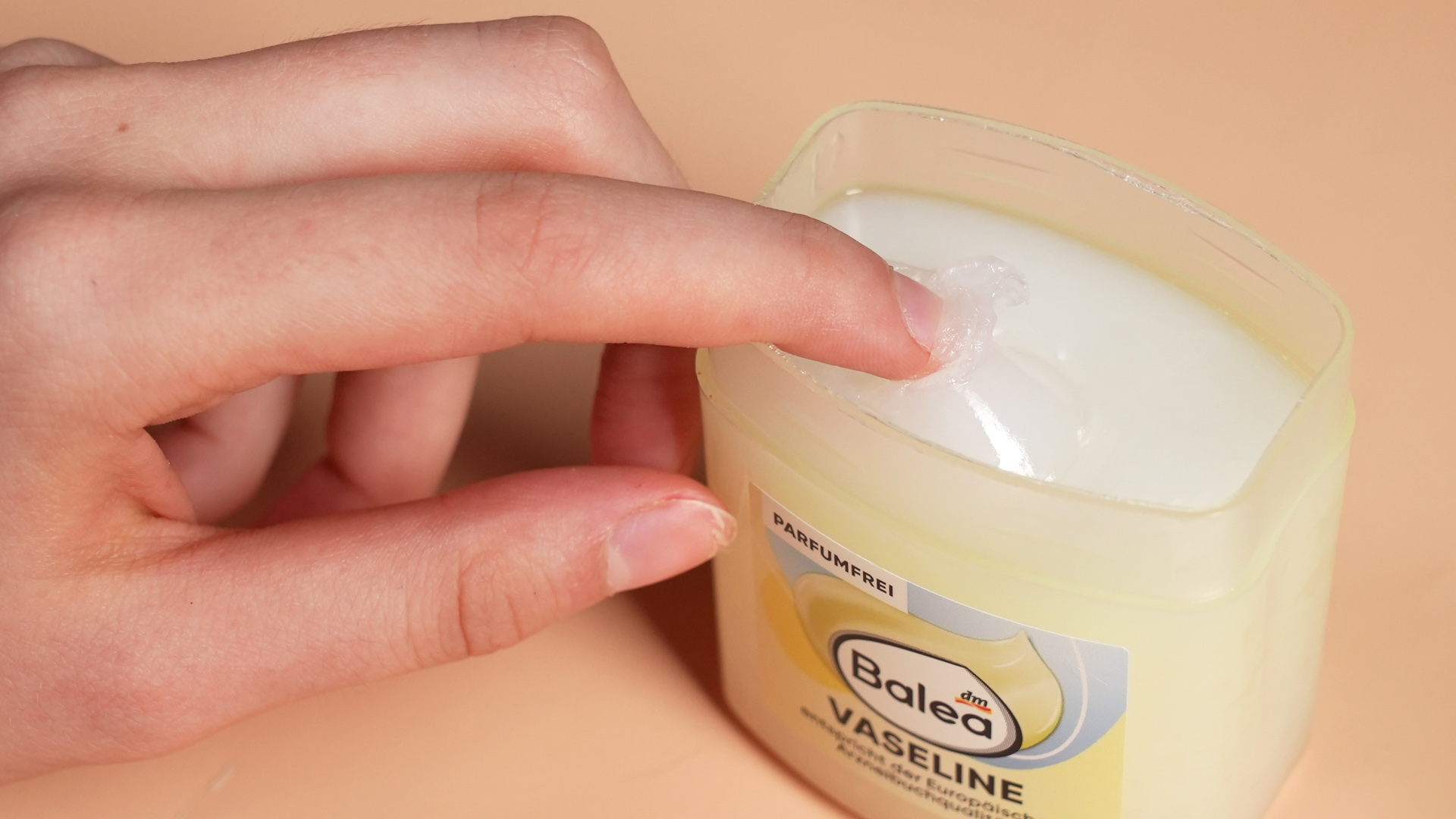
4. Petroleum Jelly
Petroleum jelly can soften marker stains while protecting the skin from too much friction. Spread a thin layer over the ink, wait five minutes, then gently wipe it away with a damp cloth. Repeat once if needed.
This is a good option when the skin already feels dry or irritated. It may not work as fast as alcohol, but it is much kinder to the skin barrier.
5. Makeup Remover
Makeup remover is designed to lift pigments from skin, so it can work surprisingly well on permanent marker. Apply it to a cotton pad and press it over the stain for 10 to 20 seconds. Then wipe gently.
Micellar water, cleansing oil, and eye makeup remover can all help. Choose a fragrance-free formula if possible, especially for children or sensitive skin. Avoid using makeup remover directly in the eyes.
6. Cleansing Balm or Cold Cream
Cleansing balms and cold creams are excellent for stubborn ink because they combine oil and emulsifiers. Rub a pea-sized amount over the stain, massage gently, and remove with a warm damp cloth.
This method works well for marker on the face or neck because it is usually less drying than rubbing alcohol. It is also helpful when the stain has been sitting for several hours.
7. Rubbing Alcohol
Rubbing alcohol is one of the most effective ways to remove permanent marker from skin because alcohol helps dissolve many marker inks. Apply a small amount to a cotton ball, dab the stain, and wipe gently. Rinse immediately afterward.
Use this method only on healthy, unbroken skin. Do not use rubbing alcohol near the eyes, inside the nose, on lips, or on irritated skin. It can be drying, so apply moisturizer after washing.
8. Alcohol-Based Hand Sanitizer
Hand sanitizer can work in a pinch because many formulas contain alcohol. Apply a small drop to the stain, rub gently for 10 to 20 seconds, and wipe away with a damp cloth. Wash the area afterward.
This is convenient for marker stains on hands, but do not overdo it. Repeated sanitizer use can dry the skin, especially around the knuckles and fingertips.
9. Sunscreen
Sunscreen may sound like an odd choice, but some lotions and sprays can help loosen marker because they contain oils, emollients, and ingredients that break up residue. Apply sunscreen over the stain, massage gently, then wipe and wash.
This method is popular with parents because it is usually gentler than alcohol. Use caution with spray sunscreen: apply it to your hand first instead of spraying directly near the face.
10. Shaving Cream
Shaving cream can help lift marker from the skin through a mix of moisture, surfactants, and gentle softening ingredients. Apply a small amount, let it sit for one minute, then massage and rinse.
This works best for light stains or marker that has already faded. Avoid heavily fragranced shaving cream if your skin is sensitive.
11. Whitening Toothpaste
A small amount of whitening toothpaste can help fade marker stains, especially on hands and fingers. Apply a thin layer, rub gently with your fingertip or a soft cloth, and rinse well.
Do not use this on the face, lips, broken skin, or young children’s sensitive areas. Toothpaste can be irritating if left on too long, so keep the contact brief.
12. Baking Soda Paste
Mix baking soda with a few drops of water to create a soft paste. Massage it over the stain for 10 to 15 seconds, then rinse. Baking soda provides mild physical exfoliation, which may help remove ink from the outer skin layer.
Gentle is the key word. If the skin turns red, stop. Baking soda is not ideal for very dry, cracked, or eczema-prone skin.
13. Sugar or Salt Scrub with Oil
For hands, arms, feet, or legs, mix a small amount of sugar or fine salt with olive oil or coconut oil. Rub lightly over the marker stain, then rinse with soap and warm water.
This method combines oil-based stain lifting with mild exfoliation. Use sugar for a softer scrub and salt only if the skin is not irritated. Never use a scrub on the face, sunburned skin, or cuts.
14. Acetone Nail Polish Remover as a Last Resort
Acetone can remove permanent marker quickly, but it is also harsh and drying. Use it only as a last resort on small areas of healthy skin. Apply a tiny amount to a cotton pad, wipe briefly, then wash the area immediately with soap and water.
Do not use acetone on children’s faces, near the eyes, near the mouth, on sensitive areas, or on broken skin. Avoid repeated applications. Afterward, apply a fragrance-free moisturizer or petroleum jelly to help protect the skin barrier.
What Not to Use on Permanent Marker Stains
Some internet hacks are better left in the “absolutely not” drawer. Do not use bleach, toilet cleaner, oven cleaner, disinfectant sprays, paint thinner, gasoline, or industrial solvents on skin. These products can cause burns, irritation, breathing problems, or chemical injuries.
Also avoid scrubbing with abrasive pads. A kitchen sponge may look harmless, but the rough side can create tiny breaks in the skin. Once the skin is irritated, even mild products can sting.
How Long Does Permanent Marker Stay on Skin?
If you do nothing, permanent marker usually fades over several days as the skin naturally sheds and produces oils. Frequent handwashing may speed up fading on fingers and palms, while marks on drier areas may last longer.
Dark colors such as black, blue, and purple may be more stubborn than lighter shades. Fresh ink is generally easier to remove than a stain that has fully dried, so act sooner if you want faster results.
How to Remove Permanent Marker from a Child’s Skin
When dealing with children, choose the gentlest methods first. Warm water and mild soap, baby oil, petroleum jelly, or a fragrance-free makeup remover are usually better starting points than rubbing alcohol or acetone.
Keep removal sessions short. If the marker does not come off after a few tries, let it fade naturally. A faint marker line is better than red, sore skin. If your child drew near the eyes or mouth, wipe gently with a damp cloth and avoid strong solvents.
How to Prevent Marker Stains Next Time
Prevention is easier than removal. Use washable markers for children’s crafts, keep permanent markers capped and out of reach, and wear gloves if you are labeling boxes or doing a messy project. If you need to write on skin for an event, sports activity, or medical note, use a marker designed for skin instead of a regular permanent marker.
For adults, the simplest prevention tip is this: never test a permanent marker on your hand “just to see if it works.” It works. That is the problem.
Real-Life Experience: What Actually Works When Marker Meets Skin
In real life, removing permanent marker from skin is rarely a calm, spa-like experience. It usually begins with someone saying, “Uh-oh,” followed by a frantic search under the sink. The most useful lesson is that the best method depends on the situation, the person, and how fresh the stain is.
For example, if the marker is fresh on the hands, soap and warm water followed by a little baby oil often works beautifully. The soap removes surface ink, while the oil loosens what remains. This combination is especially helpful after labeling moving boxes, writing on plastic storage bins, or helping with a school project. It may not erase the mark instantly, but it usually turns a bold black streak into a faint gray shadow.
For children, patience matters more than perfection. A child with marker on their arm may not care nearly as much as the adult holding the washcloth. In that situation, baby oil or petroleum jelly is usually the most practical choice. Rub gently, wipe, wash, and stop before the skin gets irritated. If a little ink remains, it will fade. The goal is not to win a wrestling match against a marker.
For adults heading to work, a meeting, or a social event, rubbing alcohol or hand sanitizer can be the fastest fix for small stains on the hands. The trick is to use a tiny amount and rinse afterward. Many people make the mistake of applying alcohol again and again until the skin feels tight and dry. That may remove the ink, but it also leaves the skin begging for moisturizer. A better approach is one quick alcohol pass, then soap, water, and a gentle cream.
For facial stains, oil-based cleansers, cleansing balms, or makeup remover are usually smarter than harsh solvents. The skin on the face is more sensitive than the skin on the palms, and anything near the eyes or lips deserves extra caution. If the marker is close to the eye, avoid alcohol and acetone completely. Use a damp cloth and mild cleanser, then let time handle the rest.
One of the most underrated tips is to stop before the skin becomes red. Permanent marker fades, but irritated skin can hurt for days. If a stain is stubborn, take a break and try again later. Skin naturally renews itself, which means time is secretly one of the best stain removers you own. It is not glamorous, it does not come in a fancy bottle, and it will not trend on social mediabut it works.
The most practical “emergency kit” for marker removal is simple: mild soap, baby oil, petroleum jelly, cotton pads, and fragrance-free moisturizer. Add rubbing alcohol for adult hands only, and keep acetone as a last resort. With those basics, most permanent marker accidents can be handled without panic, drama, or scrubbing like you are trying to restore an antique bathtub.
Conclusion
Permanent marker on skin can look dramatic, but it is usually manageable with gentle methods. Start with warm water and mild soap, then try oils, petroleum jelly, makeup remover, or cleansing balm. Use rubbing alcohol or hand sanitizer only when necessary, and save acetone for small, stubborn stains on healthy adult skin. Avoid harsh household chemicals and abrasive scrubbing.
The best way to remove permanent marker from the skin is the method that clears the stain without irritating the skin. Be patient, moisturize afterward, and remember: permanent marker is not always as permanent as it likes to brag.