Note: This article is written in standard American English and formatted as HTML body content for convenient web publishing.
Introduction: Your Jewelry Deserves Better Than “The Mystery Drawer”
Jewelry has a funny way of making life feel more polished. A pair of gold hoops can make a white T-shirt look intentional. A simple pendant can turn “I woke up late” into “minimalist chic.” A cocktail ring can do the emotional labor of making you feel ready for dinner, even if your hair is negotiating with gravity.
But storing jewelry? That is where elegance often takes a vacation. Necklaces become tiny metal spaghetti. Earrings separate like dramatic reality-show contestants. Rings migrate to pockets, bathroom counters, nightstands, tote bags, and occasionally the emotional black hole known as “I swear I put it right here.”
The good news is that jewelry storage does not have to be complicated. In fact, the smartest approach can be boiled down to two ways to store jewelry: protected storage and visible storage. Protected storage keeps pieces safe, dry, separated, and shielded from scratches or tarnish. Visible storage keeps frequently worn jewelry easy to see, grab, and return to its place before your dresser turns into a glittering crime scene.
This guide explains both methods in depth, with practical tips for rings, earrings, necklaces, bracelets, silver, pearls, plated jewelry, fine jewelry, costume jewelry, and travel pieces. Whether you own three sentimental items or a collection that looks suspiciously like a boutique display, the right jewelry organization system can save time, preserve shine, prevent damage, and make accessorizing more fun.
Why Jewelry Storage Matters More Than Most People Think
Jewelry may look tough, especially when it includes diamonds, gold, or chunky metal links, but many pieces are surprisingly sensitive. Metals can scratch. Sterling silver can tarnish. Plated finishes can wear down. Pearls, opals, and softer gemstones need gentler handling than hard stones. Chains can kink, clasps can weaken, and earrings can disappear with the confidence of a magician.
Good jewelry storage helps solve four major problems: scratching, tangling, tarnishing, and forgetting what you own. The last one sounds silly until you buy yet another pair of small gold hoops because your original pair was hiding under a receipt, a lip balm, and one mysterious button.
The best jewelry storage ideas combine protection with visibility. Expensive, delicate, heirloom, or rarely worn pieces usually belong in enclosed storage. Everyday jewelry often works better in an open, easy-access system. Once you understand the difference, organizing jewelry becomes less about buying a fancy box and more about creating habits that actually stick.
Way One: Protected Jewelry Storage
Protected storage is the best choice for valuable, delicate, sentimental, seasonal, or easily damaged jewelry. This includes engagement rings, fine gold jewelry, sterling silver, pearls, gemstone jewelry, heirloom pieces, plated jewelry, and anything you do not wear every day.
The basic idea is simple: keep each piece separated, dry, clean, and cushioned. A proper jewelry box, drawer insert, anti-tarnish pouch, soft cloth bag, travel roll, or divided tray can dramatically reduce the chance of scratches, tangled chains, and dull finishes.
Use a Jewelry Box With Separate Compartments
A jewelry box remains one of the most effective storage options because it offers structure. Look for one with ring rolls, necklace hooks, earring panels, bracelet sections, and small divided compartments. The goal is to give every piece a designated home. Jewelry should not be tossed together in one open space, because harder materials can scratch softer ones.
For example, a diamond ring should not be casually rubbing against a pearl necklace. Diamonds are extremely hard, while pearls are much softer and more vulnerable to surface damage. Similarly, chunky metal bracelets can scratch delicate chains if they are stored together in a crowded compartment.
A lined jewelry box is especially useful for fine jewelry because the soft interior protects surfaces from abrasion. If you own sterling silver, consider a box with anti-tarnish lining or use individual anti-tarnish pouches. This helps reduce air exposure, which can contribute to tarnish over time.
Try Drawer Trays for a Clean, Hidden System
If you prefer a clutter-free bedroom or closet, drawer trays are a beautiful solution. A shallow drawer with velvet or felt-lined inserts can hold rings, earrings, bracelets, watches, brooches, and necklaces in separate sections. This method keeps jewelry out of direct sunlight, away from dust, and safe from accidental bumps.
Drawer storage works especially well for people who like a calm visual space. Instead of displaying every bracelet like a tiny museum exhibit, you can open one drawer and see everything organized by category. Rings go in ring rolls. Stud earrings go in small squares. Hoops get slightly larger spaces. Bracelets and watches get longer sections.
The trick is not to overfill each compartment. If you have to dig, stack, or untangle, the system is already asking too much of you before coffee. Leave breathing room so every piece can be seen and returned easily.
Use Soft Pouches for Delicate or Rarely Worn Pieces
Soft pouches are excellent for pieces that need individual protection. Many jewelers provide small fabric bags with purchases, and these are worth keeping. They protect jewelry from scratches and help separate delicate items from the rest of your collection.
Pouches are especially helpful for pearls, plated jewelry, gemstone pendants, and sentimental pieces. For silver jewelry, anti-tarnish cloth pouches are better than ordinary plastic bags because they help reduce tarnish without trapping unwanted moisture. If you live in a humid climate, a small silica gel packet in the jewelry storage area can help absorb excess moisture.
One simple rule: never store jewelry while it is damp. If you cleaned a ring, wore earrings on a hot day, or removed a necklace after applying perfume or lotion, gently wipe the piece with a soft cloth before storing it. Jewelry enjoys a spa day. It does not enjoy being locked in a tiny damp apartment.
Store Silver, Pearls, and Plated Jewelry With Extra Care
Different materials need different storage habits. Sterling silver should be kept dry and protected from excessive air exposure. Anti-tarnish bags, cloth wraps, or lined boxes are smart choices. Gold-plated and vermeil pieces should be stored separately to reduce friction, because constant rubbing can wear down the outer layer over time.
Pearls need a soft, separate space because they are more delicate than many gemstones. They should be protected from perfumes, harsh chemicals, and extreme temperatures. A soft pouch or lined compartment is usually better than a crowded jewelry box section.
Costume jewelry also benefits from protected storage. Even inexpensive pieces can last longer when they are kept dry, separated, and away from harsh sunlight. A fashion necklace may not be an heirloom, but it still deserves better than being crushed under a hairbrush.
Best Protected Storage Examples
For a small collection, use a compact jewelry box with ring rolls, earring holes, and necklace hooks. For a medium collection, choose stackable drawer trays that can be expanded as your collection grows. For valuable or heirloom pieces, use individual pouches inside a secure drawer or safe. For travel, use a jewelry roll with zipped compartments and necklace tabs.
The protected method is ideal when your top priority is preservation. It may take a few extra seconds to open a drawer or pouch, but it keeps jewelry safer and often cleaner. This is the storage style for pieces you would be genuinely upset to damage, lose, or find tangled into one glittering knot of regret.
Way Two: Visible Jewelry Storage
Visible storage is the best choice for jewelry you wear often. This includes everyday necklaces, favorite earrings, simple rings, bracelets, watches, and pieces that complete your regular outfits. The purpose is convenience. When jewelry is visible, you are more likely to wear it, enjoy it, and put it back in the same place.
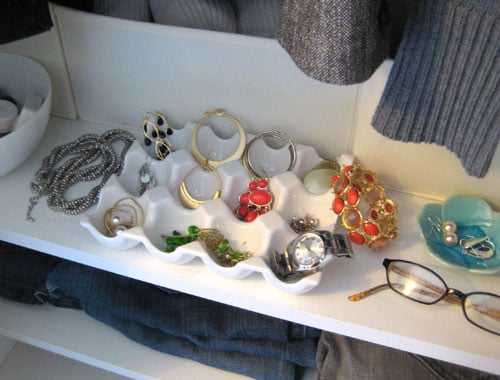
Visible jewelry storage can be stylish and practical at the same time. Think necklace stands, wall hooks, pegboards, acrylic organizers, ring dishes, earring frames, bracelet bars, and small trays near your getting-ready area. This method works beautifully when you want your jewelry to be part of your decor.
Use Hooks or Stands for Necklaces
Necklaces are the drama queens of jewelry storage. Leave them together in a dish, and they will form an emotional support knot by morning. The best way to store frequently worn necklaces is to hang them individually.
A necklace stand, wall-mounted hook rack, decorative pegboard, or small rail can keep chains straight and visible. This prevents tangling and makes it easier to choose the right necklace for your neckline. Short pendants, layered chains, and delicate chokers are especially good candidates for hanging storage.
If you use wall hooks, leave enough space between necklaces so they do not overlap too much. For delicate chains, avoid rough hooks that could snag. Smooth metal, wood, acrylic, or fabric-covered hooks are usually better options.
Create a Small Everyday Jewelry Tray
An everyday tray is one of the easiest jewelry organization ideas because it supports real life. Place a small tray or dish where you naturally remove jewelry: beside the bed, near the closet, or on a dresser. Use it for the pieces you wear constantly, such as a watch, wedding band, simple hoops, or favorite bracelet.
The key is to keep this tray small and intentional. It is not meant to become a jewelry landfill. A good rule is to limit it to five to seven pieces. If the tray starts collecting receipts, coins, lip balm, and an earring back from 2019, it is time for a reset.
Ring dishes are also helpful in specific spots where you remove rings temporarily, such as near a kitchen sink or vanity. However, avoid leaving fine jewelry in humid bathrooms for long periods. Temporary holding is fine. Long-term storage belongs somewhere cleaner, drier, and safer.
Use Earring Organizers for Fast Pairing
Earrings are easier to wear when you can see pairs together. For studs, use a divided tray, earring card, or organizer with small holes. For hoops and drop earrings, try a stand, mesh frame, or rotating earring holder. The goal is to prevent the classic morning treasure hunt for “the other one.”
Visible earring storage is especially useful for costume jewelry and daily fashion earrings. You can sort by color, metal tone, size, or occasion. Keep simple studs in one section, statement earrings in another, and seasonal pieces in a separate area.
If you own fine gemstone earrings, consider keeping them in protected storage when not in frequent rotation. Visible systems are wonderful for convenience, but they do expose jewelry to more dust and air than closed boxes or pouches.
Display Bracelets and Watches on Bars or Rolls
Bracelets and watches can be stored on display bars, bracelet trees, watch rolls, or small stands. This keeps them visible and prevents stacking damage. Bangles, cuffs, and beaded bracelets work particularly well on a horizontal bar. Watches often do best on padded rolls or in divided watch boxes.
For bracelets with delicate stones or plated finishes, avoid overcrowding. When pieces rub together every time you remove one, scratches become more likely. Store your daily favorites where they are easy to grab, and move special-occasion bracelets to a protected box or pouch.
Best Visible Storage Examples
For a minimalist setup, use one necklace stand, one earring holder, and one small catchall tray. For a decorative setup, mount hooks inside a framed board or use a stylish jewelry tree on your dresser. For a closet system, install a shallow wall organizer or pegboard near your mirror. For renters, choose freestanding organizers that do not require drilling.
The visible method is perfect when your top priority is daily use. It turns jewelry into part of your routine instead of something you forget you own. When done well, it looks intentional rather than cluttered. Your necklaces become decor, your earrings become easy to pair, and your morning self becomes slightly less chaotic.
Protected Storage vs. Visible Storage: Which One Should You Choose?
The best answer is usually both. Protected storage and visible storage solve different problems. Protected storage preserves jewelry. Visible storage encourages you to wear it.
Use protected storage for fine jewelry, silver, pearls, heirlooms, plated pieces, sentimental items, and anything you wear occasionally. Use visible storage for everyday jewelry, fashion pieces, frequently worn necklaces, daily earrings, watches, and rings you remove often.
Think of protected storage as the jewelry version of a garage, and visible storage as the valet parking spot. Not everything needs to be on display, and not everything needs to be locked away. The magic happens when each piece lives where it makes the most sense.
How to Organize Jewelry by Category
Necklaces
Hang everyday necklaces on hooks or stands to prevent tangling. Store delicate, valuable, or rarely worn necklaces in long compartments, soft pouches, or individual slots. Clasp chains before storing them so they are less likely to knot.
Rings
Use ring rolls in a jewelry box or drawer tray for long-term storage. Keep one small ring dish only for temporary removal. Avoid placing rings loose in bags or drawers where stones and settings can be scratched.
Earrings
Store studs in divided trays or earring cards. Hang hoops and drop earrings on stands or mesh organizers. Keep fine earrings in separate compartments, especially if they include gemstones or delicate settings.
Bracelets
Place bangles and cuffs on bracelet bars or in long tray sections. Store delicate chain bracelets separately to prevent knots. Keep plated bracelets away from rough surfaces and heavy pieces.
Silver Jewelry
Store sterling silver in anti-tarnish cloth, lined boxes, or pouches. Keep it dry, avoid excess air exposure, and add a small desiccant packet in humid environments.
Pearls and Soft Gemstones
Store pearls separately in a soft pouch or lined compartment. Keep them away from perfumes, household cleaners, and extreme temperatures. Avoid tossing them into mixed storage with harder gemstones.
Common Jewelry Storage Mistakes to Avoid
The first mistake is storing everything together. A single bowl of jewelry may look charming for about six minutes, but it quickly becomes a scratch-and-tangle festival. Separate compartments are your friend.
The second mistake is using the bathroom as a long-term storage zone. Bathrooms are often humid, and moisture can contribute to tarnish or dullness. A bedroom drawer, closet shelf, or dresser is usually better.
The third mistake is storing jewelry while dirty or damp. Lotions, perfumes, sweat, sunscreen, and soap residue can build up on jewelry. A quick wipe with a soft cloth before storage can help preserve shine.
The fourth mistake is over-displaying valuable pieces. Open storage is convenient, but fine jewelry may be safer in closed, cushioned, and secure storage. Use display systems mainly for pieces you wear often and can replace more easily.
The fifth mistake is ignoring travel storage. Throwing jewelry into a makeup bag is an invitation for broken chains and missing earrings. Use a travel jewelry case, pill organizer, or small pouches to separate pieces on the go.
Extra Experience: Real-Life Lessons From Organizing Jewelry
One of the most useful lessons about jewelry storage is that the best system is not always the prettiest one. A gorgeous jewelry box with tiny drawers may look perfect online, but if you have to open five compartments just to find earrings, you may stop using it after a week. Jewelry organization should match your habits, not your fantasy version of yourself who calmly plans outfits the night before.
For daily jewelry, visibility matters. When favorite pieces are easy to see, they get worn more often. A simple necklace stand near a mirror can completely change how you accessorize. Instead of reaching for the same chain every morning, you notice the pendant you forgot, the small layered necklace that works with sweaters, or the bracelet that makes a basic outfit feel finished.
Another experience-based tip: create a “landing zone” before you create a full storage system. Most people lose jewelry not because they lack storage, but because they remove pieces in random places. Rings come off before washing dishes. Earrings come off while watching TV. Necklaces come off when they feel annoying after a long day. If you place small dishes in two or three strategic locations, you reduce the chance of jewelry vanishing into pockets, laundry baskets, or the terrifying space under the bed.
However, landing zones should be temporary. Once a week, move those pieces back to their real storage spots. This small habit keeps the system from collapsing into clutter. Sunday evening works well: wipe pieces gently, match earrings, clasp necklaces, and return everything to its box, tray, pouch, or stand. It takes only a few minutes, but it makes Monday morning feel less like a search-and-rescue mission.
It also helps to organize jewelry by lifestyle instead of only by category. For example, create a small section for work jewelry, another for weekend jewelry, and another for formal pieces. A pair of simple hoops, a watch, and a pendant might live together because they are your weekday uniform. Statement earrings and bold rings might live in a separate visible display because they are used for dinners, parties, or photos. This approach makes storage practical, not just tidy.
Travel teaches another important lesson: less is easier. Instead of packing ten necklaces and creating a portable knot factory, choose a small capsule of jewelry that mixes well. One pair of studs, one pair of statement earrings, one everyday necklace, one dressier necklace, and one bracelet can cover most trips. Use a jewelry roll or small case with separate compartments. If you must improvise, store earrings in a small pill case and thread delicate necklaces through a straw or small card to reduce tangling.
Finally, do not underestimate the emotional value of jewelry. Some pieces are not expensive, but they matter because they came from a parent, grandparent, friend, partner, trip, achievement, or unforgettable season of life. Those pieces deserve intentional storage. A labeled pouch, a dedicated keepsake box, or a separate tray can help protect the story as much as the object.
In the end, the two best ways to store jewelry are not competing methods. They are partners. Protected storage keeps your treasures safe. Visible storage keeps your favorites active in your life. Use both, adjust as your collection changes, and your jewelry will stay cleaner, safer, easier to find, and much more enjoyable to wear.
Conclusion: Store Jewelry So It Stays Beautiful and Wearable
Jewelry storage does not need to be fancy, expensive, or complicated. It needs to be thoughtful. By using two simple methodsprotected storage and visible storageyou can care for delicate pieces while keeping everyday favorites within reach.
Protected storage works best for fine jewelry, sterling silver, pearls, heirlooms, plated pieces, and anything vulnerable to scratches or tarnish. Visible storage works best for necklaces, earrings, bracelets, watches, and rings you wear regularly. Together, they create a system that protects your collection and makes getting dressed easier.
The real goal is not perfection. It is reducing friction. When every necklace, ring, bracelet, and earring has a logical place to go, you spend less time untangling chains and more time enjoying the pieces you already own. That is not just organization. That is self-care with sparkle.