Citric acid sounds friendly because it lives in lemons, limes, sour candy, bath bombs, descaling powders, and the occasional dramatic kitchen experiment. But “natural” does not mean “ignore chemistry and hope for the best.” Citric acid is still an acid, and when it is concentrated, spilled, overused in cleaning, or left sitting on sensitive surfaces, it deserves a little respect.
The good news: neutralizing citric acid is usually simple when you are dealing with a small household amount. A mild base such as baking soda, also called sodium bicarbonate, can react with citric acid to form sodium citrate, water, and carbon dioxide gas. Translation: fizzing happens, the acid gets less acidic, and your countertop gets a tiny science fair moment.
This guide explains how to neutralize citric acid safely in 10 practical steps, whether you are cleaning up a small spill, calming down an overly acidic cleaning solution, or learning why your bath bomb behaves like it just heard exciting gossip. It is written for common household situations, not industrial accidents, laboratory emergencies, or anything involving large quantities, unknown chemicals, strong acids, bleach, ammonia, or sealed containers.
Before You Start: What Neutralizing Citric Acid Really Means
Neutralization is an acid-base reaction. Citric acid donates hydrogen ions, while a base such as sodium bicarbonate accepts them. When baking soda meets citric acid in the presence of water, the reaction produces sodium citrate, water, and carbon dioxide. That carbon dioxide is the familiar bubbling you see in fizzy cleaners, bath bombs, and classroom balloon demonstrations.
For everyday use, your goal is not to perform a perfect chemistry titration in your kitchen. Your goal is to safely bring the solution closer to neutral pH, usually around pH 6 to 8, so it is less acidic and easier to rinse, clean, or dispose of according to local rules. In technical settings, pH paper or a meter should be used. In household settings, pH strips are still a smart, inexpensive upgrade. They are basically tiny lie detectors for liquids.
Tools and Materials You May Need
- Baking soda, also called sodium bicarbonate
- Water for dilution and rinsing
- pH paper or universal pH strips
- Gloves and eye protection
- Paper towels, spill pads, cat litter, sand, or vermiculite for absorption
- A plastic scoop, dustpan, or disposable spoon
- A well-ventilated area
- A non-metal container if you need to mix a small solution
Do not use bleach, ammonia, drain cleaner, oven cleaner, or mystery chemicals to neutralize citric acid. Chemistry is not a potluck; not every ingredient should meet.
How to Neutralize Citric Acid: 10 Steps
Step 1: Identify what kind of citric acid situation you have
First, figure out whether you are dealing with citric acid powder, a diluted citric acid cleaning solution, residue left after descaling, or a spill. A spoonful of food-grade citric acid on a counter is very different from a gallon of concentrated commercial descaler. If the spill is large, unknown, smoking, giving off irritating vapor, near electrical equipment, or mixed with another chemical, stop and call the appropriate safety or emergency contact.
For normal household amounts, move children and pets away from the area. Citric acid can irritate eyes, cuts, and sensitive skin, especially in stronger solutions. You do not need to panic, but you also do not need a toddler helping with “the fizzy snow.”
Step 2: Put on basic protection
Wear gloves if you have them. Use eye protection if you are handling powder, concentrated solution, or anything that might splash. Citric acid powder can puff into the air, and acidic liquid can sting if it reaches your eyes. If citric acid gets on skin, rinse with plenty of water. If it gets in the eyes, rinse carefully for several minutes and seek medical advice if irritation continues.
Good ventilation is also helpful. The neutralization reaction releases carbon dioxide gas. In small amounts, this is usually not a problem, but it is one more reason not to work in a sealed jar, closed bottle, or tiny unventilated space.
Step 3: Contain the spill or solution
If citric acid solution has spilled, stop it from spreading before you start sprinkling anything. Use paper towels, spill pads, cat litter, sand, or another absorbent material to form a small barrier around the outside edge. Work from the perimeter toward the center. This keeps the spill from traveling under appliances, into grout lines, or toward drains.
If you are neutralizing a cleaning solution in a bowl, bucket, or sink, make sure the container has room for foam. The reaction can bubble up quickly. A container filled to the brim is a future mess wearing a disguise.
Step 4: Dilute with water when appropriate
For many household cleaning residues, dilution is the first helpful move. Add water slowly to reduce acidity and make the solution easier to handle. This is especially useful after descaling a kettle, coffee maker, showerhead, or faucet. Rinse the cleaned surface thoroughly before neutralizing any leftover liquid.
Do not add water if the product label or safety instructions tell you not to. While citric acid itself is water-soluble, mixed products may contain other ingredients. When in doubt, follow the label, the safety data sheet, or local hazardous waste guidance.
Step 5: Add baking soda slowly
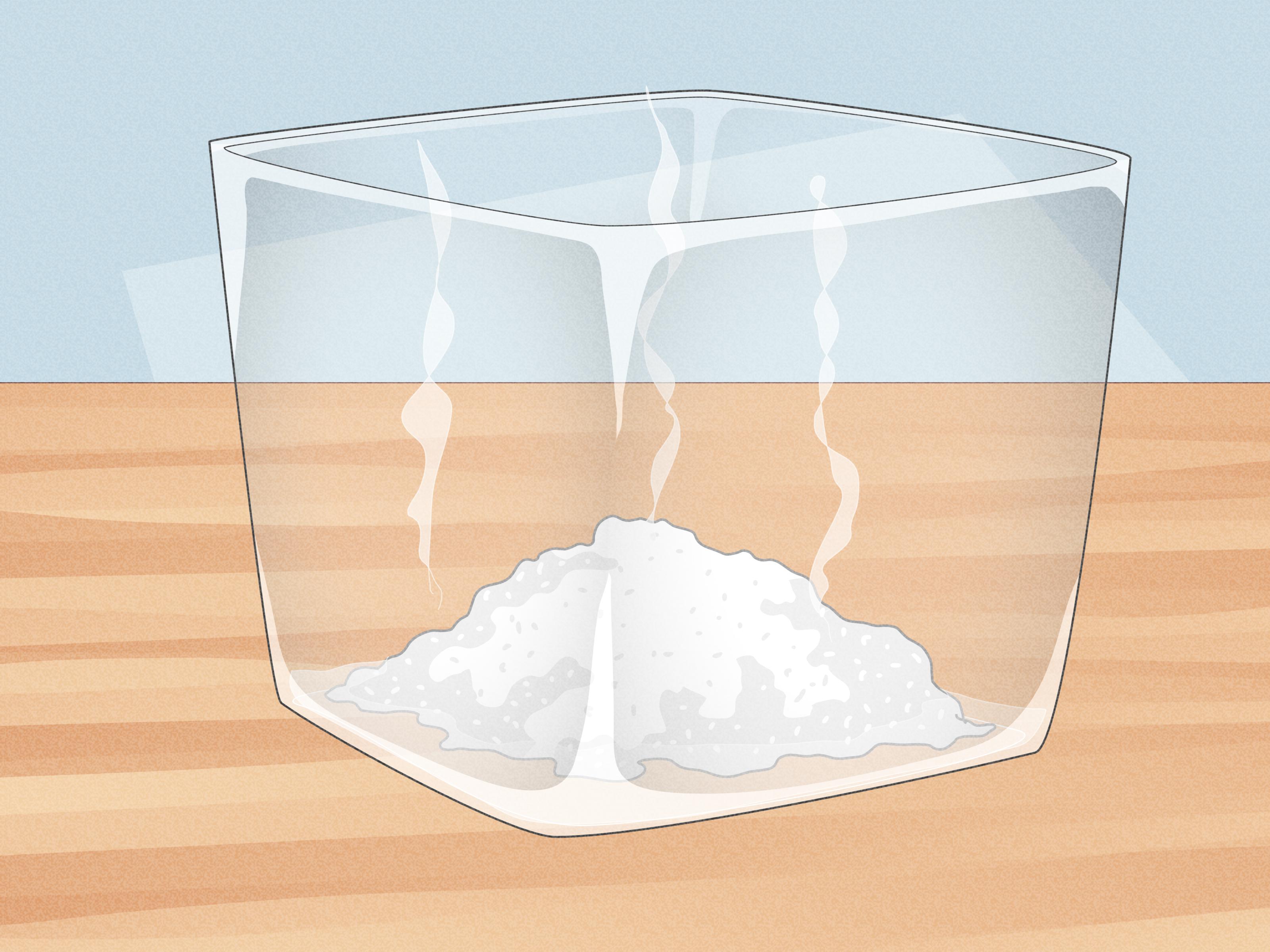
Sprinkle baking soda over the citric acid a little at a time. Do not dump in a huge pile unless you enjoy foam volcanoes and regret. The bubbling means carbon dioxide is being released as the acid and base react. Wait for the fizzing to slow before adding more.
For liquid solutions, stir gently with a disposable spoon or non-reactive utensil. For a spill, sprinkle baking soda from the outside toward the center. This helps control the reaction and prevents splashing. The goal is patient fizz, not a kitchen geyser.
Step 6: Understand the rough ratio
Citric acid is triprotic, meaning each molecule can donate three acidic hydrogen ions. In a simplified complete reaction, one mole of citric acid reacts with three moles of sodium bicarbonate. By weight, that works out to roughly 1.3 grams of baking soda for every 1 gram of anhydrous citric acid. If you are using citric acid monohydrate, the ratio is closer to 1.2 grams of baking soda per 1 gram of citric acid.
In real household life, citric acid may be diluted, mixed with other ingredients, or unevenly spread on a surface. So treat the ratio as a helpful starting point, not a sacred law carved into a lemon. Add baking soda gradually and test the pH if possible.
Step 7: Test the pH
Use pH strips to check whether the solution is still acidic. Dip the strip briefly, compare the color to the chart, and aim for a near-neutral range. For many cleanup situations, pH 6 to 8 is a reasonable target. If the solution is still too acidic, add a little more baking soda and retest.
If you overshoot and the mixture becomes mildly basic, dilute with water and avoid adding more chemicals unless you know what you are doing. Neutralization is not a tennis match where acid and base must keep returning shots forever.
Step 8: Let the fizzing finish
Wait until bubbling slows or stops. Fizzing shows that the acid and bicarbonate are still reacting. If you seal the mixture while it is still producing carbon dioxide, pressure can build. That is why you should never neutralize citric acid in a capped bottle, closed jar, or airtight container.
For a small bowl or bucket, leave space above the liquid. For a spill, give the baking soda time to work through the damp area. Patience is cheaper than cleaning foam out of cabinet hinges.
Step 9: Absorb and clean the area
Once neutralized, absorb the remaining liquid with paper towels, spill pads, cat litter, sand, or vermiculite. Scoop or wipe up the residue and place it in a suitable container or trash bag, depending on the material, amount, and local disposal rules. If this happened in a workplace, lab, classroom, or commercial kitchen, follow the official waste procedure rather than guessing.
After the residue is removed, wash the surface with soap and water. Rinse well. Citric acid can be useful for removing mineral deposits, but if left too long on stone, metal, grout, or delicate finishes, it may dull, etch, or discolor the surface.
Step 10: Dispose of the neutralized mixture properly
Small household amounts of neutralized, food-grade citric acid solution are often rinsed away with plenty of water, but local rules and product labels matter. If the citric acid came from a commercial cleaner, lab reagent, industrial descaler, or unknown container, treat it more cautiously. Do not pour unknown chemical mixtures down the drain.
If you are in a school, lab, office, or workplace, collect the residue and contact the responsible safety person. Proper disposal is not glamorous, but neither is explaining why the sink smells like “experimental lemonade.”
Common Mistakes to Avoid
Using too much baking soda at once
Adding a mountain of baking soda can create rapid foaming. It is safer and cleaner to add small amounts, wait, stir gently if needed, and test.
Neutralizing in a sealed container
Citric acid and baking soda produce carbon dioxide gas. In a sealed container, that gas can build pressure. Keep containers open and give the reaction space.
Mixing citric acid with bleach
Do not mix citric acid with bleach. Acidic products can make bleach mixtures more hazardous. The same caution applies to ammonia and other strong household chemicals. Use one cleaning chemistry at a time.
Assuming “food-safe” means “surface-safe”
Citric acid is used in foods, beverages, and cleaning products, but it can still damage marble, limestone, travertine, unsealed grout, aluminum, and some finishes. Always test cleaning solutions on a small hidden area first.
How to Neutralize Citric Acid on Different Surfaces
Countertops
For laminate, quartz, stainless steel, or sealed surfaces, blot up excess liquid, sprinkle baking soda lightly, let fizzing slow, wipe clean, and rinse with water. For marble or natural stone, act quickly. Citric acid can etch calcium-based stone. Blot, dilute with water, use a tiny amount of baking soda if needed, and rinse thoroughly. Avoid scrubbing with gritty powders on polished stone.
Coffee makers and kettles
Citric acid is commonly used to descale appliances because it helps dissolve mineral buildup. After descaling, run several cycles of clean water. If you accidentally made the solution too strong, dilute it first, then neutralize leftover liquid outside the appliance with baking soda. Do not put foaming baking soda mixtures through a coffee maker unless the manufacturer specifically says it is allowed.
Fabric and clothing
Rinse fabric with cool water first. If the citric acid is from a food spill or mild solution, laundering may be enough. For stronger solution, a small amount of baking soda in water can help reduce acidity, but test colored fabrics first. Citric acid may affect dyes.
Skin
Do not try to neutralize citric acid on skin with baking soda paste as your first move. Rinse with running water. Water dilution is the safest first aid step for most mild skin contact. If burning, redness, or irritation continues, seek medical advice.
Can You Neutralize Citric Acid with Something Besides Baking Soda?
Yes, but baking soda is usually the best household choice because it is mild, cheap, easy to find, and reacts visibly. Sodium carbonate, also called washing soda or soda ash, can also neutralize acids, but it is stronger and more alkaline, so it deserves more caution. Calcium carbonate can neutralize acids too, but it may react more slowly and leave more solid residue.
Sodium hydroxide can neutralize citric acid, but it is caustic and not recommended for casual household neutralization. Using a dangerous base to tame a mild acid is like calling a dragon to remove a housefly.
Experience-Based Tips: What Actually Helps in Real-Life Citric Acid Cleanup
Here is the practical side of neutralizing citric acid: the cleanup usually goes better when you slow down. People often see fizz and assume more fizz means better cleaning, better neutralizing, or better science. Not always. Fizz simply means acid and bicarbonate are reacting and releasing carbon dioxide. If you dump baking soda too quickly into a citric acid solution, you may create a dramatic foam show while still leaving pockets of acidity underneath. The better method is boring but effective: sprinkle, wait, stir or spread gently, test, and repeat.
One useful habit is to keep pH strips near cleaning supplies if you regularly use citric acid powder. They are inexpensive, take almost no space, and prevent guesswork. Without pH strips, people tend to rely on whether fizzing has stopped. That helps, but it is not perfect. Fizzing may stop because the citric acid is neutralized, or because the baking soda did not reach all of the acidic liquid, or because the reaction slowed in a thick paste. A quick pH test gives you a much clearer answer.
Another real-world lesson: surfaces matter. Citric acid is wonderful for mineral scale, but not every surface enjoys an acid bath. It can be too aggressive for marble, limestone, travertine, and some metals. If you used citric acid on a faucet, showerhead, kettle, or coffee maker, rinse thoroughly after the acid has done its job. Neutralizing leftover liquid is useful, but rinsing the actual surface is just as important. A little water can save a lot of dull spots, chalky streaks, and “why does my countertop look tired?” moments.
Storage also matters. Keep citric acid powder dry and clearly labeled. Keep baking soda nearby, but do not store them mixed unless you are intentionally making a dry bath bomb-style blend and understand that water will activate it. Moisture can start the reaction early, causing clumps, pressure, or ruined product. If a container of mixed citric acid and baking soda gets damp, do not seal it tightly. Let any gas escape safely.
For cleaning appliances, the best experience-based advice is to neutralize outside the appliance, not inside it. After descaling a kettle, pour the remaining citric acid solution into a larger bowl or sink area with plenty of room, then add baking soda gradually. Rinse the appliance separately with clean water. This prevents foam from creeping into tubes, valves, heating elements, or tiny places that were not invited to the party.
Finally, do not turn neutralization into a chemistry duel. If a solution is acidic, add a mild base slowly. If it becomes too basic, dilute with water rather than chasing it with more acid. Back-and-forth chemical correcting wastes materials and can create extra heat, foam, residue, or irritation risk. Calm, gradual adjustment wins every time.
Final Thoughts
Neutralizing citric acid is straightforward when the amount is small, the chemical is known, and you use a mild base like baking soda. The core process is simple: protect yourself, contain the liquid, add baking soda slowly, allow the fizzing to finish, test the pH, absorb residue, rinse, and dispose of the mixture responsibly.
Citric acid may be common, but common chemicals still deserve smart handling. Treat it with basic respect, avoid risky mixtures, never seal a fizzing reaction, and keep your cleanup slow enough that the foam does not become the main character. Done right, neutralizing citric acid is less “mad scientist” and more “competent adult with a surprisingly useful box of baking soda.”
Note: This article is for educational and household guidance only. For large spills, workplace incidents, laboratory chemicals, unknown mixtures, eye exposure, persistent skin irritation, or accidental ingestion, follow the product label, safety data sheet, local safety rules, Poison Control guidance, or professional medical advice.