A stomach virus has a special talent for turning an ordinary Tuesday into a dramatic survival documentary filmed entirely from your bathroom. One minute you are fine; the next, your stomach is holding a board meeting and everyone is yelling. The good news is that most cases of viral gastroenteritis, often called the “stomach flu,” improve on their own within a few days. The less glamorous news is that there is no magic button, miracle soup, or heroic antibiotic that makes a virus pack its bags instantly.
So, how do you get rid of a stomach virus? The real answer is: you help your body recover while preventing dehydration and avoiding anything that makes symptoms worse. Viral gastroenteritis usually causes nausea, vomiting, watery diarrhea, stomach cramps, and sometimes a low-grade fever. It is commonly caused by viruses such as norovirus or rotavirus, and it spreads easily through contaminated hands, food, water, and surfaces.
This guide breaks recovery into three practical, medically sensible ways: rehydrate like it is your new part-time job, eat and rest strategically, and stop the virus from spreading while knowing when to get medical help. Think of it as your stomach virus recovery plan, minus the boring lecture and plus a little humor because, frankly, your digestive system has already been rude enough.
Way 1: Rehydrate FirstYour Body Needs Fluids More Than Fancy Food
The most important part of stomach virus treatment is replacing fluids and electrolytes lost through vomiting and diarrhea. Dehydration is the biggest concern, especially for babies, young children, older adults, pregnant people, and anyone with a weakened immune system. Even healthy adults can get dehydrated quickly if they cannot keep liquids down.
Start With Small Sips, Not Big Gulps
When your stomach is irritated, chugging a giant glass of water can backfire spectacularly. Instead, start with tiny sips. Try one or two teaspoons every few minutes, or suck on ice chips if drinking feels impossible. As your stomach settles, gradually increase the amount.
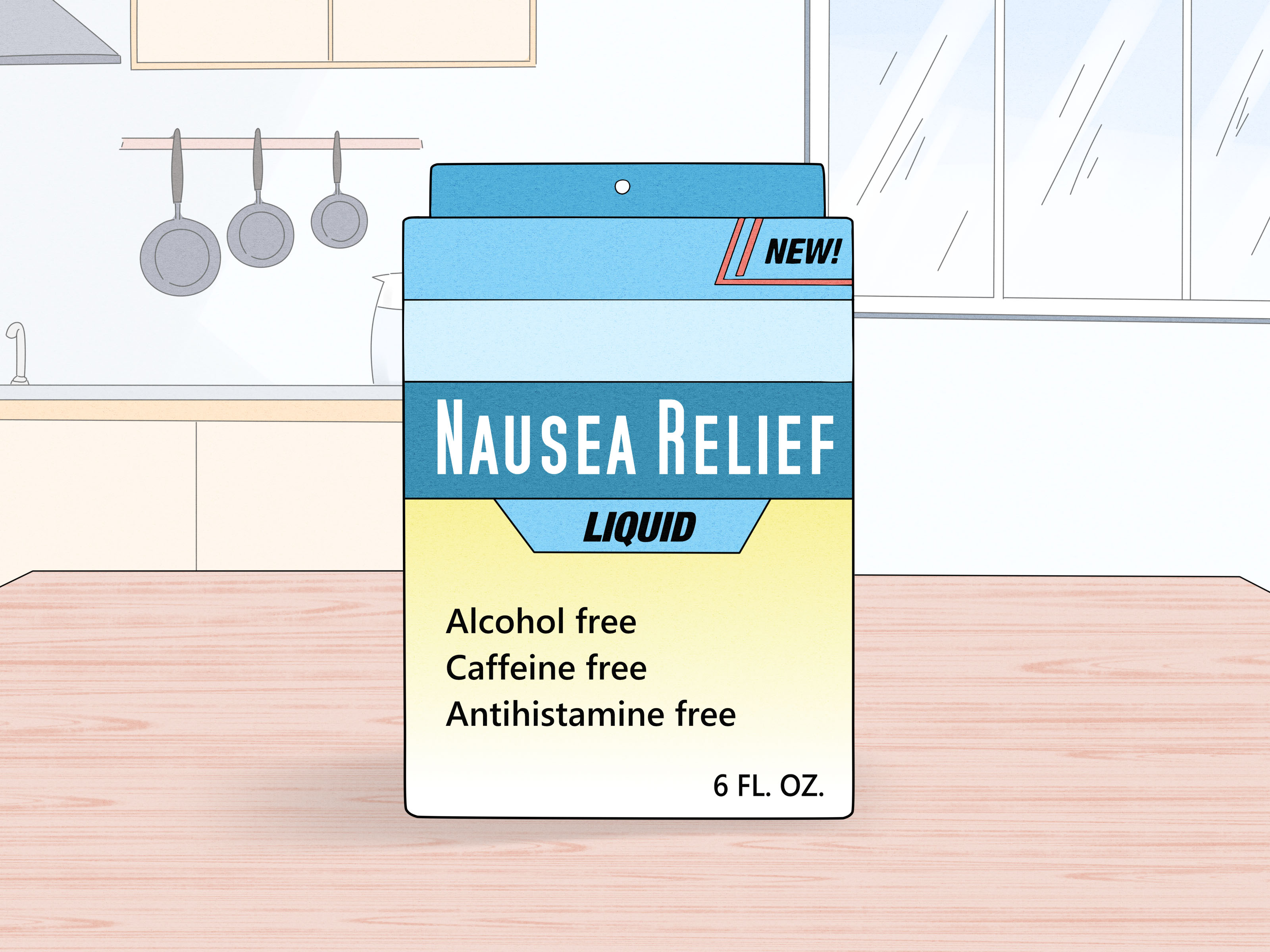
Oral rehydration solutions are often a smart choice because they contain a balanced mix of water, sugar, and electrolytes such as sodium and potassium. These are especially helpful after repeated diarrhea or vomiting. Sports drinks may help some adults, but they can be high in sugar, which may worsen diarrhea for certain people. For children, use a pediatric oral rehydration product rather than guessing with homemade mixtures.
Best Fluids for a Stomach Virus
Good options include oral rehydration solution, water, ice chips, diluted electrolyte drinks, clear broth, and weak tea. If vomiting has been intense, take a short pause from drinking for about 10 to 15 minutes, then restart with tiny sips. The goal is not to win a hydration race. The goal is to keep fluids going in faster than they are going out.
Avoid alcohol, large amounts of caffeine, very sugary drinks, and greasy “comfort beverages” that are more comfort than beverage. Carbonated drinks may also make nausea worse for some people. If your stomach reacts like it has been personally insulted by bubbles, listen to it.
Watch for Signs of Dehydration
Signs of dehydration include extreme thirst, dry mouth, dizziness, weakness, dark urine, urinating less than usual, sunken eyes, and feeling confused or unusually sleepy. In children, warning signs may include no tears when crying, fewer wet diapers, unusual sleepiness, or a dry mouth. Severe dehydration can require urgent medical care and sometimes IV fluids.
If you cannot keep fluids down for many hours, have signs of dehydration, or feel faint when standing, contact a healthcare professional. Getting help early is not being dramatic. It is being smart. Your body is already dealing with a tiny viral troublemaker; do not make it run a desert marathon too.
Way 2: Rest Your Gut, Then Rebuild With Bland Foods
During the worst phase of a stomach virus, eating may sound about as appealing as licking a doorknob. That is normal. For a short time, fluids matter more than meals. Once vomiting slows and your appetite begins to return, choose bland, easy-to-digest foods. The goal is to feed your body without asking your stomach to do advanced gymnastics.
Try Bland Foods When You Can Keep Fluids Down
Traditional bland foods include bananas, rice, applesauce, toast, crackers, plain potatoes, noodles, oatmeal, and soup. These foods are gentle, simple, and less likely to trigger more nausea. You do not need to follow the BRAT diet forever, and it is not nutritionally complete for long-term eating. Think of it as a temporary bridge between “I can only sip water” and “I am ready for a real meal.”
Start small. A few crackers or spoonfuls of rice can be enough at first. If that stays down, try a little more later. Your stomach may not be ready for a full plate, even if your brain is browsing imaginary cheeseburgers.
Foods to Avoid While Recovering
For the first day or two, avoid greasy foods, fried foods, spicy meals, heavy dairy, alcohol, and very sugary snacks. These can irritate the gut and may worsen diarrhea. Milk and cream can be hard to tolerate temporarily, even for people who normally digest dairy without a problem. Plain yogurt with live cultures may be tolerated by some people, but if dairy makes symptoms worse, skip it for now.
Also be careful with high-fiber foods like beans, raw vegetables, and bran cereal during the early recovery phase. Fiber is healthy, but when your intestines are already in protest mode, too much too soon may increase gas and cramping. Save the big salad comeback tour for when your digestive system is no longer sending angry emails.
Use Medicine Carefully
Antibiotics do not treat viral gastroenteritis. They work against bacteria, not viruses, and taking them unnecessarily can cause side effects and contribute to antibiotic resistance. Over-the-counter medicines may help some adults with nausea or diarrhea, but they are not right for everyone.
Do not use anti-diarrhea medicine if you have bloody diarrhea, a high fever, or symptoms that suggest a bacterial infection unless a healthcare professional tells you it is safe. Parents should speak with a pediatrician before giving diarrhea or nausea medicines to children. When in doubt, ask a doctor or pharmacist rather than letting your medicine cabinet freestyle.
Rest Like It Is Part of the TreatmentBecause It Is
Rest helps your immune system do its job. Stomach viruses can leave you weak, achy, and exhausted, even after vomiting or diarrhea improves. Cancel intense workouts, skip unnecessary errands, and give your body permission to be boring. This is not the moment to prove you are tough by deep-cleaning the garage or running six miles. The virus does not award trophies.
Sleep, hydration, and gentle movement around the house are usually enough. Once you have been eating normally, drinking well, and symptom-free for a bit, you can gradually return to your usual routine.
Way 3: Stop the Spread and Know When It Is More Than a Simple Bug
Getting rid of a stomach virus is not only about helping yourself feel better. It is also about keeping the virus from turning your home, school, office, or family group chat into a gastrointestinal disaster zone. Norovirus, one of the most common causes of stomach virus outbreaks, is extremely contagious and can spread through tiny amounts of contaminated stool or vomit.
Wash Hands With Soap and Water
Hand sanitizer is useful in many situations, but soap and water are best for stomach viruses such as norovirus. Wash your hands thoroughly after using the bathroom, changing diapers, cleaning up vomit or diarrhea, and before eating or preparing food. Scrub for at least 20 seconds, including under nails and between fingers.
A helpful trick is to hum a short song while washing. Choose any song you like, as long as your hands get clean. Bonus points if it is dramatic enough to match the situation.
Disinfect High-Touch Surfaces
Clean and disinfect bathroom surfaces, toilet handles, faucets, doorknobs, light switches, phones, counters, and other high-touch areas. For norovirus, many regular cleaning wipes may not be enough. Use a disinfectant labeled effective against norovirus or an appropriate bleach solution for surfaces that can safely handle bleach. Always follow the product label, ventilate the area, wear gloves when needed, and never mix bleach with ammonia or other cleaners.
Wash contaminated laundry with detergent and use the warmest water safe for the fabric. Dry items completely. Handle soiled laundry carefully and avoid shaking it, because that can spread particles. Yes, laundry suddenly becomes a science project. No, you do not have to enjoy it.
Stay Home While Sick
If you have vomiting or diarrhea, stay home and avoid preparing food for others. Many stomach viruses can still spread after symptoms improve, so keep up careful handwashing and cleaning for several days. If you work in food service, healthcare, childcare, or elder care, follow workplace rules before returning.
Children should stay home from school or daycare while actively vomiting or having diarrhea. Returning too early can cause the virus to spread quickly. One sick person can become ten sick people faster than you can say, “Who touched the remote?”
When to Call a Doctor
Most stomach viruses improve with home care, but some symptoms need medical attention. Call a healthcare professional if symptoms are severe, last more than a few days, or if you are at higher risk because of age, pregnancy, immune problems, or a chronic health condition.
Seek urgent care for signs of severe dehydration, blood in stool or vomit, severe abdominal pain, stiff abdomen, persistent high fever, confusion, fainting, or inability to keep fluids down. You should also get medical advice if diarrhea is severe or lasts longer than expected. Not every stomach problem is viral; food poisoning, bacterial infections, parasites, appendicitis, medication reactions, and other conditions can sometimes look similar.
How Long Does a Stomach Virus Last?
Many stomach viruses improve within one to three days, though weakness and appetite changes may last longer. Some people need several days to feel fully normal again. The exact timeline depends on the virus, your age, hydration status, and overall health.
A practical recovery timeline may look like this: the first 24 hours are often the roughest, with nausea, vomiting, cramps, or diarrhea. By day two, vomiting may ease, but diarrhea and fatigue can continue. By day three or four, many people are able to eat more normally, though the stomach may still be sensitive. If symptoms worsen instead of improving, that is a reason to check in with a healthcare professional.
Common Myths About Getting Rid of a Stomach Virus
Myth 1: You Need Antibiotics
Antibiotics do not kill viruses. A stomach virus usually needs supportive care: fluids, electrolytes, rest, and time. A doctor may consider testing or treatment if symptoms suggest a bacterial or parasitic infection, but antibiotics are not a routine fix for viral gastroenteritis.
Myth 2: You Should Stop Diarrhea Immediately
Diarrhea is unpleasant, but it is part of how your body responds to infection. Some medicines may reduce symptoms in certain adults, but stopping diarrhea is not always safe, especially if there is fever or blood. Focus first on hydration and medical guidance when symptoms are concerning.
Myth 3: If You Feel Better, You Cannot Spread It
Some stomach viruses can still spread after symptoms improve. That is why handwashing, bathroom cleaning, and avoiding food preparation for others remain important even when you feel human again.
Practical Recovery Checklist
- Take small, frequent sips of fluid.
- Use oral rehydration solution if vomiting or diarrhea is heavy.
- Start bland foods only when you can keep liquids down.
- Avoid greasy, spicy, sugary, and heavy dairy foods at first.
- Rest and avoid intense activity until strength returns.
- Wash hands with soap and water often.
- Disinfect high-touch surfaces with the right cleaner.
- Call a doctor for dehydration, blood, severe pain, high fever, or symptoms that do not improve.
Real-Life Experiences: What Stomach Virus Recovery Often Feels Like
Anyone who has had a stomach virus knows the experience is not just “feeling a little sick.” It can feel like your entire digestive system has joined a rebellious marching band. The first stage is often denial. You feel a strange rumble and tell yourself it was probably lunch. Then comes the second rumble, the suspicious burp, the sudden need to locate the nearest bathroom, and the quiet realization that lunch was not acting alone.
In real life, recovery is rarely neat. You may feel better for an hour, then suddenly need to lie down again. You may crave food, take three bites, and decide your stomach is not accepting visitors. That does not mean you are failing. It means your gut lining is irritated and needs time to calm down. Many people find that the most helpful approach is boring but effective: sip fluids, rest, nibble bland food, repeat.
One common experience is underestimating dehydration. People often think, “I drank some water, so I am fine,” but repeated vomiting or diarrhea can drain fluids and electrolytes quickly. A better strategy is to keep a bottle or cup nearby and sip steadily. Setting a small goal, such as a few sips every five minutes, can feel more manageable than staring at a huge glass of water like it is a final exam.
Another familiar moment is the return of appetite. This is exciting, but it is also where many people make the classic mistake: they celebrate with pizza, tacos, fries, or a heroic bowl of ice cream. Unfortunately, the stomach often responds with, “Absolutely not.” A gentler comeback meal is usually smarter. Toast, rice, bananas, crackers, potatoes, oatmeal, or soup may not win a food magazine award, but they can help you re-enter society without digestive fireworks.
Families dealing with a stomach virus often learn that prevention is a team sport. If one person is sick, everyone suddenly becomes aware of doorknobs, faucet handles, towels, phones, and the mysterious journey of the TV remote. Soap-and-water handwashing becomes the household anthem. The bathroom gets cleaned more carefully than it has been cleaned in months. Nobody wants round two.
Emotionally, a stomach virus can also make people feel anxious or frustrated. Being unable to eat normally, sleep comfortably, or leave the house can make a short illness feel long. The best mindset is to treat recovery like a reset period. Clear your schedule if possible, keep comfort items nearby, and do not rush your body just because your calendar is impatient.
The encouraging part is that most people do recover with time and supportive care. The turning point is often subtle: fewer bathroom trips, less nausea, a little more energy, and the first meal that does not feel like a negotiation. When that happens, continue taking it slow. Your stomach may forgive you, but it appreciates a polite apology in the form of bland food and hydration.
Conclusion
The best way to get rid of a stomach virus is to support your body while it clears the infection naturally. Hydration is the priority, especially when vomiting or diarrhea is frequent. Bland foods and rest help your gut recover without adding extra stress. Good hygiene and proper disinfection reduce the chance of spreading the virus to others.
Most cases pass within a few days, but do not ignore warning signs. Severe dehydration, blood in stool or vomit, intense abdominal pain, persistent high fever, confusion, fainting, or symptoms that keep getting worse deserve medical attention. A stomach virus may be common, but your health is not something to gamble with.
In short: sip, rest, clean, repeat. Your stomach may be temporarily dramatic, but with smart care, patience, and a little respect for the power of soap, you can get through it.