Note: This guide is written for washable clothes, tents, sleeping bags, backpacks, tarps, camp chairs, and other outdoor gear. Always check care labels first, test any cleaning solution on a hidden area, and never mix bleach with ammonia, vinegar, or peroxide.
When the Campsite Turns Into a Skunk-Scented Crime Scene
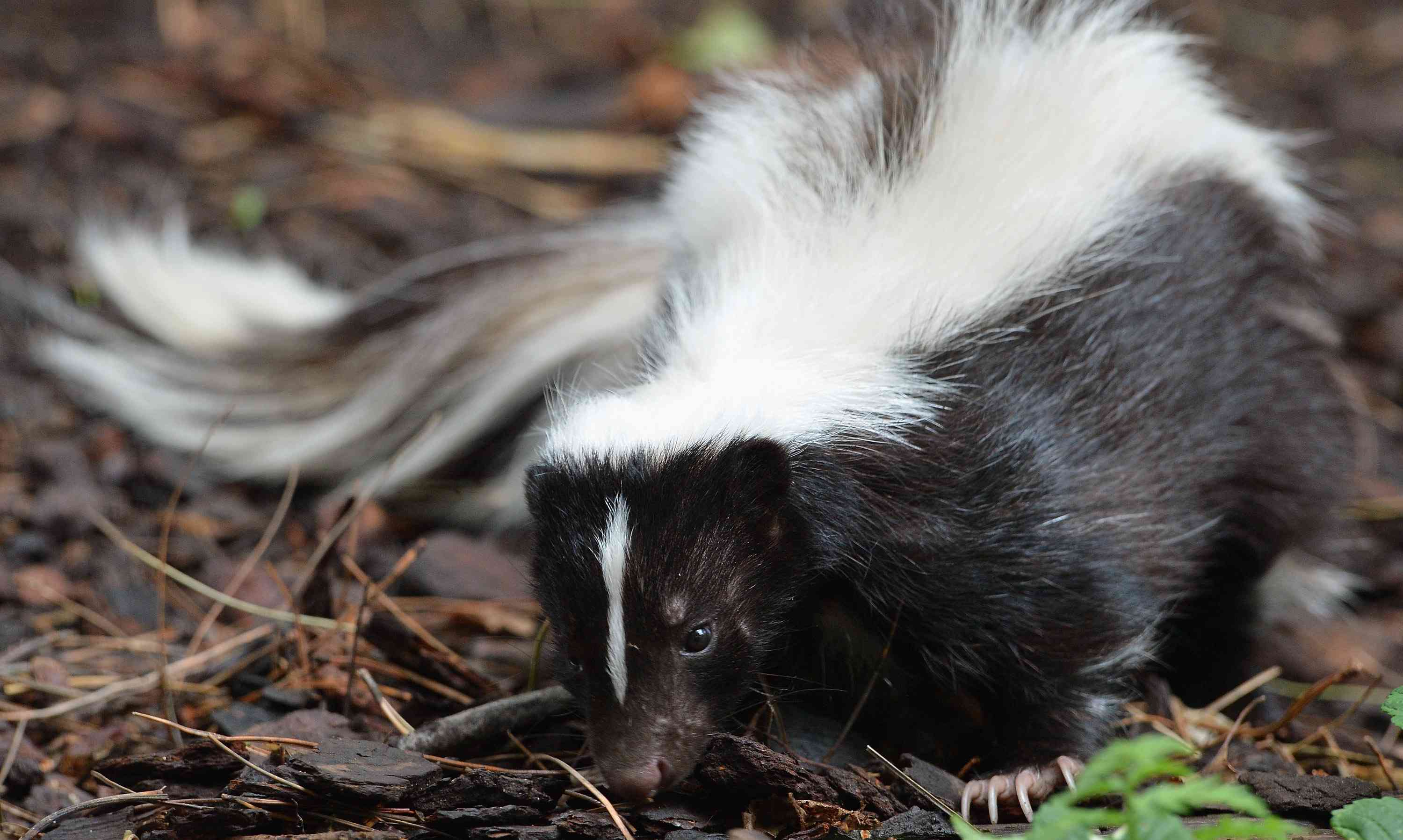
Few outdoor surprises can humble a camper faster than skunk spray. One minute you are roasting marshmallows and pretending your campfire coffee tastes “rustic.” The next, your hoodie, tent vestibule, boots, and emotional stability all smell like burnt garlic, rotten eggs, and regret.
The good news? Skunk odor is not a life sentence. The bad news? You cannot simply drown it in laundry detergent and hope the washing machine performs a miracle. Skunk spray is oily, sulfur-heavy, and famously stubborn. To get skunk smell out of clothes and camping equipment, you need to break down the odor-causing compounds, wash away the oily residue, and avoid mistakes that make the smell cling harder.
This in-depth guide explains how to remove skunk odor from washable clothing, tents, sleeping bags, backpacks, boots, camp chairs, and other outdoor gear using practical, real-world methods. No tomato juice bath required. Your dignity has suffered enough.
Why Skunk Smell Sticks to Clothes and Gear
Skunk spray contains sulfur-based compounds called thiols, which are responsible for that sharp, eye-watering smell. The spray also contains oily compounds that help it cling to fabric, hair, nylon, leather, canvas, tent mesh, and basically anything you were hoping to keep fresh.
That is why regular washing often helps only a little. Detergent can remove some surface oil, but odor molecules may remain trapped in fabric fibers or gear coatings. Heat can make the problem worse by setting the smell deeper into the material. Humidity can also reactivate leftover odor, which is why a jacket may seem fine in the garage but suddenly become a portable skunk cloud during a damp morning hike.
What Not to Do First
Do Not Put Skunked Clothes in the Dryer
This is the number one rule. Heat can bake the odor into fabric. If the smell is still present after washing, the dryer may turn a fixable problem into a long-term relationship. Air dry everything until you are completely sure the smell is gone.
Do Not Bring Everything Straight Indoors
Skunk odor spreads fast. Keep sprayed clothes and camping equipment outside, in a garage, on a porch, or in a well-ventilated laundry area. Bag items loosely only if you must transport them, and open the bag outdoors as soon as possible.
Do Not Rely on Tomato Juice
Tomato juice may mask skunk odor for a while, but it does not reliably neutralize the compounds causing the smell. It can also stain fabric and turn your laundry project into a soup accident. Save the tomato products for pasta night.
Do Not Mix Random Cleaners
Never mix bleach with ammonia, vinegar, or hydrogen peroxide. Some combinations can create dangerous fumes. Stick to one cleaning method at a time, rinse thoroughly, and keep your work area ventilated.
Supplies You May Need
- 3% hydrogen peroxide
- Baking soda
- Grease-cutting dish soap
- Heavy-duty laundry detergent
- White vinegar
- Rubber gloves
- A large bucket, tote, or washtub
- Soft brush or sponge
- Old towels
- Clothesline or drying rack
- Commercial enzyme or skunk odor remover, optional
The Best DIY Skunk Odor Remover for Washable Items
For many washable fabrics and hardier outdoor items, the classic odor-neutralizing mixture is:
- 1 quart of fresh 3% hydrogen peroxide
- 1/4 cup baking soda
- 1 to 2 teaspoons grease-cutting dish soap
Mix it in an open container right before use. Do not store it in a sealed bottle or closed jug. The mixture releases oxygen and pressure can build up. In plain English: do not create a tiny science-fair volcano with a lid.
Hydrogen peroxide and baking soda help oxidize the odor compounds, while dish soap helps cut through the oily spray. However, peroxide can lighten or discolor some fabrics. Always test first on a hidden seam, inner pocket, or underside of the gear.
How To Get Skunk Smell Out of Clothes
Step 1: Separate the Skunked Laundry
Keep sprayed clothes away from regular laundry. Do not toss the smoky campfire hoodie, clean socks, and skunked pants into one heroic load. The odor can transfer. Sort heavily sprayed items from lightly exposed clothes.
Step 2: Pretreat the Worst Areas
Put on gloves. If the skunk spray hit a specific area, such as a pant leg, sleeve, or jacket hem, apply the peroxide-baking soda-dish soap mixture directly to that area after testing. Gently work it in with your fingers or a soft brush. Let it sit for 10 to 15 minutes.
For delicate colors, use a milder approach: mix cool water with baking soda and a small amount of detergent, then soak before washing. It may take more than one round, but your favorite flannel will have a better chance of surviving without surprise tie-dye effects.
Step 3: Soak Washable Clothes
Fill a bucket or utility sink with cool water. Add the odor-removing mixture or use 1/2 cup baking soda with laundry detergent for lighter odor. Soak the clothing for 30 minutes to one hour. For strong odor, you may need a longer soak, but check the fabric often.
Step 4: Wash With Heavy-Duty Detergent
Wash clothes according to the care label. Use the warmest water that is safe for the fabric. Add a heavy-duty laundry detergent. For durable items like cotton work pants, socks, and some synthetic base layers, adding 1/2 cup baking soda to the wash can help deodorize.
Step 5: Air Dry and Smell Test
Air dry clothes outdoors if possible. Once dry, smell the garment carefully. If the odor remains, repeat the pretreating and washing process before using a dryer. Skunk odor removal is often a two-round event, not a one-wash victory parade.
How To Remove Skunk Smell From Camping Equipment
Tents
Never throw a tent into a washing machine unless the manufacturer says it is safe. Most tents have coatings, seam tape, mesh, and poles that do not appreciate being spun like carnival equipment.
Set the tent up outdoors or spread it over a clean surface. Blot any oily spray with old towels. Mix cool water with mild dish soap and baking soda, then gently sponge the affected areas. For stubborn odor on durable tent fabric, test a diluted peroxide solution on a hidden area before applying. Rinse with clean water and let the tent air dry completely before storage.
Pay special attention to the rainfly, vestibule, tent door, and lower walls. Skunks are low riders, so the lower parts of tents often catch the worst of the spray.
Sleeping Bags
Check the care label first. Synthetic sleeping bags are usually easier to clean than down bags. For synthetic bags, pretreat the sprayed area with a mild solution of baking soda, dish soap, and cool water. Rinse lightly, then wash in a front-loading machine if the label allows. Use a gentle cycle and mild detergent.
For down sleeping bags, avoid harsh soaking unless the odor is severe. Down can clump, lose loft, or take ages to dry. Use a down-safe cleaner when possible, spot clean first, and dry thoroughly according to the manufacturer’s instructions.
Backpacks
Empty every pocket. Remove crumbs, wrappers, socks, mystery trail mix, and anything else that might be helping the smell linger. Wipe the pack with cool water and dish soap. For fabric areas that can handle it, use a baking soda paste or a diluted peroxide mixture after testing.
Rinse with a damp cloth instead of soaking the entire pack, especially if it has a frame, padding, leather trim, or waterproof coating. Hang it upside down with pockets open until fully dry.
Boots and Hiking Shoes
Remove laces and insoles. Wash laces separately. Sprinkle baking soda inside the boots and let it sit overnight, then shake it out. Wipe the exterior with dish soap and cool water. For rubber soles, a soft brush can help remove oily residue from tread grooves.
Leather boots need extra care. Avoid soaking them. Use a leather-safe cleaner, wipe gently, dry away from direct heat, and condition the leather afterward if needed.
Camp Chairs, Tarps, and Hammocks
For polyester camp chairs, tarps, hammocks, and similar outdoor fabrics, start with dish soap, cool water, and baking soda. Scrub lightly, rinse well, and air dry in sunlight. If odor remains, use a commercial skunk odor remover that is safe for fabrics, or test the peroxide mixture on a hidden area.
Using White Vinegar for Skunk Odor
White vinegar can help with lingering odors, especially when peroxide is too risky for colored fabrics. Mix one part white vinegar with four parts water and soak washable clothing for one to three hours. Then wash with detergent and air dry.
For gear, wipe surfaces with a diluted vinegar solution, then rinse with clean water. Do not use vinegar on materials that the manufacturer warns against, and never mix vinegar with bleach.
Commercial Skunk Odor Removers: When DIY Is Not Enough
If the spray was direct, heavy, or soaked into expensive gear, a commercial skunk odor remover may be worth it. Look for products labeled for fabrics, outdoor equipment, or pet-safe odor removal, depending on what you are cleaning. Enzyme-based and oxidizing cleaners are often more useful than perfumes because they target the odor instead of simply covering it.
Follow the product directions exactly. More cleaner is not always better. Oversaturating gear can damage coatings, padding, or insulation. When in doubt, clean in stages: treat, rinse, dry, smell test, and repeat.
How To Keep Skunk Odor From Spreading
- Handle sprayed items outdoors whenever possible.
- Wear gloves so you do not transfer odor to your hands.
- Use old towels for blotting and wash them separately.
- Keep skunked gear away from car upholstery.
- Ventilate the laundry room, garage, or storage area.
- Do not store cleaned gear until it is completely dry and odor-free.
How Long Does Skunk Smell Last?
Untreated skunk smell can linger for days or even weeks, especially on porous materials. On camping gear, the odor may fade in dry weather and return when the item gets damp. That is why proper cleaning and air drying matter so much.
If you washed a jacket and it smells fine indoors, test it again after it dries outside. If the odor returns when the fabric warms up or gets humid, repeat the cleaning process before storing it with other gear.
How To Prevent Skunk Problems at Camp
Skunks usually do not want drama. They are attracted to food, trash, pet bowls, and easy snacks. To reduce your chances of getting sprayed, store food in sealed containers, use campsite bear boxes where available, clean cooking areas, and keep trash secured. Never approach a skunk, even if it looks calm. If it stamps, raises its tail, turns its back, or gives you the suspicious over-the-shoulder look, back away slowly.
Also keep shoes, backpacks, and clothing inside the tent or vehicle at night. A curious skunk investigating a salty hiking boot is not the kind of wildlife encounter anyone writes postcards about.
Field Notes: Real-World Experiences With Skunked Clothes and Camping Gear
Anyone who camps long enough eventually learns that outdoor gear has a memory. It remembers campfire smoke, wet dog, spilled chili, lake mud, and, in the worst cases, skunk spray. The biggest lesson from real-life skunk cleanup is that speed matters, but panic does not help. The people who recover their gear best usually do three things quickly: isolate the sprayed items, avoid heat, and start deodorizing before the smell migrates into the car, garage, or laundry basket.
One common camping scenario begins with a late-night trash mistake. Someone leaves a snack wrapper in a backpack pocket or forgets to seal the food tote. A skunk wanders in, finds the buffet disappointing, gets startled, and leaves a scented farewell. In this case, the backpack may not be fully soaked, but the lower straps, hip belt, or front pocket can carry the odor. The best approach is to empty the pack outside, wipe every surface, remove crumbs, and treat only the affected fabric first. Full soaking may damage structure or padding, so controlled cleaning works better than dunking the entire backpack like a dirty potato.
Clothing is usually simpler, but it still requires patience. A sprayed hoodie or pair of hiking pants may need two or three wash cycles. The key is air drying between rounds. Many people make the mistake of washing once, smelling only a faint odor, and tossing the item into the dryer. Then the heat locks in the smell, and the hoodie becomes “the skunk hoodie,” a garment with its own tragic identity. Air drying gives you a chance to check whether the odor is truly gone before adding heat.
Tents require the most restraint. When a tent smells terrible, the natural urge is to attack it with every cleaner under the sink. Resist that urge. Tent coatings and seam tape can be damaged by harsh scrubbing, hot water, or strong chemicals. A slow method works better: pitch the tent, ventilate it, blot oily areas, sponge clean with mild solutions, rinse lightly, and let it dry completely. Sunlight and fresh air can help, but do not leave delicate fabrics baking for days in extreme heat.
Sleeping bags are another test of judgment. A synthetic bag can often handle careful washing, but down gear deserves special caution. Spot cleaning first may save the bag’s loft. If the odor is deep in the insulation, a down-safe wash or professional cleaning may be smarter than experimenting with aggressive home remedies.
The most practical habit is building a small “odor emergency kit” for camping: baking soda, dish soap, gloves, trash bags, old towels, and a small bottle of 3% hydrogen peroxide purchased fresh before the trip. You may never need it. But if a skunk turns your campsite into a biology lesson, you will look like the calm, prepared genius of the group. Slightly smelly, perhaps, but still a genius.
Conclusion
Getting skunk smell out of clothes and camping equipment is not about covering the odor with perfume, tomato juice, or wishful thinking. It is about neutralizing sulfur compounds, removing oily residue, and drying everything thoroughly before storage. For washable clothing, a careful peroxide, baking soda, and dish soap treatment can be highly effective. For tents, backpacks, boots, and sleeping bags, use a gentler approach based on the material and care instructions.
The golden rules are simple: keep skunked items separate, do not use the dryer too soon, test cleaning solutions first, avoid dangerous chemical mixtures, and repeat the process if needed. With patience and the right method, your camping gear can return to smelling like nylon, pine needles, and mild campfire smoke instead of a defensive woodland creature with excellent aim.