Apple juice is already delightful. It is sweet, bright, golden, and basically autumn in liquid form. But when people talk about fermenting apple juice, things get more interestingand a little more serious. Fermentation can create tangy flavor, natural fizz, vinegar-like sharpness, or, in some cases, alcohol. That means this topic deserves more than a “toss it in a jar and hope for the best” approach.
This guide explains how to think about fermenting apple juice safely, especially if you are learning about fermentation for the first time. Instead of giving a risky alcohol-making recipe, it focuses on food safety, flavor development, equipment awareness, sanitation, storage, and the science behind what happens when microorganisms meet apple sugar. In other words, we are inviting tiny microbes to the partybut we are not letting them run the house.
Whether your goal is to understand fermented apple drinks, explore apple cider vinegar concepts, or learn why pasteurized juice matters, these 11 steps will help you approach the process with confidence and common sense.
What Does It Mean to Ferment Apple Juice?
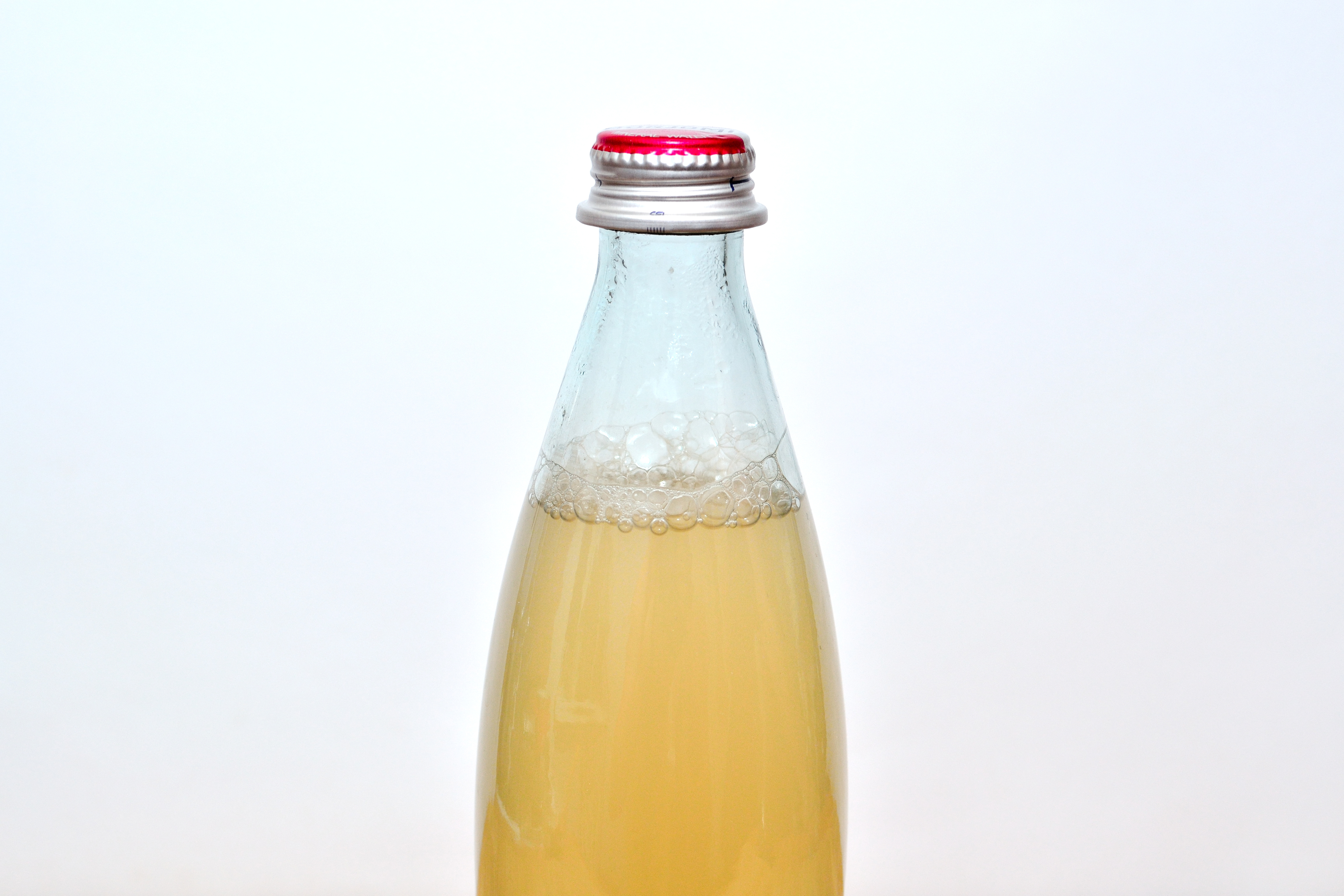
Fermentation is a natural process in which microorganisms such as yeast or bacteria convert sugars into other compounds. Depending on the organisms involved and the conditions used, apple juice fermentation may produce acids, carbon dioxide, complex flavors, or alcohol. This is why apple juice can become fizzy, sour, dry, or sharp over time.
The key point is this: not every bubbling bottle is safe, and not every “natural” ferment is automatically healthy. Fermentation is food science, not kitchen magic. When done carelessly, juice can spoil, grow unwanted microorganisms, build dangerous pressure, or become unsafe to drink.
How to Ferment Apple Juice Safely: 11 Steps
1. Understand the Type of Fermentation You Are Discussing
Before touching a bottle of apple juice, understand the difference between major fermentation types. Alcoholic fermentation uses yeast to convert sugar into alcohol and carbon dioxide. Acetic acid fermentation can turn alcoholic liquid into vinegar-like acidity. Lactic acid fermentation, common in foods like sauerkraut and yogurt, relies on beneficial bacteria that create lactic acid.
Apple juice is high in natural sugar, so it can move quickly in the direction of alcohol if yeast is active. For anyone under the legal drinking age, the safest approach is to treat this topic as educational and focus on non-alcoholic food safety, pasteurized juice, vinegar science, and supervised culinary learning.
2. Start With Pasteurized Apple Juice or Cider
Fresh apple cider from farms and roadside stands can taste amazing, but unpasteurized juice may contain harmful bacteria. Pasteurization or another validated treatment helps reduce foodborne illness risk. If the label says the product is unpasteurized, handle it carefully and do not assume fermentation will “fix” safety problems.
For learning purposes, pasteurized apple juice is the smarter starting point. It gives you a cleaner, safer base and reduces the chance that unwanted microorganisms will crash the party wearing muddy boots.
3. Check the Ingredient Label
Some commercial apple juices contain preservatives that are designed to prevent microbial growth. That is great for shelf life, but it can interfere with fermentation experiments. For general food-learning projects, choose juice with simple ingredients and no signs of spoilage, swelling, leaks, or strange odors.
A good label-reading habit also helps you understand sweetness, acidity, added flavors, and whether the juice is shelf-stable or refrigerated. Fermentation begins with curiosity, but safe fermentation begins with reading the bottle.
4. Clean and Sanitize Everything
Fermentation is all about encouraging the right microorganisms while discouraging the wrong ones. That means clean hands, clean surfaces, clean utensils, and clean containers. Wash equipment with hot, soapy water, rinse well, and use food-safe sanitizing methods when appropriate.
Do not use containers that previously held chemicals, non-food products, or mystery leftovers from the back of the garage. Fermentation vessels should be food-grade glass or food-grade plastic, and they should be free from cracks, chips, rust, or lingering odors.
5. Avoid Guesswork With Safety
One of the biggest beginner mistakes is trusting appearance alone. A fermented liquid may look fine and still be unsafe. A cloudy drink is not automatically dangerous, and a clear drink is not automatically safe. Smell, color, bubbles, and taste are clues, not laboratory tests.
Food safety depends on factors such as acidity, temperature, time, sanitation, and storage. If a guide does not explain those factors, treat it like a recipe written by a raccoon with Wi-Fi: entertaining, maybe, but not reliable.
6. Learn Why Acidity Matters
Acidity plays a major role in fermented food safety. Many harmful microorganisms struggle in sufficiently acidic environments, while some beneficial fermentation organisms help create acids that preserve food. However, you cannot simply assume apple juice has become acidic enough because it tastes tangy.
People who seriously study fermentation often use pH meters or appropriate test strips to monitor acidity. This is especially important for experimental ferments. A sour flavor is useful for your tongue, but your tongue is not a calibrated scientific instrument.
7. Control Temperature Instead of “Leaving It Somewhere”
Temperature affects fermentation speed, flavor, and safety. A warm kitchen can speed up microbial activity, while cooler conditions slow it down. Big temperature swings can also lead to unpredictable results.
For beginners, the important lesson is simple: do not rely on random countertop conditions for safety. Research-based recipes and starter-culture instructions usually specify proper temperature ranges. Follow those directions rather than inventing your own climate system next to the toaster.
8. Watch for Spoilage Signs
Some fermentation changes are normal: cloudiness, sediment, tangy aroma, or gentle bubbling may occur depending on the type of ferment. But obvious mold, rotten smells, slimy texture, leaking containers, or pressure-swollen bottles are warning signs.
When in doubt, throw it out. This is not wasteful; it is smart. No homemade beverage is worth a stomach rebellion. Your future self will not thank you for “being brave” with a suspicious jar.
9. Be Careful With Carbonation and Pressure
Fermentation can create carbon dioxide. In a sealed container, that gas can build pressure. Too much pressure may cause leaks, spraying, broken glass, or bottle explosions. This is one reason casual online advice about fermenting sweet juices can be risky.
Never store an actively fermenting beverage in a tightly sealed glass bottle unless you are following tested, age-appropriate, supervised instructions designed for that exact process. Safety goggles should not be a required accessory for apple juice.
10. Refrigerate Perishable Juice Products
Refrigeration slows microbial growth and helps preserve quality. Fresh cider, opened juice, and many homemade fermented products should be kept cold unless a tested preservation method says otherwise.
Do not assume fermentation makes apple juice shelf-stable. Many fermented foods still require refrigeration. If you want a shelf-stable product, use tested canning or preservation guidance from reputable food-safety sources.
11. Keep Notes Like a Tiny Food Scientist
Good fermenters take notes. Write down the type of juice, whether it was pasteurized, the container used, the storage conditions, the date, observations, smell changes, acidity readings if available, and final results. Notes help you learn what worked and what should never be repeated.
This habit also turns fermentation from “I hope this is fine” into a real learning process. Plus, when something tastes surprisingly good, you will actually know how you got there instead of staring at the jar like it owes you an explanation.
Can Fermented Apple Juice Become Alcoholic?
Yes. Apple juice contains natural sugars, and yeast can convert those sugars into alcohol and carbon dioxide. That is the basic science behind hard cider. Because alcohol may be produced, making fermented apple juice as a beverage can involve legal age restrictions, local laws, and safety responsibilities.
If you are under the legal drinking age, do not attempt to make alcoholic cider. If you are writing about the topic for a general audience, be clear that alcohol-producing fermentation is for adults who follow applicable laws, food-safety practices, and responsible consumption guidelines.
Common Mistakes When Fermenting Apple Juice
Using Rotten or Bruised Apples
Poor-quality fruit can introduce spoilage organisms and unwanted compounds. Moldy apples are especially problematic because some toxins may not be destroyed by heat. Good juice starts with sound fruit, clean handling, and proper storage.
Assuming “Natural” Means Safe
Nature is wonderful, but nature also invented food poisoning. Fermentation can be safe and delicious when controlled, but random microbial growth is not automatically beneficial.
Ignoring Pressure
Sweet juice plus active microbes can create gas. Sealed containers can become dangerous if pressure builds. Beginners should avoid pressure-building experiments unless they are using tested methods and proper equipment under adult supervision.
Skipping Refrigeration
Leaving juice or fermented drinks at room temperature for too long can increase safety risks and damage flavor. Refrigeration is one of the simplest ways to slow unwanted changes.
Flavor Ideas Without Risky Alcohol-Making
If your goal is apple flavor rather than alcohol production, there are safer ways to explore complexity. Try chilled pasteurized apple juice with cinnamon, ginger, lemon zest, or a splash of pasteurized apple cider vinegar for brightness. You can also make warm spiced apple cider by heating pasteurized cider with cloves, orange peel, and cinnamon sticks.
For a tangy mocktail, mix cold apple juice with sparkling water and a small amount of lemon juice. Add a thin apple slice and suddenly your drink looks like it belongs in a fancy café where the chairs are uncomfortable but the lighting is excellent.
Food Safety Checklist
- Use pasteurized juice or cider whenever possible.
- Wash hands, tools, and surfaces before handling juice.
- Use clean, food-grade containers.
- Do not use moldy, rotten, or ground-fallen apples for juice.
- Keep perishable juice refrigerated.
- Do not rely on taste or appearance alone to judge safety.
- Discard anything with mold, rotten odor, slime, leaking, or dangerous pressure buildup.
- Use tested recipes and research-based guidance for preservation.
Experience Notes: What Learning About Apple Juice Fermentation Teaches You
The first thing people usually learn about apple juice fermentation is that apple juice is not as simple as it looks. It sits there in the bottle, golden and innocent, pretending to be just a breakfast drink. But chemically, it is a sugar-rich environment with acidity, aroma compounds, and enough personality to become several different products depending on how it is handled.
A practical learning experience starts with observation. Pour pasteurized apple juice into a glass and smell it carefully. You may notice fresh apple, honey, pear, flowers, or even a faint cooked note if it is shelf-stable juice. Now taste it slowly. The sweetness arrives first, but acidity keeps it from tasting flat. That balance of sugar and acid is why apple juice is so useful in culinary projects.
The second lesson is patience. Fermentation is not instant. It is a slow transformation controlled by living organisms. That can be exciting, but it also means beginners should resist the urge to improvise wildly. Good food projects reward careful notes, clean tools, and respect for safety.
The third lesson is humility. Sometimes a food project does not go as planned. Maybe a container smells wrong. Maybe the flavor becomes unpleasant. Maybe the texture looks suspicious. Experienced food preservers do not treat every batch like a personal challenge. They know that discarding a questionable product is part of responsible learning.
Another useful experience is comparing apple varieties. Sweet apples produce juice that tastes round and mellow. Tart apples add brightness. Bitter or tannic cider apples, when used by professionals, can add structure. Even without making alcoholic cider, you can learn a lot by tasting pasteurized juices made from different apple blends. Some taste like candy; others taste more floral, sharp, or earthy.
Temperature awareness is another big lesson. A drink left in a warm place changes faster than one kept cold. Refrigeration does not stop every change forever, but it slows microbial activity and helps maintain quality. This is why food-safety guides repeatedly emphasize cold storage for perishable cider and juice.
Finally, apple juice fermentation teaches respect for invisible life. Microorganisms can make bread rise, yogurt thicken, vinegar sharpen, and cider transform. They can also spoil food when conditions are wrong. The goal is not to fear fermentation. The goal is to understand it well enough to treat it as food science rather than a kitchen dare.
Conclusion
Learning how to ferment apple juice begins with understanding what fermentation can do. It can develop flavor, acidity, bubbles, and complexity, but it can also create alcohol or unsafe conditions if handled carelessly. The safest path is to start with pasteurized juice, clean equipment, proper storage, reliable food-safety guidance, and a healthy respect for acidity, temperature, and pressure.
For young readers, this topic should stay educational and non-alcoholic. For adults, any alcohol-producing fermentation should follow local laws, tested procedures, and responsible safety practices. Apple juice may look simple, but once fermentation enters the picture, it deserves your full attention. Tiny microbes may be small, but they are very committed employees.