Every pet has that one toy. Not the expensive one you carefully researched, added to cart, and proudly presented like a royal offering. No, the favorite toy is usually the squeaky duck with one leg missing, the cardboard box your blender arrived in, the tennis ball that has seen things, or the crinkly paper bag currently enjoying celebrity status in the living room.
The funny thing about a pet’s favorite toy is that it tells a tiny story about who they are. A dog who carries a plush lamb everywhere may be a soft-hearted comfort seeker. A cat who launches herself at a feather wand like a tiny sofa panther may be a born hunter trapped in a studio apartment. A rabbit who shoves a cardboard tube across the room may simply be redecorating. Pets do not just “play.” They investigate, chew, chase, pounce, solve problems, relieve stress, burn energy, and bond with their humans.
So, hey pandas, let’s talk about the beloved, weird, hilarious, and surprisingly meaningful world of pet favorite toys. Whether your companion is a dog, cat, rabbit, bird, guinea pig, or a creature with a highly specific opinion about bottle caps, the right toy can support physical exercise, mental stimulation, confidence, comfort, and a happier home.
Why a Pet’s Favorite Toy Matters More Than You Think
At first glance, a toy looks like entertainment. Toss it, squeak it, chew it, bat it under the couch, repeat until someone with thumbs has to retrieve it. But play is deeper than that. Quality pet toys can help reduce boredom, encourage natural behaviors, provide exercise, and give pets an acceptable outlet for energy that might otherwise become furniture redesign, midnight zoomies, or suspiciously artistic toilet paper confetti.
For dogs, toys can satisfy chewing, tugging, fetching, sniffing, and problem-solving instincts. Food puzzles, snuffle mats, treat-dispensing toys, and durable chew toys are popular because they turn simple play into enrichment. Instead of merely burning calories, dogs also use their brains. That matters because mental stimulation can tire a pet in a different way than a walk around the block. A dog who solves a puzzle feeder may settle down afterward with the proud expression of someone who just completed a tax return.
For cats, toys are often about hunting practice. The best cat toys invite stalking, chasing, pouncing, grabbing, bunny-kicking, and finally “catching” the prey. Wand toys, crinkle balls, toy mice, tunnels, cardboard boxes, and food puzzles can help indoor cats stay active and mentally engaged. This is especially helpful because cats may look relaxed while sleeping 14 hours a day, but without stimulation, some become bored, stressed, or behaviorally creative in ways humans do not appreciate.
The Most Common Types of Favorite Pet Toys
1. The Comfort Toy
Some pets choose a plush toy as their emotional support potato. Dogs may carry a stuffed animal from room to room, sleep with it, greet guests with it, or gently mouth it when excited. This kind of toy is less about wild exercise and more about reassurance. It smells like home, feels familiar, and becomes part of the pet’s daily rhythm.
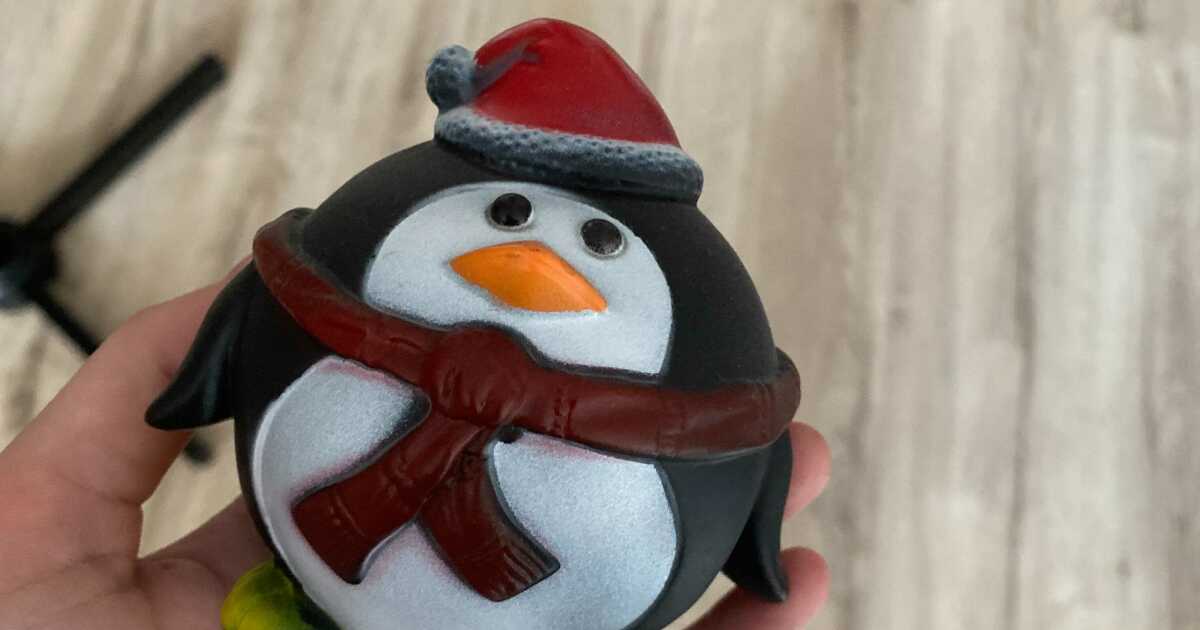
Comfort toys are wonderful, but they should be inspected often. Loose eyes, torn seams, stuffing, squeakers, ribbons, and small parts can become hazards if swallowed. If a pet loves plush toys but also destroys them with the focus of a demolition crew, choose sturdier designs and supervise play.
2. The Chew Toy
For many dogs, chewing is not a hobby. It is a lifestyle. Puppies chew during teething, adult dogs chew to stay busy, and power chewers chew because apparently the universe must be tested for structural weakness. Durable rubber toys, dental-textured toys, and appropriately sized chew toys can help redirect that need away from shoes, chair legs, and the mysterious corner of the coffee table.
The safest chew toy is not simply the hardest one. Toys that are too hard can damage teeth. A practical rule many veterinary sources recommend is choosing chew items with some give rather than rock-like hardness. If the toy is small enough to fit completely in the dog’s mouth, has detachable decorations, or breaks into chunks, it belongs in the danger zone, not the toy basket.
3. The Chase Toy
Chase toys are the classics: balls, flying discs, toy mice, springs, feathers, and anything that skitters across the floor in a dramatic manner. Dogs who love fetch often light up at the sight of a ball. Cats may prefer unpredictable movement, such as a feather wand that flutters like a bird or a toy that darts like a mouse.
Chase toys are excellent for exercise, but pets should not be pushed past their limits. Senior pets, flat-faced breeds, pets with joint issues, and overweight animals may need shorter sessions. The goal is happy movement, not a tiny Olympic training camp.
4. The Puzzle Toy
Puzzle toys are for pets who enjoy earning their rewards. These toys hide treats or kibble behind compartments, inside rubber shapes, under flaps, or among fabric folds. They encourage sniffing, pawing, nudging, licking, and problem-solving.
For dogs, snuffle mats and treat-dispensing toys can transform mealtime into a scavenger hunt. For cats, food puzzles can encourage natural foraging and reduce boredom. The secret is to start easy. A puzzle that is too hard may cause frustration, and a frustrated pet may simply stare at you as if you personally invented disappointment.
5. The “Why Did I Buy Anything?” Toy
Every pet owner eventually learns a humbling truth: sometimes the favorite toy is free. Cardboard boxes, paper bags with handles removed, crumpled paper, empty paper towel rolls, and safe homemade puzzles can be irresistible. Cats in particular have built entire civilizations around cardboard boxes. Dogs may fall in love with an old towel used for tug. Rabbits may prefer untreated cardboard to the boutique toy shaped like a carrot.
DIY toys can be great, but safety still matters. Avoid string, yarn, rubber bands, sharp edges, staples, plastic pieces, and anything that can splinter, tangle, or be swallowed. “Homemade” should mean creative, not emergency-room-adjacent.
How Pets Choose Their Favorite Toy
Humans choose toys based on reviews, colors, price, and whether the product photo features a golden retriever looking spiritually fulfilled. Pets choose toys using a much more mysterious formula involving smell, texture, sound, movement, mouthfeel, novelty, and emotional association.
A toy may become a favorite because it smells like the pet’s human. Another may win because it squeaks at exactly the right pitch. Some cats prefer toys that mimic prey movement, while others prefer objects they can wrestle. Some dogs want toys they can carry gently; others want a tug toy that lets them play directly with their person. In multi-pet homes, a toy may become valuable simply because another pet wanted it first. Nothing increases demand like sibling rivalry with fur.
Age also matters. Kittens and puppies often explore with their mouths, so toys should be durable and size-appropriate. Adult pets may enjoy more challenging enrichment, while senior pets may prefer softer textures, slower games, or toys that do not require heroic jumping. A great toy fits the animal in front of you, not just the species label on the package.
Safety First: What Makes a Pet Toy Safe?
A safe pet toy should match your pet’s size, chewing style, age, and play habits. The toy should not be small enough to swallow, easy to break into sharp pieces, or covered with detachable parts. It should be made from pet-safe materials and checked regularly for damage.
For dogs, avoid toys with ribbons, plastic eyes, loose squeakers, brittle plastic, or stuffing that your dog may eat. Tennis balls can be fun for fetch, but obsessive chewing on the abrasive surface can wear teeth, and broken balls may become choking hazards. For heavy chewers, supervision is essential, because even toys marketed as tough are not truly indestructible.
For cats, be careful with string, yarn, feathers, tinsel-like materials, rubber bands, hair ties, and small objects. These may look like excellent entertainment, but if swallowed, they can cause serious problems. Wand toys are wonderful for interactive play, but they should usually be put away afterward rather than left for unsupervised chewing.
For birds, rabbits, and small pets, check for sharp points, splinters, toxic finishes, small detachable pieces, and spaces where feet, teeth, or beaks can get trapped. Natural chewing is healthy for many small animals, but the material must be appropriate for that species.
Rotating Toys Keeps the Magic Alive
Pets can get bored with toys that are available all the time. Toy rotation is a simple trick: keep a few toys out, store the rest, then swap them every few days. Suddenly, the old squeaky hedgehog returns like a celebrity guest star.
Rotation also helps you inspect toys for wear. While swapping, look for torn fabric, exposed stuffing, cracked rubber, sharp edges, loose parts, or pieces that have become small enough to swallow. If a toy looks unsafe, retire it. Yes, your pet may file an emotional complaint. Stay strong.
Matching Toys to Pet Personality
The Gentle Snuggler
This pet loves soft plush toys, blankets, and items that smell familiar. Choose washable plush toys without small removable parts. These pets may enjoy bedtime toys, but supervision is still wise if they begin chewing.
The Wild Athlete
This pet lives for fetch, chase, tunnels, climbing, or feather wand acrobatics. Choose toys that support movement while protecting joints and teeth. Keep sessions short enough to stay fun and safe.
The Brainiac
This pet enjoys puzzles, hidden treats, training games, and anything that requires strategy. Start with beginner puzzles and gradually increase difficulty. Praise helps make the toy more exciting.
The Destroyer of Worlds
This pet can remove a squeaker with surgical precision in 30 seconds. Choose durable, size-appropriate toys and supervise closely. Avoid plush toys with stuffing unless they are designed for tough play and you are present.
The Suspicious Critic
This pet ignores new toys for three weeks, then suddenly treats one like a long-lost treasure. Give them time. Try different textures, sounds, and movement patterns. Some pets prefer subtle toys over flashy ones.
Why Interactive Play Builds a Better Bond
Your pet’s favorite toy is often not just about the toy. It is about you. A tug rope becomes special because you are on the other end. A feather wand is thrilling because you make it flutter, hide, escape, and return. A puzzle toy becomes rewarding because you cheer when your pet solves it.
Interactive play gives pets attention, structure, and confidence. For cats, play that mimics hunting can end with a satisfying “catch,” followed by a small meal or treat. For dogs, games like fetch, tug, hide-and-seek, and puzzle feeding can reinforce training cues such as “drop it,” “leave it,” and “wait.” Play becomes exercise, enrichment, communication, and affection all rolled into one slightly slobbery package.
Real-Life Experiences: The Funny Truth About Pets and Their Favorite Toys
Ask pet owners to share their pet’s favorite toy, and the answers become a comedy show with emotional depth. One family may buy a basket full of premium toys, only to watch their cat fall passionately in love with the receipt. Another may discover that their Labrador prefers one ancient tennis ball over every new ball in the universe. The old ball is bald, lopsided, and frankly embarrassing, but to the dog, it is Excalibur.
There is also the “chosen plush” phenomenon. Many dogs select one stuffed animal and treat it differently from the rest. Other toys are for shaking, tossing, and removing from existence. But the chosen plush is carried gently, placed in beds, presented to visitors, or used as a self-soothing object during excitement. Owners often notice that these toys become part of greetings. The dog hears the doorbell, panics with joy, grabs the plush, and arrives at the entryway with the proud energy of someone bringing a casserole to a neighborhood party.
Cats provide a different flavor of toy loyalty. A cat may ignore a motion-activated gadget, then spend twenty minutes hunting a twist tie that should absolutely not be left out unsupervised. Many cats adore cardboard because it offers texture, hiding space, scratching opportunity, and ambush potential. A box is not a box to a cat. It is a fortress, a submarine, a luxury apartment, and sometimes a courtroom where humans are silently judged.
Some pet toy experiences become rituals. A dog may bring the same rope every evening after dinner, because that is tug time. A cat may lead their human to the closet where the wand toy is stored, because apparently the schedule has been posted and management is late. A rabbit may toss a stacking cup, wait for applause, and toss it again. Birds may ring bells, shred paper, or manipulate puzzle toys with the seriousness of tiny engineers.
Owners also learn that favorite toys can change with mood and season. A cooling chew toy may be popular in summer. A stuffed toy may matter more during storms. A food puzzle may become valuable when a pet needs quiet enrichment on a rainy day. Senior pets may shift from high-speed chase games to soft toys, lick mats, gentle puzzles, or slow sniffing games. Paying attention to these changes helps owners support comfort and well-being.
The best experience, however, is watching a pet reveal their personality through play. The shy rescue dog who slowly learns to nudge a treat ball is building confidence. The kitten who attacks a feather wand, catches it, and struts away is practicing natural behavior. The senior cat who perks up for a crinkle toy is reminding everyone that play does not belong only to the young. The toy may be silly, squeaky, shredded, or shaped like a taco, but the joy is real.
That is why “share your pet’s favorite toy” is more than a cute question. It invites stories about trust, routine, humor, and the little objects that become part of family life. A toy can be a training tool, a stress reliever, a boredom buster, a bonding bridge, and a daily source of ridiculous entertainment. And sometimes, yes, it can also be a cardboard box you were planning to recycle before your cat moved in and changed the zoning laws.
Conclusion
A pet’s favorite toy is not always the fanciest, newest, or most expensive. It is the toy that matches their instincts, personality, energy level, and emotional needs. Dogs may love chew toys, tug ropes, balls, and food puzzles. Cats may prefer feather wands, boxes, toy mice, tunnels, and crinkly treasures. Other pets may enjoy shredding, tossing, climbing, foraging, or exploring safe textures.
The key is to choose toys that are safe, appropriately sized, durable, and suited to the individual animal. Rotate toys to keep them interesting, inspect them often, and supervise when needed. Most importantly, join the fun. Because when your pet brings you their favorite toy, they are not just asking for play. They are inviting you into their world, where happiness may squeak, bounce, crinkle, wobble, or roll under the couch forever.