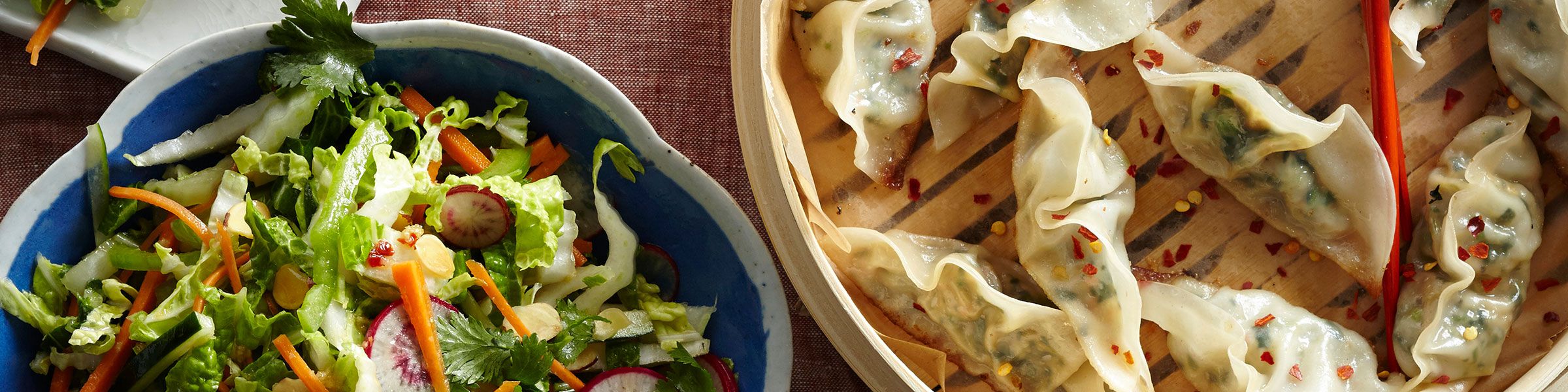
What if slowing the aging process did not require a futuristic capsule, a cryotherapy chamber, or a billionaire’s breakfast that tastes like wet cardboard? What if the secret looked more like olive oil, beans, colorful vegetables, fish, herbs, whole grains, and a dinner table where people actually sit down long enough to chew?
The Mediterranean diet has been studied for decades, and while it cannot stop birthdays from arriving with suspicious speed, research suggests it may help people age better. That means supporting heart health, protecting brain function, reducing chronic inflammation, improving metabolic markers, and possibly influencing biological agingthe way the body’s cells and systems behave over time.
In plain English: the Mediterranean diet is not a magic anti-aging wand. It is more like a reliable maintenance plan for the human body. Less “turn back the clock overnight,” more “help the clock tick with fewer sparks flying out of the machinery.”
What Is the Mediterranean Diet?
The Mediterranean diet is based on traditional eating patterns from countries bordering the Mediterranean Sea, including parts of Greece, Italy, Spain, southern France, Turkey, and North Africa. There is no single Mediterranean menu because the region is wonderfully diverse. A plate in Crete will not look exactly like one in Sicily or Morocco. Still, the core pattern is consistent.
This way of eating emphasizes vegetables, fruits, beans, lentils, chickpeas, whole grains, nuts, seeds, herbs, spices, and extra-virgin olive oil. Fish and seafood appear regularly. Poultry, eggs, yogurt, and cheese are eaten in moderate amounts. Red meat, processed meats, refined grains, sugary drinks, and ultra-processed snacks are limited.
Unlike many modern diets, the Mediterranean diet does not act like food is a moral test. It is flexible, flavorful, and built around meals people can actually enjoy. Nobody needs to whisper apologies to a bowl of lentil soup.
How Could a Diet Slow the Aging Process?
Aging is not just about the number of candles on a cake. Scientists often distinguish between chronological age and biological age. Chronological age is how many years someone has lived. Biological age reflects how well the body’s systems are functioningblood vessels, metabolism, immune response, cells, muscles, brain, and more.
The Mediterranean diet may support healthier biological aging through several connected pathways. It helps reduce oxidative stress, supports better blood sugar control, improves cholesterol patterns, promotes a healthier gut microbiome, and lowers chronic low-grade inflammation. These processes matter because aging is strongly linked to accumulated cellular stress and long-term metabolic wear and tear.
Think of the body as a city. Aging is not caused by one broken streetlight. It is potholes, traffic jams, slow garbage collection, power surges, and a city council that keeps postponing maintenance. The Mediterranean diet helps with maintenance.
The Big Longevity Clue: Lower Mortality Risk
One of the strongest pieces of evidence comes from long-term population studies. In a large cohort of more than 25,000 women followed for about 25 years, higher adherence to a Mediterranean-style diet was associated with a significantly lower risk of death from any cause. Researchers also found that several biological factors helped explain the benefit, including markers related to inflammation, insulin resistance, body weight, triglyceride-rich lipoproteins, and small-molecule metabolites.
That matters because it suggests the Mediterranean diet is not simply “healthy” in a vague greeting-card sense. It appears to influence real biological systems connected to longer life and lower chronic disease risk.
Inflammation: The Aging Fire You Do Not Want Burning
Chronic inflammation is sometimes called “inflammaging,” which sounds like a villain in a low-budget superhero movie but describes a very real problem. As people age, the immune system can become more prone to persistent low-level inflammation. Over time, this can contribute to cardiovascular disease, diabetes, frailty, cognitive decline, and other age-related conditions.
The Mediterranean diet is naturally rich in anti-inflammatory foods. Extra-virgin olive oil contains polyphenols. Fruits and vegetables provide antioxidants, vitamin C, carotenoids, and fiber. Nuts and seeds offer healthy fats and minerals. Fatty fish provides omega-3 fatty acids. Beans and whole grains feed beneficial gut bacteria that produce short-chain fatty acids, compounds linked with healthier immune and metabolic function.
Equally important, the diet pushes out many inflammation-promoting foods. A plate filled with salmon, chickpeas, greens, tomatoes, and olive oil leaves less room for processed meat, refined carbs, and sugar-heavy snacks. Sometimes the best health upgrade is not what you addit is what quietly loses its parking spot.
Heart Health: The Mediterranean Diet’s Greatest Hit
The Mediterranean diet is best known for heart health, and for good reason. Heart disease remains one of the leading causes of death in the United States. A diet pattern that supports healthier cholesterol, blood pressure, blood vessel function, and inflammation can have major implications for healthy aging.
Extra-virgin olive oil, nuts, vegetables, legumes, fish, and whole grains all play useful roles. Monounsaturated fats from olive oil can replace saturated fats from butter or fatty meats. Soluble fiber from oats, beans, lentils, and fruits can help improve cholesterol patterns. Potassium-rich foods such as leafy greens, beans, tomatoes, and fruits may support blood pressure control.
The key is the full pattern. A drizzle of olive oil on a mountain of processed food is not the Mediterranean diet. That is just a snack wearing sunglasses.
Brain Aging: Food for Memory, Focus, and Future You
Healthy aging is not just about living longer. It is about staying mentally sharp, independent, and engaged. Research has linked Mediterranean-style eating with better brain health and a lower risk of cognitive decline in some populations.
Several mechanisms may explain this connection. The diet supports vascular health, and the brain depends on strong blood flow. It provides antioxidants that may reduce oxidative damage. It includes omega-3-rich fish, which contributes to brain cell membrane health. It also supports the gut microbiome, and scientists increasingly study the gut-brain connection as a factor in mood, cognition, and inflammation.
The Mediterranean diet is also closely related to the MIND diet, an eating pattern designed to support cognitive health by combining Mediterranean and DASH diet principles. The MIND approach especially emphasizes leafy greens, berries, nuts, beans, whole grains, fish, poultry, olive oil, and limited intake of butter, cheese, red meat, fried foods, and sweets.
Gut Health: Your Microbiome Likes This Menu
The gut microbiome is the community of bacteria and other microorganisms living in the digestive tract. It sounds tiny, but it has a big influence on digestion, immune function, inflammation, metabolism, and possibly healthy aging.
A Mediterranean-style diet gives beneficial gut bacteria plenty to work with. Fiber from beans, lentils, vegetables, fruits, nuts, and whole grains is fermented by gut microbes into short-chain fatty acids. These compounds may help maintain the gut barrier, regulate inflammation, and support metabolic health.
In studies of older adults, Mediterranean-style eating has been associated with favorable microbiome changes, lower frailty markers, and better inflammatory profiles. That does not mean hummus is a miracle potion. But it does mean your gut bacteria may throw a very small parade when chickpeas arrive.
Telomeres, Cells, and the Biology of Aging
Telomeres are protective caps at the ends of chromosomes. They are often compared to the plastic tips on shoelaces because they help keep genetic material from fraying. Telomeres tend to shorten with age, stress, smoking, poor diet, and chronic disease. Longer telomeres are generally considered a marker associated with healthier cellular aging, although telomere science is complex and still developing.
Research from large population cohorts has found associations between greater Mediterranean diet adherence and longer telomeres. This does not prove the diet alone “makes cells younger,” but it supports the idea that the overall eating pattern may be linked to healthier biological aging.
Here again, the whole diet matters more than any single superstar ingredient. Olive oil is great, but it does not need its own fan club. The real magic is the ensemble cast: plants, seafood, fiber, healthy fats, minerals, antioxidants, and fewer ultra-processed foods.
What to Eat More Often
Vegetables and Fruits
A Mediterranean plate is colorful. Tomatoes, leafy greens, eggplant, peppers, zucchini, onions, berries, oranges, apples, and figs all fit beautifully. These foods provide vitamins, minerals, antioxidants, water, and fiber. Aim for variety because different colors often bring different protective plant compounds.
Beans and Legumes
Lentils, chickpeas, black beans, white beans, and peas are affordable, filling, and rich in fiber and plant protein. They support gut health and help stabilize blood sugar. A bowl of lentil soup may not sound glamorous, but neither does paying extra for a supplement that tries to imitate what lentils already do.
Whole Grains
Whole grains such as oats, farro, barley, bulgur, brown rice, quinoa, and whole-grain bread provide fiber, B vitamins, magnesium, and steady energy. The goal is not to fear carbohydrates. The goal is to choose better ones.
Extra-Virgin Olive Oil
Extra-virgin olive oil is a cornerstone of Mediterranean eating. It provides monounsaturated fats and polyphenols. Use it in salad dressings, roasted vegetables, bean dishes, or as a replacement for butter in many savory recipes.
Fish and Seafood
Fish such as salmon, sardines, trout, tuna, and mackerel provide omega-3 fatty acids. Seafood also supplies protein, vitamin D, selenium, and other nutrients. For people who do not eat fish, walnuts, chia seeds, flaxseeds, and algae-based omega-3 options may help fill part of the gap.
Nuts and Seeds
Almonds, walnuts, pistachios, sesame seeds, pumpkin seeds, chia seeds, and flaxseeds add crunch, minerals, protein, and healthy fats. They are calorie-dense, so a small handful is usually enough. No need to eat walnuts like a squirrel preparing for a blizzard.
What to Limit
The Mediterranean diet does not require perfection. It simply encourages people to limit foods that, when eaten often, may contribute to poor metabolic health and faster biological wear. These include processed meats, large portions of red meat, sugary drinks, refined grains, fried fast foods, packaged sweets, and ultra-processed snacks.
Wine is sometimes mentioned in traditional Mediterranean eating, but it is not required for health benefits. People who do not drink should not start for the Mediterranean diet. Alcohol is not appropriate for everyone, and it is not recommended for people under the legal drinking age, pregnant people, people with certain medical conditions, or anyone advised to avoid it.
A Simple Mediterranean Day of Eating
Breakfast could be Greek yogurt with berries, walnuts, oats, and a drizzle of honey. For a dairy-free version, try oatmeal with chia seeds, cinnamon, apples, and almonds.
Lunch might be a chickpea salad with cucumbers, tomatoes, parsley, olive oil, lemon juice, and whole-grain pita. Add grilled chicken or tuna if desired.
Dinner could be salmon with roasted vegetables, brown rice, and a side salad. Or try lentil stew with carrots, onions, tomatoes, spinach, herbs, and olive oil.
Snacks can be simple: fruit with nuts, hummus with vegetables, whole-grain toast with avocado, or a small bowl of olives and tomatoes. The Mediterranean diet is not about exotic ingredients. It is about repeating smart basics until they become normal.
How to Start Without Overhauling Your Life
The easiest way to begin is to make one swap at a time. Replace butter with olive oil in savory cooking. Add a vegetable to lunch. Eat beans twice a week. Choose fish instead of processed meat. Keep nuts available for snacks. Make one dinner each week fully plant-forward.
Another useful strategy is the “half-plate” method: fill half the plate with vegetables or fruit, one-quarter with whole grains or starchy vegetables, and one-quarter with fish, beans, poultry, eggs, or yogurt-based protein. Add olive oil, herbs, lemon, vinegar, garlic, or spices for flavor.
Flavor is not optional. A healthy eating plan that tastes like punishment will eventually be abandoned in the refrigerator next to the sad celery. The Mediterranean diet works partly because it is enjoyable enough to repeat.
Who Should Be Careful or Customize the Diet?
Most people can adapt Mediterranean-style eating safely, but individual needs matter. People with kidney disease, food allergies, digestive disorders, diabetes, eating difficulties, or medical nutrition restrictions should work with a healthcare professional or registered dietitian. Older adults may also need to pay special attention to protein, vitamin B12, vitamin D, calcium, hydration, and total calorie intake.
The Mediterranean diet should not become a rigid rulebook. It is a pattern, not a prison. The best version is one that fits a person’s health needs, culture, budget, cooking skills, and daily routine.
Experiences and Practical Reflections: What Following the Mediterranean Diet Feels Like in Real Life
One of the most encouraging things about the Mediterranean diet is that it does not feel like a dramatic “before and after” challenge. For many people, the first changes are surprisingly ordinary. A bottle of extra-virgin olive oil appears near the stove. A can of chickpeas moves from the back of the pantry to the front. Lunch becomes a bowl instead of a drive-thru wrapper. Dinner includes a salad that looks like it has seen sunlight.
At first, the biggest adjustment is not tasteit is habit. Many modern meals are built around speed, salt, sugar, and convenience. The Mediterranean diet asks for a different rhythm. It says, “What if lunch had color?” It says, “What if beans counted as a real meal?” It says, “What if vegetables were not just decorative confetti next to the main event?”
People often notice that Mediterranean meals are filling in a steady way. Beans, whole grains, vegetables, and healthy fats digest more slowly than refined snacks. Instead of the classic afternoon energy crashthe one where the office vending machine starts looking like a spiritual advisormeals built with fiber and protein may help energy feel more even.
Another common experience is that cooking becomes easier over time. Mediterranean-style meals rely on repeatable building blocks. Once someone learns how to make a basic vinaigrette, roast vegetables, cook grains, season beans, and prepare fish or chicken simply, meals become mix-and-match. A Sunday batch of lentils can become soup, salad, wraps, or grain bowls. Roasted peppers can go into eggs, sandwiches, pasta, or hummus plates.
The diet can also be budget-friendly when approached wisely. Extra-virgin olive oil and fresh fish can be expensive, but beans, lentils, oats, brown rice, canned tomatoes, frozen vegetables, canned sardines, and seasonal produce are often affordable. A Mediterranean grocery list does not need to look like it was assembled by a luxury food magazine. It can be practical, humble, and still deeply nourishing.
Socially, the Mediterranean approach may feel easier than strict dieting because it allows flexibility. At a restaurant, someone can choose grilled fish, a salad, vegetable sides, bean soup, pasta with vegetables, or a chicken dish with olive oil and herbs. At home, family meals can be adapted without announcing a household revolution. Add a salad. Swap in whole grains. Serve fruit after dinner. Put beans into soup. Nobody needs a PowerPoint presentation titled “Why We Are Now a Chickpea Family.”
The most powerful experience may be psychological. The Mediterranean diet shifts attention from restriction to abundance. Instead of asking, “What can’t I eat?” it asks, “How many delicious, colorful, nourishing foods can I add?” That mindset matters. Long-term health is not built by white-knuckling through joyless meals. It is built by creating routines that feel good enough to keep.
For aging well, consistency beats intensity. One Mediterranean meal will not remodel the body overnight. But repeated meals rich in plants, healthy fats, lean proteins, herbs, and whole foods can gradually support the systems that influence healthy aging. The benefit is not just in the olive oil, the fish, or the walnuts. It is in the patternthe daily vote for steadier energy, better heart health, calmer inflammation, a happier gut, and a future self who may quietly say, “Thanks for not making every lunch a processed-meat emergency.”
Conclusion: Aging Better, One Delicious Plate at a Time
Following the Mediterranean diet could slow aspects of the aging process because it supports many of the body’s core maintenance systems. It helps protect the heart, supports brain health, feeds beneficial gut bacteria, reduces chronic inflammation, and improves metabolic markers linked to long-term health.
It is not a miracle cure, and it will not make anyone immune to aging. But as a sustainable eating pattern, it offers one of the most practical and evidence-supported ways to promote healthy aging. Better yet, it does not require eating like a monk on a Wi-Fi detox retreat. It invites people to enjoy real food: bright vegetables, hearty beans, good olive oil, fish, fruit, nuts, herbs, and meals worth sitting down for.
The real secret may be that the Mediterranean diet is not just about adding years to life. It is about adding better food, better habits, and perhaps better years to the life already being lived.