“Asian recipes” is a gigantic phrase. It’s like saying “European music” or “American weather”technically accurate, wildly unhelpful, and guaranteed to start a debate at dinner. So let’s make it useful.
This guide is a practical, flavor-forward tour of easy Asian recipes you can actually cook in a U.S. home kitchenwithout needing a restaurant-grade wok burner, a second fridge for condiments, or a personal assistant named “Auntie” who yells “MORE GARLIC!” (Though… that last one would be nice.)
We’ll cover the pantry staples, the core techniques that make Asian cooking pop, and a set of crowd-pleasing dishesno fluff, no copy-paste vibes, just real food you’ll want to make again.
Why Asian Recipes Taste So Addictive (Spoiler: It’s Not Magic, It’s Method)
Across many Asian cuisines, flavor tends to be built in layers. Instead of one heavy sauce doing all the work, you’ll often see a smart combination of: umami (soy sauce, miso, fish sauce), aroma (garlic, ginger, scallion), heat (chiles, pepper), and balance (sweet/sour/salty/bitter).
That’s why a simple bowl of noodles can taste “impossibly complex” even when the ingredient list isn’t long. It’s not about buying 37 bottles. It’s about knowing which 6 things matterand when they enter the pan.
Pantry Staples for Asian Cooking (Buy Once, Cook for Months)
1) The “Big 6” Flavor Builders
- Soy sauce (keep a standard “light”/all-purpose one; add dark soy only if you want deeper color and a touch of sweetness)
- Fish sauce (tiny splash = huge savory lift; it shouldn’t taste “fishy” in the final dish)
- Miso paste (white miso is mellow/sweet; red miso is stronger and saltier)
- Rice vinegar (brightens sauces, pickles, and sushi-style rice)
- Sesame oil (use as a finishing oil, not a frying oilthink perfume, not fuel)
- Chili heat (gochujang, chili crisp, sambal, or crushed chili flakeschoose your vibe)
2) Noodles, Rice, and “Comfort Carbs”
- Jasmine rice for everyday meals; short-grain/sushi rice for sticky bowls and sushi-style dishes
- Rice noodles (Pad Thai, stir-fried noodles, noodle salads)
- Ramen noodles (fresh or dried; even instant noodles can be upgraded)
- Dried shiitake (umami boostersave the soaking liquid like it’s liquid gold)
- Nori (sushi bowls, snacks, “why does this taste like the ocean in a good way?”)
3) The Fresh Trio You’ll Use Constantly
- Garlic (measure with your heart)
- Ginger (fresh is best; freeze it for easy grating)
- Scallions (white parts for cooking, green parts for topping)
Techniques That Instantly Level Up Easy Asian Recipes
Stir-Fry Success = Heat + Prep (AKA “Don’t Chop Mid-Sizzle”)
Stir-frying happens fast. If you’re still slicing onions while your chicken is in a hot pan, your dinner will become a live cooking show called “Smoke Alarm: The Musical.” Do the prep first, cook second. High heat works when everything is ready and the pan isn’t overcrowded.
Velveting: The Tender-Meat Cheat Code
If you’ve ever wondered why restaurant stir-fry chicken feels silky and yours feels… athleticvelveting is the difference. Thinly sliced meat gets coated in a light mixture (often cornstarch + seasoning; sometimes egg white), then briefly cooked in hot water or oil to set that coating. Result: tender, protected meat that stays juicy and grabs sauce like it signed a lease.
Day-Old Rice Makes Better Fried Rice (Yes, This Matters)
Fresh rice is steamy and soft, which is exactly what you don’t want when you’re trying to fry it. Chilled leftover rice dries slightly, so the grains stay separate and can actually “fry” instead of turning into a mashed rice casserole. If you only remember one fried rice rule, make it this one.
Blooming Spices: How Curry Gets Its “Wow”
Many South and Southeast Asian dishes build flavor by “blooming” spicesbriefly sizzling them in hot oil or ghee until fragrant. Heat unlocks fat-soluble flavors, and suddenly your cumin and turmeric stop tasting dusty and start tasting like dinner. The key is speed: spices bloom quickly and can burn if ignored.
Don’t Boil Miso (Treat It Like a Delicate Introvert)
Miso is fermented and aromatic. Boiling can dull its flavor and aroma. Add miso off-heat or at a gentle simmer by dissolving it first, and your soup will taste cleaner, rounder, and more “why is this so comforting?”
A Tour of Asia in 12 Dishes (Practical, Flexible, Weeknight-Friendly)
These are not “museum recipes.” They’re real-life Asian dishes with smart shortcuts and options based on what you can find in U.S. grocery stores. Think of them as a starter pack for confident Asian cooking at home.
1) Classic Fried Rice (The “Clean Out the Fridge” Hero)
How it works: Cold cooked rice + high heat + quick seasoning. Start by scrambling eggs, then sauté aromatics (garlic/scallion), add veggies/protein, then rice. Season with soy sauce and finish with a small drizzle of toasted sesame oil.
Pro move: Keep ingredients moving; don’t steam the pan. If your skillet is small, cook in batches.
2) Chinese-Style Chicken & Broccoli Stir-Fry (Saucy but Not Soggy)
Base idea: Velvet the chicken (optional but great), blanch broccoli quickly, then stir-fry chicken until just cooked. Add a simple sauce: soy sauce + a little oyster sauce + a splash of rice vinegar + a pinch of sugar + cornstarch slurry to thicken.
Why it hits: The cornstarch thickening gives that glossy takeout-style cling without needing a heavy bottled sauce.
3) Potstickers with a Crispy Skirt (Restaurant Crunch at Home)
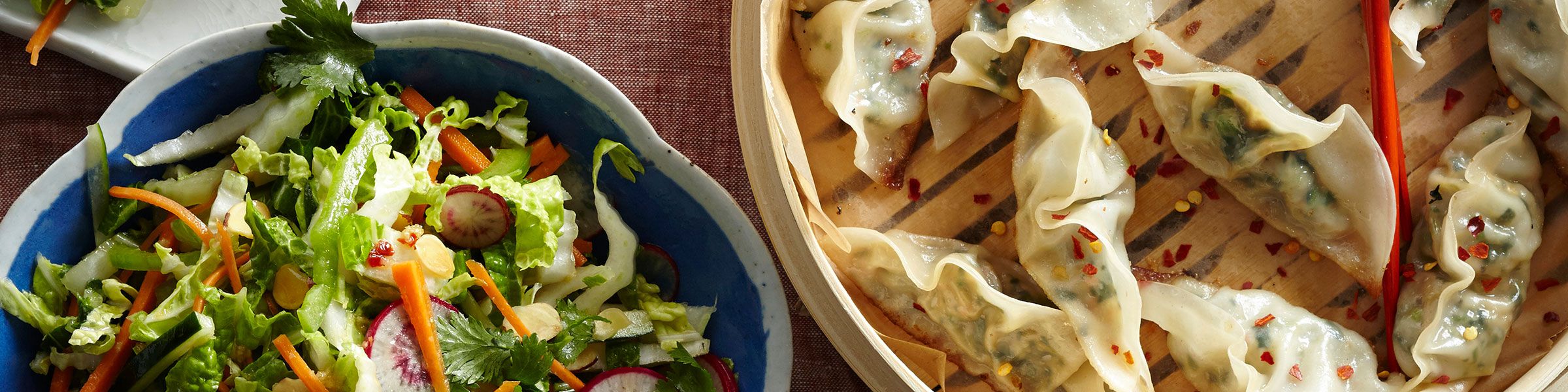
Use store-bought dumplings if you wantno one is grading you. Pan-fry bottoms in oil until golden, then add a small splash of water and cover to steam. Want the “skirt”? Add a thin flour-and-water slurry near the end, let it crisp into a lacy sheet, and flip like you mean it.
4) Vietnamese Pho-Inspired Broth (Flavorful Without an All-Day Project)
Traditional pho is a labor of love. A smart home version still uses the signature pho flavor markers: charred onion + ginger, warm spices (star anise, cinnamon, cloves), fish sauce, and a touch of sugar for balance. Simmer with good store-bought stock or a shorter homemade broth, then build bowls with rice noodles, herbs, lime, and thin-sliced meat.
5) Pad Thai That Tastes Balanced (Not Just Sweet)
A great Pad Thai sauce is a balancing act: tamarind for sour depth, fish sauce for salt/umami, and palm sugar (or brown sugar) for sweetness. Soak rice noodles until pliable (not mushy), then stir-fry fast: aromatics, protein/tofu, noodles, sauce, egg, then finish with bean sprouts, chives, and peanuts.
Rule: The noodles finish cooking in the pan. Over-soak them and you’ll get “Pad Sigh.”
6) Japanese Curry (Comfort Food in Sauce Form)
Japanese curry is mellow, savory, and cozylike a blanket you can eat. Build a base with onions (take time here), add carrots and potatoes, then thicken with a roux (store-bought cubes or a simple butter-flour-spice roux). Serve over short-grain rice. Add tonkatsu (breaded cutlet) if you’re feeling fancy.
7) Ramen at Home (Broth + Tare + Aroma Oil = The Triangle of Happiness)
Restaurant ramen is engineered. The good news: you can borrow the structure. Use a strong broth (chicken stock is fine), add a tare (a concentrated seasoning like soy-based or salt-based), and finish with a little aromatic oil. Top with scallions and ajitsuke tamago (soy-marinated soft-boiled eggs) for instant credibility.
8) Soy-Marinated Eggs (Meal Prep That Actually Gets Used)
Soft-boil eggs to a jammy center, chill, peel, then marinate in soy sauce with something sweet or tangy (mirin, vinegar, a little sugar, optional chili). Eat with rice, add to ramen, or slice onto toast with mayo like you’re casually brilliant.
9) Korean Kimchi (Or: How Fermentation Makes Everything Taste Alive)
Classic napa cabbage kimchi typically starts with salting the cabbage to draw out water, then seasoning with a paste that often includes garlic, ginger, and Korean chili flakes (gochugaru). Ferment until it tastes tangy and complex.
Shortcut option: Buy quality kimchi, then cook with it: kimchi fried rice, kimchi grilled cheese, kimchi scrambled eggs. It’s the flavor equivalent of adding a power-up in a video game.
10) Miso Soup (Simple, Fast, Deeply Satisfying)
Make or buy dashi, add tofu and wakame, then dissolve miso at the end (no boiling). Add scallions and call it dinner’s calm best friend. Pair with rice and a quick cucumber salad and you’ve got a full meal with minimal effort.
11) Butter Chicken (Creamy, Spiced, Weeknight-Friendly)
Many butter chicken approaches start by marinating chicken in yogurt with garlic, ginger, and spices (garam masala is a common anchor). Cook it in a tomato-forward sauce, then finish with cream for richness.
Fast version: Bloom spices in butter/oil, add tomato purée, simmer briefly, stir in cream, then add cooked chicken. Serve with rice or naanpreferably the kind warm enough to fog your glasses.
12) Channa Masala (Big Flavor, Pantry-Friendly)
Chickpeas become something special when the base is built correctly: sauté onions, bloom spices, add tomatoes, then simmer until the sauce tastes integrated (not like separate “tomato” and “spice” opinions arguing). Finish with lemon for brightness.
Common Mistakes That Make Asian Recipes Taste “Off” (And Quick Fixes)
- Overcrowding the pan: Stir-fry needs space. Cook in batches for better browning.
- Adding sauce too early: Sear first, sauce second. Otherwise you boil your stir-fry.
- Burning spices: Bloom quickly, then add wet ingredients to stop the cooking.
- Over-salting with soy sauce: Add gradually; taste. Different brands vary in saltiness.
- Boiling miso: Keep it gentle, add at the end.
Kitchen Stories & Practical Lessons (Experience Section)
Here’s the part nobody tells you when you start cooking more Asian recipes: the first “mistake” is usually not a disasterit’s just a different dish. Over-soaked rice noodles? Congratulations, you’ve invented a new texture trend: “soft chaos.” Too much fish sauce? You didn’t ruin dinner; you just learned that fish sauce is a volume knob, not an on/off switch. Asian cooking teaches you to adjust in motion, not panic in place.
One of the most useful shifts is learning to think in building blocks. Instead of memorizing a thousand recipes, you start recognizing patterns. A stir-fry is: hot pan + oil + aromatics + protein + vegetables + sauce + quick finish. A curry is: aromatics + blooming spices + liquid + simmer + balance at the end. A noodle bowl is: broth + seasoning concentrate + noodles + toppings. Once you see the blueprint, you stop feeling like you need “the one true recipe” and start cooking with confidence.
Another lesson: prep is a kindness you do for Future You. If you’ve ever tried to mince garlic while your pan is already hot, you know the soundtrack: sizzling, frantic chopping, then the smell of “oops.” Stir-fries and noodle dishes move fast, so set yourself up like a pro: sauce mixed, protein sliced, veggies ready, noodles soaked. When you finally cook, it feels less like a test and more like a smooth little dance. (Yes, you may still do a tiny victory shimmy when the sauce turns glossy. It’s normal. It’s healthy.)
And let’s talk about heat. Many home cooks assume “high heat” means “turn everything to max and hope.” But the real trick is controlled heat: hot enough to brown, not so hot you carbonize. If your stove is weak, don’t fight physicswork smarter. Cook in smaller batches so the pan stays hot. Pat protein dry so it sears instead of steams. Use the right oil for the job. High heat is a tool, not a dare.
There’s also a sneaky joy in discovering “tiny upgrades” that make your food taste like you secretly trained under a noodle master. Charring onion and ginger for pho-style broth adds a smoky sweetness that feels absurdly fancy for how easy it is. Letting rice chill overnight turns fried rice from “fine” to “why is this so good?” Blooming spices for 30 seconds makes a curry taste like it has a backstory. And marinating soft-boiled eggs turns a plain bowl of ramen into something you’d happily pay $18 forminus the awkward moment of wondering whether to tip 20% on a bowl that you finished in under four minutes.
Finally, the biggest “experience” of all: Asian recipes reward curiosity. Try a new vinegar. Swap a chili paste. Add fresh herbs at the end. Taste, adjust, taste again. You’ll build instinctshow to brighten with acid, deepen with umami, calm heat with something creamy, and make leftovers taste better on day two (which, honestly, is the highest form of kitchen success). If you keep a few staples stocked and practice a handful of core techniques, you won’t just be cooking Asian recipesyou’ll be speaking the language of flavor.