A thrown casserole dish is the kind of kitchen object that quietly steals the show. One minute it is holding bubbling macaroni and cheese, the next it is sitting proudly in the center of the table like it paid the mortgage. Unlike a stamped factory pan or a plain glass baker, a thrown casserole dish is usually shaped on a potter’s wheel, refined by hand, fired in a kiln, glazed for food use, and built to move gracefully from oven to table.
The phrase “thrown” does not mean someone tossed it across the kitchen during a dramatic lasagna disagreement. In ceramics, “thrown” means the clay was shaped on a rotating wheel. The potter centers the clay, opens it, pulls the walls upward, shapes the form, trims the base, and often adds handles, a lid, or a gallery that helps the lid sit securely. The result is functional pottery with personality: slightly human, wonderfully practical, and often more interesting than anything hiding in the back of a cabinet.
Today, thrown casserole dishes are popular among home cooks, collectors, potters, and anyone who believes a baked dish should look as good as it smells. They blend craft, cooking performance, and presentation. But before you put one in the oven with Grandma’s famous chicken-and-rice casserole, it helps to understand how these dishes are made, what makes them safe, and how to care for them so they do not crack, stain, or retire early from casserole duty.
What Is a Thrown Casserole Dish?
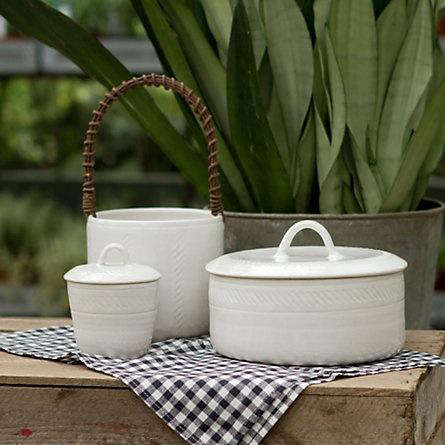
A thrown casserole dish is a ceramic baking vessel formed on a potter’s wheel. It may be round, oval, square-ish, deep, shallow, lidded, handled, rustic, glossy, minimalist, or gloriously speckled like it just returned from a charming farmhouse vacation. The defining feature is the making process: the main body begins as clay shaped by hand while spinning on the wheel.
Most thrown casserole dishes are made from stoneware, although porcelain and earthenware versions also exist. Stoneware is especially common because it is strong, durable, and fired at high temperatures. That high firing helps create a dense ceramic body that can handle everyday kitchen use better than many low-fired decorative pieces.
How “Thrown” Differs From Slab-Built or Molded Bakeware
Ceramic casserole dishes can be made in several ways. A slab-built dish is constructed from rolled sheets of clay. A molded dish is shaped in a form or cast from slip. A thrown dish, however, begins on the potter’s wheel. The wheel gives the piece its curves, symmetry, and subtle circular movement.
Many potters combine techniques. For example, the bowl of the casserole may be wheel-thrown, while the lid is slab-built or altered by hand. Handles may be pulled separately and attached. A foot ring may be trimmed after the clay firms up. This is why a handmade casserole dish can feel both precise and alive: the wheel creates structure, while the hand adds character.
Why Home Cooks Love Thrown Casserole Dishes
A good casserole dish must do several jobs without complaining. It needs to bake evenly, hold heat, clean up reasonably well, look attractive on the table, and survive repeated use. A thrown ceramic casserole dish can perform beautifully when it is made properly and used with care.
Excellent Heat Retention
Ceramic and stoneware dishes heat more slowly than metal, but they also retain heat longer. That makes them excellent for casseroles, baked pasta, gratins, cobblers, bread puddings, roasted vegetables, and other dishes that benefit from steady, gentle heat. Once removed from the oven, a ceramic casserole dish helps keep food warm at the table. This is great news for slow eaters, second-helping enthusiasts, and people who believe dinner conversation should not be rushed.
Oven-to-Table Beauty
A handmade casserole dish is not just cookware; it is also serveware. Instead of transferring food from a pan into another dish, you can bring the whole piece to the table. The dish becomes part of the meal’s presentation. A rich glaze, comfortable handles, and a well-fitted lid can make a simple baked ziti feel like a small domestic achievement.
Individual Character
No two handmade thrown casserole dishes are exactly alike. One may have a soft oval curve, another a deep rounded belly, another a dramatic lid knob that looks ready to host its own cooking show. Small variations in glaze, shape, and trimming are part of the charm. This individuality is one reason people often keep handmade casserole dishes for years, even decades.
Best Materials for a Thrown Casserole Dish
The material matters. A casserole dish is exposed to heat, moisture, acidic foods, utensils, washing, storage, and sometimes a suspicious amount of cheese. Not every ceramic piece is ready for that lifestyle.
Stoneware
Stoneware is the most common and practical choice for a thrown casserole dish. It is fired at high temperatures, which makes it strong and less porous than low-fired earthenware. It tends to hold heat well and is suitable for many oven-to-table designs. A stoneware casserole dish is ideal for lasagna, baked beans, enchiladas, scalloped potatoes, fruit crisps, and any dish that needs steady baking.
Porcelain
Porcelain can also be used for casserole dishes, though it is less common in rustic handmade bakeware. It is fired hot, has a refined appearance, and can be surprisingly durable when designed for functional use. Porcelain tends to look elegant and clean, making it a lovely choice for modern kitchens.
Earthenware
Earthenware is fired at lower temperatures and is more porous unless properly glazed. Some earthenware can be used for serving or baking if made and labeled for that purpose, but it requires extra caution. Low-fired decorative pottery should not be assumed oven-safe or food-safe. In other words, if a dish looks like it belongs on a shelf wearing a “do not touch” expression, do not fill it with bubbling tomato sauce and hope for the best.
Food Safety: What to Check Before Cooking
Before using a thrown casserole dish for food, confirm that it is intended for cooking and serving. Handmade does not automatically mean oven-safe. Decorative does not automatically mean dinner-safe. Beautiful does not automatically mean “please bake chicken divan in me at 375°F.”
Look for Food-Safe Glaze
A functional casserole dish should have a food-safe glaze on surfaces that contact food. The glaze should be smooth, mature, and properly fired. Rough, crazed, flaking, or powdery surfaces may trap food residue or raise safety concerns. If buying from a potter, ask whether the glaze is food-safe, dishwasher-safe, microwave-safe, and oven-safe.
Be Cautious With Vintage or Imported Pottery
Some older, damaged, or improperly made ceramic ware may contain glazes that can leach lead or cadmium, especially when used with acidic foods such as tomatoes, citrus, vinegar, or wine. This risk is higher with certain traditional, antique, imported, or decorative ceramics that were not made for modern food use. If you do not know whether a piece is food-safe, use it for decoration rather than cooking.
Check for Cracks and Chips
Cracks and chips are not just cosmetic. They can weaken the dish, collect residue, and make the piece more vulnerable to thermal shock. If your casserole dish has a deep crack, a loose handle, or glaze damage inside the food-contact area, it may be time to retire it from oven duty. Give it a dignified second career as a fruit bowl, mail catcher, or dramatic holder of onions.
Oven Safety and Thermal Shock
The biggest enemy of ceramic bakeware is thermal shock. This happens when a dish experiences a sudden temperature change. Ceramic is strong, but it does not enjoy surprises. Moving a cold dish directly into a very hot oven, placing a hot dish on a cold stone counter, or adding cold liquid to a hot ceramic vessel can create stress that leads to cracking or breaking.
How to Prevent Cracking
Let a refrigerated casserole sit at room temperature before baking, unless the maker specifically says the dish can go from refrigerator to oven. Place hot ceramic dishes on a trivet, folded towel, or wooden board instead of a cold countertop. Avoid putting handmade stoneware directly over a stovetop burner or under a broiler unless the potter or manufacturer clearly states it is safe for that use.
Know the Temperature Limit
Some casserole dishes are oven-safe up to 350°F, others to 450°F, and some higher. The safe limit depends on the clay body, glaze, construction, and manufacturer or maker testing. Always follow the specific instructions for your piece. If you bought it from an independent potter and the details are unclear, ask before baking. Potters are usually happy to explain how their work should be used, and they would much rather answer a question than hear about a casserole tragedy involving shattered stoneware and emotional potatoes.
Choosing the Right Thrown Casserole Dish
The best thrown casserole dish is the one that fits your cooking habits. A stunning four-quart lidded baker is wonderful, but not if you mostly cook for one and dislike leftovers. On the other hand, a tiny two-person dish will not save Thanksgiving when fifteen people arrive and someone says, “Did you make enough green bean casserole?”
Size and Capacity
For everyday family meals, a two- to three-quart casserole dish is versatile. It works for baked pasta, vegetable casseroles, breakfast bakes, and small roasts. A larger four- to five-quart dish is better for gatherings, lasagna, stuffing, and layered casseroles. A shallow dish encourages browning and crisp edges, while a deeper dish keeps foods moist and contained.
Shape
Round thrown casserole dishes are classic because they are natural to the wheel-throwing process. Oval and altered forms are also popular because they fit long cuts of food and look elegant on the table. Rectangular casserole dishes are often slab-built or molded, but some potters create altered thrown forms that stretch into soft rectangles or ovals.
Handles
Good handles matter. Once a casserole dish is full of bubbling food, it becomes heavier than expected. Wide, comfortable handles make it easier to grip with oven mitts. Tiny decorative handles may look adorable, but if they are too small to hold safely, they are mostly there for moral support.
Lid Design
A lidded casserole dish is useful for slow baking, keeping food warm, transporting dishes, and creating a finished table presentation. A well-made lid should sit securely without wobbling excessively. Some lids have a flange that fits inside the rim. Others rest on a gallery built into the dish. The knob should be easy to lift with a towel or mitt.
Best Foods to Make in a Thrown Casserole Dish
A thrown casserole dish is made for comfort food, but it is not limited to the classics. Because ceramic retains heat and presents beautifully, it works well for casual meals and special occasions alike.
Classic Casseroles
Macaroni and cheese, tuna noodle casserole, chicken and rice, green bean casserole, baked ziti, enchilada casserole, and shepherd’s pie all benefit from the steady heat of ceramic. The edges bubble, the center cooks gently, and the top can brown nicely when the dish is used within its safe temperature range.
Breakfast Bakes
Egg casseroles, strata, baked oatmeal, French toast casserole, and breakfast potatoes are excellent candidates. Just remember that casseroles containing eggs, meat, or leftovers should be cooked or reheated to safe internal temperatures. A food thermometer is your friend. It is less charming than a handmade dish, but it is very good at preventing regret.
Desserts
Fruit crisps, cobblers, bread pudding, rice pudding, and baked custards look especially inviting in a handmade ceramic dish. A rustic thrown casserole full of peach cobbler has a way of making people suddenly “not too full for dessert.” Funny how that happens.
Cleaning and Care Tips
Caring for a thrown casserole dish is simple if you treat it like functional art. It wants to be used, but it also wants reasonable manners.
Let It Cool Before Washing
Do not move a hot dish straight from the oven to a sink full of cold water. Let it cool first. Sudden temperature changes can crack ceramic. Once cool, soak stubborn baked-on food with warm water and mild dish soap.
Avoid Abrasive Scrubbing
Use a soft sponge, dishcloth, or non-scratch scrubber. Harsh metal pads can damage glaze surfaces over time. For stuck-on cheese or sauce, patience is better than violence. The casserole dish already survived the oven; it does not need a wrestling match in the sink.
Dishwasher and Microwave Use
Some handmade casserole dishes are dishwasher- and microwave-safe, while others are not. Always follow the maker’s instructions. Even when a piece is dishwasher-safe, handwashing may help preserve its finish longer. Microwave use depends on the clay body, glaze, and any metallic decoration. If the maker says no microwave, believe them.
Buying Handmade: Questions to Ask the Potter
When buying a thrown casserole dish from a studio potter, craft fair, gallery, or online shop, ask a few practical questions before purchasing. A good potter will not be offended. In fact, they will probably be delighted that someone cares about function as much as beauty.
Important Questions
Ask whether the dish is food-safe, oven-safe, microwave-safe, dishwasher-safe, and freezer-safe. Ask the maximum oven temperature. Ask whether it can go from refrigerator to oven. Ask whether the lid is included in the oven-safe rating. Ask whether the glaze is suitable for acidic foods. These questions help you use the piece correctly and confidently.
Signs of Quality
Look for an even wall thickness, stable base, smooth food-contact surface, comfortable handles, and a lid that fits well. The dish should sit flat without rocking. The glaze should be mature and free from sharp edges, flaking, or suspicious rough patches inside the bowl.
Common Mistakes to Avoid
Even the best casserole dish can suffer if misused. Avoid these common mistakes and your dish will have a much better chance of becoming a long-term kitchen favorite.
Putting It on the Stovetop
Most ceramic casserole dishes are not designed for direct stovetop heat. A burner creates concentrated heat in one area, which can crack the dish. Unless the maker specifically says the piece is stovetop-safe, do not use it on a burner.
Using It Under the Broiler Without Permission
Broilers create intense direct heat, often much hotter than ordinary baking temperatures. Many ceramic, glass, and stoneware dishes are oven-safe but not broiler-safe. If you want a browned top, use a high oven temperature within the dish’s safe limit or transfer the food to broiler-safe cookware.
Ignoring Weight
Ceramic bakeware can be heavy, especially when filled. Before buying a large thrown casserole dish, imagine it full of lasagna. Then imagine lifting it while wearing thick oven mitts and trying not to look panicked. Choose a size you can handle safely.
The Experience of Using a Thrown Casserole Dish
Using a thrown casserole dish changes the mood of cooking in a small but noticeable way. A metal pan feels efficient. A glass dish feels practical. A handmade ceramic casserole dish feels like an invitation to slow down. It asks you to butter the inside carefully, layer ingredients with intention, and maybe wipe the rim before baking because the dish looks too nice to enter the oven wearing sauce on its collar.
The first experience many people notice is the weight. A thrown stoneware casserole dish has presence. It feels solid in the hands, especially with a lid. That weight can be reassuring because it suggests durability and heat retention, but it also reminds you to use two hands. When filled with creamy potatoes, chicken, pasta, or roasted vegetables, it becomes a serious object. This is not the moment for one-handed kitchen heroics.
The second experience is visual. Handmade glazes look different under kitchen light, oven light, and dining room light. A blue-gray glaze may appear calm and smoky before baking, then glow warmly when surrounded by golden breadcrumbs. A speckled white glaze can make a tomato casserole look brighter. A deep brown or iron-rich glaze can turn a simple cornbread pudding into something that looks like it belongs in a cozy mountain lodge, even if your “lodge” is an apartment with one suspiciously loud refrigerator.
Cooking in a thrown casserole dish also teaches patience. Ceramic heats gradually, so food may need steady baking rather than rushed heat. That slow, even warmth is perfect for dishes that need time to settle: egg strata, baked pasta, rice casseroles, and fruit desserts. The edges often become beautifully cooked without the aggressive scorching that can happen in thin metal pans. When the dish comes out of the oven, it continues to hold warmth, which is helpful when guests are late, the salad is still being assembled, or someone has decided that dinner is the ideal time to search for the “good napkins.”
Serving from a handmade casserole dish feels generous. People notice it. They ask where it came from. They touch the handle, admire the glaze, or comment on the lid. The dish becomes part of the story of the meal. You are no longer just serving baked pasta; you are serving baked pasta from a piece made by human hands, shaped from earth, fired by heat, and now filled with cheese. That is practically poetry with a crispy top.
Cleanup is part of the experience too. A good glazed surface releases food well after soaking, but handmade pottery encourages gentler habits. You let it cool. You use warm water. You avoid scraping it like you are excavating a dinosaur. Over time, this care builds attachment. The dish becomes familiar: the one used for holiday stuffing, Sunday cobbler, winter casseroles, or the emergency baked mac and cheese that saves a Tuesday night from becoming emotionally beige.
The best experience, however, is longevity. A well-made thrown casserole dish can become a household object with memory. It may appear at birthdays, potlucks, family dinners, and quiet nights when comfort food is the only correct answer. It may collect compliments, recipe stains, and a few stories. In a kitchen full of gadgets that promise convenience, a handmade casserole dish offers something better: usefulness with soul.
Conclusion
A thrown casserole dish is more than a baking pan. It is a practical piece of ceramic art designed to cook, serve, and charm its way into regular rotation. The best ones combine durable stoneware or porcelain, food-safe glaze, thoughtful handles, balanced weight, and oven-safe construction. They are ideal for casseroles, baked pasta, desserts, breakfast bakes, and table-ready comfort food.
To choose the right dish, focus on function first: size, shape, lid fit, glaze safety, temperature rating, and care instructions. To keep it in good condition, avoid thermal shock, skip direct stovetop heat unless approved, place hot dishes on insulated surfaces, and wash with reasonable kindness. Treat it well, and a handmade casserole dish can become one of those rare kitchen pieces that is both useful and loved.
Note: This article synthesizes real, publicly available information from reputable U.S. food safety, ceramic arts, cooking, and bakeware resources, rewritten in original language for web publication.