The female reproductive system is one of the body’s most elegant multitaskers. It produces eggs, releases hormones, supports menstruation, makes pregnancy possible, plays a role in sexual health, and somehow still gets blamed for being “mysterious” when most of the mystery comes from people refusing to read the instruction manual. Good news: this is the instruction manual, written in plain English.
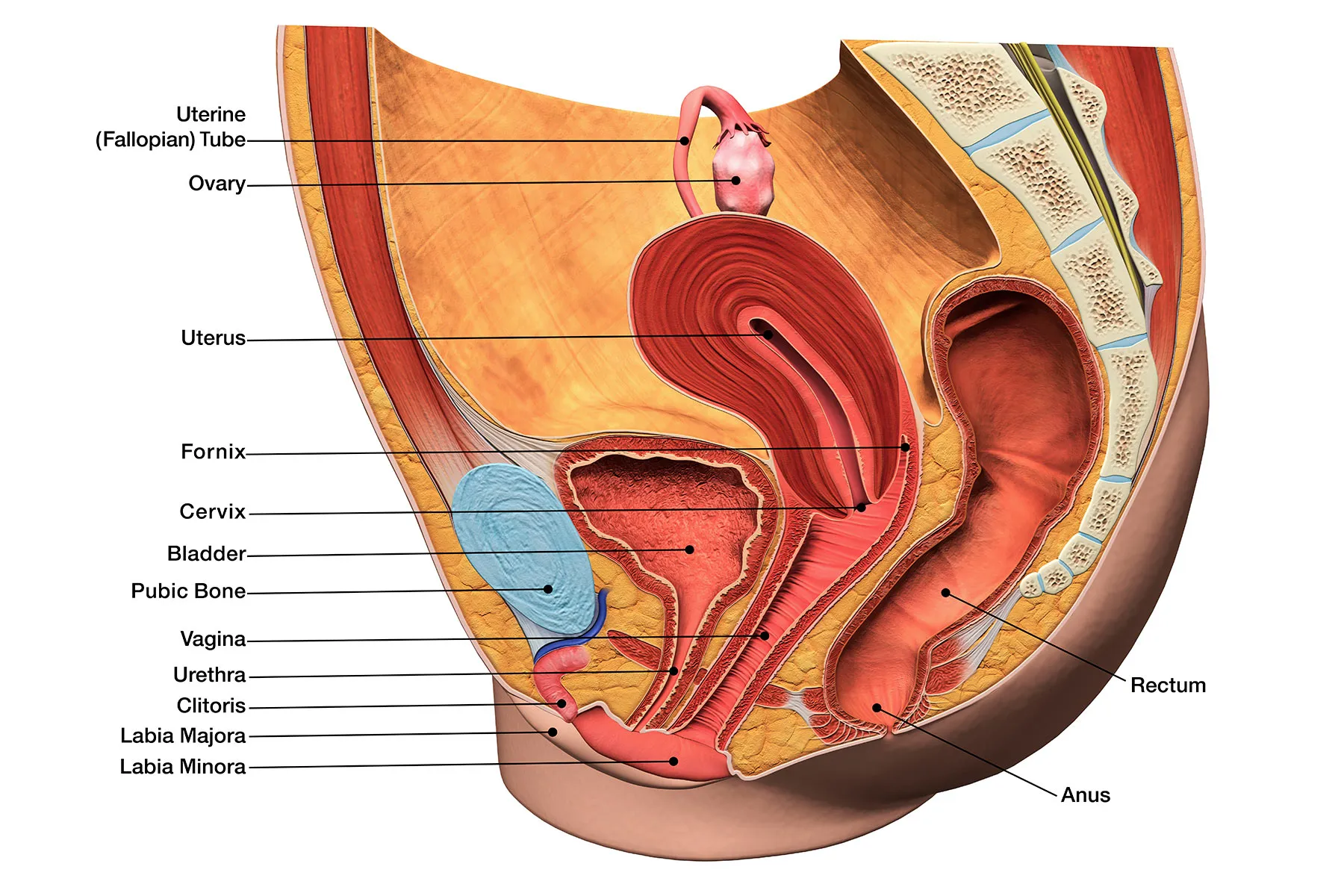
At its simplest, the female reproductive system includes internal organs such as the ovaries, fallopian tubes, uterus, cervix, and vagina, plus external structures collectively called the vulva. These organs work with hormones from the brain and endocrine system to guide puberty, the menstrual cycle, fertility, pregnancy, childbirth, and menopause. It is not just a collection of body parts; it is a coordinated system with timing, feedback loops, and a few dramatic plot twists every month.
This guide explains the major organs, what they do, how the menstrual cycle works, what changes across life stages, and how to support reproductive health without turning every normal symptom into a late-night internet panic spiral.
What Is the Female Reproductive System?
The female reproductive system is a group of organs and hormones that support reproduction, sexual function, and overall health. Its main jobs include producing egg cells, making reproductive hormones, allowing sperm to reach an egg, supporting a fertilized egg during pregnancy, enabling childbirth, and participating in sexual response.
Although people often use the word “vagina” to describe everything below the waist, that is anatomically incorrect. The vagina is only one part of the system. The outside area is the vulva. The internal pathway includes the vagina, cervix, uterus, fallopian tubes, and ovaries. Think of it like calling an entire house “the hallway.” The hallway matters, but it is not the whole building.
Main Organs of the Female Reproductive System
Ovaries: The Egg and Hormone Centers
The ovaries are two small glands located on either side of the uterus. Their main responsibilities are producing eggs, also called ova or oocytes, and making hormones such as estrogen and progesterone. These hormones influence menstruation, pregnancy, bone health, skin, mood, vaginal tissue, and many other body functions.
During most menstrual cycles, one ovary releases an egg in a process called ovulation. The ovaries do not alternate with military precision every month, but both are capable of releasing eggs. Ovarian function begins changing at puberty and gradually declines with age until menopause, when ovulation and menstrual periods stop.
Fallopian Tubes: The Meeting Place
The fallopian tubes are narrow tubes that connect the ovaries to the uterus. After ovulation, tiny finger-like structures near the end of a tube help guide the egg inside. If sperm are present, fertilization usually happens in the fallopian tube, not in the uterus.
Once fertilized, the egg begins dividing and travels toward the uterus. If the tube is blocked, scarred, or damaged, fertility can be affected. A fertilized egg that implants in a fallopian tube instead of the uterus causes an ectopic pregnancy, a serious medical condition that needs urgent care.
Uterus: The Muscular Home Base
The uterus, also called the womb, is a pear-shaped muscular organ in the pelvis. Its inner lining is the endometrium. Each month, hormones prepare this lining for a possible pregnancy. If pregnancy does not occur, the lining sheds during menstruation.
If a fertilized egg implants successfully, the uterus supports fetal growth during pregnancy. Its muscular wall, called the myometrium, stretches dramatically as pregnancy progresses and contracts during labor. Basically, the uterus is both a monthly renovation project and, when needed, a highly specialized baby apartment.
Cervix: The Gateway Between Uterus and Vagina
The cervix is the lower, narrow part of the uterus that opens into the vagina. It produces cervical mucus, which changes throughout the menstrual cycle. Around ovulation, this mucus often becomes thinner and more slippery, helping sperm move more easily through the reproductive tract.
The cervix also plays an important protective role. It helps keep bacteria and other substances from easily entering the uterus. During childbirth, the cervix softens, thins, and dilates to allow a baby to pass through. Cervical health is also a major reason Pap tests and HPV tests are important, because these screenings can detect cell changes before cervical cancer develops.
Vagina: The Flexible Canal
The vagina is a muscular, flexible canal that connects the cervix to the outside of the body. It allows menstrual blood to leave the body, receives the penis or other objects during sexual activity, and serves as part of the birth canal during vaginal delivery.
The vagina naturally contains bacteria, especially lactobacilli, that help maintain an acidic environment. This balance supports vaginal health and helps reduce the growth of harmful organisms. Normal vaginal discharge can change during the menstrual cycle, and not every change means something is wrong. However, itching, burning, strong odor, pelvic pain, or unusual discharge should be checked by a health care professional.
Vulva: The External Reproductive Structures
The vulva includes the external genital structures: the labia majora, labia minora, clitoris, vaginal opening, urethral opening, and nearby glands. The vulva protects internal structures and plays an important role in sexual sensation.
The clitoris contains many nerve endings and is central to sexual pleasure for many people. The labia vary widely in size, color, shape, and symmetry. In other words, normal has a very large wardrobe. Bodies are not factory-stamped phone cases, and variation is expected.
How the Menstrual Cycle Works
The menstrual cycle is a repeating pattern of hormonal and physical changes that prepares the body for a possible pregnancy. A cycle is counted from the first day of one period to the first day of the next period. Many adults have cycles around 21 to 35 days, while adolescents may have more variation, especially in the first years after their first period.
Follicular Phase
The follicular phase begins on the first day of menstrual bleeding. During this phase, follicle-stimulating hormone, or FSH, encourages ovarian follicles to grow. Each follicle contains an immature egg. As follicles develop, estrogen levels rise, helping rebuild the uterine lining after menstruation.
Ovulation
Ovulation occurs when the ovary releases a mature egg. This usually happens around the middle of the cycle, though timing varies. A rise in luteinizing hormone, or LH, triggers the release. The egg then enters a fallopian tube, where it may meet sperm.
Ovulation is often the most fertile time of the cycle. Some people notice mild pelvic discomfort, changes in cervical mucus, breast tenderness, or a slight rise in basal body temperature. Others notice absolutely nothing, because biology sometimes prefers stealth mode.
Luteal Phase
After ovulation, the follicle that released the egg becomes the corpus luteum. It produces progesterone, which helps stabilize and thicken the uterine lining. If pregnancy does not occur, estrogen and progesterone levels fall, the lining breaks down, and menstruation begins again.
Key Hormones and What They Do
The female reproductive system depends on a hormone conversation between the brain, ovaries, and reproductive organs. The hypothalamus and pituitary gland in the brain help regulate ovarian activity. The ovaries respond by producing estrogen, progesterone, and small amounts of testosterone.
Estrogen
Estrogen supports the development of female secondary sex characteristics during puberty, helps regulate the menstrual cycle, maintains vaginal and uterine tissue, and supports bone strength. Estrogen levels rise and fall throughout the cycle and change significantly during perimenopause and menopause.
Progesterone
Progesterone rises after ovulation and prepares the uterine lining for pregnancy. If pregnancy occurs, progesterone helps support the early pregnancy environment. If pregnancy does not occur, progesterone falls, leading to menstruation.
FSH and LH
Follicle-stimulating hormone helps ovarian follicles mature. Luteinizing hormone triggers ovulation. These hormones are produced by the pituitary gland and are essential for normal cycle function.
Reproductive System Changes Across Life
Puberty
Puberty begins when the brain starts sending hormonal signals that activate the ovaries. Breast development, body hair growth, changes in body shape, and the first menstrual period usually happen during this stage. The first period is called menarche. Early cycles may be irregular because the hormone system is still learning its rhythm, much like a new band trying to stay on beat.
Reproductive Years
During the reproductive years, cycles often become more predictable, although stress, illness, weight changes, intense exercise, medications, and health conditions can affect timing. Some people have mild period symptoms, while others experience heavy bleeding, severe cramps, migraines, mood changes, or fatigue.
Pregnancy
Pregnancy begins when a fertilized egg implants in the uterine lining. The uterus expands, hormones shift, blood volume increases, and many body systems adapt. The cervix remains closed for most of pregnancy and later changes during labor. The vagina and pelvic floor also stretch during childbirth.
Perimenopause and Menopause
Perimenopause is the transition leading up to menopause. Hormone levels may fluctuate, causing irregular periods, hot flashes, sleep changes, mood shifts, vaginal dryness, and changes in sexual comfort. Menopause is diagnosed after 12 consecutive months without a menstrual period, not counting other medical causes. After menopause, ovaries produce much lower levels of estrogen and progesterone.
Common Female Reproductive Health Conditions
Many conditions can affect the female reproductive system. Some are common and manageable, while others need timely medical care.
Polycystic Ovary Syndrome
Polycystic ovary syndrome, or PCOS, is a hormone-related condition that can cause irregular periods, excess androgen levels, acne, hair growth on the face or body, and ovulation problems. It can also be associated with insulin resistance and metabolic concerns.
Endometriosis
Endometriosis occurs when tissue similar to the uterine lining grows outside the uterus. It can cause painful periods, pelvic pain, pain during sex, digestive symptoms, and fertility challenges. Pain severity does not always match the amount of visible disease, which is one reason many people struggle for years before getting answers.
Uterine Fibroids
Fibroids are noncancerous growths in or around the uterus. They may cause heavy bleeding, pelvic pressure, frequent urination, back pain, or reproductive concerns. Some fibroids cause no symptoms and are found during routine exams or imaging.
Pelvic Inflammatory Disease
Pelvic inflammatory disease, or PID, is an infection of the reproductive organs, often linked to untreated sexually transmitted infections. PID can damage the fallopian tubes and increase the risk of infertility or ectopic pregnancy. Symptoms may include pelvic pain, fever, abnormal discharge, pain during sex, or bleeding between periods.
Cervical, Uterine, Ovarian, Vaginal, and Vulvar Cancers
Gynecologic cancers can affect different parts of the reproductive system. Cervical cancer is strongly linked to persistent infection with high-risk types of HPV, which is why HPV vaccination and screening are important. Uterine cancer often causes abnormal bleeding, especially after menopause. Ovarian cancer may cause bloating, pelvic pain, feeling full quickly, or urinary changes, but symptoms can be subtle.
How to Support Reproductive Health
Supporting reproductive health does not require a 37-step wellness ritual involving moon water and a $90 candle. The basics matter: regular medical checkups, age-appropriate screenings, safer sex practices, vaccines, balanced nutrition, physical activity, sleep, and paying attention to changes in the body.
Get Recommended Screenings
Pap tests and HPV tests help find cervical cell changes early. Screening recommendations vary by age and health history, so it is best to follow guidance from a qualified clinician. People with abnormal results, weakened immune systems, or certain medical histories may need different follow-up.
Know What Is Normal for You
Cycle tracking can help identify patterns in bleeding, pain, mood, discharge, and other symptoms. A period that is normal for one person may not be normal for another. Tracking helps you notice changes, and it gives clinicians useful information if something needs evaluation.
Practice Safer Sex
Condoms and other barrier methods can reduce the risk of many sexually transmitted infections. Birth control options include pills, patches, rings, injections, implants, intrauterine devices, barrier methods, fertility awareness methods, and permanent contraception. The best option depends on health history, pregnancy goals, side effects, convenience, and personal preference.
Do Not Ignore Warning Signs
Seek medical care for severe pelvic pain, very heavy bleeding, bleeding after menopause, pain during sex, unusual discharge with odor or irritation, missed periods without a clear reason, or possible pregnancy with one-sided pain or dizziness. Reproductive organs are not supposed to communicate only through emergencies, but when they do, listen.
Experiences and Real-Life Lessons About the Female Reproductive System
One of the most important real-life lessons about the female reproductive system is that “normal” is personal. Two people can have completely different menstrual experiences and both can still be within a healthy range. One person may have a predictable 28-day cycle with mild cramps and a period that lasts four days. Another may have a 33-day cycle, breast tenderness, mood changes, and heavier bleeding for the first two days. The key is not comparing bodies like exam scores; the key is noticing what is usual for your body and recognizing when something changes.
For example, many people grow up thinking severe period pain is something they simply have to tolerate. They may miss school, work, sports, or family events because cramps are intense enough to cause nausea or exhaustion. While mild cramps are common, pain that regularly disrupts life deserves medical attention. Conditions such as endometriosis, fibroids, adenomyosis, or pelvic infections can hide behind the phrase “bad periods.” A helpful experience-based rule is this: if pain changes your plans every month, it is worth discussing with a clinician.
Another common experience involves confusion about vaginal discharge. Many people worry that any discharge means infection, but discharge can be normal. It often changes throughout the menstrual cycle. Around ovulation, cervical mucus may become clear, stretchy, and slippery. Before a period, discharge may look thicker. However, discharge with strong odor, itching, burning, pelvic pain, or a green, gray, or cottage-cheese-like appearance may signal infection or irritation. Learning the difference can prevent unnecessary panic and also prevent ignoring real symptoms.
Fertility is another area where lived experience often collides with myths. Many people are taught that pregnancy happens instantly, like pressing a “buy now” button. In reality, timing, ovulation, sperm health, fallopian tube function, uterine health, age, medical conditions, and chance all matter. Some couples conceive quickly, while others need months or medical support. Understanding the reproductive system can make this process less mysterious and less emotionally isolating.
There is also the experience of medical self-advocacy. Reproductive symptoms can be embarrassing to discuss, but clear communication helps. Instead of saying “my period is weird,” it is more useful to say, “My cycle used to be 30 days, but for the past four months it has been 45 to 60 days,” or “I soak through a pad every hour for several hours,” or “sex has become painful on the left side.” Specific details help clinicians identify patterns and decide whether testing is needed.
Finally, the female reproductive system teaches an important body literacy lesson: shame is not a health strategy. Knowing the names of body parts, understanding how hormones work, asking questions, and getting care when symptoms appear are practical skills. The more familiar someone becomes with their own reproductive health, the easier it is to make informed choices about periods, contraception, pregnancy, sexual health, screenings, and menopause. Knowledge will not make the system perfectly predictable, but it does turn down the volume on fearand that is a very good place to start.
Conclusion
The female reproductive system is complex, but it does not have to be confusing. The ovaries produce eggs and hormones, the fallopian tubes help transport eggs and support fertilization, the uterus prepares for pregnancy or sheds its lining during menstruation, the cervix connects and protects, the vagina serves as a flexible canal, and the vulva protects external structures while supporting sexual function.
Understanding this system helps people recognize normal changes, identify warning signs, talk with health care providers more confidently, and make informed choices about reproductive health. Whether you are learning about periods, fertility, birth control, pregnancy, menopause, or general anatomy, the same principle applies: the body is easier to care for when it is easier to understand.
Note: This article is for educational purposes only and should not replace advice, diagnosis, or treatment from a qualified health care professional.