Note: This article is for general educational purposes only. It should not replace diagnosis, treatment, or advice from a licensed healthcare professional.
Introduction: Rheumatoid Arthritis, Explained Like a Picture
Rheumatoid arthritis, often shortened to RA, is not simply “joint pain with a fancy name.” It is a chronic autoimmune disease in which the immune system mistakenly attacks the body’s own tissues, especially the lining of the joints. Imagine your immune system as a security guard who is usually great at keeping troublemakers out. With rheumatoid arthritis, that guard starts tackling the furniture. The result is inflammation, swelling, stiffness, pain, and, over time, possible joint damage.
A visual guide to rheumatoid arthritis helps because RA often tells its story through what people can see and feel: swollen fingers, stiff wrists, tender feet, tired eyes, and mornings that move at the speed of cold syrup. But RA can also be sneaky. It may affect the lungs, eyes, heart, skin, blood vessels, and overall energy levels. That is why understanding its signs, patterns, and treatment options matters.
This guide walks through rheumatoid arthritis in a clear, visual way: what inflamed joints look like, how RA differs from osteoarthritis, what symptoms deserve attention, how doctors diagnose it, and what treatments can help protect movement and quality of life.
What Is Rheumatoid Arthritis?
Rheumatoid arthritis is an autoimmune and inflammatory condition. In a healthy joint, the synovium, a thin lining inside the joint, helps produce fluid that allows smooth movement. In RA, the immune system attacks this lining. The synovium becomes inflamed and thickened, creating warmth, swelling, tenderness, and stiffness.
Over time, ongoing inflammation may damage cartilage, bone, ligaments, and tendons. This damage can change the shape of the joint and reduce range of motion. Without treatment, rheumatoid arthritis can lead to deformity and disability. With early and consistent treatment, many people are able to control inflammation, reduce flares, and maintain active lives.
A Visual Snapshot: What RA Commonly Looks Like
1. Swollen Finger Joints
One of the classic pictures of rheumatoid arthritis is swelling around the knuckles and middle finger joints. The fingers may look puffy, warm, or slightly red. Rings may suddenly feel like tiny metal traps. The swelling is caused by inflammation inside the joint lining, not simply fluid from overuse.
2. Symmetrical Joint Pain
RA often affects the same joints on both sides of the body. For example, both wrists may hurt, or both sets of knuckles may swell. This symmetrical pattern is one clue that helps distinguish rheumatoid arthritis from some other joint conditions.
3. Morning Stiffness That Lasts
Many people with RA describe waking up with hands that feel locked, swollen, or “rusty.” Unlike ordinary stiffness that fades in a few minutes, RA-related morning stiffness may last longer than an hour. Gentle movement may help, but the stiffness can return after long periods of sitting or rest.
4. Foot and Toe Pain
RA does not stop at the hands. The feet and toes are common targets, especially the joints at the base of the toes. A person may feel like they are walking on pebbles, even when the floor is perfectly innocent. Shoes may feel tighter because of swelling, and walking may become painful during flares.
5. Nodules Under the Skin
Some people develop rheumatoid nodules, which are firm lumps under the skin. They often appear near pressure points such as elbows, fingers, or forearms. Not everyone with RA gets nodules, but when present, they can be a visible sign of more active or long-standing disease.
Rheumatoid Arthritis vs. Osteoarthritis: The Visual Difference
Rheumatoid arthritis and osteoarthritis can both cause joint pain, but they are not the same condition. Osteoarthritis is often described as “wear-and-tear” arthritis. It usually develops when cartilage breaks down over time. Rheumatoid arthritis, on the other hand, is driven by immune system inflammation.
Visually, osteoarthritis often affects joints that have worked hard for years, such as knees, hips, lower spine, and finger joints near the fingertips. RA more often starts in smaller joints of the hands, wrists, and feet, especially the knuckles and middle finger joints. RA swelling tends to feel soft and inflamed, while osteoarthritis may create hard, bony enlargements.
Morning stiffness is another clue. Osteoarthritis stiffness often improves within a shorter time after waking. RA stiffness tends to last longer and may come with fatigue, warmth, swelling, and general feelings of being unwell.
Early Signs of Rheumatoid Arthritis
Early rheumatoid arthritis can look subtle. A person may not have dramatic deformity or obvious redness. Instead, the early signs may include:
- Pain, swelling, or tenderness in small joints of the hands or feet
- Morning stiffness that lasts longer than expected
- Fatigue that feels deeper than ordinary tiredness
- Low-grade fever or loss of appetite during active inflammation
- Weak grip strength or difficulty opening jars
- Symptoms that last longer than six weeks
These symptoms deserve medical attention, especially when they appear on both sides of the body. Early diagnosis is important because joint damage can begin before symptoms look severe. RA is one of those conditions where “let’s wait and see” can be a risky strategy, like ignoring a check engine light because the radio still works.
What Happens Inside the Joint?
Inside a joint affected by rheumatoid arthritis, inflammation begins in the synovium. The inflamed synovium releases substances that irritate and damage nearby cartilage and bone. As inflammation continues, the joint space may narrow, and bone erosion can occur. Tendons and ligaments may weaken, which can shift the alignment of the joint.
This is why RA treatment focuses on more than pain relief. The goal is to reduce inflammation at its source and prevent long-term structural damage. Pain medicine may help a person feel better, but disease-modifying treatment is often needed to slow or stop the underlying disease process.
Common Body Areas Affected by RA
Hands and Wrists
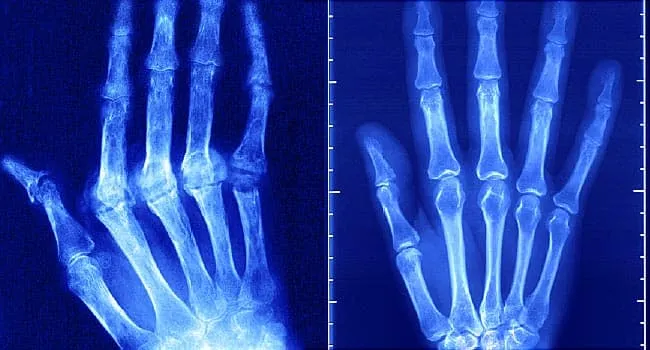
The hands and wrists are among the most common areas affected by rheumatoid arthritis. Swelling may appear around the knuckles, fingers may feel stiff, and grip strength may decrease. Advanced RA can contribute to visible deformities such as ulnar deviation, where fingers angle toward the little finger side of the hand.
Feet and Ankles
RA in the feet can make walking painful. The toes may swell, the ball of the foot may become tender, and shoe comfort may change. Supportive footwear, orthotics, and early treatment can help protect mobility.
Knees
When rheumatoid arthritis affects the knees, swelling may make the joint feel full or tight. Bending the knee can become uncomfortable. In severe long-term cases, joint damage may require surgical repair or replacement, although modern treatments have reduced the need for surgery in many people.
Shoulders and Elbows
RA may cause pain and reduced range of motion in the shoulders and elbows. Daily activities such as reaching overhead, lifting groceries, or brushing hair may become harder during flares.
Eyes, Lungs, Heart, and Skin
Because RA is systemic, it can affect more than joints. Some people experience dry eyes, eye inflammation, lung problems, skin nodules, or increased cardiovascular risk. This is one reason regular medical care is important even when joint symptoms seem controlled.
How Doctors Diagnose Rheumatoid Arthritis
There is no single test that perfectly confirms rheumatoid arthritis in every person. Diagnosis usually combines medical history, physical examination, blood tests, and imaging studies.
Physical Examination
A clinician checks for swollen joints, tenderness, warmth, range of motion, and patterns of joint involvement. The doctor may ask how long stiffness lasts in the morning and whether symptoms appear on both sides of the body.
Blood Tests
Common blood tests include rheumatoid factor, anti-CCP antibodies, C-reactive protein, erythrocyte sedimentation rate, and complete blood count. Anti-CCP antibodies can be especially useful because they are associated with rheumatoid arthritis and may help predict disease course. Inflammation markers such as CRP and sed rate can help monitor disease activity.
Imaging Tests
X-rays can show joint damage, although early RA may not appear clearly on X-ray. Ultrasound and MRI may detect inflammation earlier by showing synovitis, fluid, and early erosions. Imaging also helps doctors monitor whether treatment is protecting the joints.
Treatment: The Goal Is More Than Pain Control
The main goal of rheumatoid arthritis treatment is to reduce inflammation, relieve symptoms, prevent joint damage, and preserve function. Treatment is often personalized because RA does not behave exactly the same way in every person.
DMARDs
Disease-modifying antirheumatic drugs, known as DMARDs, are central to RA treatment. Methotrexate is commonly used as a first-line option. Other conventional DMARDs include hydroxychloroquine, sulfasalazine, and leflunomide. These medicines can take weeks or months to show full benefit, so patience is part of the prescription, unfortunately without a cute pharmacy label.
Biologic and Targeted Therapies
If conventional DMARDs are not enough, doctors may recommend biologic medications or targeted synthetic DMARDs, such as JAK inhibitors. These treatments act on specific parts of the immune system. They can be very effective, but they also require careful monitoring for side effects and infection risk.
NSAIDs and Corticosteroids
Nonsteroidal anti-inflammatory drugs may reduce pain and swelling but do not stop joint damage. Corticosteroids can calm inflammation quickly during flares, but long-term use can have significant side effects. Doctors often use them carefully and try to rely on disease-modifying therapy for long-term control.
Physical and Occupational Therapy
Physical therapy can help maintain strength, flexibility, and safe movement. Occupational therapy can teach joint protection strategies and recommend tools that make daily tasks easier. Jar openers, ergonomic keyboards, shower chairs, and adaptive kitchen gadgets may not sound glamorous, but neither does wrestling a pickle jar before breakfast.
Lifestyle Habits That Support RA Management
Lifestyle changes cannot cure rheumatoid arthritis, but they can support treatment and reduce stress on the body. Regular low-impact exercise, such as walking, swimming, cycling, yoga, or gentle strength training, may help reduce stiffness and protect muscle. Rest is also important during flares.
A balanced eating pattern rich in fruits, vegetables, whole grains, lean proteins, nuts, fish, and healthy fats may support overall health. Quitting smoking is especially important because smoking is linked with RA risk and may worsen outcomes. Maintaining a healthy weight can also reduce stress on joints and lower inflammation-related strain.
Sleep deserves its own spotlight. Poor sleep can worsen pain sensitivity and fatigue. Creating a steady sleep schedule, reducing screen time before bed, and managing pain before nighttime may help improve rest.
Recognizing an RA Flare
A flare is a period when rheumatoid arthritis symptoms become more active. Flares may bring increased swelling, pain, stiffness, fatigue, and reduced function. Some flares have clear triggers, such as infection, stress, overexertion, poor sleep, or missed medication. Others arrive like an uninvited guest who brought luggage.
During a flare, people may benefit from rest, gentle movement, heat for stiffness, cold packs for swelling, and communication with their healthcare team. A flare that is severe, unusual, or persistent should be discussed with a clinician because treatment may need adjustment.
When to Seek Medical Help
Anyone with joint swelling, pain, and stiffness lasting more than several weeks should consider medical evaluation. It is especially important to seek care if symptoms affect both sides of the body, involve the hands or feet, or come with fatigue, fever, or unexplained weight changes.
People already diagnosed with RA should contact their healthcare team if they experience new shortness of breath, chest pain, eye pain or redness, signs of infection, severe medication side effects, or sudden worsening of symptoms. RA is manageable, but it should not be treated casually.
Living With Rheumatoid Arthritis: Experience-Based Examples
Living with rheumatoid arthritis often means learning how to read the body like a weather report. Some mornings are calm and bright. Other mornings, the hands feel like they spent the night inside a freezer holding tiny dumbbells. Many people with RA describe the first hour of the day as the hardest part. Buttons, toothbrushes, coffee mugs, and doorknobs can feel oddly personal, as if every object in the house has joined a secret resistance movement.
A common experience is adjusting routines before symptoms become overwhelming. For example, someone with RA in the hands may prepare breakfast ingredients the night before, choose lightweight cookware, or use kitchen tools with larger grips. These small changes can protect joints and reduce frustration. The goal is not to “give in” to RA. The goal is to save energy for things that matter more than proving dominance over a stubborn can opener.
Work life can also change. A person who types all day may notice wrist stiffness or finger swelling after long sessions. Helpful strategies might include using voice-to-text software, taking short stretch breaks, adjusting desk height, wearing recommended splints, or switching to an ergonomic mouse. These changes can make the difference between ending the day functional and ending it with hands that feel like they filed a formal complaint.
Social life may require honest communication. RA fatigue is not ordinary tiredness. It can feel like the battery has dropped from 80% to 3% with no warning. Friends and family may not understand because RA is not always visible. Someone may look fine at dinner but struggle to hold a fork comfortably or feel exhausted after getting dressed. Explaining symptoms in specific terms can help: “My joints are swollen today,” or “I need to rest before we go,” is clearer than simply saying, “I’m tired.”
Exercise is another area where experience matters. Many people fear movement because painful joints seem to be shouting, “Absolutely not.” But gentle, appropriate activity often helps reduce stiffness and maintain strength. The key is pacing. A short walk, water exercise, stretching, or light resistance training may be more sustainable than intense workouts. During flares, rest and gentle range-of-motion movements may be smarter than pushing hard.
Emotionally, RA can be frustrating. It may interrupt plans, change appearance, and make simple tasks unpredictable. Some people feel guilty for needing help. Others feel anxious about the future. Support groups, counseling, patient education, and open conversations with clinicians can help. So can humor. RA is serious, but a little laughter can make the daily negotiations easier. Sometimes the victory is not running a marathon. Sometimes it is opening the toothpaste, making breakfast, answering emails, and still having enough energy to enjoy the evening. That counts.
Conclusion
Rheumatoid arthritis is a complex autoimmune disease, but understanding its visual signs makes it less mysterious. Swollen knuckles, symmetrical stiffness, painful feet, fatigue, and flare patterns can all help tell the story. The most important message is simple: early diagnosis and treatment matter. Modern RA care can reduce inflammation, protect joints, and help many people live active, meaningful lives.
A strong rheumatoid arthritis plan usually includes medical treatment, monitoring, movement, rest, joint protection, and practical lifestyle adjustments. RA may be persistent, but it is not the boss of every chapter. With the right care team and daily strategies, people can manage symptoms, protect mobility, and keep life moving forward.