Editorial note: This article is written for web publication in standard American English, with SEO-friendly structure, natural keyword use, and practical guidance based on real fabric, table-linen, and home-entertaining information.
The Small Square That Quietly Upgrades the Whole Table
A cotton stripe napkin may look like a humble piece of fabric, but place it beside a dinner plate and suddenly the table has opinions. Good opinions. The kind that say, “Yes, we planned this meal,” even if the main course was rescued from the oven seven minutes before becoming a fossil.
In the world of fabrics and linens, the cotton stripe napkin earns its place because it balances beauty, usefulness, and everyday practicality. It is softer than paper, sturdier than a decorative afterthought, and stylish enough to make toast look like brunch. Whether used for a casual weekday dinner, a farmhouse-style breakfast table, a coastal lunch, or a holiday spread, striped cotton napkins bring texture and rhythm to the dining experience.
The main appeal is simple: cotton is familiar, absorbent, washable, and comfortable to the touch. Stripes, meanwhile, are design’s favorite low-drama pattern. They add movement without shouting. They can look French bistro, New England coastal, modern farmhouse, rustic cottage, or quietly minimalist depending on color, weave, and styling. Put the two together and you get a reusable table linen that works harder than it brags. Honestly, we should all aspire to such professional maturity.
What Is a Cotton Stripe Napkin?
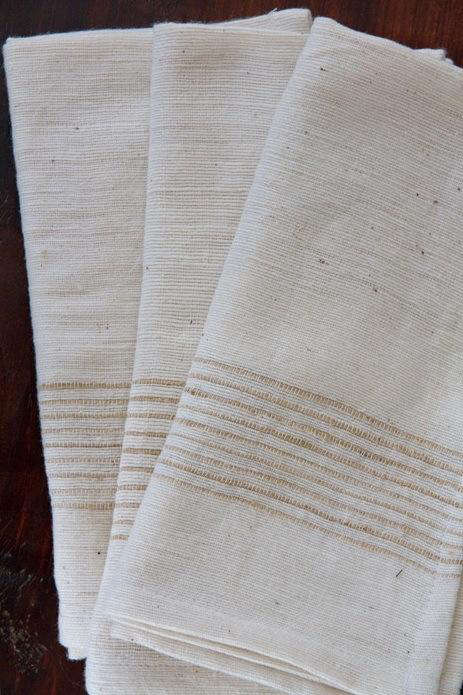
A cotton stripe napkin is a reusable cloth napkin made fully or primarily from cotton and designed with woven, printed, yarn-dyed, or embroidered stripes. Most dinner napkins are square, often around 18 to 22 inches, though cocktail napkins, luncheon napkins, and oversized dinner napkins may vary. The stripe can be subtle, bold, ticking-style, pinstripe, block stripe, café stripe, or irregular handwoven stripe.
The phrase “cotton stripe napkin” sounds specific, but it includes many personalities. A navy-and-white striped cotton dinner napkin feels crisp and nautical. A beige cotton napkin with soft tan stripes feels warm and organic. A red ticking stripe napkin looks like it belongs next to roast chicken, crusty bread, and someone’s grandmother telling a suspiciously long story about butter. A black stripe on natural cotton feels modern and graphic, especially with stoneware plates and matte flatware.
Unlike single-use paper napkins, cotton cloth napkins are meant to be washed, reused, folded, tucked, knotted, layered, and occasionally dropped into pasta sauce by the family member who insists they are “usually very careful.” Because cotton handles regular laundering well, it is a smart material for table linens that must survive real life, not just a photoshoot where nobody eats the lasagna.
Why Cotton Works So Well for Table Linens
Cotton has been a favorite household textile for generations because it feels natural, soft, and breathable. In napkins, those qualities matter more than people realize. A good cloth napkin should not feel slippery, stiff, scratchy, or so precious that guests are afraid to touch it. Cotton feels approachable. It says, “Use me,” not “I belong in a museum beside a tiny rope barrier.”
Another strength is absorbency. Cotton fibers can take in moisture, which makes them useful for wiping hands, catching condensation, and dealing with small spills. This is one reason cotton appears so often in kitchen towels, dishcloths, tablecloths, and everyday napkins. A cotton stripe napkin does not merely sit there looking charming; it actually performs a job.
Cotton also accepts dyes and woven patterns beautifully. Stripes can be woven directly into the fabric using colored yarns, creating a pattern that feels integrated rather than painted on top. Printed stripes can offer more decorative variety, while yarn-dyed stripes often have a richer, longer-lasting look. For buyers who care about longevity, woven or yarn-dyed stripe napkins are often worth considering.
Cotton vs. Linen vs. Polyester Napkins
Linen napkins are beloved for their texture, relaxed wrinkles, and elegant drape. They feel airy and refined, but they may wrinkle more dramatically and sometimes require more careful laundering. Polyester napkins are often budget-friendly and wrinkle-resistant, which explains their popularity in events and restaurants. However, polyester may not offer the same natural hand feel as cotton or linen.
Cotton sits comfortably between the two. It is casual but not careless, attractive but not fussy, and easy enough for daily use. For homes that want cloth napkins without turning laundry day into a Victorian subplot, cotton is a reliable choice.
Why Stripes Are the Secret Weapon of Table Design
Stripes are one of the most versatile patterns in home decor. Florals can feel seasonal. Plaids can lean rustic. Solids can look clean but sometimes flat. Stripes offer structure, energy, and balance. A cotton stripe napkin can tie together plain dinnerware, wood serving boards, glassware, and a tablecloth without making the table look like it got dressed in the dark.
The direction and scale of the stripe matter. Thin pinstripes feel refined and tailored, like the table put on a blazer. Wide cabana stripes feel relaxed and sunny. Ticking stripes suggest classic utility and heritage charm. Uneven artisan stripes bring handmade warmth, especially when paired with ceramic plates, woven placemats, and simple flowers.
Color Changes Everything
A blue cotton stripe napkin is a natural fit for coastal, cottage, and casual summer tables. Black-and-white stripes feel modern and graphic. Rust, olive, or ocher stripes work beautifully in fall tablescapes. Red stripes add cheer to holiday meals without requiring a centerpiece shaped like a reindeer. Neutral beige, cream, and gray stripes are the easiest to style because they play nicely with almost every dish, from roasted vegetables to takeout noodles arranged on actual plates for morale.
If you want one set of striped cloth napkins for year-round use, choose a neutral ground with a classic stripe in navy, charcoal, tan, or muted green. If you like seasonal table styling, build a small rotation: blue stripes for spring and summer, earthy stripes for fall, and red or deep green stripes for winter gatherings.
How to Choose a Quality Cotton Stripe Napkin
Shopping for cotton dinner napkins sounds simple until you meet the suspiciously large number of options. The best choice depends on fabric weight, weave, size, finish, edge construction, and how much ironing you are emotionally prepared to perform.
1. Check the Fabric Content
Look for 100% cotton if you want a natural feel and strong absorbency. Cotton-rich blends can also be practical, especially when blended for wrinkle resistance or durability. However, blends may feel different and may not absorb as naturally as pure cotton. For an everyday table linen, either can work, but the label matters.
2. Feel the Weight
A napkin should have enough body to fold nicely but not so much bulk that it feels like a small bath towel attending dinner. Lightweight cotton napkins are casual and easy to wash. Medium-weight cotton napkins feel more substantial and are often better for dinner parties. Very thick napkins can look luxurious, but they may take longer to dry and occupy more drawer space.
3. Look at the Edges
Good cloth napkins usually have neat hems, mitered corners, or fringe designed intentionally rather than accidentally. Mitered corners give a crisp, tailored finish. Fringe creates a relaxed, artisanal look. If the stitching is uneven or loose before the first wash, the napkin is already whispering its resignation letter.
4. Consider the Size
For dinner, a 20-inch square is a popular and generous size. Smaller napkins around 16 to 18 inches work well for lunch or casual meals. Cocktail napkins are much smaller and best for drinks, appetizers, and pretending the cheese board counts as dinner. For a cotton stripe napkin that can handle both everyday meals and guests, choose a square around 18 to 20 inches.
5. Think About the Stripe Placement
Some striped napkins are fully striped from edge to edge. Others feature a center stripe, border stripe, or ticking pattern. A border stripe looks polished when folded. A full stripe creates more visual energy. A single center stripe can feel modern and calm. The best pattern is the one that matches your table’s personality without making the plates feel like background actors.
Styling Ideas for Cotton Stripe Napkins
A cotton stripe napkin is wonderfully easy to style because it brings pattern without chaos. The trick is to let it create contrast while repeating at least one color already on the table.
Farmhouse Breakfast Table
Pair beige or blue ticking stripe napkins with white plates, a wooden table, clear glasses, and a small jar of wildflowers. Add scrambled eggs, toast, coffee, and jam. Suddenly breakfast looks like a magazine spread, even if someone is wearing socks that do not match.
Coastal Lunch
Use navy-and-white cotton stripe napkins with woven placemats, simple stoneware, lemon wedges, and seafood or salad. The stripes create a breezy look without needing seashell decor, which is good because not every table needs to look like it was decorated by a very enthusiastic crab.
Modern Dinner Setting
Choose black or charcoal striped napkins with matte plates, low glass tumblers, and minimal flatware. Fold the napkin into a rectangle and place it under the fork or across the plate. The result feels clean, graphic, and calm.
Holiday Without the Costume Party
For Thanksgiving, try rust or olive striped cotton napkins with warm ceramics and taper candles. For Christmas, red stripe napkins add charm without turning the table into Santa’s break room. For the Fourth of July, blue or red stripes are festive but still reusable after the fireworks are gone.
How to Fold and Display Striped Cloth Napkins
Because stripes already have direction, simple folds often look best. A basic rectangle fold shows off the pattern cleanly. A loose knot feels casual and modern. A napkin ring adds polish, especially when the stripe peeks out on both sides. For a softer look, fold the napkin diagonally into a triangle and let the stripes run across the plate.
If the stripe is bold, avoid overly complicated folds. A dramatic fan fold can be fun, but a striped fan may look like the napkin is auditioning for a parade. For most tables, the goal is effortless charm. Fold, place, breathe, and resist the urge to build origami swans unless your guests specifically enjoy being intimidated by textiles.
Care Guide: Washing Cotton Stripe Napkins Without Drama
The beauty of cotton table linens is that they are usually easy to maintain. Always check the care label first, because dyes, finishes, embroidery, and trims can change the rules. In general, cotton napkins can be machine washed with like colors, using mild detergent and a gentle or regular cycle depending on the fabric weight.
Cold or warm water is often a safe choice for preserving color, especially with striped designs. Hot water may help with sanitation or heavy soil, but it can also encourage shrinkage or fading in some cotton fabrics. When in doubt, wash cool, dry low, and remove promptly. This is not just laundry advice; it is a tiny lifestyle philosophy.
Stain Removal Tips
Act quickly. Blot stains rather than rubbing them aggressively. For oily stains, a small amount of dish soap can help break down grease before washing. For wine, berries, or coffee, rinse with cool water and pre-treat gently. Avoid putting a stained napkin into a hot dryer until the mark is gone, because heat can set stains and turn a small accident into a permanent historical record.
Ironing and Wrinkles
Cotton napkins may wrinkle, especially if air-dried. For a crisp dinner-party look, iron them while slightly damp or use steam. For casual meals, embrace a few soft wrinkles. A relaxed cotton stripe napkin can look charming, lived-in, and honest. Not every meal requires military-grade corners.
Storage
Store napkins clean and completely dry. Fold them flat or roll them loosely to reduce hard creases. Keep them in a cool, dry drawer or basket. If you own multiple sets, organize by color or season so you are not digging through a linen drawer five minutes before guests arrive, muttering things that would not belong on a family-friendly cooking show.
Reusable Napkins and Everyday Sustainability
Reusable cloth napkins can help reduce dependence on single-use paper products, especially when used consistently and washed efficiently. The environmental impact depends on how they are made, how long they last, and how they are laundered. A cotton stripe napkin becomes a smarter choice when it is used for years, washed in full loads, dried efficiently, and repaired or repurposed instead of quickly discarded.
For families, switching to cotton napkins does not have to be ceremonial. Start with one set for daily meals. Keep a small basket near the dining table or kitchen counter so people actually use them. Choose stripes or darker colors if you are worried about stains. A white napkin is elegant, but it also has the emotional resilience of a Victorian poet when faced with barbecue sauce.
When a napkin becomes too stained for the table, it can still serve as a cleaning cloth, picnic wrap, basket liner, lunchbox napkin, or craft fabric. This second life is one of the quiet advantages of cotton linens: even when they retire from dinner duty, they can still be useful.
Common Mistakes to Avoid
Buying Only for Looks
A beautiful napkin that feels scratchy or refuses to absorb anything is basically a decorative square with commitment issues. Touch the fabric if shopping in person, or read material and care details carefully online.
Ignoring Shrinkage
Cotton can shrink, especially with heat. If exact size matters, choose pre-washed napkins or follow low-heat care instructions. Expect some natural softening over time.
Using Too Much Detergent
More detergent does not mean cleaner napkins. It can leave residue and reduce softness. Use the recommended amount and avoid heavy fabric softeners, which may coat fibers and affect absorbency.
Saving Cloth Napkins Only for Guests
This is the great tragedy of the linen drawer. Cotton stripe napkins are practical enough for Tuesday tacos and pretty enough for Sunday roast. Use them. Let daily life have nice things.
Experience Notes: Living With Cotton Stripe Napkins
After using cotton stripe napkins in real dining situations, one thing becomes obvious: they make ordinary meals feel more intentional without demanding much effort. A striped napkin beside a plate of pasta makes the table feel finished. A folded cotton napkin under a bowl of soup adds warmth. Even a sandwich lunch feels a little more civilized when there is a cloth napkin involved. The sandwich may still be leaning dangerously to one side, but at least the table has dignity.
The best experience comes from choosing napkins that match your actual habits. If your household includes kids, pets, frequent tomato sauce, or people who treat napkins as emergency potholders, avoid delicate white cotton at first. Choose medium-colored stripes, ticking patterns, or natural cotton with darker lines. These patterns are forgiving. They hide small marks better than solids and keep the table looking lively even after repeated washing.
One practical lesson is to buy enough. A set of four is fine for a small household, but a set of eight or twelve is more comfortable if you host, meal-prep, or dislike doing laundry every time someone eats toast. Keep everyday cotton napkins separate from special-occasion linens. The everyday set should be easy to grab, easy to wash, and emotionally replaceable. The fancy set can live in the drawer with the good candles and the serving spoon nobody can identify.
Striped napkins also solve a common styling problem: they make mixed dinnerware look deliberate. If you have four white plates, two blue bowls, one inherited platter, and a serving dish that might have come from a yard sale or a pirate ship, striped cotton napkins can pull everything together. Choose a stripe color that repeats one tone from your plates or table runner. Suddenly the table looks collected instead of chaotic.
For casual dinners, the easiest styling method is the loose fold. Fold the napkin into a rectangle, place it to the left of the plate, and set the fork on top. For a warmer look, knot the napkin loosely and place it in the center of the plate. For guests, use a napkin ring or tie the napkin with cotton twill tape, jute, or a small sprig of herbs. Rosemary works especially well because it smells good and looks like you tried harder than you did.
In terms of laundry, cotton stripe napkins are refreshingly low-maintenance when treated promptly. The most successful routine is simple: shake crumbs into the trash or compost, pre-treat obvious stains, wash with similar colors, dry on low, and fold while warm. Folding while warm is the secret move. It reduces wrinkles and makes the stack look tidy without requiring a full ironing session. If you enjoy ironing, congratulations on your inner peace. If not, warm folding is your friend.
Another pleasant surprise is how cotton napkins soften over time. New napkins can feel crisp, especially if they have sizing or finishing from manufacturing. After several washes, they often become more relaxed and absorbent. The colors may mellow slightly, which can make striped napkins look even better, like favorite jeans or a well-used cookbook with one suspicious page stuck together.
The overall experience is that cotton stripe napkins are not just decorative. They change the feeling of the meal. They reduce the rustle of paper, add texture to the table, and encourage people to slow down a little. That may sound dramatic for a square of cotton, but table linens have always carried a small ceremony. They say the meal matters. They say someone thought about comfort. They say, “Please enjoy dinner, and please do not wipe marinara on your sleeve.”
Conclusion: A Classic Linen That Earns Its Drawer Space
The cotton stripe napkin is one of those rare home items that combines function, beauty, and flexibility. It works for casual breakfasts, family dinners, outdoor lunches, holiday tables, and last-minute hosting. It can look rustic, coastal, modern, traditional, or playful depending on color and styling. It is washable, reusable, absorbent, and easy to pair with other table linens.
For anyone building a practical linen collection, striped cotton napkins are a smart place to start. Choose a quality cotton fabric, a versatile stripe, a useful size, and a care routine you can actually maintain. Then use them often. The best table linens are not the ones preserved in perfect stacks forever; they are the ones that show up for meals, survive spills, and make everyday dining feel a little more special.
In short, a cotton stripe napkin is not just a napkin. It is a small design decision with an impressive return. It catches crumbs, handles spills, dresses the table, and quietly suggests that dinner deserves better than a paper towel torn in half. That is a lot of work for one square of fabric. Respect.