Every homeowner eventually meets the same suburban villain: the lawn. It starts innocently enough, just a patch of green waving in the breeze like it belongs on a cereal commercial. Then suddenly it needs mowing, edging, watering, feeding, fixing, reseeding, and possibly a motivational speech. That is where the wonderfully punny phrase “Fab Freebie: Mow Money, Mow Problems” earns its stripes. It sounds like a giveaway headline, but it also captures the true emotional arc of yard ownership: the mower may be free, but the grass still has a personality.
A fabulous freebie in the lawn-care world is more than a shiny prize. It is an opportunity to rethink how much yard maintenance really costs, what kind of equipment makes sense, and how to keep your outdoor space from quietly eating your weekends. Whether you are entering a lawn mower giveaway, comparing gas and electric mowers, or trying to make your backyard look less like a goat skipped lunch, the goal is the same: spend smarter, mow better, and avoid turning your garage into a museum of half-used lawn gadgets.
What “Mow Money, Mow Problems” Really Means
The joke works because it is painfully accurate. Lawn care can look simple from a distance. Buy a mower, cut the grass, admire your kingdom. Easy, right? Then reality arrives wearing work gloves. Gas mowers need fuel, oil changes, spark plugs, filters, blade sharpening, and enough patience to pull-start the machine without saying words that would upset the mailbox. Battery mowers remove many of those headaches, but they introduce new questions about runtime, charging, replacement batteries, and whether one battery is enough for a bigger yard.
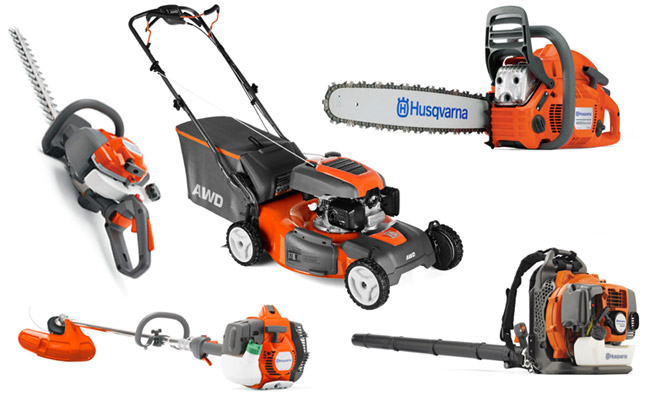
A lawn-care freebie can feel like winning the neighborhood lottery, especially if the prize includes a mower, trimmer, blower, or other outdoor power tools. But the smartest winners do not just ask, “What is this worth?” They ask, “Will this actually fit my yard, my storage space, my noise tolerance, and my long-term budget?” A free riding mower is fantastic unless your lawn is the size of a bath towel. A compact electric mower is a dream unless your property has hills, thick grass, and the stamina of a marathon course.
The Hidden Costs Behind a “Free” Lawn Tool
Free is a beautiful word. It has sparkle. It has confetti. It makes adults move faster than children hearing an ice cream truck. But lawn tools come with ownership costs, even when the upfront price disappears. With gas-powered equipment, homeowners often pay for gasoline, engine oil, air filters, spark plugs, stabilizer, repairs, and winter storage prep. With electric equipment, the ongoing cost is usually lower, but owners still need to think about battery health, charger storage, blade care, and eventual battery replacement.
Fuel, Maintenance, and Time
The real lawn-care bill is not only measured in dollars. It is measured in Saturday mornings. A gas mower can be powerful and dependable, especially for thick turf or larger yards, but it usually demands more hands-on maintenance. Electric mowers are often easier to start, quieter, lighter, and simpler to store. For many suburban homeowners, that convenience matters just as much as price. After all, nobody has ever whispered, “I wish my weekend included more small-engine troubleshooting.”
Storage Space Matters
A mower is not a throw pillow. You cannot casually tuck it beside the sofa and call it texture. Before chasing any lawn-care giveaway, consider where the equipment will live. Foldable electric mowers can be great for tight garages and sheds. Riding mowers need serious room. Gas equipment also requires safe fuel storage, while battery tools need a dry charging area away from extreme temperatures. The best freebie is the one that does not create a storage crisis by Tuesday.
Gas vs. Electric Mowers: Which One Solves More Problems?
The gas-versus-electric mower debate has become the lawn-care version of coffee-versus-tea. Both sides have reasonable points. Gas mowers still shine for large lawns, rough terrain, tall grass, and users who want quick refueling. Battery-powered mowers are increasingly attractive for small to medium yards because they are quieter, cleaner at the point of use, and easier to maintain. Corded electric mowers can be affordable, but they work best for small spaces where extension-cord gymnastics will not become a neighborhood sport.
When Gas Makes Sense
A gas mower may be the right choice if your yard is large, uneven, or often overgrown. Gas models typically provide strong cutting power and do not require charging breaks. For homeowners who mow acreage or deal with dense warm-season grass, gas equipment can still feel practical. The trade-off is that gas mowers are louder, produce exhaust, and require more regular engine maintenance. They are not bad tools; they are simply tools with chores attached.
When Electric Makes Sense
A battery mower may be ideal if your lawn is modest in size and you value low maintenance. Electric mowers usually start with the push of a button, which is a small miracle for anyone who has ever yanked a starter cord until their shoulder filed a complaint. They also reduce fumes during use and can make early-morning mowing less likely to turn neighbors into curtain-peeking critics. For many households, the biggest question is runtime: one battery may be enough for a small lawn, while larger yards may need a second battery.
How to Judge a Lawn-Care Giveaway Like a Smart Homeowner
A fabulous freebie should feel exciting, not confusing. Before entering a mower giveaway or accepting free used equipment, evaluate the prize like a practical adult who still enjoys winning things. Start with yard size. A push reel mower can be charming for a tiny lawn, but it becomes less charming when the grass is wet, thick, or taller than your dog. A self-propelled mower is helpful on slopes. A riding mower is useful for large lots but unnecessary for postage-stamp lawns.
Next, look at the brand ecosystem. Many battery-powered tools share batteries across mowers, trimmers, blowers, chainsaws, and hedge trimmers. If the prize includes a mower from a platform you already own, that is a major win. If it uses a battery system you will never buy again, the freebie may be less valuable long term. Check warranty terms, replacement battery availability, blade size, cutting-height options, and whether the mower mulches, bags, side-discharges, or does all three.
Mowing Smarter: The Rules That Save Money and Grass
The cheapest lawn repair is the one you never need. Smart mowing protects grass health and reduces future spending on seed, fertilizer, weed control, and emergency “why is my lawn crunchy?” products. A common best practice is to avoid removing more than one-third of the grass blade at a time. Cutting too much at once stresses the plant, exposes soil to sunlight, and gives weeds a friendly little welcome mat.
Keep Grass Taller Than You Think
Many cool-season lawns do better when mowed around three inches or higher, depending on grass type and region. Taller grass shades the soil, supports deeper roots, and can help crowd out weeds. Scalping the lawn may look tidy for about twelve minutes, but it often creates more problems than it solves. Think of grass like hair: a trim is refreshing; a surprise buzz cut before a heat wave is a lifestyle crisis.
Sharpen the Blade
A dull mower blade tears grass instead of cutting it cleanly. Torn grass tips turn brown, lose moisture faster, and can make the whole yard look tired even after mowing. Sharpening or replacing the blade is one of the simplest ways to improve cut quality. If the lawn looks ragged after a mow, do not automatically blame the grass. Sometimes the villain is just a blade that has been chewing instead of slicing.
Leave Clippings When Appropriate
Grass clippings are not trash when they are small and evenly distributed. Mulched clippings return nutrients and organic matter to the soil. That can reduce the need for fertilizer and save time because nobody has to drag heavy bags around like they are training for a landscaping Olympics. However, if the grass is extremely tall or wet, clumps should be spread out or removed so they do not smother the turf.
Water, Noise, and the Bigger Lawn-Care Picture
Lawn care is not just a personal budget issue. It also affects water use, air quality, noise levels, and local comfort. Residential outdoor water use in the United States is significant, especially during warm months when irrigation systems run frequently. A greener lawn is not always a smarter lawn if it requires constant watering in a dry climate. Matching grass type and landscape design to local conditions can save money and reduce frustration.
Noise is another overlooked factor. Gas-powered mowers, trimmers, and blowers can be loud enough to dominate a quiet block. Battery-powered tools are not silent, but they are often noticeably quieter. That matters for homeowners, neighbors, pets, babies, remote workers, and anyone who believes Saturday morning should begin with coffee rather than a two-stroke leaf blower solo.
Safety: The Least Funny Part of Lawn Care
Lawn mowers are everyday tools, but they deserve serious respect. Keep children and pets indoors while mowing. Wear closed-toe shoes, eye protection, and hearing protection when needed. Clear rocks, sticks, toys, and mystery objects from the lawn before starting. Never reach under a mower deck unless the machine is fully off and cannot start. With battery mowers, remove the battery before maintenance. With gas mowers, disconnect the spark plug when working near the blade.
Riding mowers require extra caution. Children should not ride as passengers, and operators should be careful around slopes, backing areas, and blind spots. A lawn can be replaced. A person cannot. That may sound dramatic, but mower accidents are serious enough that safety belongs in every lawn-care conversation, even one with a punny title.
Freebie Strategy: How to Win Without Losing Your Mind
If you love giveaways, contests, and “fab freebies,” treat them like a fun bonus rather than a financial plan. Enter reputable giveaways from recognizable brands, publishers, retailers, or local organizations. Read eligibility rules carefully. Watch for shipping restrictions, taxes, privacy terms, and whether the prize is new, refurbished, or store credit. Be wary of “free mower” posts that ask for suspicious payment details, strange downloads, or personal information that has nothing to do with prize fulfillment.
Local utility rebates, municipal electrification programs, and seasonal retailer promotions can also feel like freebies because they lower the real cost of upgrading. Some communities have encouraged battery-powered lawn equipment through rebates, especially when residents recycle older gas tools. Even when a rebate is not available, comparing total cost of ownership can reveal that the cheaper sticker price is not always the cheaper long-term choice.
Budget-Friendly Lawn-Care Ideas That Actually Work
You do not need a luxury mower to have a respectable lawn. Start with consistent mowing at the right height. Water deeply but less often when irrigation is needed, and follow local watering rules. Choose grass seed suited to your region. Repair bare spots early before weeds move in like they signed a lease. Buy tools at end-of-season sales if you can wait. Share rarely used equipment with trusted neighbors. Rent specialized tools, such as aerators, instead of buying machines that will mostly collect dust.
Another smart move is to shrink the high-maintenance part of the lawn. Many homeowners are replacing difficult turf areas with mulch beds, native plants, ground covers, rain gardens, or low-water landscaping. This does not mean the entire yard has to become a wilderness documentary. Even reducing a strip of hard-to-mow grass near a fence or slope can save time, water, and irritation.
Choosing the Right Mower for Your Yard
Small Urban Yard
For a small, flat lawn, a reel mower, corded electric mower, or compact battery mower may be enough. Look for lightweight handling, easy storage, and simple cutting-height adjustments. You probably do not need a massive self-propelled machine unless your grass grows like it is training for a jungle role.
Medium Suburban Yard
A battery self-propelled mower or reliable gas push mower can work well. If choosing electric, check runtime claims carefully and consider whether the battery platform includes other tools you need. For gas, prioritize easy maintenance access, strong mulching performance, and a mower deck suited to your terrain.
Large Yard or Rough Terrain
A riding mower, lawn tractor, zero-turn mower, or high-powered self-propelled gas mower may make sense. Comfort, deck width, turning radius, slope safety, serviceability, and storage become more important. A cheap machine that struggles every week is not a bargain; it is a subscription to annoyance.
How “Mow Money” Becomes Real Savings
The best way to save money on lawn care is to reduce repeat problems. Mow at the right height. Keep blades sharp. Avoid mowing wet grass. Maintain equipment on schedule. Store tools correctly. Use grass clippings wisely. Choose equipment that fits your actual yard, not the fantasy yard you would have if you lived on a golf course and had a staff named “the grounds crew.”
Also, be honest about your habits. If you hate maintenance, a lower-maintenance electric mower may be worth the higher upfront cost. If you forget to charge batteries, gas may be more practical. If you travel often, a robotic mower could be interesting, but only if your yard layout, budget, and tolerance for app setup align. The right mower is not always the fanciest mower. It is the one that gets used, maintained, and stored without drama.
Experience Notes: What “Fab Freebie: Mow Money, Mow Problems” Feels Like in Real Life
The first time you win or receive free lawn equipment, it feels like you have beaten adulthood at its own game. There is a tiny parade in your brain. You imagine effortless Saturdays, crisp mower lines, and neighbors nodding with the solemn respect usually reserved for barbecue masters. Then you get the mower home and discover the real test: making the free thing fit your real life.
One common experience is the “bigger is better” mistake. A homeowner gets a powerful mower, maybe even a riding model, and feels unstoppable. But if the yard has narrow gates, tight corners, tree roots, garden beds, and awkward slopes, the giant machine becomes less of a helper and more of a steel rhinoceros. Suddenly the owner still needs a trimmer, a push mower, and emotional support. The lesson is simple: the best equipment is not the biggest equipment; it is the most appropriate equipment.
Another real-life scenario involves switching from gas to battery power. At first, the quiet start feels almost suspicious. No gas can. No choke. No pull cord. Just a button and a motor that sounds like it has indoor manners. The mowing experience becomes cleaner and calmer, especially for smaller lawns. But the owner quickly learns to treat charging like part of the routine. Forget to charge the battery, and the mower becomes modern sculpture until the charger catches up. A second battery can turn battery mowing from “pretty good” into “why did I not do this years ago?”
Freebies also teach the value of reading instructions, which is humiliating but useful. Many people assemble a mower with the confidence of a superhero and the manual-reading discipline of a squirrel. Then the handle feels loose, the bag will not attach, or the cutting height is wrong. Ten minutes with the manual can prevent three hours of muttering in the driveway. It can also keep the mower safer and extend its life.
A final experience is the emotional discovery that mowing is never just mowing. It is weather planning, grass-height judgment, tool maintenance, storage management, and sometimes neighborhood diplomacy. Mow too early and you wake someone. Mow too late and the mosquitoes file paperwork to adopt you. Mow too short and the lawn turns crispy. Wait too long and the grass looks like it is auditioning for a wilderness survival show. The sweet spot comes from routine, not perfection.
That is why “Mow Money, Mow Problems” is more than a clever headline. It is a reminder that the real prize is not just free equipment. The real prize is learning how to manage a yard without letting it manage you. A smart homeowner turns a fab freebie into a long-term advantage by choosing the right tool, caring for it properly, mowing wisely, and knowing when a little less lawn might be a lot more life.
Conclusion
Fab Freebie: Mow Money, Mow Problems may sound playful, but it points to a genuinely useful truth: lawn care rewards planning. A free mower or outdoor tool can be a fantastic win, especially when it matches your yard, your storage space, and your maintenance style. But every mower comes with responsibilities, from blade care and safety habits to fuel, charging, water use, and long-term costs.
The smartest approach is not to chase the shiniest machine. It is to understand your lawn, choose equipment that fits, mow in a way that keeps grass healthy, and spend money where it actually solves problems. Do that, and you can enjoy the good kind of “mow money”: savings, convenience, curb appeal, and a yard that does not require a dramatic soundtrack every weekend.