Note: This article is written for informational and editorial use. Product details, care suggestions, and sleep-wellness guidance are synthesized from current manufacturer, retailer, sleep-health, and eye-care information. A Binchotan charcoal eye mask is a relaxation accessory, not a medical treatment.
If your eyes could send a resignation letter after a long day of screens, spreadsheets, late-night scrolling, and “just one more episode,” they probably would. Fortunately, the Binchotan Charcoal Eye Mask exists for people whose eyeballs are tired of carrying the whole team. Soft, lightweight, and infused with traditional Japanese Binchotan charcoal, this eye mask is designed to help block light, create a calmer rest environment, and add a small but satisfying ritual to your sleep or relaxation routine.
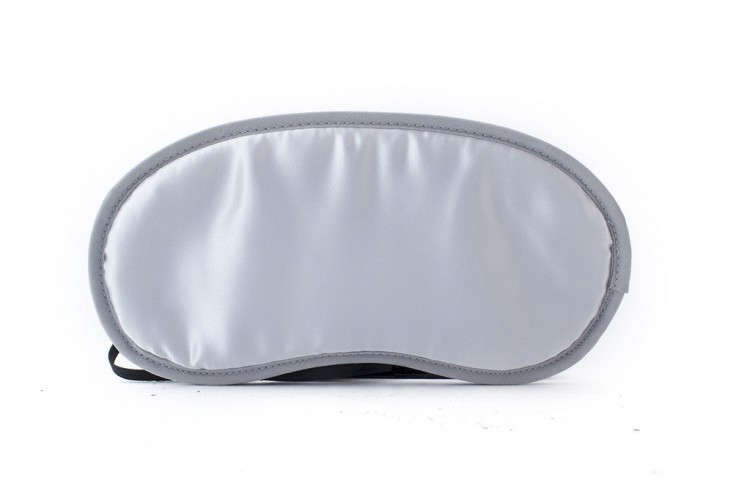
Unlike the thin, flimsy sleep masks that arrive in airline amenity kits and immediately lose a battle with your nose, a Binchotan charcoal eye mask usually brings a more thoughtful design. It often features a soft satin-like exterior, an inner lining made with organic cotton infused with Binchotan charcoal powder, gentle padding, and a nose-contouring strip that helps reduce light leakage. The result is not a magic wand for perfect sleep, but it can be a very practical tool for people who want more darkness, less visual stimulation, and a better transition from “wired” to “finally winding down.”
This guide explains what a Binchotan charcoal eye mask is, how it works, who it is best for, what benefits are realistic, how to care for it, and what daily use feels like. Spoiler: it will not answer emails for you, but it may help you stop staring at them at midnight.
What Is a Binchotan Charcoal Eye Mask?
A Binchotan Charcoal Eye Mask is a sleep and relaxation mask made with fabric that contains finely powdered Binchotan charcoal. Binchotan, sometimes called Japanese white charcoal, is traditionally associated with Wakayama, Japan, and is known for its dense structure, high carbon content, and purifying reputation. In home and wellness products, Binchotan charcoal is often used in items such as towels, toothbrushes, body care products, and fabric accessories because of its odor-managing and moisture-balancing qualities.
In an eye mask, Binchotan charcoal is not sitting there like a barbecue briquette taped to your forehead. Thankfully. Instead, microfine charcoal powder is infused into the inner textile layer, commonly organic cotton. The mask rests over the eyes and helps create a darker, more restful environment while the charcoal-infused fabric adds a clean, breathable, fragrance-free feel.
Typical Materials and Design
Most Binchotan charcoal eye masks follow a simple but effective construction:
- Front layer: A smooth polyester or satin-like exterior that feels soft against bedding and skin.
- Back layer: Organic cotton infused with Binchotan charcoal powder.
- Filler: Lightweight polyurethane padding for gentle cushioning.
- Nose strip: Extra fabric near the bridge of the nose to help reduce incoming light.
- Fit: A compact shape that rests over the eyes without feeling bulky.
The best versions feel featherlight rather than heavy. That matters because an eye mask should not feel like a tiny mattress strapped to your face. It should quietly do its job while you nap, meditate, travel, or try to sleep beside someone who treats their phone brightness like a lighthouse.
Why Binchotan Charcoal?
Binchotan charcoal has a long history in Japan, especially in cooking and traditional household use. It is prized for being dense, clean-burning, and long-lasting when used as fuel. In fabric and wellness products, the appeal is different. The charcoal is valued for its porous structure, which can help with odor control and moisture management. That makes it interesting for items that sit close to the skin, especially products used during sleep or rest.
For an eye mask, this charcoal-infused lining may help the mask feel fresher between cleanings compared with standard fabric masks. Because the mask is fragrance-free, it can also be appealing to people who dislike scented sleep products. Lavender may be lovely, but not everyone wants their face to smell like a spa candle named “Moonlit Serenity.”
What It Can and Cannot Do
It is important to separate realistic benefits from overenthusiastic marketing confetti. A Binchotan charcoal eye mask can help block light, create a calming sleep cue, reduce sensory input, and feel clean and comfortable against the skin. It may also help the eye area feel less stressed simply because you are resting, reducing light exposure, and giving your face a break.
However, it should not be treated as a cure for chronic insomnia, migraines, serious eye conditions, allergies, infections, glaucoma, severe dry eye, or persistent under-eye swelling. If puffiness, pain, redness, vision changes, or headaches continue, the answer is not “buy a fancier mask.” The answer is “talk to a qualified healthcare professional.” Your eye mask can be part of a self-care routine, but it is not an ophthalmologist in fabric form.
How a Binchotan Charcoal Eye Mask Supports Better Rest
The biggest practical benefit of any good eye mask is darkness. Light is one of the strongest signals that tells the body when to feel alert and when to prepare for sleep. In the evening, bright light from lamps, TVs, tablets, phones, alarm clocks, and streetlights can make it harder for the body to settle down. A sleep mask helps reduce that visual noise by creating a personal blackout zone.
A charcoal sleep mask can be especially useful when your environment is not perfectly sleep-friendly. Maybe your bedroom curtains are more “decorative suggestion” than blackout barrier. Maybe your partner reads late. Maybe you travel often and hotel rooms always contain one mysterious blinking light that appears to be powered by pure spite. A soft eye mask gives you portable darkness wherever you go.
Darkness as a Sleep Cue
Good sleep hygiene often includes keeping the bedroom cool, quiet, and dark. Darkness supports the body’s natural wind-down process, while repeated bedtime routines help train the brain to recognize when it is time to sleep. When you put on the same mask each night, it can become a simple cue: the day is done, the screens are done, the mental circus is closed.
This cue matters because modern life makes rest strangely complicated. Many people climb into bed while still mentally answering messages, reviewing tomorrow’s tasks, or wondering why they said “you too” when the movie theater employee said, “Enjoy the film.” A mask will not erase every thought, but it can reduce one major source of stimulation: light.
Benefits of Using a Binchotan Charcoal Eye Mask
1. Helps Block Light
The most obvious benefit is also the most useful. A well-designed eye mask helps block ambient light from windows, electronics, lamps, and travel environments. The added nose-contour fabric found in many Binchotan charcoal eye masks helps reduce the little triangle of light that often sneaks in near the bridge of the nose.
2. Creates a Calming Ritual
Good sleep is not only about what happens after your head hits the pillow. It is also about the routine before that moment. Putting on an eye mask can become a small nightly ritual that tells your body, “We are not solving the entire universe tonight.” Pair it with dim lights, quiet music, gentle stretching, or a few minutes of breathing, and the effect can feel surprisingly luxurious.
3. Supports Screen-Fatigue Recovery
Digital eye strain is common among people who spend long hours looking at computers, phones, and tablets. Symptoms can include tired eyes, dryness, blurred vision, headaches, and general discomfort. While a mask does not fix the root causes of screen strain, it encourages one thing many screen users desperately need: closed-eye rest. Even a short break with the mask on can help you step away from visual stimulation.
4. Feels Fresh and Fragrance-Free
Because Binchotan charcoal is commonly used for odor management, the mask may feel cleaner for longer than basic fabric masks. This is especially useful if you apply night cream, facial oil, sunscreen, or moisturizer. The fragrance-free nature also makes it a good option for people who do not want aromatherapy products near their eyes.
5. Useful for Travel
Airplanes, trains, buses, and hotel rooms are not famous for perfect sleep conditions. A lightweight Japanese charcoal eye mask packs easily and can help create a familiar rest environment in unfamiliar places. It is also less dramatic than wearing sunglasses indoors at midnight, although both have their own mysterious charm.
6. Helpful for Meditation and Short Rest Breaks
You do not have to use the mask only for overnight sleep. It can be useful during meditation, yoga nidra, afternoon rest, post-work decompression, or quick “do not talk to me until I reboot” moments. Blocking light can make it easier to turn attention inward and reduce external distraction.
Who Should Consider a Binchotan Charcoal Eye Mask?
A Binchotan charcoal eye mask may be a good fit for people who want a soft, minimalist, fragrance-free sleep accessory. It is especially useful for light-sensitive sleepers, frequent travelers, shift workers, apartment dwellers, students, meditation beginners, and anyone whose room is not fully dark at night.
It may also appeal to people who enjoy Japanese lifestyle products and thoughtful design. The mask has a quiet, practical elegance. It does not beep, vibrate, sync to an app, or demand a firmware update. In a world where even refrigerators have opinions, that simplicity is refreshing.
Who May Want to Skip It?
Skip or use caution with any eye mask if you have an active eye infection, recent eye surgery, severe skin irritation around the eyes, or a condition that makes pressure around the eyes unsafe. People with highly sensitive skin should also check the materials before use. If the mask causes itching, redness, discomfort, or pressure, stop using it.
Also, if you need complete blackout darkness, check product details carefully. Some charcoal eye masks are designed to soften and reduce light rather than create total blackout. The fit of your face, nose bridge, sleeping position, and room brightness can all affect how much light sneaks in.
How to Use a Binchotan Charcoal Eye Mask Correctly
Step 1: Start With a Clean Face
Before wearing the mask, remove makeup and heavy skincare products from the eye area. This helps keep the inner fabric cleaner and reduces the chance of irritation. If you use night cream, give it a few minutes to absorb before putting the mask on.
Step 2: Adjust the Fit Gently
Place the mask over your eyes so it rests comfortably without pressing hard. The goal is gentle coverage, not facial compression. If the band feels tight, adjust it if possible. A sleep mask should feel like a soft curtain, not like your face is being held hostage.
Step 3: Pair It With a Sleep-Friendly Room
The mask works best as part of a larger sleep routine. Dim the lights, silence unnecessary notifications, keep the room cool, and avoid bright screens close to bedtime. The mask can help, but it should not have to fight a glowing tablet, three lamps, and a TV playing crime documentaries at full brightness.
Step 4: Use It for More Than Sleep
Try using the mask for ten-minute recovery breaks, meditation, airplane naps, or relaxation after work. Sometimes the best use is not a full night of sleep but a short sensory reset in the middle of a busy day.
How to Clean and Care for a Binchotan Charcoal Eye Mask
Proper care helps preserve the fabric, padding, and charcoal-infused lining. Most Binchotan charcoal eye masks should not be aggressively scrubbed, machine washed, or tossed into the dryer like gym socks with ambition. The materials are delicate, and rough washing can damage the structure.
For light cleaning, wipe the mask gently with a damp cloth. If deeper cleaning is needed, soak it briefly in lukewarm water for a few minutes. Avoid rubbing, wringing, or twisting the mask. Let it air dry completely before using it again. Do not use bleach, harsh detergents, or heavily scented fabric products near the eye area.
Storage Tips
Store the mask somewhere clean and dry. A small pouch or drawer works well. Avoid leaving it on the floor, under a pile of laundry, or beside skincare bottles that may leak. Your eye mask deserves better than becoming a lint-covered mystery object.
Binchotan Charcoal Eye Mask vs. Regular Sleep Mask
A regular sleep mask can still do a great job if it fits well and blocks light. The difference with a Binchotan charcoal version is mostly in the material story, freshness factor, and sensory experience. The charcoal-infused organic cotton lining may appeal to people who want a cleaner-feeling, odor-conscious, fragrance-free mask with a Japanese design influence.
Standard masks may be cheaper, thicker, or more blackout-focused. Silk masks may feel cooler and smoother on the skin. Contoured foam masks may provide more room for eyelashes and reduce eye pressure. Weighted masks may feel soothing for some users but too heavy for others. A Binchotan charcoal eye mask sits somewhere between wellness accessory and practical sleep tool: lightweight, breathable, understated, and easy to use.
Best For
- People who prefer lightweight masks
- Travelers who want portable darkness
- Users who dislike scented sleep products
- Anyone interested in Japanese wellness-inspired design
- People who want a mask for meditation and rest breaks
Not Best For
- People who need total blackout in very bright rooms
- Those who prefer deep eye cups or molded designs
- Users who want a machine-washable mask
- Anyone seeking medical treatment for eye swelling or sleep disorders
Buying Tips: What to Look For
When shopping for a Binchotan charcoal eye mask, look beyond the word “charcoal” in the title. A good product should clearly list its materials, dimensions, origin, and care instructions. Ideally, the inner lining should specify organic cotton infused with Binchotan charcoal rather than vague “charcoal-inspired” language.
Check the Size
Many Binchotan charcoal eye masks are compact, often around seven inches wide and three-and-a-half inches tall. That size works well for many faces, but people who prefer broad coverage may want to compare measurements before buying.
Check the Light Blocking Design
Look for a nose flap or contour strip if light leakage bothers you. No mask fits every face perfectly, but this small design feature can make a big difference.
Check Cleaning Instructions
If you want a mask you can throw into the washing machine weekly, this may not be your ideal product. Binchotan charcoal eye masks usually need gentler care. That is not difficult, but it does require a little attention.
Common Myths About Binchotan Charcoal Eye Masks
Myth 1: It Detoxes Your Eyes
No sleep mask “detoxes” your eyes in the medical sense. Your body already has organs for detoxification, and they are not made of satin. The charcoal-infused fabric may help with freshness and odor management, but claims about removing toxins from the eye area should be treated carefully.
Myth 2: It Permanently Removes Dark Circles
Dark circles can be caused by genetics, aging, sleep habits, allergies, pigmentation, dehydration, and lifestyle factors. A mask may support better rest and reduce light exposure, but it will not permanently erase inherited under-eye shadows.
Myth 3: More Pressure Means Better Results
Wrong. The eye area is delicate. A mask should rest gently on the face. If you want pressure-based relaxation, choose products specifically designed for that purpose and make sure they are safe for you.
Real-Life Experiences With a Binchotan Charcoal Eye Mask
The first thing most people notice about a Binchotan charcoal eye mask is how simple it feels. There is no dramatic technology, no charging cable, no app asking for location permission, and no tiny voice telling you that your sleep score is emotionally disappointing. You place it over your eyes, and suddenly the room becomes quieter in a visual way. That sounds poetic, but it is also practical. When light disappears, your brain receives fewer invitations to stay busy.
For someone who works on a laptop all day, the mask can feel like a soft “closed for maintenance” sign. After hours of reading emails, editing documents, attending video calls, and pretending not to notice yet another notification, putting on the mask creates a clear boundary. Even a ten-minute break can feel restorative. You lie down, cover your eyes, and let your face stop performing productivity. The charcoal lining does not feel gritty or strange. It feels like fabric, which is exactly what you want near your eyes.
Travel is another situation where the mask earns its place. Hotel rooms are unpredictable. Some have blackout curtains worthy of a luxury cave. Others have a glowing thermostat, a hallway light leaking under the door, and curtains that leave a bright vertical stripe across your face at sunrise. A Binchotan charcoal eye mask gives you consistency. It says, “No matter what this room is doing, we are creating our own darkness.” On airplanes, it can also make rest easier, especially when the cabin lights are on or your seatmate opens the window shade with the confidence of someone summoning daylight itself.
For meditation, the mask has a different value. Closing your eyes is helpful, but covering them adds a stronger sense of privacy. It reduces the temptation to peek at the clock, the phone, the laundry pile, or the suspicious dust bunny under the chair. The gentle pressure of fabric around the eyes can feel grounding without being heavy. Beginners who struggle to settle into meditation may find that the mask removes one layer of distraction.
At bedtime, the experience depends heavily on fit. If the mask sits comfortably and blocks enough light, it can become one of those small rituals you start to miss when traveling without it. If it shifts during sleep or lets in light around the nose, it may be better for naps and relaxation than full-night use. Side sleepers should pay attention to how the edges feel against the pillow. Back sleepers often have the easiest time keeping it in place.
The freshness factor is subtle but appreciated. Compared with basic masks that can start to feel oily or stale after repeated use, the charcoal-infused lining may feel cleaner between gentle cleanings. Still, it needs care. Skincare products, sweat, and natural oils can build up over time. Wiping it with a damp cloth and letting it air dry keeps the experience pleasant.
The biggest lesson from using a Binchotan charcoal eye mask is that better rest often comes from small environmental improvements, not heroic life overhauls. You may not be able to control every deadline, streetlight, travel schedule, or noisy neighbor. But you can cover your eyes, lower the light, and give your nervous system one less thing to process. Sometimes wellness is not dramatic. Sometimes it is a soft little mask politely telling the world, “Not right now.”
Final Thoughts
The Binchotan Charcoal Eye Mask is a thoughtful sleep and relaxation accessory for people who want comfort, darkness, and a cleaner-feeling fabric experience. Its appeal comes from a combination of Japanese material tradition, minimalist design, and everyday usefulness. It is especially helpful for travel, meditation, screen-fatigue breaks, and bedtime routines in rooms that are not perfectly dark.
It is not a miracle cure, and it should not be marketed as one. But as a practical tool for rest, it makes a lot of sense. The mask helps reduce light exposure, supports a calming routine, and gives tired eyes permission to clock out. In a world full of glowing screens and overstimulated evenings, that is no small thing.
If you want a lightweight, fragrance-free, travel-friendly eye mask with a refined design and a wellness-minded material story, a Binchotan charcoal eye mask is worth considering. Your eyes may not write you a thank-you note, but they might stop threatening to move out.