Note: This article is for general educational purposes only and should not replace medical advice, diagnosis, or treatment from a qualified healthcare professional.
What Is Extensor Tendonitis?
Extensor tendonitis is inflammation or irritation of the extensor tendons, the hard-working cords that help you straighten your fingers, lift your toes, extend your wrist, and pull the top of your foot upward. In plain English, these tendons are the “up-button” team of your hands and feet. When they get overloaded, cranky, or rubbed the wrong way, they can respond with pain, swelling, stiffness, and a dramatic flair usually reserved for toddlers denied extra cookies.
The condition can happen in several areas, but many people notice it on the top of the foot, across the wrist, or along the back of the hand. Runners, walkers, gym-goers, people who type for long hours, musicians, athletes, and anyone who suddenly decides to become “a fitness person” overnight may be at higher risk. Extensor tendonitis is usually not dangerous, but it can be annoying enough to turn simple taskstying shoes, typing, climbing stairs, gripping a coffee muginto tiny daily negotiations.
Common Symptoms of Extensor Tendonitis
Extensor tendonitis symptoms often develop gradually. At first, you may feel a dull ache during activity. Then the area may become tender, slightly swollen, or stiff. If the tendon keeps getting stressed, the pain can become more persistent.
Typical signs include:
- Pain on the top of the foot, back of the hand, wrist, or fingers
- Tenderness when touching the affected tendon
- Swelling or mild warmth around the irritated area
- Pain that worsens with movement, gripping, running, walking, or typing
- Stiffness after rest, especially in the morning
- Weakness or discomfort when lifting the toes or straightening the fingers
- A tight, pulling, or burning sensation during activity
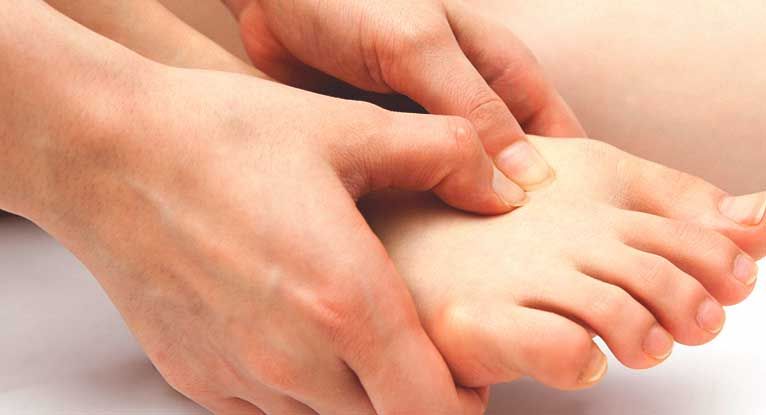
Foot extensor tendonitis often feels like pain across the top of the foot, especially under the shoelaces. Hand or wrist extensor tendonitis may feel worse when you extend the wrist backward, straighten the fingers, or perform repeated motions such as typing, gaming, playing an instrument, or using tools.
What Causes Extensor Tendonitis?
Most cases come from overuse, repetitive motion, pressure, or a sudden increase in activity. Tendons are strong, but they are not magical bungee cords. They need time to adapt to new workloads. When the stress arrives faster than the tendon can recover, irritation begins.
Common causes and triggers include:
- Too much too soon: Increasing running mileage, workout intensity, or walking distance too quickly.
- Tight footwear: Shoes tied too tightly can press on the extensor tendons across the top of the foot.
- Repetitive hand use: Typing, texting, gaming, playing piano, lifting, or tool use can irritate wrist and hand tendons.
- Poor mechanics: Flat feet, high arches, weak ankles, or awkward wrist positions may increase tendon stress.
- Training surfaces: Hills, uneven roads, hard floors, or sudden speedwork can overload the foot and ankle.
- Previous injury: Sprains, strains, or tendon injuries can change movement patterns and increase irritation.
Sometimes the cause is obvious, like a new pair of shoes that feels stylish but treats your foot like a hostage. Other times, the trigger is subtle: a new desk setup, a new workout routine, or a habit of walking around in unsupportive footwear.
How Doctors Diagnose Extensor Tendonitis
A healthcare provider usually starts with your symptoms, activity history, and a physical exam. They may press along the tendon, check your range of motion, test strength, and ask what movements make the pain better or worse. For foot pain, they may look at your shoes, walking pattern, arch shape, and training habits. For hand or wrist pain, they may ask about work tasks, sports, hobbies, or recent injuries.
Imaging is not always needed. However, if the pain is severe, persistent, related to trauma, or not improving with conservative care, a provider may order an X-ray, ultrasound, or MRI. These tests can help rule out stress fractures, arthritis, tendon tears, nerve irritation, or other conditions that can mimic extensor tendonitis.
Extensor Tendonitis Treatment: What Actually Helps?
The good news: most cases improve without surgery. The less thrilling news: tendons are not famous for instant forgiveness. Recovery usually requires patience, activity changes, and a plan that does not include “ignore it and hope.”
1. Rest, But Do Not Become a Couch Fossil
Rest means reducing the activities that irritate the tendon, not necessarily doing nothing at all. If running hurts, switch temporarily to low-impact activities like cycling, swimming, or upper-body workouts. If typing hurts, take frequent breaks, adjust your keyboard position, and avoid long sessions without movement.
The goal is relative rest: keep moving in ways that do not flare symptoms. Pain is information. It is not always a five-alarm emergency, but it is also not background music to blast through.
2. Ice for Early Pain and Swelling
Ice can help reduce pain and swelling, especially after activity or during the early irritated phase. Apply a cold pack wrapped in a towel for about 10 to 20 minutes at a time. Avoid placing ice directly on the skin unless you enjoy turning a simple tendon issue into a skin problem.
3. Compression and Elevation
For foot extensor tendonitis, light compression and elevation may help reduce swelling. Compression should feel supportive, not like your foot is being vacuum-sealed for shipping. If numbness, tingling, color changes, or increased pain occur, loosen it immediately.
4. Footwear Adjustments
If pain is on the top of the foot, shoes deserve a serious interrogation. Try loosening the laces, using a different lacing pattern, or switching to shoes with a deeper toe box. Some people benefit from cushioned shoes, arch support, or orthotics, especially when foot structure contributes to tendon stress.
A simple trick is the “window lacing” method, where you skip the eyelets directly over the sore area. This reduces pressure on the tendon while keeping the shoe secure. It is not glamorous, but neither is limping through a grocery store like you lost a duel with a shopping cart.
5. Anti-Inflammatory Medication
Over-the-counter pain relievers or nonsteroidal anti-inflammatory drugs may help some people manage pain and swelling. However, they are not appropriate for everyone, especially people with certain stomach, kidney, heart, bleeding, or medication-related concerns. Follow the label and ask a healthcare professional if you are unsure.
6. Stretching and Mobility Work
Gentle stretching may help when tight calves, ankles, wrists, or forearms increase tendon load. For foot extensor tendonitis, calf stretches and ankle mobility exercises are often useful. For wrist or hand symptoms, gentle wrist flexor and extensor stretches may help reduce tension.
Stretching should feel mild, not heroic. If a stretch creates sharp pain, numbness, or symptoms that linger afterward, back off. Your tendon does not need a motivational speech; it needs reasonable loading.
7. Physical Therapy
Physical therapy can be especially helpful for stubborn cases. A physical therapist may guide you through progressive strengthening, mobility work, manual therapy, gait training, taping, footwear advice, and return-to-activity planning. For hand and wrist cases, occupational therapy or hand therapy may be recommended.
Rehab usually focuses on gradually loading the tendon so it becomes stronger and more tolerant. This is where many people go wrong: they rest until the pain fades, then immediately return to full activity. The tendon, understandably, files a complaint.
Recovery Time: How Long Does Extensor Tendonitis Last?
Recovery depends on severity, location, overall health, activity demands, and how quickly the irritating factor is reduced. Mild cases may improve within a few days to a few weeks. Moderate cases can take several weeks. More stubborn tendon irritation may take a few months, especially if the tendon has been overloaded for a long time.
Recovery is rarely a perfectly straight line. Symptoms may improve, then briefly flare after a busy day, a longer walk, a harder workout, or an accidental “I feel great, let’s test fate” moment. The key is to track the overall trend. If pain is gradually decreasing and function is improving, you are likely moving in the right direction.
When to See a Doctor
Many mild cases can be managed with rest and basic self-care, but professional evaluation is important when symptoms are severe, unusual, or persistent.
Get medical advice if you have:
- Severe pain, sudden weakness, or inability to move the toes, fingers, hand, or wrist normally
- Swelling, redness, warmth, fever, or signs of infection
- Pain after a fall, cut, direct blow, or sports injury
- Symptoms that do not improve after one to two weeks of conservative care
- Numbness, tingling, or pain that spreads
- Foot pain that makes walking difficult
- Hand or finger pain with loss of extension or visible deformity
Extensor tendon injuries from cuts or trauma are different from overuse tendonitis. A cut tendon may require splinting, hand therapy, or surgery. Do not treat a traumatic tendon injury like ordinary soreness.
Prevention: How to Keep Extensor Tendonitis From Coming Back
Prevention is mostly about load management. Tendons like gradual change. They do not appreciate surprise marathons, sudden 10-hour typing sessions, or new shoes that behave like medieval foot armor.
Smart prevention tips include:
- Increase mileage, workout intensity, or activity time gradually.
- Wear shoes that fit well and do not press on the top of the foot.
- Use proper form during exercise, lifting, typing, and sports.
- Take breaks during repetitive hand or wrist tasks.
- Strengthen the feet, ankles, calves, wrists, and forearms.
- Warm up before intense activity.
- Replace worn-out shoes before they become floppy sadness pancakes.
- Address pain early instead of waiting until your tendon writes a formal resignation letter.
Specific Examples: Foot, Hand, and Wrist Extensor Tendonitis
Foot Extensor Tendonitis
This often affects runners, walkers, hikers, and people wearing tight shoes. Pain is usually on the top of the foot and may worsen when lifting the toes or walking uphill. Treatment often includes loosening laces, changing footwear, reducing running volume, icing after activity, and adding gradual strengthening.
Hand Extensor Tendonitis
This may show up as pain along the back of the hand or fingers, especially with repeated gripping, typing, gaming, or instrument practice. Rest breaks, ergonomic changes, splinting when recommended, and hand therapy may help.
Wrist Extensor Tendonitis
Wrist symptoms may worsen when extending the wrist backward, lifting objects, doing push-ups, or using a mouse for long periods. Adjusting wrist position, reducing repetitive strain, strengthening gradually, and using temporary support can be helpful.
Recovery Mistakes That Slow Healing
One of the biggest mistakes is returning to full activity the moment pain improves. Tendons often calm down before they are fully ready for normal loads. Another mistake is complete rest for too long. While rest can reduce symptoms, gradual strengthening is usually needed to restore capacity.
Other common mistakes include wearing the same irritating shoes, skipping warm-ups, ignoring technique problems, relying only on pain medication, or stretching aggressively through pain. Tendon recovery rewards consistency more than drama. Sadly, there is no trophy for “most stubborn person in the gym.”
500-Word Experience Section: What Extensor Tendonitis Feels Like in Real Life
Living with extensor tendonitis can feel surprisingly frustrating because the pain often appears during ordinary activities. It is not always a dramatic injury with a memorable “pop” or a slow-motion sports highlight. Sometimes it starts as a small pinch on the top of the foot during a morning walk. Sometimes it is a nagging ache in the wrist after a long day of typing. Sometimes it shows up right after you bought new shoes and convinced yourself they were “breaking in,” when in fact they were breaking you.
A common experience with foot extensor tendonitis is the shoelace mystery. A person may feel pain across the top of the foot and assume something serious is happening. Then they loosen the laces, skip the painful run, ice the area, and realize the tendon was being squeezed every time the foot flexed. The lesson is simple but useful: small mechanical changes can create big irritation. Shoes that are too tight, laces tied with the enthusiasm of a sailor securing a ship, or a sudden increase in hill training can all push the tendon beyond its comfort zone.
For hand and wrist extensor tendonitis, the experience is often tied to repetition. A student, office worker, gamer, musician, hairstylist, mechanic, or artist may notice pain after hours of the same motion. The discomfort may be mild at first, then become more obvious when opening doors, lifting a backpack, using a mouse, or straightening the fingers. Because hands are involved in nearly everything, even mild tendon irritation can feel like an uninvited roommate who keeps touching your stuff.
Recovery usually teaches patience. Many people feel better after a few days of rest and then immediately return to the exact activity that caused the issue. That is when symptoms often return. A better experience is to treat recovery like a ramp, not a light switch. Start with pain-free movement, add gentle stretching, then gradual strengthening, then short activity sessions, and finally return to normal training or work volume. If symptoms increase the next day, the tendon is giving feedback. Annoying feedback, yes, but useful.
Another real-world lesson is that “rest” needs a definition. Resting from running while walking ten miles in stiff shoes may not help. Resting the wrist while scrolling on a phone for three hours may not count either. The affected tendon does not care whether the activity is official exercise, paid work, or “just checking one thing.” Load is load. The tendon keeps receipts.
People who recover well often become better at noticing early warning signs. They adjust shoes sooner, take movement breaks, vary workouts, warm up properly, and avoid sudden jumps in activity. In that sense, extensor tendonitis can be a useful, if irritating, teacher. It reminds you that your body is not a machine with replaceable parts ordered by overnight shipping. It needs recovery time, sensible progression, and occasionally the humility to loosen your shoelaces.
Final Thoughts
Extensor tendonitis is common, treatable, and usually improves with conservative care. Whether it affects the foot, hand, or wrist, the main strategy is the same: reduce the irritating load, manage pain and swelling, improve mechanics, and rebuild strength gradually. Most people do not need surgery, but persistent pain, traumatic injuries, or loss of movement should be evaluated by a healthcare professional.
The best approach is not complicated, but it does require consistency. Give the tendon room to calm down, fix the trigger, and return to activity step by step. Your tendons may not send thank-you cards, but they will usually show appreciation by hurting less. Frankly, that is better than a card.