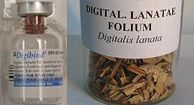
Digoxin can be an extremely useful heart medication. It can help control certain fast heart rhythms and may improve symptoms in selected people with heart failure. It is also a medication that demands respect. The difference between a helpful amount and a harmful amount can be surprisingly smallmore “carefully measured teaspoon” than “close enough with the garden hose.”
Digitalis toxicity, often called digoxin toxicity or cardiac glycoside toxicity, occurs when these compounds build up in the body or produce excessive effects on the heart. It may follow a large accidental overdose, but it more commonly develops gradually when kidney function declines, dehydration occurs, electrolytes become unbalanced, or another medication changes how digoxin is processed. Because early symptoms can resemble a stomach bug, aging, fatigue, or worsening heart disease, recognizing the warning signs matters.
What Is Digitalis Toxicity?
Digitalis is a broad term for cardiac glycosides originally obtained from foxglove plants. In modern American medical care, the best-known prescription cardiac glycoside is digoxin. It may be prescribed to slow the ventricular rate in atrial fibrillation or to support heart function in carefully selected patients with heart failure. Digoxin affects both the strength of heart contractions and the movement of electrical signals through the heart.
Digoxin has what clinicians call a narrow therapeutic index. In everyday language, the amount that helps and the amount that harms may be uncomfortably close. Toxicity becomes more likely as the blood concentration rises, particularly above 2 nanograms per milliliter, but a laboratory number does not tell the whole story. People can develop toxicity at lower concentrations when they are older, have low body weight, have impaired kidney function, or have abnormal potassium, magnesium, or calcium levels.
Acute versus chronic digitalis toxicity
Acute toxicity follows a large single exposure, such as accidentally taking multiple doses or swallowing someone else’s medication. Nausea, vomiting, abdominal discomfort, high potassium, and dangerous rhythm disturbances may develop relatively quickly.
Chronic toxicity develops over days or weeks as digoxin gradually accumulates. This pattern is especially important in older adults and people with kidney disease. Symptoms may be vague: poor appetite, weakness, confusion, drowsiness, visual changes, or a pulse that has become unusually slow, fast, or irregular. Chronic toxicity can occur even when a person has been taking the same prescribed dose for years. The prescription did not suddenly become mischievous; the person’s kidney function, hydration, weight, health, or medication list may have changed.
Why Digitalis Toxicity Happens
Reduced kidney function
Digoxin is removed primarily through the kidneys. When kidney filtration decreases, the drug remains in the body longer and can accumulate unless the dose is adjusted. Chronic kidney disease is an obvious risk, but temporary kidney problems from dehydration, infection, vomiting, diarrhea, or another illness can also matter. Older adults deserve particular attention because kidney function often declines with age even when they do not have a formal kidney disease diagnosis.
Dehydration and sudden illness
A stomach virus, poor fluid intake, prolonged heat exposure, or aggressive diuretic therapy may reduce circulating fluid and interfere with kidney clearance. A person who normally tolerates digoxin may become toxic during an illness involving repeated vomiting or diarrhea. This is one reason new digestive symptoms should not automatically be dismissed as something eaten at lunchparticularly when they occur with dizziness, confusion, visual changes, or an abnormal pulse.
Electrolyte disturbances
Low potassium and low magnesium can make the heart more sensitive to digoxin. High calcium can also increase susceptibility. Diuretics used for heart failure or high blood pressure sometimes contribute to potassium or magnesium loss, although the effect depends on the specific drug. In a large acute overdose, the opposite potassium problemdangerously high potassiummay develop and can signal severe poisoning.
Medication and supplement interactions
Certain antiarrhythmic drugs, calcium channel blockers, antibiotics, antifungal medications, and other prescriptions may raise digoxin concentrations or intensify its heart-rate effects. Combining digoxin with some beta-blockers or calcium channel blockers may increase the risk of excessive slowing or heart block. Herbal products are not automatically innocent bystanders, either. Products containing licorice, aloe, hawthorn, lily of the valley, or other cardiac-active plants may alter potassium, strengthen digitalis-like effects, or interfere with testing.
Tell every prescriber and pharmacist about all prescription medicines, over-the-counter products, teas, powders, vitamins, and supplements you use. “Natural” describes where a substance came from; it does not mean the substance politely ignores your heart medication.
Dosing errors
Accidental double dosing can happen when someone forgets whether a dose was taken, uses two pill organizers, receives help from multiple caregivers, or does not realize that a brand-name and generic product contain the same drug. Liquid digoxin can also be measured incorrectly when a household spoon is used instead of the calibrated device supplied with the medicine. Digoxin should be taken exactly as directed, at a consistent time, with any missed-dose instructions confirmed through the prescription label, pharmacist, or clinician.
Symptoms of Digitalis Toxicity
The signs can involve the digestive system, nervous system, eyes, and heart. A person may have only a few symptoms, and chronic toxicity can look deceptively ordinary at first.
Digestive warning signs
- Loss of appetite
- Nausea or vomiting
- Diarrhea
- Abdominal discomfort
- Unexpected weight loss from reduced eating
Neurologic and general symptoms
- Unusual fatigue or weakness
- Dizziness or lightheadedness
- Confusion, delirium, or reduced alertness
- Headache
- Drowsiness, apathy, or unexplained behavior changes
Vision changes
Blurred vision, blind spots, flashing lights, halos, and changes in color perception can occur. Yellow-green vision is traditionally associated with digitalis toxicity, but not everyone sees the world through a mustard-colored filter. Any new visual disturbance in a person taking digoxin deserves prompt medical attention, especially when accompanied by nausea, weakness, confusion, or an abnormal heartbeat.
Heart-related symptoms
- A very slow heartbeat
- A rapid heartbeat
- An irregular or skipping pulse
- Palpitations
- Fainting or near-fainting
- Shortness of breath
- Chest discomfort
Digoxin poisoning can produce many different arrhythmias, including heart block, premature beats, atrial rhythms with impaired conduction, ventricular tachycardia, and ventricular fibrillation. There is no single home pulse pattern that safely rules toxicity in or out. Symptoms and the overall clinical picture matter.
When Digitalis Toxicity Is an Emergency
Call 911 or seek emergency care immediately for fainting, severe confusion, difficulty waking, chest pain, breathing difficulty, collapse, seizures, or a markedly slow, fast, or irregular heartbeat accompanied by weakness or dizziness. Suspected intentional overdose, a large accidental ingestion, or any cardiac glycoside exposure in a child should also be treated as an emergency.
In the United States, Poison Help is available at 1-800-222-1222. Keep the medicine container nearby and be ready to provide the person’s age, weight, symptoms, product strength, estimated amount, and time of exposure. Do not induce vomiting unless a poison specialist or healthcare professional specifically instructs you to do so. Do not wait for every classic symptom to appear; cardiac complications may develop before the situation looks dramatic.
Do not make routine changes to prescribed digoxin without professional guidance. When an overdose or toxicity is suspected, contact emergency services or Poison Help immediately and follow their instructions about the next dose.
How Digitalis Toxicity Is Diagnosed
Diagnosis combines symptoms, medication history, physical examination, an electrocardiogram, and laboratory testing. Clinicians typically check kidney function, potassium, magnesium, calcium, and serum digoxin concentration. Continuous heart monitoring may be needed because rhythms can change over time.
A digoxin blood level must be interpreted carefully. After a dose, the drug takes several hours to distribute from the blood into body tissues. A sample obtained too soon can appear misleadingly high. When evaluating a recent ingestion, clinicians generally prefer a level obtained at least six hours after exposure unless an earlier measurement is needed for immediate clinical decisions. Toxicity also cannot be excluded merely because a result falls inside a laboratory’s listed therapeutic range.
The medical team will also ask about recent vomiting, diarrhea, dehydration, dietary changes, weight loss, new prescriptions, antibiotics, supplements, and possible duplicate dosing. That detective work is not small talk. It may reveal why a previously stable dose became unsafe.
Treatment for Digitalis Toxicity
Treatment depends on the severity and whether the exposure is acute or chronic. In the hospital, care may include stopping further exposure, continuous ECG monitoring, intravenous fluids when appropriate, repeated electrolyte testing, and careful correction of potassium or magnesium abnormalities. Activated charcoal may be considered after some recent acute ingestions, but it should only be given under professional direction.
Digoxin immune Fab
Digoxin immune Fab is a specific antidote made from antibody fragments that bind digoxin and prevent it from continuing to act on tissues. The FDA indicates it for life-threatening or potentially life-threatening digoxin toxicity or overdose. It may be used for severe arrhythmias, significant poisoning with dangerous potassium elevation, or other serious clinical findings.
After the antidote is given, potassium can fall rapidly, so frequent monitoring is important. Standard total digoxin measurements may also become misleading because laboratory tests can detect both bound and unbound drug. Clinicians therefore follow the patient’s rhythm, blood pressure, symptoms, potassium level, and overall response rather than chasing a single post-antidote number.
How to Reduce Your Risk
Use one clear medication system
Take digoxin at the same time each day and use one medication list, one organizer, and one agreed-upon caregiver routine. A checkoff sheet, dated pill dispenser, or medication app can prevent the classic “I thought you gave it” problem. Never take an extra tablet to compensate for uncertainty. Ask a pharmacist what to do when a dose is missed.
Measure liquid medication accurately
Use the marked oral syringe or calibrated dropper supplied for liquid digoxin. Kitchen teaspoons are excellent for stirring coffee and poor at practicing pharmacy.
Schedule appropriate monitoring
Monitoring may include kidney tests, electrolyte measurements, ECGs, and digoxin levels. Testing is especially important after a dose change, a major change in kidney function, significant weight loss, dehydration, or the addition of an interacting medication. Blood for a routine digoxin level is generally drawn at least six to eight hours after the last dose so the result is more meaningful.
Have a sick-day communication plan
Ask the prescribing clinician what to do if vomiting, diarrhea, fever, poor fluid intake, or dehydration occurs. The correct response depends on the person’s heart condition, kidney function, other medications, and fluid restrictions. A personalized plan is safer than improvising while sick.
Review every new medicine
Before starting an antibiotic, rhythm medication, blood pressure drug, over-the-counter remedy, or supplement, ask a pharmacist or prescriber to check for digoxin interactions. Keep the pharmacy informed even when another clinic wrote the prescription.
Know your personal warning signs
Some clinicians recommend that patients monitor their pulse, but the acceptable range is individualized. Ask what heart rate or rhythm change should trigger a phone call. Report new loss of appetite, persistent nausea, visual changes, confusion, faintness, or unexplained weakness promptly rather than waiting until the next routine appointment.
Store medication securely
Keep digoxin in its labeled container or a carefully managed organizer, away from children, visitors, and pets. Do not share medication. Dispose of unused tablets through a pharmacy take-back program rather than leaving them in an old bottle that eventually becomes a household mystery.
Digitalis-Like Poisoning From Plants
Foxglove, oleander, lily of the valley, and several other plants contain cardiac glycosides capable of causing digitalis-like poisoning. Eating leaves, berries, seeds, or homemade plant preparations can result in nausea, weakness, visual symptoms, slow or irregular heart rhythms, and life-threatening complications. Even water in which certain toxic flowers have been placed may be unsafe to consume.
Do not prepare homemade teas, salads, or remedies from an unfamiliar garden plant. Foxglove leaves have been mistaken for edible herbs, and Poison Control has documented cases in which affected people required hospital treatment and digoxin antidote. If plant ingestion is possible, remove remaining material from the mouth, save a sample or photograph for identification, and contact Poison Help immediately. Do not induce vomiting.
Experience-Based Lessons: How Digitalis Toxicity Can Appear in Daily Life
The following are composite educational scenarios based on common risk patterns. They do not describe identifiable patients and are not substitutes for medical evaluation.
Experience 1: “It must be a stomach bug”
An older adult who has taken the same digoxin dose for several years develops diarrhea during a summer heat wave. Over two days, she drinks less, loses her appetite, and becomes unusually tired. Her family assumes she has a minor virus. On the third day, she complains that lights look strange and becomes confused about the time. Her pulse is slow and irregular.
The important lesson is that chronic digoxin toxicity often begins with symptoms that appear unrelated to the heart. Dehydration may reduce kidney clearance, while diarrhea and diuretics can disturb electrolytes. The combination of digestive symptoms, visual changes, confusion, and a new pulse abnormality should prompt urgent evaluationnot another day on the couch with crackers.
Experience 2: A new prescription changes an old balance
A man with atrial fibrillation is stable on digoxin. An urgent care clinician prescribes a new medicine for an infection, but the full medication list is not reviewed. Several days later, he develops nausea, dizziness, and palpitations. He assumes the infection is worsening.
This scenario illustrates why every clinician and pharmacist needs the complete medication list. Some drugs can alter digoxin clearance or add to its effects on electrical conduction. A safe dose is not a permanent mathematical fact; it exists within a changing network of kidney function, electrolytes, illnesses, and other medications. Using one pharmacy when possible can make interaction screening easier, but patients should still mention digoxin explicitly whenever a new medicine is prescribed.
Experience 3: The pill organizer problem
A caregiver fills a weekly pillbox on Sunday. Another family member, not realizing this has already been done, fills a second organizer. The patient alternates between the two and occasionally receives duplicate doses. A few days later, he has poor appetite and increasing weakness but does not remember taking extra medication.
Medication errors are often system failures rather than carelessness. One organizer, one written schedule, and one designated person responsible for refills can be more effective than repeated reminders to “be careful.” When multiple caregivers are involved, a dated checklist or shared medication app helps everyone see whether the dose was actually given.
Experience 4: The beautiful plant that was not lunch
A home gardener collects what appears to be an edible leaf and adds it to a sauce. After the meal, two people develop nausea, weakness, and slow heart rates. The plant is later identified as foxglove.
The lesson is simple and memorable: do not eat a plant based on resemblance, a phone app alone, or a confident guess from someone whose botanical training consists mostly of owning gardening gloves. Cardiac glycosides in foxglove are pharmacologically active and potentially fatal. Suspected ingestion requires immediate poison-center or emergency guidance.
Experience 5: The value of a one-page safety plan
A patient and caregiver keep a single sheet near the medication cabinet listing the current digoxin dose, the prescribing clinician, the pharmacy, the last known kidney results, the individualized pulse instructions, and warning signs such as persistent nausea, vision changes, confusion, fainting, or an irregular heartbeat. The sheet also includes Poison Help’s number.
When the patient becomes ill and stops eating, the caregiver does not have to search through old visit summaries or rely on memory. The correct contacts and questions are already available. This kind of preparation cannot prevent every case of digitalis toxicity, but it can shorten the time between the first warning sign and appropriate medical adviceoften the most valuable advantage a family can create.
Conclusion
Digitalis toxicity is serious, but many cases are preventable. The strongest protections are accurate dosing, regular monitoring, careful review of kidney function and electrolytes, rapid attention to dehydration or illness, and a complete check for medication and supplement interactions. Learn the warning signs: loss of appetite, nausea, vomiting, weakness, confusion, visual disturbances, fainting, and a new slow, fast, or irregular heartbeat.
Digoxin should never become a do-it-yourself dosing experiment. When symptoms are concerning or an overdose is possible, seek expert help immediately. Prompt recognition and treatmentincluding digoxin immune Fab in severe casescan reverse dangerous effects and protect the heart from life-threatening complications.