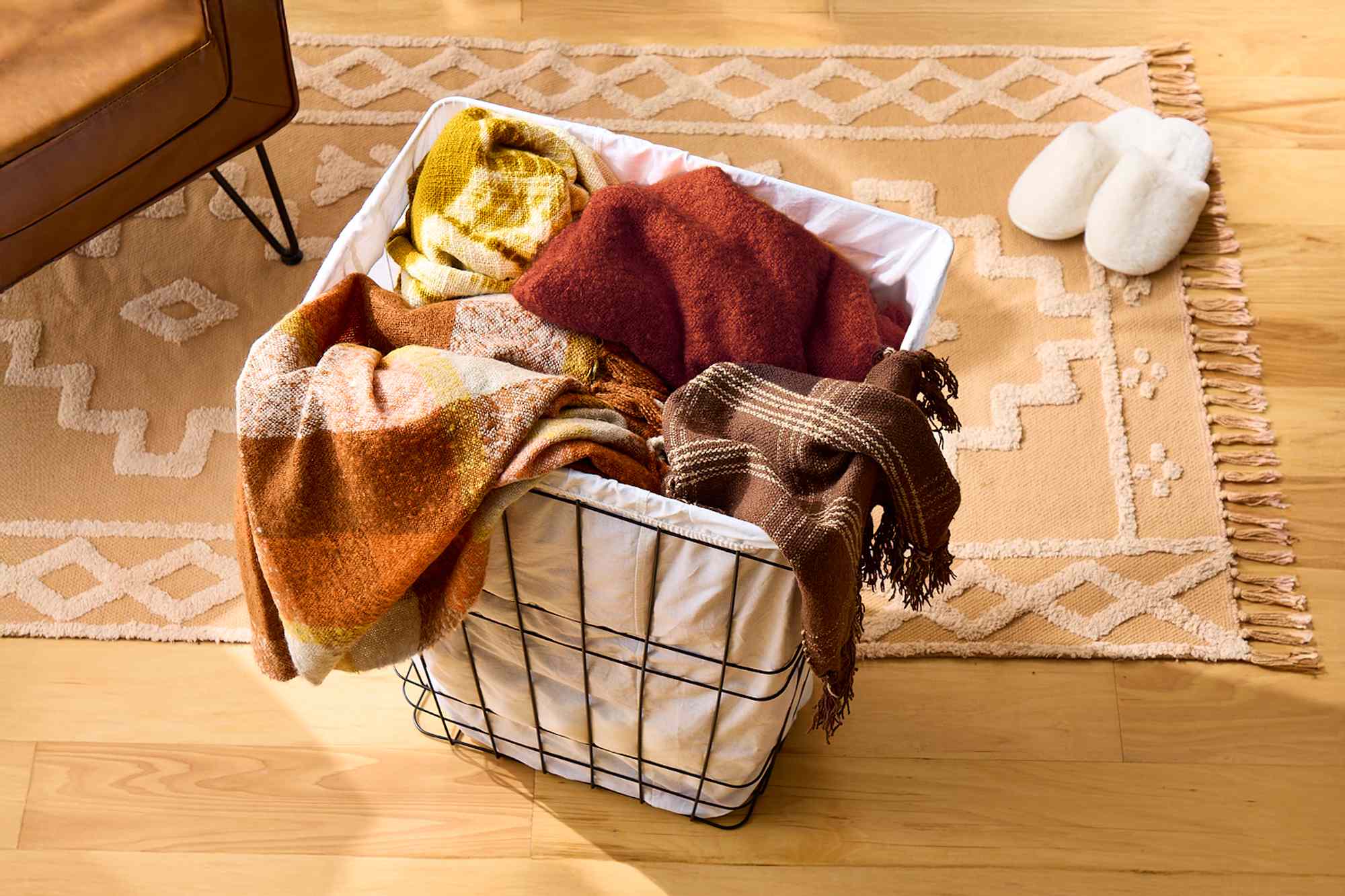
Fall is the official season of soup, scented candles, pumpkin-flavored everything, and the sudden realization that your throw blanket has become a full-time member of the household. It sits on the sofa. It travels to movie night. It gets dragged into the reading chair. The dog claims one corner. Someone spills tea on another. By mid-October, that cozy blanket may be doing more work than your favorite hoodie.
So, how often should you wash your throw blankets this fall? The practical answer from laundry pros is: wash frequently used throw blankets every one to two weeks, lightly used throws every three to four weeks, and decorative throws every one to three months. If pets, kids, snacks, allergies, illness, or mystery couch crumbs are involved, move your blanket up the laundry schedule. A throw blanket may look innocent, but fabric is very good at collecting body oils, skin cells, dust, pet dander, odors, and whatever happened during “just one quick snack.”
The good news? You do not need to panic-wash every blanket in the house every Sunday. The smarter approach is to match your washing routine to how the blanket is actually used. Below is a practical, laundry-pro-approved guide to keeping your throw blankets clean, soft, fresh, and ready for peak cozy season.
Why Fall Throw Blankets Need More Attention
During summer, throw blankets often live a quiet decorative life. Then fall arrives, the temperature drops, and suddenly everyone is burrito-wrapped on the sofa. More use means more contact with skin, clothing, pets, food, and indoor dust. Windows stay closed more often, air circulation changes, and blankets can hold onto odors faster than you expect.
Throw blankets are not exactly the same as bed sheets, but they share a similar problem: they touch people often. Even when you are freshly showered and wearing clean pajamas, your blanket still picks up natural oils, sweat, hair, dead skin cells, and allergens. Add a dog, a cat, a toddler, or a bowl of buttery popcorn, and your throw blanket becomes less “autumn aesthetic” and more “fabric diary of household events.”
How Often Should You Wash Throw Blankets?
Most laundry experts recommend washing throw blankets based on usage, not just the calendar. A blanket that is used every evening needs a different routine than the pretty knitted throw folded at the end of a guest bed. Here is the easiest way to decide.
Wash Weekly: Daily Use, Pets, Kids, or Food
If your throw blanket is used every day, especially while lounging, napping, eating, or cuddling pets, wash it about once a week. Weekly washing helps remove body oils, pet hair, crumbs, and odors before they settle deep into the fibers.
This schedule is especially helpful if someone in the home has allergies or asthma. Pet dander, dust, and pollen can cling to soft fabrics. Fall allergies do not clock out just because the leaves look pretty. If your blanket is part of your daily couch routine, a weekly wash keeps it from becoming a sneeze blanket with fringe.
Wash Every Two to Three Weeks: Regular but Not Constant Use
If your throw blanket gets used a few nights a week, washing every two to three weeks is usually enough. This is a good rhythm for the blanket you grab during movie night, weekend reading, or chilly mornings with coffee.
Think of this category as “well-loved, not overworked.” It is getting contact, but it is not being dragged across the floor, shared with the dog, or wrapped around three snack-eating humans every night. Two to three weeks keeps it fresh without over-washing.
Wash Monthly: Light Use or Guest Room Throws
For lightly used throw blankets, once a month is a sensible fall schedule. This includes throws kept in a reading nook, guest room, home office, or decorative basket but still used now and then.
Monthly washing is also a smart reset during fall because indoor textiles collect dust even when they are not used heavily. A blanket does not have to be visibly dirty to benefit from a refresh. Fabric is sneaky that way.
Wash Every One to Three Months: Mostly Decorative Throws
If a throw blanket is mostly decorative and rarely touched, washing every one to three months is typically fine. These blankets still collect dust, but they are not absorbing daily skin oils or food smells.
However, give decorative throws a shake, vacuum, or fresh-air session between washes. A blanket folded beautifully over a chair can still collect dust like it is training for a championship.
When to Wash Throw Blankets Immediately
A schedule is useful, but life does not always respect laundry calendars. Wash your throw blanket sooner if it smells musty, feels sticky, has visible stains, has been used by someone who is sick, or has become a pet’s unofficial bed.
You should also wash immediately after spills, especially anything oily, sugary, or strongly scented. Hot chocolate, soup, coffee, wine, and buttery snacks can leave stains and odors if they sit too long. Treat spots before washing instead of hoping the machine performs a miracle. Washing machines are helpful, not magical.
How to Wash Throw Blankets Without Ruining Them
The best way to wash throw blankets is to start with the care label. Yes, the tiny tag with symbols that looks like it was designed by a secret laundry civilization. That label tells you whether the blanket can be machine washed, what water temperature to use, whether bleach is allowed, and how to dry it.
Step 1: Check the Fabric and Care Label
Different blanket materials need different care. Cotton and many polyester throws are usually machine washable. Fleece often does best with cold water and gentle detergent. Wool may need hand washing, dry cleaning, or very careful cold-water treatment. Knit blankets can stretch if washed roughly. Faux fur and sherpa can lose softness if exposed to high heat.
Before washing, check for loose threads, snags, holes, or weak seams. Repairing small damage before laundering helps prevent the washer from turning a tiny problem into a dramatic blanket tragedy.
Step 2: Remove Pet Hair and Loose Debris First
If pets use the blanket, remove as much hair as possible before washing. Use a lint roller, rubber glove, pet-hair remover, or even a quick shake outdoors. This step helps protect your washer and prevents wet pet hair from clumping onto the fabric.
Do not skip this if your blanket belongs emotionally, spiritually, and legally to the family cat. Pet hair can cling harder after washing, especially on fleece and sherpa.
Step 3: Pretreat Stains
Apply a small amount of mild detergent or stain remover to visible stains before washing. Gently work it into the fabric and let it sit for a few minutes, following the product instructions. Avoid aggressive scrubbing, especially on delicate, fuzzy, or knitted blankets.
For food stains, treat as soon as possible. For oily marks, a detergent designed to break down grease can help. For mystery stains, start gently. The stain may be mysterious, but your cleaning method should not be chaotic.
Step 4: Use Cold or Warm Water
Cold water is often the safest choice for throw blankets because it helps reduce fading, shrinking, and fiber damage. Warm water may be suitable for sturdier cotton or synthetic blankets, but always follow the label.
If someone in the household has been sick, use the warmest water temperature allowed by the care label and dry the blanket completely. Clean laundry is not just about washing; proper drying matters too.
Step 5: Choose a Gentle Cycle and Mild Detergent
Most throw blankets benefit from a gentle or delicate cycle. Use mild detergent and avoid using too much. Extra detergent does not mean extra clean; it can leave residue that makes blankets stiff, dull, or oddly crunchy. Nobody wants a crunchy blanket. That is not cozy. That is a textile warning sign.
Skip fabric softener on fleece, microfiber, sherpa, and moisture-wicking materials unless the label specifically allows it. Fabric softener can coat fibers and reduce softness over time.
Step 6: Do Not Overload the Washer
Throw blankets need room to move in the washer. If the blanket is packed in too tightly, water and detergent cannot circulate properly. The result may be uneven cleaning, soap residue, and a blanket that somehow smells worse after washing. That is laundry’s version of betrayal.
Wash large or bulky throws by themselves when needed. If a blanket becomes extremely heavy when wet or does not fit comfortably, use a larger washer at a laundromat.
How to Dry Throw Blankets the Right Way
Drying is where many cozy blankets lose their charm. High heat can shrink fibers, damage elastic textures, melt synthetic fibers, flatten sherpa, and make fleece less plush. When in doubt, use low heat or air dry.
Air Drying Is Often Safest
Air drying is gentle and helps preserve softness, especially for delicate, wool, knit, faux fur, or sherpa blankets. Lay the blanket flat on a clean drying rack or hang it where air can circulate. Avoid direct harsh sunlight for dark or bright colors, as it may cause fading.
Make sure the blanket dries completely before folding or storing it. A damp blanket in a basket can develop musty odors quickly, and nobody invited mildew to fall movie night.
Use Low Heat If Machine Drying
If the care label allows machine drying, use low heat or air fluff. Remove the blanket while it is still slightly damp and finish air drying if needed. Dryer balls may help improve airflow, but avoid anything that could snag delicate knits or fringe.
Always clean the lint trap before and after drying fuzzy blankets. Fleece, sherpa, and plush throws can shed lint, especially when new.
How Different Throw Blanket Materials Should Be Washed
Fleece Throw Blankets
Fleece is soft, warm, and very popular in fall. Wash fleece in cold water on a gentle cycle with mild detergent. Avoid high heat and fabric softener, which can affect the texture. Air drying or low-heat drying is best.
Cotton Throw Blankets
Cotton throws are usually sturdy and washable, but they can shrink if exposed to high heat. Wash in cold or warm water depending on the label, and tumble dry low or air dry. Cotton is forgiving, but it still appreciates manners.
Wool Throw Blankets
Wool does not need washing as often as many other fabrics because it naturally resists odors better than some synthetics. Air it out between uses and spot clean when possible. If washing is needed, follow the label carefully. Many wool throws require hand washing, cold water, wool-safe detergent, or professional cleaning.
Sherpa and Faux Fur Throws
Sherpa and faux fur are cozy but sensitive to heat. Wash with cold water, use gentle detergent, and avoid fabric softener. Air drying is safest. If you use a dryer, choose a no-heat or very low-heat setting. High heat can make plush fibers clump, mat, or lose their cloud-like texture.
Knit and Crochet Throws
Knit blankets can stretch, snag, or lose shape. Place them in a mesh laundry bag if machine washing is allowed. Use a gentle cycle and cold water. Lay flat to dry so gravity does not turn your neat throw into a blanket-shaped noodle.
Weighted Throw Blankets
Weighted blankets require extra caution because weight, filling material, and stitching all matter. Check the label before washing. Many weighted blankets should be washed alone with gentle detergent, and some require spot cleaning or professional care. If it is too heavy for your home washer, do not force it. Your washer deserves boundaries too.
Fall Laundry Factors That Change the Schedule
Pets
If pets sleep, roll, knead, or shed on your throw blanket, wash it weekly or every two weeks. Pet hair, dander, outdoor dirt, and odors build up quickly. Keep a dedicated pet blanket if possible, and wash it separately from delicate household throws.
Kids
Children turn blankets into forts, capes, picnic mats, nap stations, and occasionally napkins. If kids use a throw regularly, wash it weekly or whenever it gets visibly dirty. A blanket that has survived juice, crackers, markers, and “I don’t know what that is” deserves prompt attention.
Allergies
If anyone in the home deals with allergies, wash frequently used throws every week. Blankets can trap dust, pollen, pet dander, and other irritants. Vacuuming upholstered furniture and washing blankets together can make the living room feel fresher.
Illness
If someone has been sick and used the blanket, wash it right away. Use detergent, follow the warmest safe water temperature on the care label, dry it thoroughly, and wash your hands after handling dirty laundry. Also clean the laundry basket if it held sick-room linens.
Food and Drinks
If your throw blanket is part of snack time, wash it more often. Crumbs attract pests, oils cling to fibers, and spills can leave odors. A blanket used during regular eating should probably be washed weekly, even if it still looks presentable from across the room.
How to Keep Throw Blankets Fresh Between Washes
You can extend freshness without overwashing. Shake blankets outdoors once a week, especially if they collect dust or pet hair. Vacuum them with an upholstery attachment on low suction if the fabric allows. Spot clean small stains quickly. Air them out on a dry, breezy day. Rotate blankets so one throw is not doing all the emotional support work.
Storage also matters. Do not toss damp blankets into baskets or closets. Fold only when completely dry. Use breathable storage bags for seasonal throws, and avoid plastic bins for long-term storage unless the blanket is fully clean and dry. Trapped moisture can lead to odors, and fall already has enough spooky things.
Common Throw Blanket Washing Mistakes
Using Too Much Detergent
More detergent can create residue, especially in plush fabrics. Residue traps odors and makes blankets feel less soft. Use the recommended amount, and consider an extra rinse for thick blankets if your washer offers that option.
Drying on High Heat
High heat is one of the fastest ways to ruin a soft throw. It can shrink cotton, damage synthetics, flatten sherpa, and roughen fleece. Low heat and patience are better friends to your blanket.
Ignoring the Care Label
The care label is not decorative. It is the blanket’s tiny instruction manual. Ignoring it can lead to shrinking, bleeding color, matting, or misshapen fabric.
Washing Delicates With Heavy Items
Do not wash a delicate knit throw with jeans, towels, or zippered hoodies. Heavy items create friction and can cause pilling, snags, or stretching. Give delicate blankets a gentler laundry crowd.
A Simple Fall Throw Blanket Washing Schedule
For an easy routine, sort your throws into three groups. Daily-use blankets go into the wash every week. Regular-use blankets get washed every two to three weeks. Decorative or guest-room throws get washed every one to three months. Then adjust based on pets, allergies, sickness, spills, and how often someone says, “Where’s the cozy blanket?”
This schedule is realistic for most homes because it does not treat every blanket the same. It keeps high-contact throws clean while preventing unnecessary wear on decorative or delicate pieces.
Extra Experience-Based Tips for Washing Throw Blankets This Fall
After many fall laundry seasons, one thing becomes clear: throw blankets are the household items everyone uses and almost nobody admits to dirtying. The best routine is the one that fits real life. If your family watches movies every Friday night with three blankets, popcorn, and a dog who believes personal space is a myth, make Saturday or Sunday your blanket reset day. It feels less like a chore when it is tied to a habit you already have.
One useful trick is to keep a “clean throw” basket and a “used throw” basket during cooler months. This sounds fancy, but it can be as simple as one basket near the sofa and another near the laundry room. When a blanket has been used several times, moved around the floor, or claimed by a pet, it goes into the used basket. This prevents the classic household mystery where nobody knows whether the blanket is clean, dirty, or simply pretending.
For homes with pets, it helps to assign one or two washable throws as pet-friendly blankets. Choose durable fleece or cotton throws that can handle frequent washing. Keep delicate wool, chunky knits, or decorative throws out of the pet rotation unless you enjoy removing fur from textured fibers as a character-building exercise. A washable pet throw protects your sofa and saves your nicer blankets from becoming fur museums.
Another experience-based tip: do not wait until a blanket smells bad. By the time odor is obvious, oils and residue have already settled into the fibers. Washing on a schedule keeps the blanket easier to clean and helps preserve softness. This is especially true for sherpa and faux fur throws, which can hold onto smells if they are washed too late or dried too hot.
If your throw blanket comes out of the washer smelling less than fresh, check three things before blaming the blanket. First, make sure the washer is not overloaded. Second, reduce detergent, because residue can trap odors. Third, dry the blanket completely. A thick blanket that stays damp in the center can smell musty even if it was washed properly. When drying bulky throws, pause the dryer and reposition the blanket so damp folds do not hide in the middle like tiny laundry villains.
For families with allergies, washing throw blankets weekly can make a noticeable difference in how fresh the living room feels. Pair blanket washing with a quick sofa vacuum, pillow shake-out, and dusting session. It turns the room from “cozy but questionable” into “cozy and actually clean.” Fall comfort should not come with a side of sneezing.
For college apartments, small homes, or anyone without a large washer, rotating thinner throws may be easier than wrestling one oversized blanket into a machine that clearly did not sign up for the job. If the blanket cannot move freely in the drum, take it to a laundromat with larger machines. It may seem inconvenient, but it is better than pulling out a half-washed blanket that is wet in some places, soapy in others, and somehow still covered in lint.
Finally, make blanket care part of your fall reset. When you bring out seasonal throws, wash or air them before placing them on beds, sofas, or chairs. At the end of the season, clean them again before storing. A freshly washed blanket stored properly will smell pleasant when cold weather returns, instead of greeting you with the scent of last year’s dust and regret.
Conclusion: Clean Throws, Cozier Fall
So, how often should you wash your throw blankets this fall? Wash daily-use throws weekly, regular-use throws every two to three weeks, lightly used throws monthly, and decorative throws every one to three months. Increase the frequency for pets, kids, allergies, illness, spills, and food-heavy couch sessions.
The goal is not to create more laundry just for fun. The goal is to keep your blankets soft, fresh, hygienic, and ready for the best parts of fall: movie marathons, chilly mornings, rainy afternoons, and pretending you are going to read one chapter before falling asleep under a blanket at 8:47 p.m.
Note: This article is based on current laundry-care guidance from professional cleaning resources, appliance-care recommendations, public-health laundry advice, and home-care publications. Always follow the care label on your specific blanket before washing or drying.