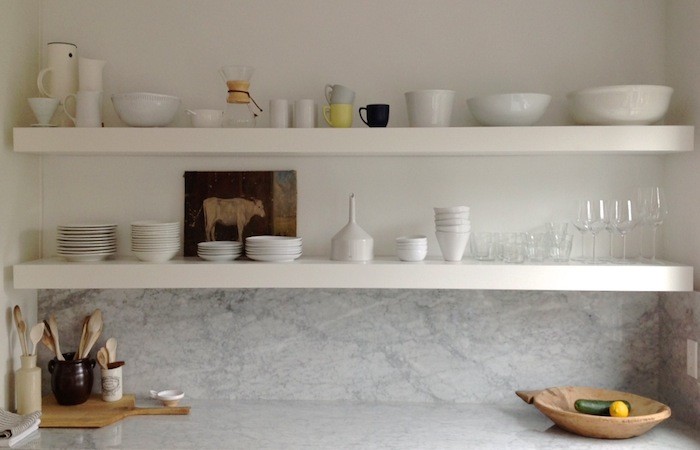
Some objects earn their spot in a home by being beautiful. Others earn it by being useful. The porcelain funnel has the slightly unfair advantage of being bothwhile also looking like it may have escaped from a very tidy 1930s laboratory and decided to pursue a quieter life near your olive oil.
At first glance, it is an oddball: a white ceramic cone, a narrow stem, a ring of precise holes, and almost no decorative fuss. Yet that is exactly why it works. In an era of over-designed gadgets with seven attachments and an instruction manual thick enough to qualify as light reading, the porcelain funnel is a refreshingly direct object. It has one job: guide liquid where it needs to go. Its form follows function so closely that it accidentally becomes sculpture.
The porcelain funnel is a small lesson in great design. It is practical without being clunky, industrial without feeling cold, and vintage without demanding that your kitchen become a full-time museum exhibit. Whether you display one on an open shelf, use it as a sculptural catchall, or simply admire its quietly bossy geometry, this old laboratory tool deserves a closer look.
Why the Porcelain Funnel Looks So Good
The first secret of the porcelain funnel is its silhouette. It begins with a wide circular mouth, narrows into a cone, and finishes with a clean cylindrical stem. It is a shape humans understand immediately because it solves a visible problem: moving something from a large opening into a small one without creating a countertop flood worthy of a minor disaster film.
That gradual narrowing gives the object visual movement. Your eye enters at the broad rim, travels down the slope, pauses at the perforated plate, then exits through the spout. It is a tiny architectural journeypart amphitheater, part chimney, part elegant white megaphone for liquids that need clear directions.
Unlike decorative ceramics, which often rely on painted flowers, elaborate handles, or an alarming number of cherubs, a porcelain laboratory funnel is handsome because it does not need extra help. The shape carries the whole performance. This is the same reason a well-made cast-iron skillet, a vintage drafting lamp, or a simple steel stool can feel timeless: the function is visible, and the object does not apologize for it.
The Beauty of an Honest Object
Designers often use the phrase “honest materials,” but the porcelain funnel offers something even better: honest purpose. The rim is wide because hands need access. The bowl is deep because liquids must collect before moving downward. The stem is narrow because it must fit a receiving vessel. The perforated plate exists because solid material needs to stay behind while liquid travels on.
There is no mystery trick. No hidden hinge. No Bluetooth connection. No app that sends a push notification saying, “Congratulations, your funnel is still funneling.” Just clean geometry and sensible engineering.
That clarity makes a porcelain funnel especially appealing in modern interiors. Minimalist spaces benefit from its sculptural purity. Farmhouse kitchens gain a hint of authentic utility. Eclectic rooms get an unusual object with a story. Even a highly polished contemporary kitchen can use one as a little reminder that not every useful tool needs to be brushed gold and called “luxury hydration architecture.”
From Chemical Workhorse to Shelf-Level Sculpture
Many porcelain funnels are associated with laboratory work, especially the Büchner funnel, a filtration tool designed with a perforated plate at the base. Filter paper rests on that plate, allowing liquid to pass through while solids remain behind. The same straightforward form that made it useful in a laboratory now makes it fascinating in a home.
Laboratory porcelain was never meant to be precious in the decorative sense. It was made to withstand demanding work. Porcelain is a dense, high-fired ceramic material, often made with ingredients such as kaolin and feldspar, then fired at extremely high temperatures. This process helps create the hard, smooth, nonporous character that gives porcelain its famous combination of delicacy and toughness.
That tension is part of the appeal. A porcelain funnel looks delicate because it is white, glossy, and ceramic. But it was built for chemistry, filtration, heat, and repeat use. It is not a fragile figurine meant to spend its life behind glass, silently judging your dusting habits. It is an object with a working-class résumé and gallery-level cheekbones.
Technical ceramic manufacturers have produced chemical and scientific porcelain labware since the early twentieth century, including funnels, crucibles, evaporating dishes, and other vessels designed for durability and chemical resistance.
The Coors Connection
One of the most recognizable names in American laboratory porcelain is Coors. Yes, that Coors familythe Colorado name also associated with brewing. CoorsTek traces its origins to 1910, when the company began developing technical ceramics that would eventually serve scientific, industrial, and laboratory uses.
Vintage Coors porcelain pieces are especially appealing because they combine American industrial history with unexpectedly graceful design. Their forms are spare, often glazed inside and out except at the rim, and marked with practical details that make them feel more like objects from a working archive than ordinary kitchenware. A well-known design feature on classic porcelain Büchner funnels is the fixed perforated plate, a detail that transforms a simple cone into something visually memorable.
That is why a vintage porcelain funnel can hold its own beside handmade mugs, walnut shelves, brushed steel fixtures, or an expensive vase that somehow looks like it is trying very hard to be interesting. The funnel does not try. It simply is.
How to Style a Porcelain Funnel at Home
The easiest way to ruin a beautiful object is to make it feel staged. A porcelain funnel does not need a spotlight, a velvet plinth, or a handwritten label explaining that it is “a meditation on domestic transfer.” Let it do what it does best: sit there looking quietly competent.
1. Give It Breathing Room on Open Shelving
A white porcelain funnel works beautifully on a wood, marble, or metal shelf because its color creates contrast without adding visual noise. Place it near clear glass jars, dark cookbooks, brass measuring spoons, or a small stack of plates. The goal is not to create a laboratory reenactment. The goal is to create a collected arrangement that feels useful, personal, and slightly curious.
Vintage interiors often feel strongest when they mix eras instead of committing to one historical costume. A traditional object next to a modern piece creates more character than a shelf filled with matching antiques. Interior designers frequently use vintage furnishings and handmade objects to add depth, historical reference, and a sense of permanence to contemporary rooms.
2. Use It as a Kitchen Accent, Not a Kitchen Mascot
A porcelain funnel belongs naturally in a kitchen because its shape is familiar there. Set it beside pantry jars, cookbooks, ceramic crocks, or a small tray of oils and vinegars. It can hold wooden spoons, dried flowers, recipe cards, or even a few long matches. Just remember that it is still a funnel, not a tiny apartment. Do not ask it to store your entire utensil drawer.
For an understated look, pair a white funnel with neutral materials: pale wood, black iron, linen, glass, and stone. For something more playful, place it next to colorful ceramics or vintage enamelware. Its white glaze makes it a visual peacekeeper; it can calm a busy shelf or give a minimal shelf one interesting curve.
3. Let the Perforations Do the Talking
The perforated plate is the funnel’s most distinctive feature. Those small holes create texture, shadow, and a tiny hint of mystery. When displayed at eye level, the interior reads almost like a miniature architectural dome. When placed lower on a shelf, the holes catch light and make the object feel more detailed than its simple outline suggests.
This is a good reminder for anyone decorating with vintage tools: do not hide the functional details. The practical features are often the most beautiful ones. A measuring scale’s numbers, a wooden textile spool’s wear marks, a drafting compass’s joints, or a funnel’s perforations are not flaws to disguise. They are the evidence that the object once had a life beyond decoration.
How to Find a Great Vintage Porcelain Funnel
Searching for a vintage porcelain funnel is a little like treasure hunting, except the treasure may have spent decades filtering something with a name you cannot pronounce. That is part of the adventure, but it also means you should shop carefully.
Look for maker’s marks, especially on the underside or side of the funnel. Marks such as “Coors U.S.A.” can help identify the piece’s origin and intended use. Pay attention to the condition of the glaze, rim, stem, and perforated plate. A little discoloration can add character. Hairline cracks, major chips, repaired stems, or damaged holes can affect both appearance and stability.
Size matters, too. Small funnels can work as tabletop accents, while larger laboratory funnels make stronger shelf sculptures. A wide Büchner funnel can be dramatic enough to anchor an open shelf on its own. It is the design equivalent of a person who says very little at dinner and somehow becomes the most interesting guest.
Do not confuse porcelain with enamel-coated metal. Both can be white, practical, and vintage-looking, but they age differently. Enamelware usually has a metal core and may show chips that reveal dark metal beneath. Porcelain is ceramic throughout. It may craze, stain, or chip, but it does not reveal a metallic body underneath.
Can You Actually Use It?
This depends on the funnel’s history. A newly manufactured porcelain funnel sold for food-safe use is one thing. A vintage laboratory funnel with an unknown past is another. Old labware may have been exposed to chemicals, residues, or substances that should not come anywhere near cooking, drinking, brewing, or canning.
That does not make vintage labware less valuable. It simply changes its job description. Treat an unknown vintage porcelain funnel as a decorative object, a dry storage vessel, or a sculptural display piece. Let it live a peaceful second life without asking it to help make kombucha. The funnel has already had enough science.
Care Tips for Porcelain Laboratory Ware
Porcelain is sturdy, but it is not invincible. Treat it like a capable vintage tool, not a hockey puck.
- Wash gently with warm water, mild dish soap, and a soft sponge.
- Avoid steel wool, abrasive powders, and harsh scouring pads that can dull the glaze or worsen existing wear.
- Dry thoroughly, especially around the perforated plate and stem.
- Do not expose vintage porcelain to sudden temperature changes.
- Store it where it cannot be bumped by heavy cookware or enthusiastic elbows.
For ceramic surfaces, gentle hand-washing and nonabrasive tools are generally the safest approach for preserving the finish over time.
Why This Small Object Still Matters
The porcelain funnel is a useful antidote to disposable design. It reminds us that practical objects can be beautifully proportioned, that industrial materials can feel warm in the right setting, and that an item does not need a famous designer’s signature to deserve attention.
Its appeal is not nostalgia alone. The funnel feels relevant because it represents restraint. Every curve, hole, and dimension exists for a reason. Nothing is added just to impress you. And somehow, that lack of performance becomes its greatest performance.
In a home full of screens, cables, chargers, and objects that beep when they are mildly inconvenienced, a porcelain funnel offers something rare: silence. It is white, useful, durable, a little strange, and perfectly content to wait on a shelf until someone notices how good design can look when it is busy solving a real problem.
Living With a Porcelain Funnel: A Design Experience
Bringing a porcelain funnel into a home changes a shelf more than you might expect. At first, it may seem too plain to matter. It is just a white cone with holes, after all. But after a few days, it begins to gather visual weight. You notice the way morning light lands inside the bowl. You notice how the perforated plate creates tiny circular shadows. You notice that the funnel has somehow become the object guests ask about first, even though it is standing beside a much larger vase that cost considerably more and has been trying to get attention since 2019.
That is the charm of found design objects: they make a room feel less assembled and more discovered. A porcelain funnel suggests that the people who live there enjoy things with a past. It says the home was not built entirely from a checkout cart. It says someone saw an old industrial object and thought, “Yes, this belongs next to the coffee beans.”
There is also something calming about its shape. The broad circular opening feels generous, while the narrowing body feels focused. It begins wide and ends precise. In a small way, it mirrors the process of editing a home: start with many ideas, then slowly narrow toward the things worth keeping. A porcelain funnel does not clutter a room because it has already done the visual equivalent of getting rid of unnecessary paperwork.
On a practical level, it can become part of a changing display. In autumn, it might hold dried seed heads or a handful of cinnamon sticks. In winter, a few evergreen clippings can make it feel almost ceremonial. In spring, a single branch or a cluster of delicate stems turns it into a small, unexpected vase. During the rest of the year, it can simply remain emptywhich is often its best look. Empty space is not a design failure. Sometimes it is the whole point.
The funnel also creates a quiet conversation between science and domestic life. It was designed for separation, filtration, and control. On a kitchen shelf, it becomes softer. It becomes an object of memory, curiosity, and visual pleasure. Its original purpose is still legible, but its new purpose is emotional. It reminds us that things can have more than one useful life.
That is perhaps the most satisfying experience of all. A porcelain funnel does not need to be restored into perfection or forced into a new job. It only needs to be appreciated. A slight stain, a tiny glaze variation, or a softened mark near the rim can become part of its story. The object does not ask to be flawless. It asks to be seen.