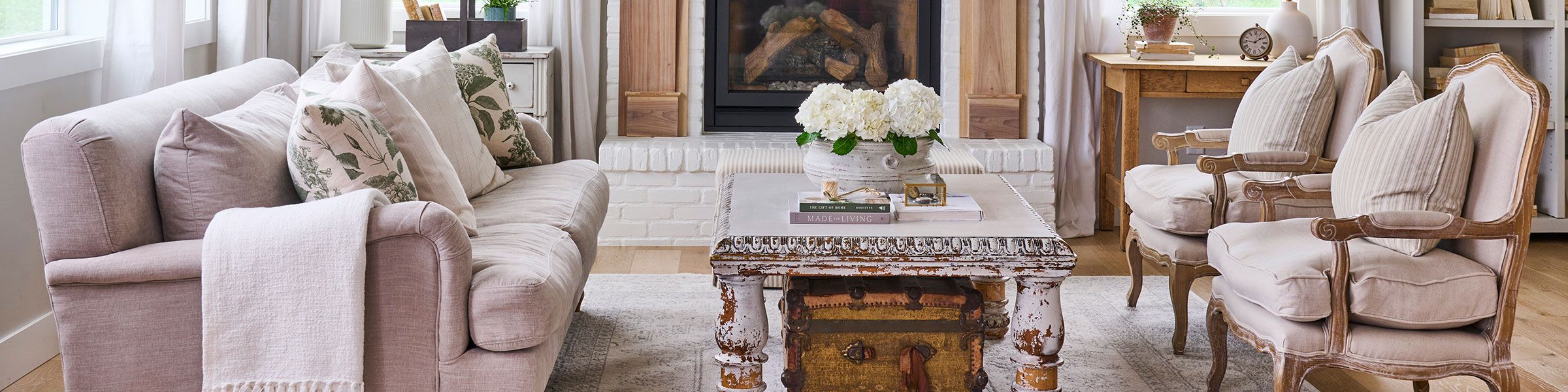
Farmhouse style has hung around long enough to prove it is more than a fling with a throw blanket. But the version that feels right today is not the overly staged, word-art-covered, shiplap-everywhere look that once took over the internet like a polite home décor invasion. The best farmhouse decorating and design ideas now feel warmer, more personal, and a whole lot less like your living room was assembled by a committee named “Rustic Beige.”
At its core, farmhouse design is about comfort, practicality, and character. It mixes natural materials, useful furniture, soft colors, and collected pieces that look as though they belong to actual humans who drink coffee, lose remotes, and occasionally stack mail on the counter. Whether your home is a suburban build, a city apartment, or an actual farmhouse with floors that creak like dramatic supporting actors, you can borrow the best of the style without turning your place into a theme park gift shop.
What Defines Farmhouse Style Today?
Modern farmhouse still leans on familiar ingredients: wood, neutral palettes, vintage-inspired accents, cozy textiles, and rooms that feel inviting rather than precious. But today’s version is more layered than the all-white approach that dominated for years. Think creamy paint instead of icy white, warm woods instead of endless black-and-white contrast, and millwork or beadboard instead of forcing shiplap onto every vertical surface like it owes you money.
In other words, farmhouse style works best when it feels lived in. A room should look collected over time, not unloaded from one extremely enthusiastic online cart. That means mixing old and new, polished and rough, practical and pretty. The sweet spot is where rustic charm meets thoughtful editing.
Start With the Bones Before You Buy the Cute Stuff
1. Build a Warm, Easygoing Color Palette
The classic farmhouse palette still starts with neutrals, but the smartest rooms add depth. Cream, ivory, oatmeal, mushroom, soft taupe, muted sage, dusty blue, and earthy brown all work beautifully. These shades create the calm backdrop farmhouse rooms are known for, while keeping the space from feeling flat or cold.
If you want a shortcut, start with warm white walls, medium-toned wood furniture, black or aged brass accents, and one or two muted colors in textiles. This combination feels timeless, unfussy, and forgiving. It also hides the occasional smudge, which is helpful if you live with children, pets, or adults who act like children around pasta sauce.
2. Let Natural Materials Do the Heavy Lifting
Farmhouse interiors shine when they lean into materials with texture and patina. Wood beams, stone fireplaces, brick, beadboard, linen, cotton, jute, wicker, rattan, and worn leather all help create that layered, welcoming look. A farmhouse room should never feel slick and overly perfect. It should feel grounded.
This is why a reclaimed wood coffee table, a woven basket full of throws, or a vintage-style runner can change the mood of a room faster than a trendy gadget ever will. Farmhouse design is tactile. If a room looks good but feels like no one should sit down, you have drifted into museum territory, and farmhouse style would like a word.
3. Use Architectural Detail to Add Character
One reason farmhouse spaces feel so memorable is that the best ones use architectural elements as décor. Exposed beams, built-ins, working fireplaces, board-and-batten, paneled walls, and simple millwork bring instant personality. Even if your house did not come with those features, you can fake some of the charm with trim work, painted beadboard, or a thoughtfully styled mantel.
Vertical paneling is especially effective because it adds visual interest without shouting for attention. It gives walls a gentle rhythm and makes a room feel finished, which is far more elegant than slapping a rustic sign over the sofa and hoping for the best.
Room-by-Room Farmhouse Decorating and Design Ideas
Living Room: Cozy, Collected, and Ready for Company
A farmhouse living room should feel like a place where people actually want to sit for a while. Start with comfortable seating in performance fabrics or soft neutrals. Add a wood coffee table with visible grain, then layer in texture through curtains, pillows, throws, and a rug with subtle pattern.
Classic farmhouse living room details include a fireplace, built-ins, exposed beams, and lots of seating. If your room lacks those features, borrow the spirit instead. Use a vintage trunk as a coffee table, hang curtains high for a more architectural look, and choose furniture with traditional lines rather than super-modern silhouettes. Black Windsor-style chairs, slipcovered seating, and linen-upholstered ottomans all play nicely here.
When styling surfaces, think restraint with personality. A stack of books, a ceramic vase, a small lamp, and one meaningful vintage object will do more than ten random knickknacks. Farmhouse style is relaxed, not cluttered.
Kitchen: Practical Charm Never Goes Out of Style
If farmhouse style has a spiritual home, it is probably the kitchen. This is where the look’s practical roots really shine. Farmhouse kitchens work best when they balance functionality and warmth: simple cabinetry, open shelving used in moderation, wood stools, apron-front sinks, mixed metals, and lighting that feels both useful and beautiful.
You do not need a full renovation to get the look. Paint cabinets in a creamy white, soft green, or muted blue. Add aged brass or matte black hardware. Swap in a vintage runner. Display everyday dishes on a shelf. Bring in natural wood through cutting boards, barstools, or a small table. Cafe curtains, pottery, and a pleated lampshade can add softness without tipping into costume.
Also, remember this farmhouse rule: practical can be pretty. A peg rail for mugs, a shelf for cutting boards, or a basket for produce adds charm because it serves a purpose. That is the magic. Farmhouse style rarely looks convincing when it is all decoration and no usefulness.
Bedroom: Soft Textures, Simple Forms, Better Naps
Farmhouse bedrooms are less about dramatic statements and more about making you want to crawl under the covers at 8:37 p.m. Start with a neutral foundation, then add warmth through quilted bedding, layered pillows, wood furniture, and soft rugs. A black metal bed, a wood bench, or a woven headboard can all fit the style depending on how traditional or updated you want the room to feel.
Vintage-inspired lighting, framed landscape art, and natural fabrics help create the cozy mood farmhouse bedrooms do so well. Keep the palette soft, but not sterile. Warm whites, camel, faded blue, muted floral patterns, gingham, and fine stripes all work beautifully. The goal is restful charm, not a room that looks afraid of color.
Bathroom and Laundry Room: Quietly Charming Workhorses
Farmhouse style works wonderfully in hardworking spaces because it celebrates utility. In bathrooms, details such as apron-front sinks, simple vanities, classic tile, warm metal finishes, and open shelving can make the room feel both functional and inviting. A clawfoot tub, antique dresser vanity, or beadboard wall treatment adds instant character if your budget allows.
In laundry rooms or mudrooms, farmhouse style practically writes its own résumé. Add hooks, baskets, a bench, woven storage, and a runner with subtle pattern. Painted cabinetry in a soft earthy hue can keep the room from feeling too stark. These spaces should be organized, durable, and just charming enough to make folding towels feel slightly less offensive.
Dining Rooms, Entryways, and Porches: The Welcome Committee
Farmhouse dining rooms thrive on simplicity. A sturdy wood table, classic chairs, a painted hutch, and a statement light fixture go a long way. Painted built-ins, beadboard, murals, or a fireplace can add soul without making the room fussy. The point is to create a space that feels generous and welcoming, even if dinner is takeout eaten from bowls.
Entryways should set the tone with practical charm: a bench, a rug, baskets, hooks, and one memorable piece of art or a mirror. Front porches are farmhouse gold. A porch swing, layered planters, oversized lighting, and relaxed seating instantly deliver that nostalgic, “please stay a while” feeling. If you have room for a rocker and a side table, congratulations: you are one lemonade away from perfection.
How to Keep Farmhouse Style From Looking Tired
Skip the Clichés
The fastest way to make farmhouse style feel outdated is to overdo the obvious tropes. Too many barn doors, too much faux distressing, too many signs telling guests to gather, eat, laugh, breathe, or generally follow instructions can drain the room of authenticity. One meaningful vintage piece has more power than five brand-new objects pretending to be old.
Mix in Other Influences
The freshest farmhouse interiors borrow from cottage, English country, coastal, Scandinavian, and even traditional design. That means floral fabrics, warmer wood tones, curved furniture, aged brass, richer paint colors, and more layered pattern. A farmhouse room should feel personal enough that nobody could mistake it for a catalog page. If it looks a little too matchy, loosen it up.
Choose Quality Over Quantity
You do not need twenty accessories to sell the look. You need a few pieces with texture, age, and usefulness. Spend money on the items that make a room feel anchored: a real wood table, a good rug, solid lighting, classic hardware, and fabrics that get better with time. Farmhouse style is not about stuffing a room with “rustic” things. It is about creating a home that feels generous, calm, and comfortable.
Budget-Friendly Farmhouse Decorating Ideas
If your budget says “cute idea” while your taste says “custom millwork,” do not panic. Farmhouse style can be surprisingly budget friendly. Paint is your best friend. So are thrift stores, flea markets, estate sales, Facebook Marketplace, and family hand-me-downs that once looked hopeless but now look “storied.” Amazing what good lighting can do for a chair with a past.
Try repainting a dresser, swapping hardware, adding beadboard to a small wall, using baskets for storage, styling open shelves with everyday dishes, or replacing builder-grade lights with vintage-inspired fixtures. Even changing lampshades, layering a runner, and bringing in a few natural wood accessories can make a space feel more farmhouse without launching a full-blown renovation campaign.
Real-Life Experiences With Farmhouse Decorating and Design Ideas
One of the most interesting things about farmhouse style is that people often understand it better after they live with it for a while. On paper, it sounds simple: add some wood, keep the colors soft, maybe toss in a basket or two, and call it a day. In real life, though, farmhouse decorating teaches you that the style is less about specific objects and more about how a room behaves. Does it welcome people in? Does it feel easy to use? Does it still look good when the blanket is crooked and someone left a mug on the side table? If the answer is yes, you are getting it right.
A lot of homeowners begin with the trendy version of farmhouse style because it feels safe. White walls, black fixtures, a barn door, maybe a sign in cursive trying very hard to inspire the breakfast area. Then time passes, and they realize the rooms they love most are the ones with a little more warmth and a little less performance. The vintage stool by the tub ends up mattering more than the trendy accessory set. The wood table with scratches becomes the favorite item in the house because it hosts homework, holiday pies, and Monday night takeout without complaint.
That is where farmhouse design really earns its keep. It ages well when the materials are honest. Linen wrinkles a little. Wood develops marks. Brass softens. Painted cabinets get that slightly lived-in look. Instead of ruining the room, these changes often improve it. The house begins to feel layered by life rather than frozen for photographs, which is honestly a relief. Very few people want to live inside a showroom where even the pillows seem tense.
There is also a practical side to the experience. Farmhouse rooms often make daily routines easier because they are built around usefulness. A bench in the entryway gives everyone a place to drop bags. Hooks catch jackets before they hit the floor. Open shelves hold dishes you actually use. A large dining table becomes command central, holiday headquarters, and puzzle station all in one. The design works because it respects real life instead of pretending real life will not happen there.
People also discover that farmhouse style becomes better when they stop trying to make every room match perfectly. A home can have a farmhouse kitchen, a more traditional dining room, and a bedroom with cottage influences, and still feel cohesive. In fact, it usually feels more natural that way. The experience of decorating farmhouse-style often ends with a lesson in editing: keep what is warm, useful, textured, and personal, and let go of the rest.
So the biggest experience-based tip is this: do not chase a farmhouse formula. Build rooms that support your routines, reflect your taste, and leave space for imperfection. That is the difference between a house that looks farmhouse and a house that feels like home. And in the end, the second one always wins, even if the throw pillows are not karate-chopped.
Conclusion
The best farmhouse decorating and design ideas are not about copying a checklist. They are about creating rooms that feel grounded, welcoming, and genuinely useful. Start with warm colors, natural materials, and classic shapes. Add vintage character, layered texture, and a few architectural details where you can. Then edit with a light hand. A farmhouse home should feel comfortable enough for everyday life and beautiful enough that you notice the details, but never so precious that nobody wants to sit down.
In other words, farmhouse style is still a keeper. It just looks better when it grows up a little.