A cross back linen apron is the rare kitchen item that can make you feel like a farmhouse baker, a pottery-studio genius, a relaxed host, and a person who definitely has not just spilled olive oil on their shirt. It is practical, breathable, stylish, and surprisingly comfortable for something whose main job is to stand between you and chaos.
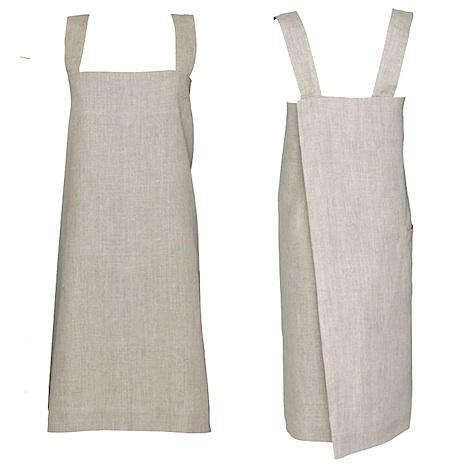
Unlike a traditional neck-loop apron, a cross back apron uses straps that pass over the shoulders and cross at the back. That simple design change matters. Instead of pulling on the neck, the weight spreads across the shoulders and upper back. Add linen into the picture, and you get a natural fabric known for breathability, strength, moisture absorption, and that effortlessly wrinkled look people politely call “European charm.”
Whether you cook every night, bake once a month, garden on weekends, paint in a studio, or simply want to look like you own handmade ceramic bowls, a cross back linen apron is one of those small upgrades that makes daily tasks feel a little more intentional.
What Is a Cross Back Linen Apron?
A cross back linen apron is an apron made fully or mostly from linen fabric, designed with straps that cross over the back instead of tying around the neck. Many versions are inspired by Japanese-style pinafore aprons, smock aprons, and artisan workwear. They usually slip over the head, wrap around the sides, and offer generous front coverage.
The design often includes large patch pockets, side pockets, or deep front compartments for tools, towels, seed packets, a phone, measuring spoons, recipe cards, or the mysterious collection of twist ties every home cook somehow adopts.
Common Features
- Cross back straps that reduce neck pressure
- Loose, comfortable fit for easy movement
- Full front coverage for cooking, baking, gardening, and crafting
- Deep pockets for practical storage
- Natural linen fabric that softens over time
- Minimalist, rustic, farmhouse, or Japanese-inspired styling
The best versions feel less like a uniform and more like a useful layer of clothing. You can throw one over a T-shirt, dress, sweater, or work outfit and instantly become protected from flour, soil, paint, sauce, and the emotional damage of splattering marinara five minutes before guests arrive.
Why Linen Works So Well for Aprons
Linen is made from flax fibers, and it has been used for clothing and household textiles for centuries. Its reputation is not just aesthetic. Linen is strong, breathable, absorbent, and quick drying, which makes it a smart material for aprons that see real daily use.
1. Linen Is Breathable
If you have ever cooked in front of a hot stove while wearing a stiff synthetic apron, you know the feeling: part chef, part baked potato. Linen helps avoid that because it allows air to move through the fabric. This is especially helpful during summer cooking, canning, grilling prep, or marathon holiday baking sessions.
A breathable linen apron keeps you covered without trapping as much heat as heavier, less airy materials. It is not a magic air conditioner, but it is much kinder than wearing a fabric sauna.
2. Linen Is Naturally Absorbent
Cooking is basically a sport involving water, oil, steam, and suspicious splashes. Linen absorbs moisture well, which makes it useful when you wipe your hands quickly or catch a small spill. It also dries faster than many heavier fabrics, so it does not stay damp and gloomy for half the afternoon.
3. Linen Gets Softer With Use
One of linen’s best qualities is that it improves with time. A new linen apron may feel crisp, especially if it is made from heavier linen. After repeated washing and wearing, it becomes softer, more relaxed, and more comfortable. In other words, linen ages like a charming cottage, not like a forgotten gym towel.
4. Linen Has a Beautiful Natural Texture
Linen wrinkles. There is no point pretending otherwise. But with a cross back linen apron, that natural texture is part of the appeal. The casual creases make the apron look lived-in, handmade, and relaxed. A perfectly pressed apron says, “I may host a formal tea.” A rumpled linen apron says, “I make excellent bread and know where the good olive oil is.”
Why the Cross Back Design Is So Comfortable
The cross back design solves one of the biggest complaints about traditional aprons: neck strain. Standard bib aprons often hang from a loop around the neck. That works fine for short tasks, but when pockets are loaded with tools or the apron is worn for hours, the pressure can become annoying.
A cross back apron shifts that weight to the shoulders and back. This makes it popular among cooks, bakers, florists, ceramic artists, gardeners, baristas, and anyone who spends long stretches working with their hands.
No Neck Pulling
Because the straps do not sit around the neck, a cross back linen apron is less likely to rub, pinch, or pull forward. This is especially helpful for people who dislike the feeling of something tugging at their collar area.
Better Weight Distribution
Deep pockets are useful, but they can become heavy when filled with scissors, tasting spoons, pens, seed packets, or a phone. Cross back straps distribute that pocket weight more evenly. Your neck does not have to audition for the role of coat rack.
Easy Movement
Many cross back linen aprons are cut with a relaxed fit. That means you can bend, reach, knead dough, prune herbs, carry laundry, or chase a runaway cherry tomato without feeling restricted. The apron moves with you rather than arguing with your shoulders.
Best Uses for a Cross Back Linen Apron
Although cross back linen aprons are often marketed for cooking, they are surprisingly versatile. Their comfort, coverage, and pockets make them useful in many everyday situations.
Cooking and Baking
This is the classic use. A linen kitchen apron protects clothing from flour, oil, tomato sauce, chocolate, turmeric, coffee, and that one aggressive splash of pancake batter. The cross back style is especially good for long cooking days because it remains comfortable while you prep, cook, clean, and pretend the sink is not full.
For baking, large pockets are excellent for holding a bench scraper, timer, folded towel, or recipe card. Full coverage helps when flour decides to become airborne, as flour often does because it has theatrical ambitions.
Gardening
A cross back linen apron works beautifully in the garden. Linen is breathable in warm weather, and the pockets can hold seed packets, plant labels, gloves, pruning snips, or harvested herbs. A pinafore-style apron with wide coverage can protect clothing from dirt and damp leaves while still feeling light enough for outdoor work.
Pottery, Painting, and Crafting
Artists and makers often like cross back aprons because they provide coverage without restricting movement. Linen is comfortable for seated work, standing work, and repetitive hand tasks. Whether you are throwing pottery, painting furniture, arranging flowers, or making candles, a linen apron gives you a practical barrier between creativity and your favorite jeans.
Hosting and Entertaining
Some aprons are purely functional. A cross back linen apron can be functional and attractive enough to wear while hosting. It looks intentional, not frantic. You can prep salad, serve drinks, refill snacks, and still look like the calm main character of a lifestyle magazine instead of someone who just fought a casserole.
Household Chores
Cleaning, laundry folding, organizing, and light home projects are easier when you have pockets and clothing protection. A linen apron can hold clothespins, a microfiber cloth, a phone, a small notebook, or the tiny screwdriver you always lose exactly when you need it.
How to Choose the Best Cross Back Linen Apron
Not all linen aprons are the same. Some are light and elegant; others are sturdy and workwear-inspired. The best choice depends on how you plan to use it.
Check the Fabric Content
Look for 100% linen if you want the most natural texture, breathability, and classic drape. Linen-cotton blends can also be a good option, especially if you want a slightly softer feel or a lower price point. A heavier linen offers more protection, while lighter linen feels cooler and more relaxed.
Look for Pre-Washed Linen
Pre-washed linen is often softer and less likely to shrink dramatically after the first wash. This matters because an apron that fits beautifully before laundry should not come out looking like it was designed for a decorative garden gnome.
Consider Strap Construction
Some cross back aprons have fixed straps, while others have adjustable straps. Fixed straps are simple and clean, but they may not fit every body type equally well. Adjustable cross back straps offer more flexibility, especially if multiple people in the household plan to use the same apron.
Evaluate Pocket Placement
Pockets should be deep enough to hold useful items without letting them fall out every time you bend over. Front patch pockets are great for kitchen tools. Side pockets can be more comfortable for gardening or studio work. A small upper pocket may be helpful for pens, thermometers, or reading glasses.
Choose the Right Coverage
A full-coverage apron is ideal for messy cooking, gardening, and crafting. A shorter or narrower apron may be better for light kitchen tasks or hosting. If you cook with oil, flour, or bright sauces often, choose more coverage. Marinara sauce respects no one.
Think About Color
Natural, oatmeal, flax, gray, black, olive, rust, and navy are popular choices for linen aprons. Lighter colors look fresh and classic but show stains more easily. Darker shades hide marks better and feel more workwear-inspired. If you want that cozy farmhouse look, natural linen is hard to beat. If you are accident-prone, black may be your loyal friend.
Cross Back Linen Apron vs. Traditional Bib Apron
A traditional bib apron is familiar, adjustable, and often affordable. It usually ties at the waist and has a neck strap. A cross back linen apron, however, offers a different kind of comfort and style.
| Feature | Cross Back Linen Apron | Traditional Bib Apron |
|---|---|---|
| Comfort | Distributes weight across shoulders and back | May pull on the neck during long wear |
| Style | Relaxed, artisan, minimalist, Japanese-inspired | Classic kitchen or professional look |
| Fabric Feel | Breathable, textured, softens over time | Depends on cotton, canvas, denim, or synthetic fabric |
| Ease of Wear | Often slips on without neck adjustment | Usually requires tying and adjusting |
| Best For | Long cooking sessions, gardening, crafting, hosting | Quick cooking, grilling, restaurant use, budget needs |
The cross back linen apron wins on comfort and relaxed style. The traditional bib apron can still be excellent for heavy-duty cooking, especially if made from canvas or denim. But for everyday home use, linen cross back aprons offer a lovely balance of beauty and function.
How to Care for a Linen Apron
Linen is durable, but it appreciates thoughtful care. Treat it well, and your apron can become softer, better looking, and more comfortable over time.
Wash in Cold or Cool Water
Use cold or cool water on a gentle cycle. Hot water can encourage shrinkage and may weaken fibers over time. Wash similar colors together, especially with darker dyed linen.
Use Mild Detergent
A gentle detergent is best. Avoid harsh bleach, which can damage linen fibers and affect color. For stains, spot treat quickly instead of letting the mark settle in like it pays rent.
Air Dry When Possible
Air drying helps protect the fabric and reduce shrinkage. Hang the apron or lay it flat. If you use a dryer, choose low heat and remove the apron while slightly damp.
Iron Only If You Care
Linen wrinkles naturally. If you want a smoother look, iron while the fabric is still slightly damp or use steam. If you prefer the relaxed look, skip the ironing and call the wrinkles “texture.” This is one of linen’s greatest gifts to busy people.
Styling a Cross Back Linen Apron
A cross back linen apron is practical, but it also has real style power. It pairs well with simple clothing because the shape is clean and sculptural. Over a white T-shirt and jeans, it looks casual and creative. Over a linen dress, it feels cottage-inspired. Over black pants and a long-sleeve top, it looks like a modern studio uniform.
For a kitchen or café look, choose charcoal, black, olive, or navy. For farmhouse warmth, try natural flax, oatmeal, rust, or soft gray. For a cheerful home look, muted terracotta, sage, mustard, or dusty blue can add personality without screaming across the room.
Who Should Buy a Cross Back Linen Apron?
A cross back linen apron is a great choice for anyone who wants comfort, coverage, and natural style. It is especially useful for:
- Home cooks who spend long periods in the kitchen
- Bakers who need coverage from flour and dough
- Gardeners who want breathable clothing protection
- Artists, potters, and crafters who need easy movement
- Hosts who want an apron attractive enough to wear around guests
- People who dislike neck straps on traditional aprons
- Fans of minimalist, rustic, cottage, or Japanese-inspired design
It may not be the best option for someone who needs heavy heat protection, waterproofing, or industrial stain resistance. For grilling, metalwork, or very messy commercial tasks, canvas, waxed cotton, denim, or specialty work aprons may perform better. But for everyday cooking and creative home use, linen is hard to resist.
Common Mistakes to Avoid
Buying an Apron With Straps That Are Too Short
Cross back straps need enough length to move comfortably across the shoulders. If the straps are too short or fixed in a narrow position, the apron may feel restrictive. Check sizing carefully, especially for unisex or one-size designs.
Choosing Linen That Is Too Thin
Very lightweight linen can be beautiful, but it may not offer enough protection for messy cooking or gardening. For an everyday apron, medium-weight linen usually provides a better balance of softness and durability.
Ignoring Pocket Size
Tiny pockets may look cute, but they are not always useful. A good apron pocket should hold real tools. If a pocket cannot handle a phone, towel, or spoon, it is basically decorative optimism.
Expecting Linen to Stay Perfectly Smooth
Linen wrinkles. That is part of its nature. If you want a perfectly crisp, wrinkle-free look at all times, linen may frustrate you. If you enjoy natural texture and lived-in charm, linen will be your stylish accomplice.
Experience Notes: Living With a Cross Back Linen Apron
The first thing many people notice about a cross back linen apron is not the fabric or the pockets. It is the absence of neck tugging. That sounds small until you wear an apron for three hours while making soup, bread, salad, and the kind of dessert that requires every bowl in the house. A neck-loop apron can start to feel like a tiny polite anchor. A cross back linen apron simply sits across the shoulders and lets you keep moving.
In daily kitchen use, the apron quickly becomes a habit. You put it on before chopping onions, wiping counters, watering herbs, or pulling a tray of roasted vegetables from the oven. The pockets become a temporary command center. One pocket holds a towel, another catches a phone, and somehow a third imaginary pocket is needed for the measuring spoon you just had in your hand twelve seconds ago.
For baking, linen feels especially appropriate. Flour dusts the fabric, the apron softens as you work, and the cross back fit allows easy movement when kneading dough or reaching for pans. It feels less stiff than many heavy chef aprons, which makes it pleasant for home kitchens where comfort matters as much as protection. The apron does not make you a better baker, but it does make you feel like the kind of person who understands sourdough hydration. Confidence counts.
In the garden, the breathable quality of linen becomes even more obvious. A cross back linen apron is comfortable over a tank top or long-sleeve shirt, and the pockets are useful for seed packets, gloves, plant tags, and small pruners. It will get dirty, of course. That is the point. Linen handles a little soil and water gracefully, and after washing, it usually returns with even more character.
The apron also shines during creative work. For painting, pottery, flower arranging, candle making, or furniture touch-ups, the loose fit makes it easy to bend, sit, stand, and reach. Because many cross back designs wrap around the sides, they offer better clothing coverage than a narrow front apron. That side coverage matters when you brush against a table edge covered in clay slip or paint. Creative messes are sneaky. They do not announce themselves. They simply appear on your hip later.
There are a few honest drawbacks. Linen wrinkles after washing, and some people may need a minute to figure out how the straps should cross when putting the apron on. Fixed-strap designs can fit differently depending on height, shoulder width, and body shape. Dark linen may show lint, while light linen may show stains. None of these are deal-breakers, but they are worth knowing before purchase.
Overall, the everyday experience is charmingly practical. A cross back linen apron feels like an apron you actually want to wear, not one you wear only because spaghetti sauce is threatening your outfit. It looks good hanging on a hook, feels good during long tasks, and becomes softer with every wash. Over time, it collects small memories: a jam stain from summer, a dusting of flour from a birthday cake, a faint herb scent from garden work. That is the quiet beauty of linen. It does not stay perfect. It becomes personal.
Conclusion
A cross back linen apron is more than a pretty kitchen accessory. It combines smart design, natural fabric, and everyday usefulness in one comfortable layer. The cross back straps reduce neck strain, the linen keeps things breathable, and the pockets make cooking, gardening, crafting, and hosting easier. It is stylish without being fussy, practical without looking industrial, and relaxed enough to wear for hours.
If you want an apron that feels comfortable, looks timeless, and gets better with age, a cross back linen apron is an excellent choice. It will not stop you from burning toast, over-salting soup, or buying too many herbs at the farmers market, but it will help you do all of those things with far more style.
Note: This article is written as original, publish-ready content based on current real-world information about linen fabric, cross back apron construction, kitchen workwear features, garment care, and common user experiences.