You’re halfway through a recipe, your whisk is doing cardio, and then you realize the mascarpone situation is…
nonexistent. Maybe the store was out. Maybe you forgot it. Maybe mascarpone costs so much that it now requires a
background check. Whatever the reason: yes, you can substitute mascarpone with other ingredientsif you
know what mascarpone is bringing to the party.
Mascarpone isn’t just “cream cheese’s Italian cousin.” It’s richer, milder, and silkier, with a subtle sweetness
and very little tang. That means the best mascarpone substitute isn’t always a single ingredientit’s often a
smart combo that recreates mascarpone’s fat + smoothness + gentle flavor.
What Mascarpone Actually Does in a Recipe (So You Can Replace It)
Before we swap, let’s name the job. In most recipes, mascarpone provides:
- Richness (it’s high-fat and plush)
- Body (thick enough to hold a filling, but softer than many cream cheeses)
- Smooth texture (no curds, no grain)
- Mild flavor (less tang than American cream cheese; slightly sweet dairy note)
So your substitute needs to match the role. A tiramisu filling needs something different than, say,
stirring a spoonful into a mushroom pasta sauce.
The Best All-Purpose Mascarpone Substitute (The “Nobody Will Panic” Blend)
If you want the closest match in both texture and taste, start here:
Mascarpone Swap Blend (Cream Cheese + Heavy Cream + Sour Cream)
Why it works: Cream cheese provides structure, heavy cream softens the tang and loosens the
texture, and sour cream adds a cultured dairy note that mimics mascarpone’s rounded flavor (without making it
aggressively “cream-cheesy”).
How to make it (quick method):
- Let the cream cheese come to room temp (cold cream cheese = lumps and regret).
- Beat cream cheese until smooth.
- Add heavy cream and sour cream; mix just until silky.
- Chill 10–20 minutes if you need it to firm up for piping or layering.
Best uses: tiramisu, no-bake cheesecakes, dessert fillings, frostings, dips.
Other Great Mascarpone Substitutes (Pick by Recipe Type)
1) Crème Fraîche
Crème fraîche is thick, spoonable, and richwith a gentle tang. It’s one of the closest “single-ingredient”
substitutes when you want smoothness and luxury without mixing a DIY blend.
- Best for: sauces, soups, savory fillings, dolloping on desserts, swirls into batters
- Watch out for: slightly tangier flavor than mascarpone; adjust sugar/salt accordingly
2) Ricotta (But Make It Smooth)
Ricotta can work surprisingly well if you remove its biggest flaw: texture. Traditional ricotta can be grainy or
watery, which is the opposite of mascarpone’s vibe.
How to make ricotta behave like mascarpone:
- Blend it (food processor = instant glow-up)
- Strain it (cheesecloth 30–60 minutes) if it’s wet
- Optionally add a splash of heavy cream for extra silk
Best for: baked desserts, fillings, pancakes/waffles, cannoli-style applications, some savory
dishes.
3) Full-Fat Greek Yogurt (Good… With Rules)
Greek yogurt is thick and creamy, but it’s tangier and can act weird when heated hard (separation can happen).
Still, it’s great when you want a lighter feel.
- Best for: no-bake desserts, dips, cold sauces, breakfast bowls, quick fillings
- Watch out for: tang + heat sensitivity; add off-heat in hot dishes
4) Sour Cream (Savory Superstar, Dessert Side Character)
Sour cream is usually more acidic than mascarpone, but it can be a solid swap in savory recipes and some baked
goods where tang is welcome.
- Best for: sauces, soups, savory bakes, cheesecakes (when balanced)
- Watch out for: too tangy for delicate desserts unless sweetened and balanced
5) Clotted Cream (If You Can Find It)
Clotted cream is ultra-rich and thickcloser to mascarpone’s decadent side than most supermarket options. It’s a
great “no-mix” alternative for spreading, dolloping, or folding into cold desserts.
- Best for: dessert toppings, spreads, fillings, no-bake treats
- Watch out for: availability; also, it’s rich-rich
6) The “Butter Boost” Cream Cheese Swap (Extra-Classic for Desserts)
If your recipe needs mascarpone’s richness more than its exact flavor, adding a little butter to the cream cheese
blend can help mimic that lush mouthfeel.
- Best for: tiramisu-style fillings, dessert layers, frosting bases
- Watch out for: don’t overbeatwhipped butter vibes can change texture
Quick Substitution Chart (So You Don’t Have to Read This While Your Cake Burns)
| Recipe Situation | Best Substitute | Why | Pro Tip |
|---|---|---|---|
| Tiramisu / no-bake layers | Cream cheese blend | Closest texture + mild flavor | Chill before layering for clean slices |
| Frosting / whipped topping | Cream cheese blend or butter-boost blend | Stable, pipeable, rich | Mix gently; overwhipping can loosen it |
| Stirred into pasta sauce | Crème fraîche or sour cream (off-heat) | Silky, melts smoothly | Add at the end to avoid splitting |
| Baked cheesecake | Cream cheese (sometimes 1:1) or blended ricotta | Structure holds up to baking | Room temp ingredients = fewer lumps |
| Lighter dessert vibe | Full-fat Greek yogurt | Thick, creamy, less heavy | Balance tang with a bit more sugar/vanilla |
How to Choose the Right Substitute (A Tiny Decision Tree)
Ask yourself two questions:
-
Is mascarpone the main character?
If yes (tiramisu filling, mousse, frosting): use a blend or crème fraîche/clotted cream. -
Will the dish be heated?
If yes (sauces, soups, baked goods): avoid substitutes that split easily; add tangy dairy off-heat.
Mascarpone Substitutions by Iconic Dish
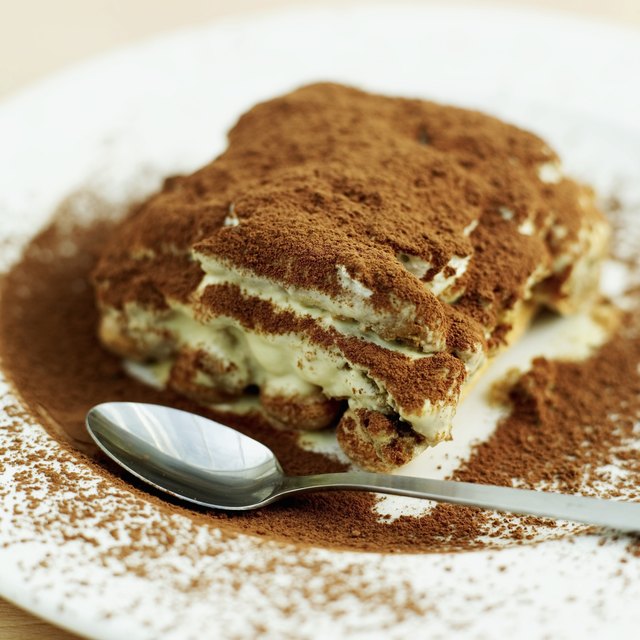
Tiramisu Without Mascarpone
Tiramisu is the recipe where mascarpone’s texture matters most. A straight 1:1 cream cheese swap often tastes
sharper and feels denser. A blend gets you closer: softer, silkier, and more “tiramisu” than “cheesecake in a
trench coat.”
Flavor fixes:
- If it tastes too tangy: add a touch more heavy cream, plus vanilla.
- If it tastes flat: a pinch of salt or a little espresso/cocoa can sharpen it.
- If it’s too loose: chill longer, or fold in whipped cream more gently.
Mascarpone in Frosting (Or: The Cupcake Crisis)
Mascarpone frostings are loved because they’re creamy without being mouth-glued like some buttercreams.
Substitutes depend on what you need:
- Need stability? Use cream cheese blend, chill before piping.
- Need pure richness? Add a small butter boost.
- Need lighter? Use thick Greek yogurt, but keep it cold and don’t overmix.
Mascarpone in Savory Sauces
In savory recipes, mascarpone is usually a finisherstirred in to add body and richness. The easiest swaps are
crème fraîche, sour cream (added off-heat), or a little cream cheese loosened with cream.
Heat tip: Remove the pan from direct heat, then stir in your substitute. Gentle warmth = smooth sauce.
Can You Make Mascarpone at Home?
Yeshomemade mascarpone exists, and it’s basically a “cream becomes cheese” magic trick. The general method uses
heavy cream gently heated, acidified (often with lemon juice), and then strained until thick and spreadable.
It’s not hard, but it does take time (mostly waiting).
Best for: when you want the real deal flavor and texture, and you have a little patience.
Not best for: when guests arrive in 45 minutes and your sink is already full of dishes.
Dairy-Free Mascarpone Substitutes (Yes, You Can Do That Too)
If you’re avoiding dairy, aim for the same goals: rich, smooth, mild. Here are dependable directions:
Cashew “Cream Cheese” Style
Soaked cashews blended until ultra-smooth can mimic mascarpone’s body surprisingly well. Add a little coconut
cream for richness and a tiny bit of lemon juice for balance.
Coconut Cream (Dessert-Friendly)
Coconut cream is thick and whippable, which makes it great for no-bake desserts. Expect a gentle coconut note
sometimes that’s a bonus, sometimes it’s a plot twist.
Silken Tofu (Neutral Base)
Blended silken tofu can work in creamy fillings and some desserts when sweetened and flavored (vanilla, cocoa,
espresso). Texture depends heavily on blending until completely smooth.
Common Mistakes (And How to Avoid Them)
-
Using low-fat products: Low-fat dairy often contains more water, which can make fillings runny
or sauces split. -
Skipping room temperature softening: Cold cream cheese won’t blend smoothlylumps love to
survive. -
Overmixing: Overbeating can break down structure or make mixtures loose. Mix until combined,
then stop like a responsible adult. - Heating tangy dairy too aggressively: Yogurt/sour cream can separate. Add off-heat and stir gently.
- Forgetting to taste and adjust: Substitutes change tang, salt, and sweetness. Taste once; fix forever.
FAQ
Can I substitute cream cheese for mascarpone 1:1?
Sometimes, especially in baked recipes where structure matters (like cheesecake). But in no-bake desserts, 1:1
cream cheese can taste tangier and feel firmer. A blend usually matches mascarpone better.
Is ricotta a good substitute for mascarpone?
It can beif you blend and/or strain it to make it smooth and thick. Ricotta’s natural grain can be noticeable
in delicate desserts unless you refine the texture.
What’s the closest substitute for mascarpone in tiramisu?
A cream cheese + heavy cream + sour cream blend is usually the closest in both flavor and texture for a
mascarpone-forward dessert like tiramisu.
How long do mascarpone substitutes keep?
In general, treat them like the most perishable ingredient in the mix. Keep refrigerated, covered, and use within
a few days for best flavor and safety.
Kitchen Field Notes: Real-World Experiences With Mascarpone Substitutes (Extra )
Here’s the honest truth: mascarpone substitutes usually “work,” but they don’t always work the same. The
difference shows up in three placestexture, tang, and how the mixture behaves after chilling. If you know what to
expect, you can steer the outcome instead of hoping your dessert doesn’t turn into a soft dairy landslide.
Experience #1: The Tiramisu Emergency. In no-bake desserts, the cream cheese blend is the
crowd-pleaser because it sets up like mascarpone once chilled. The first time many home cooks try it, they’re
surprised by how “tiramisu-ish” it still tastes after a few hours in the fridge. The main adjustment is flavor:
cream cheese can bring a brighter tang. The fix is simpleadd heavy cream to soften that tang and use vanilla (or
a tiny pinch of salt) to round everything out. Also, mixing technique matters. If you beat the filling like you’re
trying to win an arm-wrestling contest, the texture can loosen. Gentle folding (especially if you’re adding whipped
cream) keeps it plush and stable.
Experience #2: Frosting That Looked Great… Then Slumped. Mascarpone-style frostings are famous for
being silky, but they can be temperature-sensitive. Substitutes can be even more dramatic. A common scenario:
frosting looks perfect in the bowl, gets piped beautifully, then softens on the counter like it’s auditioning for a
sad movie. The workaround is boringbut extremely effective: chill the frosting before piping, chill the cupcakes,
and keep the finished dessert cool until serving. If you’re transporting it, consider the “butter boost” approach
for a little extra structure, and avoid overly warm rooms. (Summer picnics are lovely. Summer picnics with soft dairy
frosting are chaos.)
Experience #3: Savory Pasta Sauce That Suddenly Split. In hot dishes, people often blame the
substitutewhen the real culprit is heat. Sour cream or yogurt can separate if boiled or stirred into very hot
liquid aggressively. The best habit is to remove the pan from direct heat and stir in your substitute gently.
Another trick: temper it. Spoon a little warm sauce into the dairy in a bowl, mix, then add that back to the pot.
This gradual temperature change makes separation much less likely. Crème fraîche tends to be more forgiving here,
which is why it’s such a beloved swap for savory finishing.
Experience #4: “I Used Ricotta and It Was… Grainy.” Ricotta is a great option when texture is
managed. The difference between “this is amazing” and “why does it feel like tiny pillows” is usually one step:
blending. A quick spin in a food processor makes ricotta dramatically smoother. If it’s watery, straining it first
keeps your filling from turning loose after chilling.
The big takeaway from most real-kitchen swaps is this: mascarpone substitutes succeed when you match the recipe’s
goal. Need richness and smoothness? Use a blend or crème fraîche. Need structure for baking? Cream cheese (or
refined ricotta) is reliable. Need something lighter? Greek yogurt can workjust keep it cool and be gentle with
heat. In other words: you’re not “replacing mascarpone.” You’re recreating the job mascarpone was hired to do.
Conclusion
Mascarpone may be unique, but it’s not irreplaceable. When you match its richness and textureeither with a smart
blend or a close dairy cousin like crème fraîcheyou can still get dreamy tiramisu, smooth sauces, and frosting
that behaves (most days). And if all else fails? There’s always the option to call it “Italian-inspired creamy
dessert situation” and serve it with confidence.