Can stepchildren ruin a marriage? It is a question many people feel guilty even typing into a search bar. The honest answer is this: stepchildren do not ruin marriages. Children are not marriage wrecking balls wearing backpacks. But blended family stress, unclear roles, loyalty conflicts, discipline battles, co-parenting drama, and a couple that forgets to protect its own relationship can absolutely put a marriage under serious pressure.
Blended families are common in the United States, and they are not automatically doomed. Many become warm, loyal, funny, beautifully imperfect families. Still, a stepfamily does not operate like a first-time nuclear family with a new coat of paint. It has different wiring. There may be ex-spouses, two homes, half-siblings, stepsiblings, custody schedules, old grief, new rules, and a child who did not vote for any of this but is expected to adjust politely before dinner.
When blended family situations get tough, the problem is rarely just “the stepchild.” More often, the real issue is the system around the child: how the adults communicate, how boundaries are set, how discipline is handled, and whether the marriage gets treated as the foundation rather than the family’s emotional leftovers.
So, Can Stepchildren Really Ruin a Marriage?
No, not by themselves. A stepchild may be angry, withdrawn, disrespectful, jealous, clingy, or resistant to a stepparent. Those behaviors can be exhausting, especially when they happen daily. But children usually react to stress; they do not create the entire storm.
A marriage is more likely to suffer when the adults respond to stepfamily tension in ways that divide them. For example, one spouse may say, “You are too hard on my child,” while the other says, “You never back me up.” One partner feels rejected by the stepchild, the biological parent feels defensive, and suddenly the couple is arguing about chores, tone of voice, school pickup, and who left the cereal box open as if it were a Supreme Court case.
The stepchild becomes the visible issue, but the marriage is actually struggling with deeper questions: Who has authority? Who gets priority? What does respect look like? How do we parent together without pretending the stepparent has the same history as the biological parent? These are solvable problems, but they need patience and structure.
Why Blended Families Feel So Complicated
A blended family begins with love, but it also begins after change. For a child, that change may include divorce, separation, death, relocation, a new household, different routines, or the emotional shock of seeing a parent love someone new. Adults may feel excited about a fresh start, while children may feel like the family they knew has been rearranged without their permission.
That does not mean children should run the home. It means their reactions need context. A child who rolls their eyes at a stepparent may not be “bad.” They may be grieving, testing safety, protecting loyalty to another parent, or trying to regain control in a situation that feels unpredictable.
Blended families have more moving parts
In a first marriage with shared children, the adult couple usually builds the parenting style together from the beginning. In a blended family, one parent may arrive with established rules, traditions, and emotional bonds that existed long before the new marriage. The stepparent enters a family story already in chapter twelve and is expected to understand the plot immediately.
This is why remarriage with children often requires more intentional communication than either partner expected. Love may bring the couple together, but systems keep the household functioning: schedules, rules, money agreements, discipline plans, boundaries with ex-partners, and realistic expectations for bonding.
Common Ways Stepchildren Stress a Marriage
1. Loyalty conflicts
One of the most painful blended family challenges is loyalty conflict. A child may like the stepparent but feel guilty showing it because they worry it betrays their other biological parent. This can create hot-and-cold behavior: friendly one day, icy the next.
For example, a stepdaughter may laugh with her stepmother while baking cookies, then ignore her at a school event when her biological mother is nearby. The stepmother feels embarrassed and rejected. The father may say, “She is just a kid,” which is true but not very comforting. The better response is to recognize the loyalty bind while still teaching kindness: “You never have to choose between parents, but in this home we speak respectfully.”
2. Discipline disagreements
Discipline is where many blended family marriages begin to wobble. A stepparent may want clear consequences for rude behavior. The biological parent may feel protective or guilty and become too lenient. Then the stepparent feels powerless, while the parent feels judged.
In many stepfamilies, the biological parent should take the lead on discipline, especially in the early years. The stepparent can support household rules, but influence usually grows through trust, not instant authority. A stepparent who tries to become “the boss” too quickly may get resistance. A biological parent who refuses to set limits may accidentally train the child to disrespect the marriage.
3. The “outsider” feeling
Stepparents often feel lonely inside their own homes. They may cook meals, drive to practices, help with homework, and still hear, “You are not my mom” or “You are not my dad.” That sentence can land like a frying pan to the soul.
The child is technically correct, but the delivery may still be hurtful. A wise stepparent does not need to compete with the biological parent. Instead, they can calmly say, “You are right. I am not replacing your parent. I am another adult in this house who cares about you, and respect still matters here.”
4. Parenting styles that clash
One spouse may believe in strict routines, early bedtimes, and consequences. The other may be more flexible because they only see the child part-time or feel guilty about the divorce. The result? One adult becomes the “fun parent,” the other becomes the “rules goblin,” and nobody enjoys dinner.
Couples should discuss parenting styles privately, not during a child’s meltdown. Children feel safer when adults are steady. They also learn very quickly when the adults are divided. A child does not need evil genius skills to notice, “If I ask Mom first, she says no, but if I ask Dad while he is distracted, I get the tablet.”
5. Ex-spouse and co-parenting pressure
Sometimes the toughest stepfamily stress does not come from inside the house. It comes through texts, custody changes, last-minute schedule disruptions, or an ex-partner who criticizes the new marriage. Co-parenting conflict can spill into the remarriage, especially when one spouse feels the ex has too much influence.
The healthiest couples create boundaries around co-parent communication. They do not use children as messengers. They keep schedules clear. They discuss major changes together. They avoid letting an ex-spouse become an invisible third person in the marriage.
Signs Blended Family Stress Is Hurting the Marriage
Every family has rough weeks. The warning sign is not occasional conflict; it is a pattern of disconnection. If the couple stops feeling like a team, resentment grows fast.
Common signs include frequent arguments about the same child-related issues, one spouse feeling constantly criticized, the stepparent withdrawing from family life, the biological parent feeling forced to choose between spouse and child, children openly disrespecting the marriage, and the couple no longer spending relaxed time together.
Another red flag is when the home develops two emotional camps: “my kids versus you” or “your kids versus me.” Once the marriage becomes a courtroom and every family member is gathering evidence, the household needs a reset.
What Not to Do When Stepchildren Are Difficult
Do not blame the child for everything
It may feel satisfying in the moment to say, “Your child is ruining our marriage,” but that sentence usually makes things worse. It puts the biological parent on defense and makes the child the villain. A better phrase is, “The way we are handling this situation is hurting us. We need a plan.”
Do not demand instant love
Love in stepfamilies often grows slowly. Some children need months or years to relax. Pushing closeness too soon can backfire. A stepparent should aim first for courtesy, consistency, and trust. Friendship may come later. Love may come later still. Slow progress is still progress.
Do not discipline harder to prove authority
If a stepparent feels disrespected, the temptation is to tighten control. But authority without relationship often creates rebellion. The stepparent should support rules while building connection through everyday moments: showing up, listening, remembering preferences, and not taking every rejection personally.
Do not let children control the marriage
Children should be heard, respected, and protected. They should not be handed the steering wheel of the adult relationship. A child may not like the remarriage, but they cannot be allowed to insult a spouse, sabotage couple time, or create household rules through tantrums.
How Couples Can Protect Their Marriage in a Blended Family
1. Put the couple relationship on the calendar
A strong marriage is not selfish; it is stabilizing. Children in blended families need to see that the adults are kind, united, and dependable. That does not mean ignoring the children. It means the couple needs regular time to talk without discussing missing socks, custody calendars, or why someone put a spoon in the dishwasher like a tiny catapult.
Even a weekly coffee date, evening walk, or 20-minute check-in can help. The goal is to remember, “We are partners, not just co-managers of family logistics.”
2. Create house rules together
Blended families work better when rules are clear and boring. Boring is beautiful. Rules should cover basics such as respectful speech, chores, screen time, bedtime, privacy, food, homework, and consequences.
The adults should agree privately first. Then the biological parent can introduce the rules, with the stepparent present as support. This prevents the child from seeing the stepparent as the new sheriff in town.
3. Let the biological parent lead discipline at first
In the early stage of a blended family, the biological parent usually has more emotional authority. The stepparent can enforce basic safety and respect, but major consequences should often come from the parent. Over time, as trust grows, the stepparent’s role can expand.
This approach protects the stepparent-stepchild relationship from becoming all rules and no warmth. Nobody bonds deeply with someone whose main hobby appears to be taking away Wi-Fi.
4. Build connection without forcing it
Connection grows in ordinary moments. A stepparent can ask about a child’s interests, attend games, share a snack, watch a show, help with a project, or create small rituals. The key is consistency without pressure.
A teenager may not want a heart-to-heart talk, but they may accept a ride to practice or a favorite smoothie after school. Do not underestimate low-drama kindness. In stepfamilies, trust is often built one uneventful Tuesday at a time.
5. Respect the child’s other parent
Even when the other parent is difficult, criticizing them in front of the child usually creates loyalty stress. A child may complain about a parent, but hearing a stepparent join in can feel threatening. Keep adult frustrations with adults.
A helpful rule is simple: do not make the child carry adult emotional luggage. They already have a backpack.
6. Get support before the crisis stage
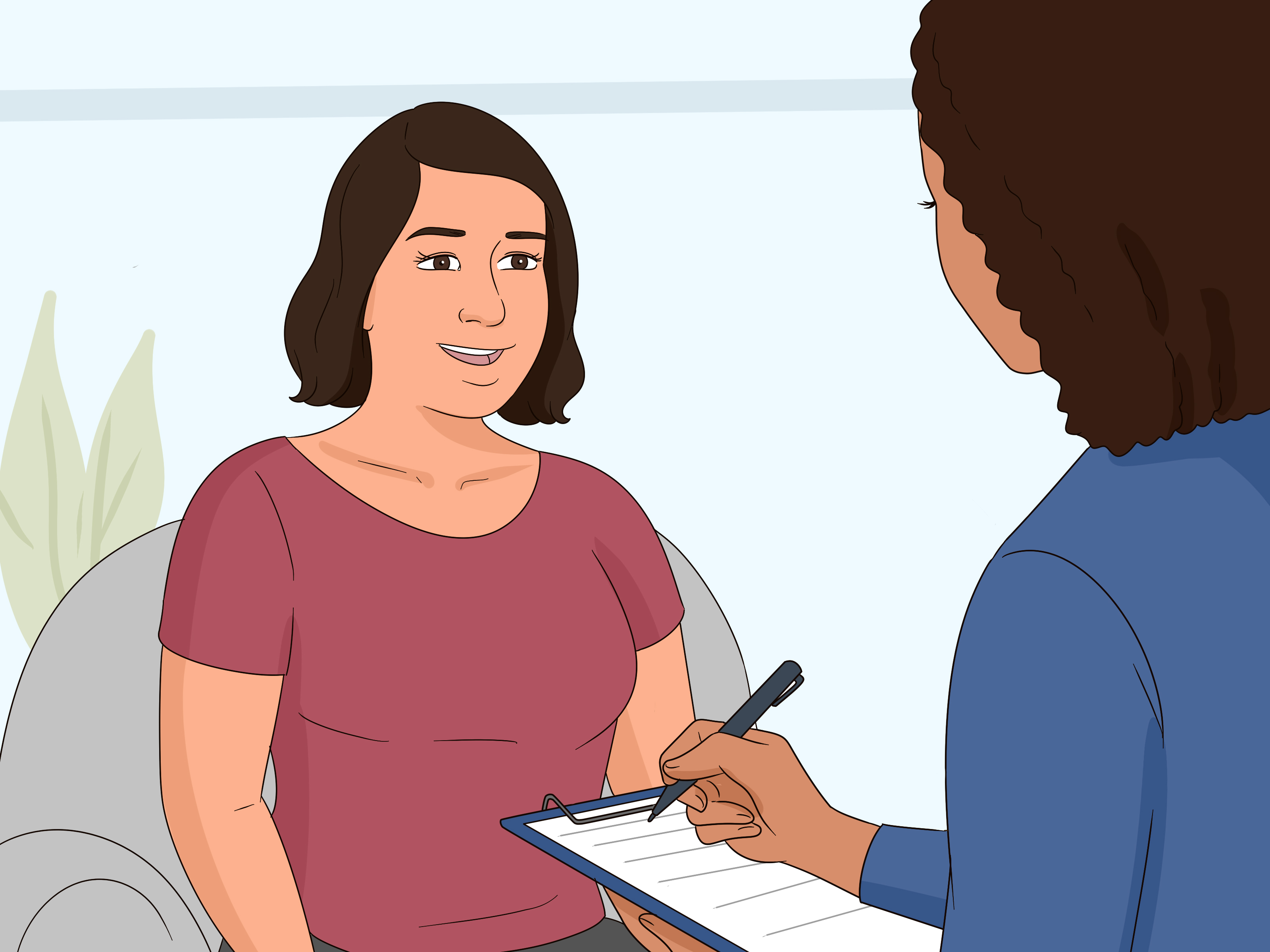
Couples counseling, family therapy, parenting classes, and stepfamily education can be extremely helpful. Seeking support does not mean the marriage is failing. It means the family is learning a harder dance than expected and could use better choreography.
When Adult Stepchildren Create Marriage Stress
Blended family challenges do not disappear when children turn 18. Adult stepchildren can also create tension, especially in later-life remarriages. Issues may include holiday expectations, inheritance fears, caregiving roles, family traditions, and discomfort with a parent’s new spouse.
An adult child may feel protective of a widowed or divorced parent. They may worry about money, property, or losing emotional closeness. Meanwhile, the new spouse may feel treated like an intruder instead of a partner.
The solution is not to demand instant acceptance. The married couple should set respectful boundaries while allowing relationships to develop. For example: “We understand this is an adjustment. We also expect everyone to speak respectfully in our home.” Kindness and firmness can live in the same sentence.
Realistic Expectations: The Secret Ingredient
Many blended family problems become worse because adults expect the family to bond too quickly. They imagine cozy movie nights, matching holiday pajamas, and children saying, “Thank you for bringing emotional stability into our lives.” Then reality arrives wearing muddy shoes.
A more realistic goal is not instant closeness. It is steady improvement. The first goal may be peaceful meals. Then respectful communication. Then small shared traditions. Then maybe, eventually, affection that does not feel forced.
Blended families often need time to find their identity. They are not broken because they are awkward at first. Awkward is normal. What matters is whether the adults keep showing up with patience, boundaries, and a sense of humor.
Practical Examples of Tough Blended Family Situations
Example 1: The child refuses to follow the stepparent’s rules
A 12-year-old refuses to clean their room when the stepfather asks. The stepfather gets angry, the mother defends the child, and the couple argues. A better approach: the mother privately agrees with her husband on the rule, then tells the child, “In our home, everyone handles their own room. If Mark reminds you, I expect you to respond respectfully. I will handle the consequence if you refuse.”
Example 2: The stepparent feels invisible
A stepmother spends time and money helping with school activities, but the children ignore her on Mother’s Day. Her spouse can validate her feelings without forcing the children into fake affection. He might say, “I see how much you do, and I appreciate you. I will also help the kids understand gratitude in this house.”
Example 3: The ex-spouse disrupts the home
An ex-partner frequently changes pickup times, causing stress for the new marriage. The biological parent should manage that communication directly and respectfully, using clear written agreements when possible. The new spouse should be informed, but not turned into the battlefield commander.
Can a Marriage Survive Stepchildren Problems?
Yes, a marriage can survive stepchildren problems, but survival should not be the only goal. The marriage can grow stronger when both partners stop blaming and start problem-solving.
The couple needs to say, “We are on the same team,” often enough that it becomes believable. They need private conversations, shared rules, realistic timelines, and compassion for everyone involved. The stepparent needs support. The biological parent needs understanding. The child needs structure and emotional safety.
No one wins when the household becomes a competition for love. A child should not have to fight for a parent’s attention. A spouse should not have to beg for basic respect. A stepparent should not be expected to give endlessly without appreciation. Healthy blended families make room for all of these truths.
Experience-Based Reflections: What Tough Blended Family Seasons Teach Couples
One of the most important lessons from blended family life is that feelings are not always facts, but they still need attention. A stepparent may feel hated when a child is distant. A child may feel replaced when a parent remarries. A biological parent may feel trapped between two people they love. None of those feelings tells the whole story, but ignoring them usually makes the story louder.
Couples who make it through difficult blended family seasons often learn to slow down their reactions. Instead of assuming disrespect is personal, they ask what is underneath it. Instead of turning every conflict into a marriage referendum, they separate the child’s behavior from the couple’s bond. They learn that a hard Tuesday does not mean the marriage was a mistake.
Another lesson is that the stepparent role requires unusual maturity. You may give care without immediate gratitude. You may be present at events where the child runs first to another parent. You may help create a stable home and still be told, “You are not family.” That hurts. But over time, consistent kindness can become part of the child’s emotional memory, even if they do not admit it while standing in the kitchen with earbuds in.
Biological parents also learn difficult lessons. Protecting a child does not mean protecting them from every boundary. Guilt is understandable after divorce or loss, but guilt should not become the family’s parenting plan. Children need love, but they also need limits. They need reassurance, but they also need to know that the new marriage deserves respect.
Many couples discover that private unity is more powerful than public correction. When spouses argue in front of the children about discipline, children feel the instability immediately. But when spouses discuss disagreements privately and return with a calm plan, the home feels safer. The couple does not have to agree on everything instantly. They simply need a process that protects both the marriage and the children.
Some blended family victories are tiny, and that is perfectly fine. A stepchild says thank you without sarcasm. A teenager stays at the dinner table for ten extra minutes. An adult child invites the new spouse to a holiday meal. A stepparent stops overexplaining and starts relaxing. These moments may not look dramatic, but they are bricks in the foundation.
The toughest seasons also teach couples to stop chasing the fantasy of a “normal” family. A blended family may always have multiple calendars, complicated holidays, and emotional weather that changes quickly. That does not make it inferior. It makes it different. Strong blended families are not built by pretending the past did not happen. They are built by honoring the past while creating new patterns in the present.
In the end, stepchildren do not have to ruin a marriage. But unresolved resentment can. Weak boundaries can. A lack of teamwork can. Silence can. The good news is that these are adult problems, which means adults have power to change them. With patience, clear expectations, counseling when needed, and a marriage that is protected rather than neglected, a blended family can become more than a difficult adjustment. It can become a home where love grows slowly, honestly, and with fewer dramatic hallway exits.
Conclusion
So, can stepchildren ruin a marriage? Not exactly. Stepchildren can challenge a marriage, expose weak communication, and intensify unresolved parenting differences. But they are not the root enemy of a healthy relationship. The real danger is when couples stop working as a team and start treating the child, the ex, or each other as the problem.
Blended family situations get tough because they involve real loss, real love, real loyalty conflicts, and real people who do not always adjust on schedule. A successful blended family needs patience, boundaries, realistic expectations, and a strong couple bond. It also needs adults who can say, “This is hard, but we are not giving up on each other.”
When the marriage becomes a safe, steady center, children have a better chance to adjust. The family may not look perfect, and it may never run like a sitcom. But with time and intention, it can become something better than perfect: honest, resilient, and deeply human.