Note: This article is for educational purposes only and is not a substitute for medical advice, diagnosis, or treatment. Anyone with symptoms of adrenal insufficiency, abnormal cortisol results, or medication questions should speak with a qualified healthcare professional.
The ACTH (cosyntropin) stimulation test may sound like something a spaceship technician runs before launch, but it is actually a practical medical test that helps doctors understand how well your adrenal glands respond under pressure. In this case, the “pressure” comes from cosyntropin, a synthetic form of ACTH, the hormone that tells your adrenal glands to produce cortisol.
Cortisol is often called the “stress hormone,” which makes it sound like the body’s tiny internal drama coach. But cortisol does much more than react to stress. It helps regulate blood pressure, blood sugar, inflammation, immune function, energy use, and the body’s response to illness. When cortisol levels are too low, a person may feel exhausted, weak, dizzy, nauseated, or generally like their battery has been stuck at 4% for weeks.
The ACTH stimulation test is commonly used when a healthcare provider suspects adrenal insufficiency, including primary adrenal insufficiency, also known as Addison disease, or secondary adrenal insufficiency related to pituitary or hypothalamic problems. It can also help evaluate adrenal suppression in people who have used glucocorticoid medications. The test is not flashy, but it gives doctors valuable clues about a very important hormone system.
What Is an ACTH (Cosyntropin) Stimulation Test?
An ACTH stimulation test, also called a cosyntropin stimulation test or Cortrosyn stimulation test, measures how much cortisol your adrenal glands make before and after receiving cosyntropin. Cosyntropin acts like ACTH, the natural hormone made by the pituitary gland. ACTH’s job is to signal the adrenal cortex, the outer part of the adrenal glands, to produce cortisol.
The basic idea is simple: first, a blood sample is taken to measure baseline cortisol. Then cosyntropin is given, usually by injection. Additional blood samples are collected after a set amount of time, commonly at 30 minutes and/or 60 minutes. If the adrenal glands are healthy and responsive, cortisol should rise after the injection. If cortisol does not rise enough, that may suggest adrenal insufficiency or another issue in the hypothalamic-pituitary-adrenal axis.
The test is called a “dynamic” test because it checks how the body responds to stimulation rather than measuring only a single hormone level. A one-time cortisol measurement can be useful, especially early in the morning, but cortisol naturally changes throughout the day. The stimulation test gives doctors a better look at whether the adrenal glands can do their job when called into action.
Why Doctors Order the ACTH Stimulation Test
Healthcare providers may order an ACTH stimulation test when symptoms, medical history, or previous lab results suggest that cortisol production may be too low. Low cortisol can be hard to spot because its symptoms overlap with many everyday problems. Feeling tired could mean poor sleep, stress, anemia, thyroid disease, depression, infection, or a dozen other things. The adrenal glands do not exactly send a polite calendar invite when they are struggling.
Doctors may consider this test if a person has ongoing fatigue, muscle weakness, unexplained weight loss, low blood pressure, dizziness when standing, nausea, vomiting, abdominal discomfort, salt craving, low blood sugar, or darkening of the skin. In some cases, abnormal sodium or potassium levels may raise concern. The test may also be used after abnormal morning cortisol results or when a person has risk factors for adrenal suppression.
Primary Adrenal Insufficiency
Primary adrenal insufficiency happens when the adrenal glands themselves cannot make enough cortisol. Addison disease is the classic example. In many cases, the immune system damages the adrenal cortex. Other causes may include infections, bleeding into the adrenal glands, genetic conditions, certain medications, or adrenal gland disorders. In primary adrenal insufficiency, ACTH levels are often high because the pituitary keeps sending stronger signals, but the adrenal glands cannot respond properly.
Secondary and Tertiary Adrenal Insufficiency
Secondary adrenal insufficiency happens when the pituitary gland does not produce enough ACTH. Tertiary adrenal insufficiency involves the hypothalamus, which controls pituitary ACTH release. These conditions may occur after pituitary disease, brain surgery, radiation, tumors, or long-term use of glucocorticoid medications such as prednisone. When the adrenal glands do not receive enough ACTH stimulation over time, they may become less responsive.
How the Test Works
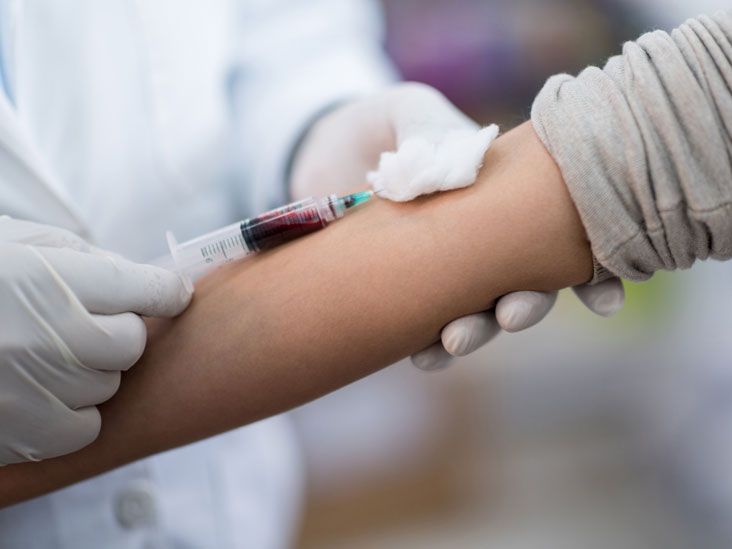
The standard ACTH stimulation test usually follows a straightforward process. The healthcare team draws a baseline blood sample to measure cortisol, and sometimes ACTH. Then cosyntropin is injected into a vein or muscle. After the injection, blood is collected again at specific time points, often 30 and 60 minutes later. The lab measures cortisol in each sample to see whether the level rises appropriately.
Many protocols use a standard 250 microgram dose of cosyntropin. Some specialists may use a low-dose version in selected situations, particularly when evaluating certain types of secondary adrenal insufficiency. However, the standard-dose test remains widely used because it is practical, familiar, and supported by long clinical experience.
The entire visit may take about one to two hours, depending on the clinic’s protocol. The blood draws are usually the most noticeable part. The cosyntropin injection may cause brief discomfort, but many people tolerate the test well. It is not usually a painful or complicated procedure. In other words, the test is more “waiting room patience challenge” than medical obstacle course.
How to Prepare for an ACTH Stimulation Test
Preparation depends on the reason for the test and the medications a person takes. Some healthcare providers schedule the test in the morning because cortisol is normally highest early in the day. Others may provide specific timing instructions based on the patient’s situation.
It is important to tell the healthcare team about all prescription medications, over-the-counter medicines, inhalers, creams, supplements, and recent steroid use. Glucocorticoids can affect cortisol testing, and some medications may need to be adjusted or held before the test. However, patients should never stop steroid medication on their own. Suddenly stopping steroids can be dangerous, especially if the body has become dependent on them.
People should also mention pregnancy, acute illness, recent surgery, pituitary disease, adrenal disease, or any prior abnormal endocrine test results. The more context the clinician has, the better the results can be interpreted. Lab values do not live in a vacuum; they live in the same messy real world as symptoms, medications, sleep schedules, and stress.
What Happens During the Test?
On the day of the test, a patient usually checks in at a clinic, hospital lab, or endocrine testing center. A nurse or phlebotomist may place an IV line if multiple blood samples are needed. The first blood draw measures baseline cortisol. In some protocols, baseline ACTH is also measured before cosyntropin is given.
Next, the patient receives cosyntropin. After that, the clock starts. Blood samples are collected at the required intervals, commonly 30 minutes and 60 minutes after the injection. During the waiting period, patients may sit, read, scroll through their phone, or silently judge the waiting room magazines from 2017.
After the final blood draw, the IV is removed if one was placed, and the patient can usually leave. Most people can return to normal activities right away unless their clinician gives different instructions. The samples are sent to the lab, and results may be available later the same day or within a few days, depending on the facility.
Understanding ACTH Stimulation Test Results
ACTH stimulation test results are interpreted by comparing baseline cortisol with cortisol levels after cosyntropin. A normal result generally means the adrenal glands produced an adequate rise in cortisol. An abnormal result may suggest that the adrenal glands did not respond strongly enough.
Historically, many references used a peak cortisol level around 18 micrograms per deciliter as a common cutoff for an adequate response. However, cortisol cutoffs may vary depending on the laboratory method, assay type, and institutional reference ranges. Some newer cortisol assays produce lower values than older assays, so a cutoff that once seemed universal may not fit every lab report today. This is why patients should avoid interpreting results by comparing numbers from random internet charts. The internet is many things; your endocrinologist’s lab manual is not usually one of them.
Doctors interpret the test alongside symptoms, ACTH levels, electrolyte results, renin and aldosterone tests when needed, medication history, and imaging or pituitary testing in selected cases. A low cortisol response does not always answer every question by itself. It often points doctors toward the next step.
Possible Result Patterns
If baseline cortisol is low and cortisol fails to rise adequately after cosyntropin, adrenal insufficiency becomes more likely. If ACTH is high, primary adrenal insufficiency may be suspected. If ACTH is low or inappropriately normal, secondary or tertiary adrenal insufficiency may be considered.
If cortisol rises appropriately, primary adrenal insufficiency is less likely. However, early secondary adrenal insufficiency can sometimes be more difficult to detect because the adrenal glands may still respond to cosyntropin before they have had time to shrink from lack of ACTH stimulation. In complex cases, endocrinologists may recommend additional testing.
ACTH Blood Test vs. ACTH Stimulation Test
The ACTH blood test and the ACTH stimulation test sound similar, but they answer different questions. An ACTH blood test measures the amount of ACTH circulating in the blood. It helps determine whether the pituitary is sending too much, too little, or an appropriate amount of signal to the adrenal glands.
The ACTH stimulation test measures how the adrenal glands respond after receiving synthetic ACTH. In simple terms, the ACTH blood test asks, “How loud is the pituitary calling?” The stimulation test asks, “When the adrenal glands get the call, do they answer?” Both tests may be useful, especially when doctors are trying to distinguish primary adrenal insufficiency from pituitary-related causes.
Risks and Side Effects
The ACTH stimulation test is generally considered safe. The most common issues are minor discomfort, bruising, or lightheadedness from the blood draws. Some people may feel briefly flushed, warm, or mildly uncomfortable after the injection, but serious reactions are uncommon.
People who have a history of fainting during blood tests should tell the healthcare team in advance. Lying down during the blood draw, drinking water if allowed, and looking away from the needle can help. There is no prize for watching every second of a blood draw like it is the season finale of a medical drama.
Limitations of the Test
Like many medical tests, the ACTH stimulation test is useful but not perfect. Results can be affected by timing, cortisol-binding proteins, pregnancy, estrogen therapy, critical illness, recent steroid use, lab assay differences, and the stage of adrenal or pituitary disease. For example, a person with very recent pituitary injury may still have adrenal glands that respond normally to cosyntropin, even though ACTH production is impaired.
Another limitation is that different labs may use different cortisol assays and reference ranges. A result that looks borderline in one setting may need careful interpretation in another. This is why the final answer should come from a clinician who understands the testing method and the patient’s full clinical picture.
Conditions Related to Abnormal Results
An abnormal ACTH stimulation test may be associated with several conditions. The most familiar is Addison disease, a form of primary adrenal insufficiency. Other causes include adrenal damage from infection, bleeding, autoimmune disease, genetic enzyme problems, adrenal surgery, or medications that interfere with cortisol production.
Secondary or tertiary adrenal insufficiency may be linked to pituitary tumors, pituitary surgery, radiation therapy, traumatic brain injury, hypothalamic disease, or long-term glucocorticoid use. In some cases, the test may be part of a broader workup for adrenal steroid biosynthesis disorders, including congenital adrenal hyperplasia.
What Happens After Abnormal Results?
If results suggest adrenal insufficiency, the next step depends on the suspected cause. Doctors may order additional blood tests, such as ACTH, renin, aldosterone, electrolytes, adrenal antibodies, or pituitary hormones. Imaging studies may be needed in selected cases. Treatment may include hormone replacement with glucocorticoids and, in primary adrenal insufficiency, sometimes mineralocorticoid replacement.
People diagnosed with adrenal insufficiency are often taught how to adjust medication during illness, injury, or surgery. They may also be advised to carry medical identification and emergency steroid instructions. This part matters because adrenal insufficiency can become serious during physical stress if the body cannot produce enough cortisol.
Patient Experience: What the ACTH Stimulation Test Feels Like
For many patients, the most stressful part of the ACTH stimulation test is not the test itself; it is the uncertainty before it. People often arrive after weeks or months of fatigue, dizziness, nausea, low blood pressure, or confusing lab results. By the time an endocrinologist orders the test, the patient may already feel like their body has been running an operating system update that never finishes.
A typical experience begins with early-morning scheduling. The patient may be asked to arrive at a lab or infusion center before breakfast or before taking certain medications, depending on the clinician’s instructions. This can feel inconvenient, especially for someone already dealing with low energy. Still, morning testing can be useful because cortisol follows a daily rhythm, usually peaking earlier in the day.
Once checked in, the patient may meet a nurse who explains the timing of the blood draws. If an IV line is placed, it can reduce the need for repeated needle sticks. Some people find the IV mildly uncomfortable at first, but it often makes the rest of the test easier. The baseline blood sample is collected first. Then cosyntropin is administered. After that, the patient waits for the scheduled follow-up samples.
The waiting period can feel oddly uneventful. Patients sometimes expect a dramatic reaction after cosyntropin, but many feel little or nothing. Some may notice mild warmth, a strange taste, brief flushing, or no sensation at all. The medical team monitors the process, but for most people, the experience is calm. Bring a book, headphones, or a fully charged phone. This is not the moment to discover your battery is at 2% and your charger is living its best life at home.
Emotionally, the test can bring mixed feelings. Some patients hope for a normal result because nobody wants a hormone disorder. Others hope the test finds something because they are tired of being told that “everything looks fine” when they definitely do not feel fine. Both reactions are understandable. A normal result can be reassuring, while an abnormal result can finally point toward treatment. Either way, the test helps move the diagnostic process forward.
After the final blood draw, most patients can go home or return to regular activities. If they were told to delay medication until after the test, they should follow their clinician’s instructions about when to restart it. Mild bruising at the blood draw site can happen. Drinking fluids and eating afterward may help people who feel lightheaded from fasting or blood draws.
When results come back, patients should review them with the ordering clinician rather than relying only on the lab portal. Seeing numbers without context can be stressful. Cortisol cutoffs vary, and the interpretation may depend on the assay, medication history, ACTH level, symptoms, and timing. A value that looks “almost normal” may need follow-up, while a value that looks alarming online may be expected under a particular protocol.
The best patient experience comes from preparation: ask which medications to take or hold, confirm whether fasting is required, bring a list of steroid exposures including pills, injections, inhalers, creams, and joint shots, and ask when results will be discussed. The ACTH stimulation test is not a magic wand, but it is a useful flashlight. It helps illuminate whether the adrenal glands can respond when the body needs cortisol most.
Conclusion
The ACTH (cosyntropin) stimulation test is one of the most important tools for evaluating adrenal gland function and possible adrenal insufficiency. By measuring cortisol before and after cosyntropin, the test helps doctors determine whether the adrenal glands can respond appropriately to ACTH stimulation. It is commonly used when symptoms, morning cortisol results, medication history, or pituitary-adrenal concerns raise suspicion.
Although the procedure is usually simple, the interpretation can be nuanced. Cortisol thresholds vary by laboratory method, and results must be understood in the context of symptoms, medications, ACTH levels, and the patient’s overall health. For anyone facing the test, the best approach is to follow preparation instructions carefully, ask questions, and review results with a healthcare provider who understands endocrine testing. The adrenal glands may be small, but when they are not working well, they can make a very big fuss.