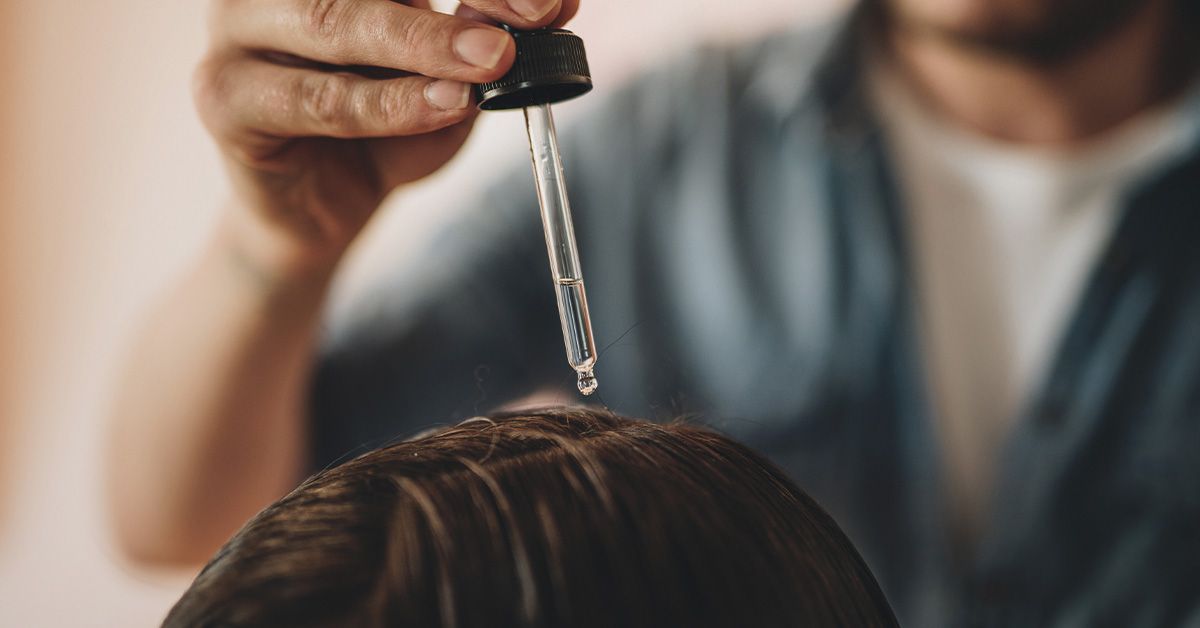
If your scalp has been acting dramatic latelyitchy, flaky, oily, dry, or somehow all four before lunchyou may have stumbled across arnica oil while searching for a natural fix. It gets marketed as everything from a soothing scalp treatment to a shine booster to a possible helper for thinning hair. That is a lot of responsibility for one little botanical.
So, does arnica oil actually deserve shelf space next to your shampoo, scalp scrub, and the six half-used serums currently living in your bathroom cabinet? The honest answer is: maybe, but with some important fine print.
Arnica has a long history in topical products for bruising, soreness, and swelling. In hair care, the logic is more indirect. If it helps calm irritation and keeps the scalp more comfortable, it may support a healthier environment for hair. But that is very different from saying it is a proven hair-growth treatment. And yes, that distinction matters.
Here is what arnica oil may do for your scalp and hair, what side effects to watch for, and how to use it without turning “natural hair care” into “why is my scalp yelling at me?”
What Is Arnica Oil, Exactly?
Arnica usually refers to Arnica montana, a flowering plant in the same big plant family as daisies, marigolds, chrysanthemums, and ragweed. In topical wellness products, arnica appears in creams, gels, salves, and oils. For hair care, you will usually see it sold as an infused oil or as one ingredient in a scalp oil blend.
That “oil” part can be a little confusing. Arnica itself is not typically a classic essential oil in the way tea tree or rosemary is discussed. Many arnica hair products are made by infusing arnica flower extract into a carrier oil such as sunflower, olive, jojoba, or another plant oil. Translation: when you buy arnica oil for hair, you are usually getting arnica plus a moisturizing base.
That matters because some of the benefits people notice may come from the whole formula, not from arnica alone. In other words, your scalp may be loving the massage and the carrier oil just as much as the arnica. Hair care is rude like that. It rarely gives one ingredient all the credit.
Potential Benefits of Arnica Oil for Hair and Scalp
1. It may help calm scalp irritation
This is the most believable claim. Arnica is known for anti-inflammatory activity in topical products, and that is why it has been used for bruises, aches, and swelling. In hair care, that has led to the idea that it may help soothe a scalp that feels irritated, tight, or mildly inflamed.
If your scalp gets itchy from dryness, product buildup, over-washing, or harsh styling products, a diluted arnica oil blend may feel comforting. Some people describe the scalp feeling less “angry” after using it. That does not mean arnica treats the underlying cause of every itchy scalp. It just means it may take the edge off in some situations.
Important reality check: if your scalp is intensely itchy, painful, patchy, oozing, or developing sores, you need more than a trendy bottle with a dropper. Conditions like fungal infection, psoriasis, seborrheic dermatitis, or inflammatory hair loss need proper diagnosis.
2. It may help with dry scalp and flaking
Arnica oil is often marketed for dandruff, but the better way to frame it is this: it may help with a dry, uncomfortable scalp, especially when used in a moisturizing oil blend. If flakes are related to dryness or irritation, adding gentle moisture before shampooing can make the scalp feel softer and less tight.
That said, true dandruff and seborrheic dermatitis often respond better to medicated shampoos and proven scalp treatments than to oils alone. In some people, too much oil can even make flakes seem worse. So if your scalp already gets greasy fast, use caution before going full oil-barrel chic.
3. It may support a healthier scalp environment for hair
Healthy hair starts at the scalp. When the scalp is less irritated, less dry, and less coated in leftover styling product, hair often looks better overall. That is one reason arnica gets discussed in hair-loss conversations. The theory is not that arnica magically wakes up sleepy follicles with a trumpet blast. The theory is that a calmer scalp may be a better place for hair to grow and stay anchored.
That theory is reasonable. The evidence that arnica itself regrows hair, however, is not strong. Research directly linking arnica oil to new hair growth is limited, and the best current summary is that the benefit is still more hypothetical than proven.
4. It may make hair look shinier and feel softer
This is the least controversial benefit. Any well-formulated oil blend can smooth the hair shaft, reduce friction, and add shine. If your arnica oil contains nourishing carrier oils, your strands may look glossier and feel less brittle after use. That does not mean the hair has been medically transformed. It means oil is doing what oil often does: helping rough, thirsty hair behave a little better.
If your hair is dry from coloring, heat styling, or aggressive brushing, using a tiny amount on the mid-lengths and ends may improve softness and reduce that haystack energy nobody asked for.
5. It may reduce breakage indirectly
When hair is better lubricated and the scalp is less irritated, you may end up with less shedding from breakage and less compulsive scratching. Again, this is not the same thing as treating medical hair loss. But it can make hair look fuller over time simply because fewer strands are getting roughed up by daily life.
What Arnica Oil Probably Cannot Do
Let’s keep the halo at a reasonable size.
Arnica oil is not a proven cure for hereditary hair loss, hormonal shedding, scarring alopecia, thyroid-related hair changes, nutrient deficiencies, or major scalp disease. It should not replace evidence-based treatment if you have sudden shedding, patchy loss, scalp pain, redness, pustules, or visible thinning that is getting worse.
If a product promises that arnica alone will dramatically regrow hair, reverse grays, erase dandruff, and restore your hairline to its middle-school glory, back away slowly. Marketing copy can be very confident. Biology is usually more humble.
Side Effects of Arnica Oil for Hair
Skin irritation and allergic reactions
This is the biggest issue. Arnica can cause contact dermatitis, itching, burning, rash, redness, dryness, or swellingespecially in people who are sensitive to plants in the daisy family. If you are allergic to ragweed, chrysanthemums, marigolds, daisies, or similar plants, arnica is not a casual experiment. Your scalp may object loudly.
Problems on broken or very irritated skin
Do not apply arnica oil to broken skin, open sores, scratched-up patches, or areas that are raw from over-scrubbing. A scalp that is already damaged is more likely to sting, react, and become even more irritated.
Interaction and safety concerns
Arnica is generally discussed as a topical product, but safety still matters. If you are pregnant, breastfeeding, taking blood thinners, managing a bleeding disorder, or using multiple herbal products, talk with a clinician before using it. Oral or non-diluted arnica products are a different safety category altogether and should not be treated like a harmless beauty snack. They are not.
Overuse
Using too much too often can backfire. A scalp that feels coated, greasy, or irritated is not thriving. Start low, go slow, and resist the urge to assume that if a little is good, half the bottle must be life-changing.
How to Use Arnica Oil for Hair Safely
Step 1: Patch test like a responsible adult
Before putting anything new on your scalp, patch test it. Apply a small amount to the inside of your arm or behind the ear and monitor the area for several days. If you notice redness, itching, swelling, or burning, do not move forward. Your scalp has already submitted its opinion in writing.
Step 2: Choose a diluted product
Look for a product specifically labeled for topical use and hair or scalp application. A ready-made blend is often safer than improvising with a highly concentrated extract. If you are mixing your own, dilute arnica in a carrier oil and keep the formula simple. The more ingredients you add, the harder it becomes to know what caused a reaction.
Step 3: Use it as a pre-shampoo scalp treatment
A practical way to start is with a small amount on the scalp 15 to 30 minutes before washing. Massage gently with fingertips, not nails. Then shampoo thoroughly. This approach lets you get the conditioning and soothing effect without leaving oil sitting on the scalp all day if your skin is sensitive or oily.
Step 4: Use a tiny amount on dry ends if needed
If your hair is dry or frizzy, rub one or two drops between your palms and smooth it over the ends. Keep it away from the roots unless your scalp tolerates oils well. Nobody enjoys spending the day looking accidentally deep-fried.
Step 5: Keep frequency modest
Start with once or twice a week. More is not automatically better. If your scalp feels calmer and your hair likes it, you can continue. If you notice more itching, buildup, or greasiness, scale back or stop.
Who Should Skip Arnica Oil for Hair?
Arnica oil is probably not the best match for everyone. Skip it or get medical guidance first if:
- You have a ragweed or daisy-family allergy.
- You have eczema, psoriasis, open sores, or broken skin on the scalp.
- You are pregnant or breastfeeding.
- You take blood thinners or have a bleeding disorder.
- You have sudden hair loss, bald patches, scalp pain, or signs of infection.
- You have a very oily scalp and most leave-in oils make things worse.
When to See a Dermatologist Instead of Playing Ingredient Roulette
Natural products can be part of a routine, but they are not substitutes for diagnosis. Book a dermatologist if you notice rapid shedding, patchy loss, visible scalp inflammation, scaly bald spots, pustules, tenderness, or itching that does not improve. Hair loss can be triggered by hormones, thyroid issues, nutritional problems, autoimmune conditions, infections, stress, and inflammatory scalp disorders. A bottle of arnica oil cannot sort out that mystery by itself.
You should also get help if your “dry scalp” is not actually dry scalp. Flakes can come from seborrheic dermatitis, psoriasis, allergic reactions, or fungal infection. Those situations need targeted treatment, not just a prettier oil blend and a hopeful playlist.
Experiences People Commonly Report With Arnica Oil for Hair
The most useful way to talk about “experiences” with arnica oil is to keep them realistic. People do try it, and they do talk about it, but those stories are not the same as clinical proof. Think of them as patterns, not promises.
One common experience is that the scalp feels calmer after a gentle pre-shampoo massage. People who deal with mild dryness or that annoying “my scalp feels tight for no reason” sensation often say the oil makes their head feel more comfortable, especially in dry weather or after over-washing. The effect is usually described as soothing rather than dramatic. No fireworks. No cinematic hair flip in slow motion. Just less irritation.
Another thing people notice is improved softness and shine, especially if their arnica product is blended with a nourishing carrier oil. In those cases, the hair may look smoother after washing, feel less rough on the ends, and tangle a little less. That is not surprising. Hair tends to respond well when it is treated gently and not stripped to the point of emotional collapse.
Some people also report that a scalp massage with arnica oil becomes part of a better routine overall. They start washing more consistently, scrubbing less aggressively, and paying attention to how products affect their scalp. Sometimes the “benefit” is not just the oil itself. It is the fact that the person becomes more deliberate and less chaotic with hair care. Biology loves consistency, even when beauty marketing loves drama.
On the flip side, not every experience is a love story. Some users report that arnica products sting, burn, or make the scalp itch more. This is especially true for sensitive skin, allergy-prone users, or anyone applying the product to skin that is already irritated. Others find that oils simply weigh their hair down and make the roots look greasy faster. If your scalp gets oily by noon and your bangs already look like they know secrets, a heavy oil may not be your best friend.
There is also the group of people who try arnica oil hoping for obvious hair regrowth and come away underwhelmed. That response makes sense. If thinning hair is related to genetics, hormones, inflammation, or a medical condition, an herbal oil may not do much on its own. Some people may notice reduced breakage or better scalp comfort, but that is different from watching new growth appear like a lawn after spring rain.
The best expectation is modest: arnica oil may help some people create a calmer, more comfortable scalp routine, and that can translate into healthier-looking hair. But it is not the hair-care equivalent of a fairy godmother. It is more like a polite supporting character. Helpful in the right routine, forgettable in the wrong one, and absolutely not someone you want freelancing on broken skin.
The Bottom Line
Arnica oil for hair sits in an interesting middle ground. It is not nonsense, but it is not a miracle either. Its strongest potential benefit is likely scalp comfort: soothing mild irritation, supporting moisture, and helping hair look healthier when used in a thoughtful routine. Those are useful benefits. They are just not the same as clinically proven hair regrowth.
If you want to try arnica oil, do it with low expectations and good technique. Patch test first, use a diluted topical product, start slowly, and stop if your scalp reacts. If your main concern is persistent dandruff, scalp pain, or real hair loss, let a dermatologist take the wheel.
In other words: arnica oil may deserve a spot in your hair routine, but probably not the throne.