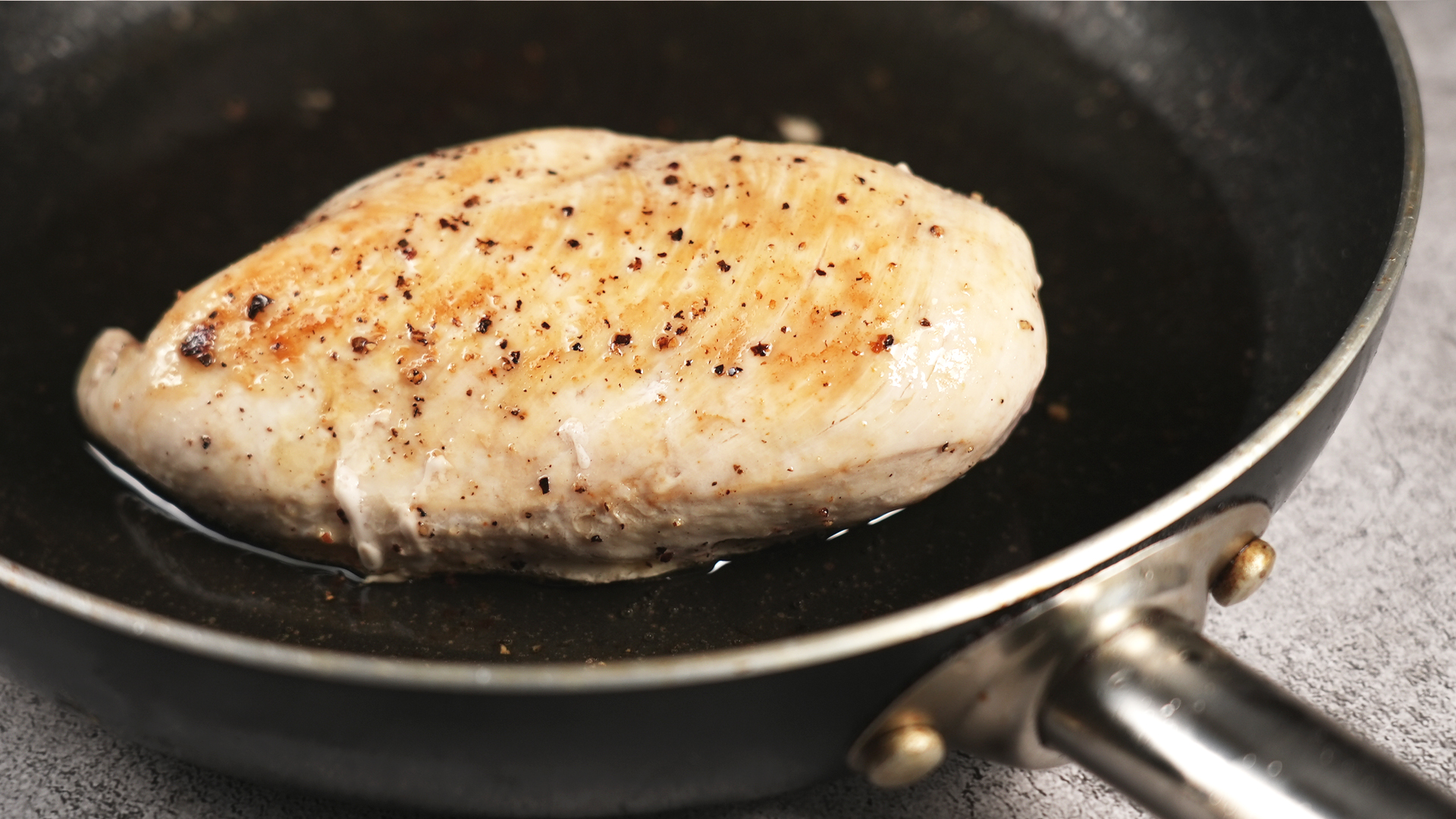
Feeling hungry is normal. Feeling hungry five minutes after lunch, after finishing a full dinner, or while standing in front of the refrigerator like it owes you answers? That is a little more complicated. Constant hunger can be frustrating, distracting, and honestly rude. You feed your body, and it immediately sends another snack request like a tiny office manager with a clipboard.
The good news is that being always hungry does not automatically mean something is “wrong” with you. Appetite is influenced by what you eat, how you sleep, how stressed you are, how hydrated you feel, how active you are, and sometimes by medical conditions or medications. In many cases, small adjustments to meals and daily habits can make hunger feel more predictable and less like a dramatic soap opera.
Below are eight common reasons you may feel hungry all the time, plus practical ways to feel more satisfied without turning eating into a full-time math assignment.
1. You’re Not Eating Enough Protein
Protein is one of the most filling nutrients because it takes time to digest and helps support steady energy. If your breakfast is mostly toast, sugary cereal, or a muffin the size of a throw pillow, you may feel satisfied for a moment and then hungry again before your inbox even finishes loading.
A low-protein meal can leave your body asking for more food because it has not received enough of the building blocks it needs for muscles, hormones, enzymes, and daily repair. This does not mean every meal has to look like a bodybuilder’s lunchbox. It simply means that adding a reliable protein source can help meals last longer.
What it can look like
You eat a bowl of cereal at 8 a.m., feel fine at first, and by 10 a.m. you are hunting for crackers, cookies, or whatever mysterious snack is hiding in the bottom drawer.
What to try
Add eggs, Greek yogurt, cottage cheese, tofu, beans, lentils, chicken, fish, turkey, edamame, or nut butter to meals. A balanced breakfast might be Greek yogurt with berries and oats, scrambled eggs with whole-grain toast, or a tofu scramble with vegetables. The goal is not perfection; it is giving your meal some staying power.
2. Your Meals Are Low in Fiber
Fiber is the quiet hero of fullness. It adds bulk, slows digestion, supports gut health, and helps make meals feel more substantial. Unfortunately, many quick meals are built around refined carbohydrates that have been stripped of much of their natural fiber. White bread, pastries, chips, candy, and sugary drinks may taste great, but they often do not keep hunger away for long.
When a meal lacks fiber, your body may digest it quickly, causing energy to rise and fall fast. That fast drop can feel like hunger, cravings, or the sudden belief that a second lunch is not only reasonable but emotionally necessary.
What it can look like
You eat a plate of plain pasta or a bagel with nothing else, then feel hungry again soon after. You are not imagining it. The meal may simply need more fiber and balance.
What to try
Build meals around fiber-rich foods such as vegetables, fruits, beans, lentils, oats, chia seeds, brown rice, quinoa, whole-grain bread, and potatoes with the skin. A simple upgrade could be adding black beans and salsa to rice, tossing vegetables into pasta, or pairing an apple with peanut butter instead of eating a sweet snack by itself.
3. You’re Drinking Your Calories Instead of Eating Satisfying Food
Smoothies, sweet coffee drinks, soda, juice, energy drinks, and sweet tea can add a lot of calories without the same fullness you might get from chewing a balanced meal. Liquid calories can move through the stomach faster, and sugary drinks may create a quick burst of energy followed by a crash that feels like hunger.
This does not mean smoothies are bad or coffee is the villain. Coffee has enough drama already. The issue is when drinks replace meals or when sweet beverages are consumed throughout the day without enough protein, fiber, and healthy fats from food.
What it can look like
You start the day with a large sweetened coffee, skip breakfast, then feel shaky, hungry, or snacky before lunch. Later, a soda or juice gives you a quick lift, but the hunger comes back wearing tap shoes.
What to try
Choose water more often, keep sweet drinks occasional, and make smoothies more filling by adding protein and fiber. For example, blend Greek yogurt or soy milk with berries, spinach, oats, and a spoonful of nut butter. If you enjoy coffee, consider pairing it with a real breakfast instead of asking caffeine to do the work of an entire meal.
4. You’re Not Getting Enough Healthy Fat
Fat has been unfairly blamed for many food problems over the years, but healthy fats are important for satiety. Meals that are extremely low in fat can feel incomplete, even when they contain plenty of carbohydrates. Fat slows digestion and helps food feel satisfying.
The key is choosing mostly unsaturated fats and using them in reasonable portions. You do not need to turn every salad into an oil slick. A little avocado, nuts, seeds, olive oil, or fatty fish can make a meal feel much more complete.
What it can look like
You eat a big salad with lettuce, cucumber, and a tiny splash of dressing. It looks virtuous. It also leaves you hungry 45 minutes later because it was basically crunchy water wearing a leaf costume.
What to try
Add avocado to grain bowls, sprinkle seeds on yogurt, use olive oil-based dressing on salads, snack on nuts with fruit, or include salmon, sardines, or tuna in meals if you eat fish. A satisfying salad might include greens, chickpeas, chicken or tofu, roasted sweet potato, pumpkin seeds, and dressing.
5. You’re Dehydrated
Thirst and hunger can feel surprisingly similar. When you are mildly dehydrated, you may feel tired, unfocused, headachy, or snacky. Your body might be asking for fluids, but your brain may interpret the signal as “go find pretzels immediately.”
Dehydration is especially common when you are busy, sweating, drinking a lot of caffeine, eating salty foods, or simply forgetting that water exists until 5 p.m.
What it can look like
You feel hungry, but nothing sounds quite right. You snack, but the craving does not really go away. Then you drink water and realize your body was not asking for chips; it was asking for basic maintenance.
What to try
Keep water nearby, drink with meals, and pay attention to signs like dry mouth, dark yellow urine, headaches, and fatigue. You can also hydrate with foods such as oranges, melon, cucumbers, soups, yogurt, and smoothies. If plain water bores you, add lemon, berries, mint, or cucumber.
6. You’re Not Sleeping Enough
Poor sleep can make hunger louder. Sleep affects hormones involved in appetite, including ghrelin, which helps stimulate hunger, and leptin, which helps signal fullness. When sleep is short or low-quality, cravings can increase, especially for quick-energy foods like sweets, refined carbs, and salty snacks.
This is why a tired brain often wants cookies, not steamed broccoli. Broccoli is lovely, but it rarely feels like emotional support after a terrible night of sleep.
What it can look like
After staying up too late, you wake up craving something sweet, snack more often, and feel less satisfied after meals. You may also have less energy to cook, which makes convenient foods more tempting.
What to try
Aim for a consistent sleep schedule, reduce screen time close to bed, keep your room cool and dark, and avoid using caffeine late in the day. If sleep problems are frequent, loud snoring is present, or you wake up exhausted despite spending enough time in bed, it may be worth discussing with a healthcare professional.
7. Stress Is Messing With Your Appetite
Stress can affect hunger in different ways. Some people lose their appetite when stressed. Others feel hungrier, especially for comfort foods. Stress can increase cravings and make it harder to notice fullness cues, particularly if eating becomes a way to cope with pressure, boredom, sadness, or overwhelm.
Emotional hunger often feels urgent. Physical hunger usually builds gradually. Emotional hunger may say, “Only fries will fix this.” Physical hunger is usually more flexible and would accept a normal meal without filing a complaint.
What it can look like
You eat a balanced dinner, but after a stressful argument or long workday, you feel an intense urge to snack. The hunger may be real, emotional, or a mix of both.
What to try
Before snacking, pause and ask: “Am I physically hungry, emotionally drained, bored, or tired?” If you are hungry, eat. If you are stressed, try a short walk, breathing exercise, shower, journal entry, music break, or quick call with a friend. You can still enjoy comfort food, but it helps when it is a choice rather than an automatic stress reflex.
8. A Medical Condition or Medication May Be Involved
Sometimes constant hunger is not just about meal balance or lifestyle. Increased appetite can be linked with health conditions such as diabetes, hyperthyroidism, low blood sugar episodes, certain mental health conditions, and hormonal changes. Some medications may also affect appetite.
This does not mean you should panic every time you want an extra snack. Appetite naturally changes from day to day. However, sudden or extreme hunger deserves attention, especially when it appears with other symptoms.
Signs to take seriously
Talk with a healthcare professional if constant hunger comes with increased thirst, frequent urination, unexplained weight change, fatigue, shakiness, rapid heartbeat, sweating, anxiety, blurry vision, or hunger that feels intense and unusual for you.
What to try
Keep a simple record for a week: meals, snacks, sleep, stress, exercise, thirst, and symptoms. This can help you spot patterns and give your healthcare provider useful details. Do not stop or change medications without professional guidance.
How to Build Meals That Keep You Full Longer
If you are always hungry, start by looking at meal structure. A satisfying plate usually includes protein, fiber-rich carbohydrates, colorful produce, and healthy fat. This combination helps support steady energy and makes meals feel complete.
A simple fullness formula
Try building meals with one protein, one high-fiber carbohydrate, one or two fruits or vegetables, and one source of healthy fat. For example, a lunch bowl could include grilled chicken or tofu, brown rice, roasted vegetables, black beans, salsa, and avocado. A breakfast could include oatmeal with Greek yogurt, berries, chia seeds, and walnuts.
You do not need to track every gram of food to improve hunger. In many cases, you only need to stop building meals that disappear from your stomach faster than a phone charger in a shared house.
Smart Snacks for Real Hunger
Snacks are not the enemy. A thoughtful snack can prevent you from reaching dinner so hungry that you start considering whether the wooden spoon counts as an appetizer. The most satisfying snacks usually pair protein or fat with fiber.
Filling snack ideas
Try apple slices with peanut butter, hummus with carrots, Greek yogurt with berries, cottage cheese with fruit, whole-grain toast with avocado, roasted chickpeas, trail mix, a boiled egg with whole-grain crackers, or edamame with a pinch of seasoning.
If you notice that you snack all day but never feel satisfied, your meals may be too small or unbalanced. Bigger, better meals can sometimes reduce the need for constant grazing.
Experiences: What “Always Hungry” Often Looks Like in Real Life
Many people do not wake up one morning and announce, “Today I shall develop a confusing relationship with snacks.” It usually sneaks in. One week you are busy, breakfast becomes optional, lunch becomes whatever can be eaten over a keyboard, and dinner becomes a rescue mission. Suddenly, hunger feels like background music that never turns off.
One common experience is the “light breakfast trap.” A person eats a banana and coffee at 7:30 a.m. because they are in a hurry. By 10:00 a.m., hunger hits hard. They grab something sweet, feel better briefly, then crash before lunch. The problem is not a lack of willpower. The breakfast simply did not contain enough protein, fat, or fiber to last. Adding yogurt, eggs, oats, nut butter, or tofu can change the entire morning.
Another familiar pattern is the “healthy but hungry salad.” Someone eats a large bowl of greens and feels proud, then becomes ravenous an hour later. The salad was not bad; it was unfinished. Lettuce and cucumber are refreshing, but they need teammates. Add beans, chicken, tuna, tempeh, quinoa, nuts, seeds, avocado, or olive oil dressing, and suddenly the salad becomes a meal instead of a decorative side quest.
Stress hunger is also extremely common. A person may eat enough during the day but still feel pulled toward snacks at night. This kind of hunger can be physical, emotional, or both. After a long day, the brain wants comfort and speed. Chips, cookies, and ice cream are easy to understand. They do not ask follow-up questions. But if this happens often, it helps to build a small evening routine: eat a balanced dinner, drink water, take ten quiet minutes, and choose a snack intentionally if hunger is still there.
Sleep-related hunger is another sneaky one. After a short night, people often crave fast energy. They may snack more, feel less satisfied, and have less motivation to cook. This can create a loop: poor sleep leads to chaotic eating, and chaotic eating can make energy feel uneven. A consistent bedtime is not glamorous, but neither is arguing with a vending machine at 3 p.m.
Hydration can be surprisingly powerful too. Some people discover that their afternoon “hunger” improves when they drink water regularly and include fluid-rich foods. This does not mean water replaces meals. It means dehydration can add noise to appetite signals, making it harder to tell what the body actually needs.
The most useful experience-based lesson is this: constant hunger is information, not a character flaw. Instead of asking, “Why do I have no self-control?” ask, “What is my body missing?” Maybe it is protein. Maybe it is fiber. Maybe it is sleep, water, regular meals, stress relief, or medical support. Hunger is not an enemy. It is a message. The goal is to learn its language before it starts shouting through a bag of pretzels.
Conclusion
If you are always hungry, your body may be asking for better meal balance, more sleep, more water, less stress, or a check-in with a healthcare professional. Start with the basics: include protein at meals, choose fiber-rich carbohydrates, add healthy fats, hydrate consistently, and pay attention to sleep and stress patterns.
Hunger is normal. Constant hunger is a clue. With a few practical changes, you can feel more satisfied, more energized, and less likely to stare into the refrigerator like it contains the meaning of life.