If your skin care shelf looks like it was organized by a caffeinated raccoon, you are not alone. The modern anti-aging aisle is packed with miracle promises, dramatic before-and-afters, and enough “youth-boosting” language to make a time machine blush. That is exactly why Amazon’s best-selling anti-aging cream has caught so much attention: it keeps the pitch simple. One jar, a handful of recognizable ingredients, and a wrinkle-reduction angle people actually understand.
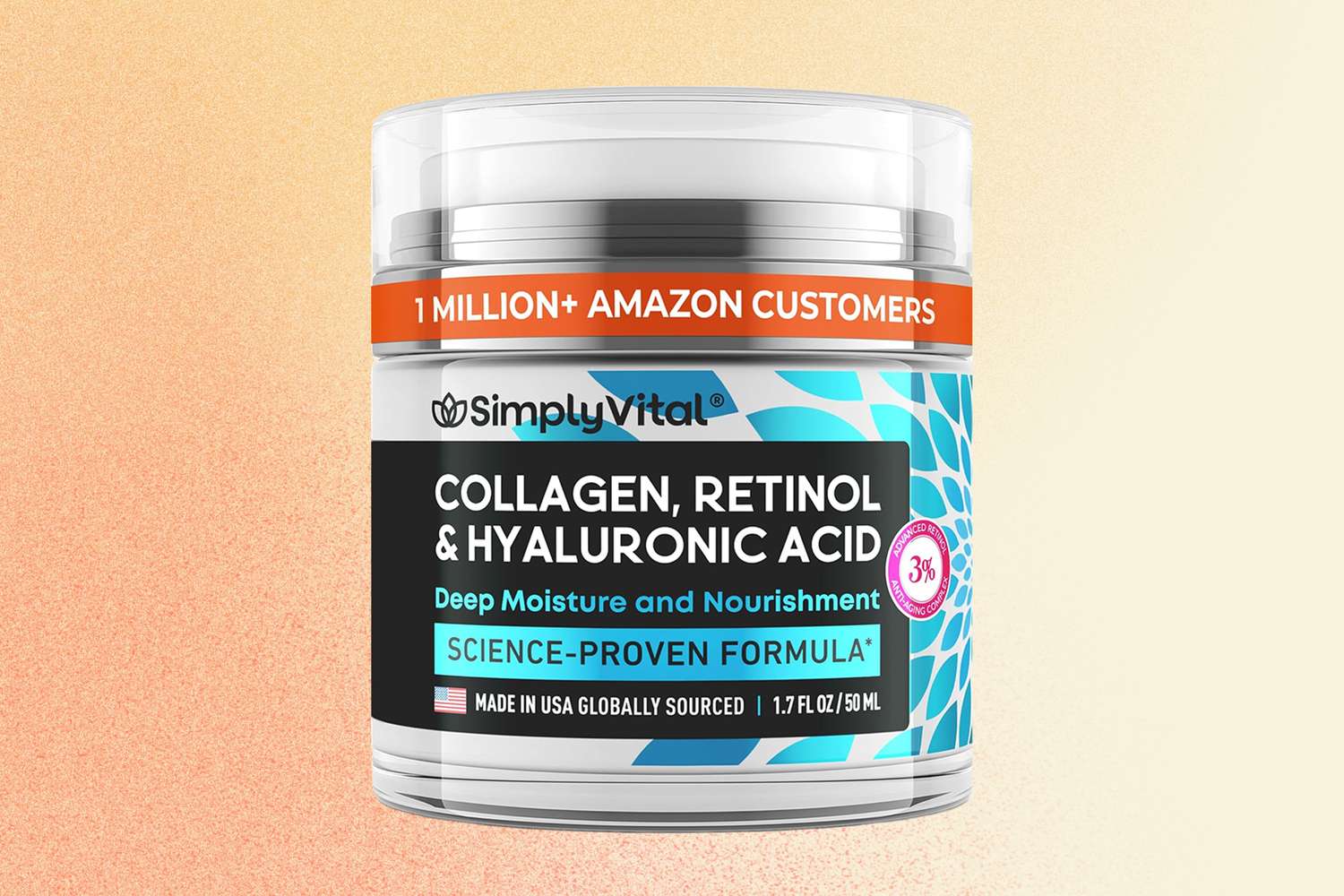
The product getting all this buzz is SimplyVital’s Collagen, Retinol & Hyaluronic Acid Cream, an affordable moisturizer that has recently climbed Amazon’s beauty rankings and become a frequent feature in beauty coverage. The real reason it has legs, though, is not clever packaging. It is the ingredient trio. Retinol is the serious player for fine lines, hyaluronic acid helps with hydration and bounce, and collagen gives the formula a comforting, skin-softening angle. Put differently: this cream is not magic, but it is built around ingredients that make sense.
Why This Amazon Favorite Is Suddenly Everywhere
Part of the appeal is obvious: people love a product that sounds expensive without actually requiring a second mortgage. Recent Amazon snapshots showed this cream holding a top spot in its niche category and moving a large number of units in a short period of time. Beauty writers have highlighted it as a budget-friendly anti-aging pick, and shoppers seem drawn to the fact that it promises smoother-looking skin without a 14-step routine or a luxury-brand price tag.
That popularity also fits a bigger trend in skin care. Consumers are getting smarter. Instead of buying jars based on fairy dust and French nouns, they are looking for familiar ingredients with a track record. Retinol, hyaluronic acid, and barrier-friendly moisturizers have become the skin care equivalent of ordering the reliable thing on the menu. Maybe not flashy, but very likely to get the job done.
What Is Actually in the Jar?
According to the product listing, this cream contains retinol, hydrolyzed marine collagen, hyaluronic acid, and a supporting cast that includes aloe vera, jojoba seed oil, avocado oil, chamomile extract, and vitamin E. That is a pretty classic “moisturize plus renew” setup. The formula is trying to do two things at once: encourage skin turnover and keep your face from feeling like a dry rice cake while that happens.
Retinol: The Wrinkle-Fighting Headliner
Let’s be honest: retinol is the reason this cream deserves attention. Of all the ingredients commonly found in over-the-counter anti-aging products, retinoids and retinol are among the most supported by dermatology guidance. They help speed skin-cell turnover, improve texture, and soften the appearance of fine lines over time. They may also help brighten post-acne marks and reduce uneven tone.
Here is the important part nobody loves hearing: retinol is more of a marathon than a magic trick. It usually does not erase wrinkles by next Tuesday. Consistent use matters. Improvement tends to show up gradually, especially with fine lines, roughness, and dullness. So if you buy a jar on Friday and expect to wake up Saturday looking like you owe your face rent money for being so firm, that is not how this works.
Hyaluronic Acid: The Hydration Booster
Hyaluronic acid is the ingredient that helps this kind of cream feel more forgiving. It is a humectant, which means it attracts and holds water. In practical terms, that can help skin look plumper, feel softer, and appear less creased from dryness. Some people assume every wrinkle is a permanent structural issue, but plenty of lines look worse simply because skin is dehydrated. Add moisture, and the skin often looks smoother almost immediately.
That is one reason creams like this can seem impressive from the first few uses. The hydration effect is real. It just is not the same as long-term wrinkle remodeling. Think of hyaluronic acid as the lighting crew. It makes everything look better fast. Retinol is the one doing the slower backstage work.
Collagen: Helpful, but Not the Main Event
Collagen is where marketing gets a little dramatic. Your skin absolutely depends on collagen, and collagen loss is a major reason wrinkles and sagging happen as you age. But topical collagen in a cream is not the same thing as rebuilding deep structural collagen in the skin. In most over-the-counter products, collagen is better understood as part of a moisturizing, skin-conditioning formula rather than the ingredient doing the heaviest anti-wrinkle lifting.
That does not make it useless. It can still contribute to a softer feel and a more cushioned finish. It just means the anti-aging credit in this jar belongs mostly to retinol, with hyaluronic acid helping the skin stay hydrated enough to tolerate the ride.
What This Cream Can Realistically Do
Used consistently, a product like this may help soften the look of fine lines, improve surface texture, reduce dullness, and make skin feel more hydrated. It may be especially helpful for people whose skin is starting to show mild signs of aging: faint forehead lines, crepey dryness around the cheeks, or that slightly tired texture that says, “I had one stressful week in 2019 and my face never forgot.”
It can also be a good entry point for someone who wants a single product instead of stacking a serum, a night cream, a hydrator, and three different “activating essences” that all sound like wizard supplies. Because the formula combines a retinoid-style active with moisturizers, it offers a simpler way to start an anti-aging routine.
What It Cannot Do
No cream in a jar is giving you a surgical lift. Dermatologists have been very clear on this point. A moisturizer can temporarily plump skin and make lines look less obvious, but it cannot create the same effect as an in-office procedure, injectables, or a prescription-strength retinoid regimen tailored to your skin. Deep folds, significant sagging, and etched-in expression lines usually need stronger interventions if you want dramatic change.
That does not mean this product is overhyped garbage. It just means expectations matter. A good anti-aging cream should aim for smoother, better-hydrated, healthier-looking skin. If it does that, it is doing its job. If you expect it to negotiate with gravity on your behalf, you are asking too much from a jar that costs less than dinner delivery.
How to Use It Without Making Your Face Angry
Start Slowly
If you are new to retinol, do not cannonball into daily use. This product’s own directions recommend starting one to two times a week for sensitive skin and gradually increasing. That is smart advice. Retinol can cause dryness, peeling, redness, and irritation, especially if your skin barrier is already a little cranky.
Use It at Night
Retinol is best used in the evening. During the day, your skin needs protection, not experimentation. If you apply this cream in the morning, follow with broad-spectrum SPF 30 or higher. Better yet, think of retinol as the night shift and sunscreen as the day shift. They are a team, not rivals.
Patch Test First
Yes, patch testing is boring. So is reading assembly instructions. Both are wise. Apply a small amount to a discreet area before putting it all over your face. If your skin responds with dramatic redness, stinging, or irritation, back off and reconsider.
Keep the Rest of Your Routine Simple
When starting retinol, it helps to avoid overloading your routine with other potentially irritating ingredients all at once. A gentle cleanser, this cream, and sunscreen may be enough in the beginning. Your face does not need a chemistry lab every evening.
Skip It During Pregnancy
Retinoids and retinol are generally not recommended during pregnancy. If you are pregnant, trying to become pregnant, or breastfeeding, ask a dermatologist or healthcare professional before using retinol products.
Who Might Love This Cream Most
This Amazon best-seller is likely to appeal to shoppers who want an affordable anti-aging moisturizer, people easing into retinol for the first time, and anyone whose main concerns are fine lines, dryness, or texture. It may also suit people who prefer one cream instead of layering multiple products.
It may be less ideal for extremely sensitive skin, people with active rosacea, or anyone whose skin barrier is already compromised. If your face gets irritated when the weather changes, a candle exists nearby, or someone merely says the word “exfoliant,” you may want to proceed carefully or look for a gentler formula first.
How It Stacks Up Against Other Anti-Aging Products
Compared with many luxury anti-aging creams, this formula wins on accessibility. It combines a few recognizable ingredients, does not require a major splurge, and fits neatly into the “good enough to use consistently” category. That matters more than people think. A product you can afford and tolerate often beats an expensive formula you use twice and abandon in a drawer next to three lonely sheet masks and a jade roller.
Compared with prescription retinoids, though, this is a gentler and more modest option. Prescription products usually work faster and more dramatically, but they also come with greater irritation potential and require professional oversight. Over-the-counter retinol creams live in the practical middle ground: slower, softer, but easier for many people to use long term.
Experience Section: What Using an Amazon Best-Selling Anti-Aging Cream Often Feels Like
One of the most common experiences with a cream like this is that the first improvement is not “my wrinkles vanished,” but “my skin looks less tired.” That matters. For many users, the earliest difference is better hydration. The face looks a little smoother, makeup sits better, and the texture around the cheeks or mouth seems less rough. It is not fireworks, but it is encouraging. That early payoff is often what keeps people consistent long enough to see the slower retinol benefits.
Another common experience is the beginner-retinol learning curve. Someone in their 30s or 40s buys the cream hoping for smoother forehead lines, applies it nightly for three straight days, and then wonders why their skin suddenly feels dry and dramatic. After they scale back to every other night or a few nights per week, things usually improve. This is why slow introduction matters so much. The product may still work well; the skin just needs time to adapt. Retinol is useful, but it is not famous for subtle first impressions.
People with drier or more mature skin often describe the cream differently. Instead of focusing only on wrinkle reduction, they talk about comfort. The product feels rich enough to make skin less tight, especially at night, and over time the face can look a bit fuller and more rested. Fine lines around the mouth may appear less sharp, and the overall tone may seem healthier. For these users, the anti-aging value is tied just as much to moisture retention as it is to cell turnover. Skin that is better hydrated usually photographs better, reflects light more evenly, and simply looks more alive.
Users with oilier or combination skin may have a more mixed experience. Some appreciate that a cream format gives them hydration without needing a separate moisturizer. Others may prefer a lighter serum texture, especially in humid weather. The key seems to be amount. A modest application often works better than slathering it on like cake frosting. Too much can feel heavy, while the right amount tends to absorb more comfortably.
There is also the expectation gap, which is probably the most relatable experience of all. Plenty of shoppers buy an anti-aging cream expecting instant tightening, dramatic lifting, and the emotional closure of defeating time itself. What they actually get is subtler: smoother-feeling skin, softer-looking fine lines, improved dryness, and gradual texture changes. The users who end up happiest are often the ones who understand that this is a maintenance product, not a miracle event. They treat it like part of a routine, not like a one-night rescue mission before a reunion.
Then there is the sunscreen realization. Many people only fully appreciate sunscreen after starting retinol. Once they notice that a good anti-aging cream works best when paired with daytime SPF, the whole routine starts making more sense. Nighttime products help renew the skin; daytime protection helps preserve the results. It is not the flashiest beauty lesson, but it may be the most valuable one.
In that sense, the experience of using Amazon’s best-selling anti-aging cream is often less about one jar changing everything and more about finally building a routine that is realistic enough to keep. A cream that hydrates, a proven active that targets fine lines, a little patience, and daily sunscreen: not glamorous, perhaps, but very hard to argue with.
The Bottom Line
Amazon’s best-selling anti-aging cream is popular for a reason. It packages a few familiar, sensible ingredients into one easy product and sells it at a price many shoppers can justify without emotional damage. The wrinkle-reduction story is most believable because of the retinol, while hyaluronic acid helps create the immediate smoother, more hydrated look people notice first.
Is it a miracle? No. Is it a smart budget-friendly option for someone who wants to start addressing fine lines, dryness, and texture with a single cream? Absolutely. In the crowded world of anti-aging skin care, that kind of realism is oddly refreshing. Sometimes the best product is not the loudest one. Sometimes it is just the one that makes your skin look a little better, your routine a little easier, and your bathroom shelf a little less chaotic.