Some kitchens are made for cooking. Others are made for showing off. The best modern kitchen in Austria manages the rare trick of doing both without behaving like a diva. It can be sleek without feeling cold, practical without looking like a laboratory, and stylish without making you nervous about setting down a coffee mug. Add an all-seasons herb garden to the mix, and suddenly the space does more than feed people. It sets a mood. It smells faintly of basil and thyme. It makes toast feel sophisticated.
That is the real charm of this kind of kitchen: it blends European restraint with everyday comfort. Think warm wood, stone surfaces, efficient storage, clean lines, and a layout that supports real life instead of just photogenic fruit bowls. In a country like Austria, where design often leans toward order, durability, and understated beauty, a modern kitchen makes the most sense when it feels calm in winter, bright in summer, and useful every single day.
Why This Kitchen Style Works So Well
The modern kitchen has changed. It is no longer just a place where the refrigerator, sink, and stove form a sacred triangle and everyone tiptoes around it like it is ancient architecture. Today’s best kitchens are organized around flexible work zones: prep, cooking, cleanup, storage, coffee, and sometimes even a quiet corner for snacks or homework. That shift matters because modern households do not function like old design diagrams. Real people cook in teams, drift in for conversation, open drawers at the wrong moment, and leave mugs everywhere like little ceramic land mines.
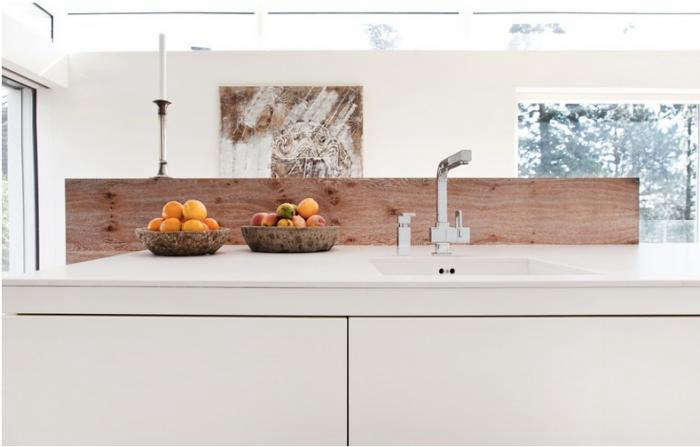
In that sense, an Austrian-inspired modern kitchen feels especially current. It favors order, but not stiffness. It welcomes efficient cabinetry, integrated appliances, and thoughtful movement through the room. It also leaves space for warmth. Light oak or walnut cabinetry, pale stone counters, matte finishes, and layered lighting create a look that feels polished without becoming sterile. The result is clean but not clinical, minimal but not miserable. Nobody wants a kitchen that looks gorgeous and feels like a dentist’s office.
The Design Language: Clean Lines, Warm Materials, Zero Drama
If you want to create the feeling of a modern kitchen in Austria, start with the visual balance between simplicity and texture. Flat-panel or lightly detailed cabinets keep the room streamlined. Natural wood tones soften the look and make the space feel grounded. Stone or quartz counters add durability and contrast. White, soft gray, muted green, charcoal, and warm taupe all work beautifully here, especially when paired with black or brushed metal hardware.
This style does not need a circus of colors or twelve competing statement pieces. It works best when one or two elements quietly take the lead. Maybe it is a veined slab backsplash. Maybe it is a beautifully finished range hood. Maybe it is a long shelf holding ceramic jars, cookbooks, and a few trailing herbs that look suspiciously like they know they are being admired. The trick is restraint. Let the room breathe. Modern kitchens look better when every object seems to have earned its paycheck.
Layout Matters More Than Fancy Hardware
A beautiful kitchen that works badly is still a bad kitchen. You can install the most expensive faucet in Europe, but if the dishwasher door blocks the main walkway and the trash pullout is somehow on another continent, daily life gets annoying fast. A smart modern kitchen uses zones. Prep space should live near the sink and knives. Cooking tools belong close to the stove. Plates and glassware should be near the dishwasher. Pantry storage should be easy to reach without interrupting the main cook.
In smaller Austrian apartments or narrower urban layouts, a galley kitchen can be incredibly efficient. In larger homes, an island or peninsula adds extra counter space, seating, and storage. What matters most is not blindly chasing trends, but building a plan around use. The kitchen should support your habits. If you bake often, create a baking zone. If coffee is basically your religion, give it a proper station. If the herb garden will be part of the daily routine, place it where it gets light and where cutting fresh parsley does not require a minor expedition.
The All-Seasons Herb Garden: The Star of the Show
Now for the feature that turns a stylish kitchen into a living one: the all-seasons herb garden. This is not just decoration with a culinary side hustle. A well-planned indoor herb setup makes the kitchen feel active, aromatic, and deeply personal. It also has the audacity to be useful, which is more than can be said for many trendy kitchen accessories.
An herb garden works year-round when you treat it like a real growing system, not a random collection of hopeful pots. The best setup usually starts with light. A bright south- or west-facing window is ideal, and during darker months, supplemental grow lighting can keep herbs productive instead of sad and leggy. Good drainage is nonnegotiable. Herbs dislike wet feet with the intensity of someone wearing suede shoes in a snowstorm. Use containers with drainage holes, well-draining potting mix, and saucers or trays that actually catch excess water instead of pretending.
Placement also matters. Herbs should be close enough to the cooking area to encourage use, but not so close to heat blasts or greasy steam that they start questioning their life choices. A sunny windowsill, a slim shelf near the window, a tiered plant stand, or even a compact indoor garden system can all work beautifully. In a modern Austrian kitchen, the herb garden often feels best when it is integrated into the design rather than treated as an afterthought. It can live on a ledge, inside a niche, or on a clean-lined shelf that feels intentional and architectural.
The Best Herbs for an Indoor Kitchen Garden
Not every herb behaves like a cheerful houseguest. Some are easygoing, productive, and happy to stay in bounds. Others act like they pay rent and run the place. For an all-seasons kitchen herb garden, a smart mix includes basil, parsley, chives, thyme, oregano, rosemary, and mint. Chives are especially friendly for beginners, parsley is versatile, thyme and oregano give great flavor from small plants, and rosemary brings structure and fragrance.
Mint, meanwhile, should be grown in its own container unless you are interested in watching it stage a botanical coup. Basil can thrive indoors with enough light, but it tends to be fussier in winter than people expect. That does not make it impossible. It just means basil likes excellent conditions and dramatic attention, which honestly feels on brand. A practical kitchen garden mixes easy staples with one or two more demanding favorites, so the whole system stays productive even when one herb decides to become temperamental.
How to Keep the Herb Garden Alive Through Every Season
Spring and summer are the easy months. Herbs grow faster, light is stronger, and everyone feels a little smug. Fall and winter are where the real test begins. To keep the garden going all year, maintain consistent light, avoid overwatering, and harvest often but gently. Snipping herbs encourages new growth, but stripping a plant bare is less “harvest” and more “plant betrayal.”
Air circulation matters, too. Crowded herbs in stagnant air are more likely to struggle. Give each pot room, rotate plants so they grow evenly, and watch for yellowing leaves or soggy soil. The goal is not to create a jungle. It is to grow a compact, usable, attractive herb collection that behaves like part of the kitchen. Think elegant little team of ingredients, not indoor rainforest with garlic ambitions.
Storage: Because Modern Kitchens Need to Hide the Chaos
One of the secrets behind beautiful kitchens is ruthless storage. The eye loves calm, and calm is hard to achieve when the countertop is hosting a mixer, toaster, blender, kettle, bread box, fruit bowl, mail pile, and three mysterious chargers that belong to nobody. Closed storage keeps the room visually quiet. Pullout drawers, vertical dividers, pantry organizers, and appliance garages help a modern kitchen stay functional without looking overworked.
In an Austrian-style modern kitchen, storage should feel built in, efficient, and almost invisible. Drawers are often more useful than deep cabinets because they bring items toward you instead of forcing you to kneel on the floor and rummage like a discouraged raccoon. Open shelving can work in moderation, especially for ceramics, glass jars, and a few decorative items, but too much open storage turns “minimal European elegance” into “I dust for sport.” A few carefully styled shelves are charming. Twenty-seven exposed mugs are a cry for help.
Lighting: The Difference Between Stylish and Moody in the Wrong Way
Lighting in a modern kitchen should be layered. Ambient lighting keeps the room bright overall. Task lighting under cabinets helps with actual cooking. Accent lighting adds warmth and makes the room feel considered instead of flat. This matters even more when an herb garden is part of the room, because both people and plants appreciate a well-lit environment. Pendant lights over an island, subtle under-cabinet strips, and a small grow light integrated into shelving can make the space feel both elegant and alive.
The beauty of this approach is that it supports the kitchen at every hour. Morning coffee feels crisp and easy. Afternoon prep feels efficient. Winter dinners feel warm instead of cave-like. And the herb garden stays visually connected to the rest of the design rather than looking like a science fair project someone forgot to remove.
Ventilation and Air Quality Deserve More Respect
Modern kitchens should not just look good. They should breathe well. Cooking releases moisture, odors, and airborne particles, so effective ventilation matters far more than many homeowners realize. A vented range hood or properly exhausted kitchen fan helps clear the air, protect finishes, and keep the room more comfortable year-round. That is especially important in a tightly designed, highly efficient kitchen where lingering humidity and cooking residue can build up faster than expected.
When the herb garden is nearby, better air movement is helpful there too. Herbs appreciate a fresh environment, and your cabinetry will also thank you for not marinating it in steam and sauté smoke every evening. This is one of those upgrades that is not glamorous in the same way as stone slabs or fancy stools, but it quietly makes everything work better. Very modern. Very responsible. Mildly unsexy. Completely worth it.
Why This Kitchen Feels So Good to Live In
The true success of a modern kitchen in Austria is not just visual. It is emotional. The room feels composed. It supports daily rituals. It lets you cook, host, clean, and linger without friction. The herb garden contributes more than flavor. It makes the space feel responsive to the seasons, even when snow is on the windowsill or rain is tapping the glass. A clipping of chives in March, a burst of basil in July, rosemary in December for roasted potatoes: these little moments make a kitchen memorable.
That is why this concept works so well. It respects practicality, but it does not forget pleasure. It values clean design, but it still leaves room for scent, texture, color, and habit. It is a kitchen that understands modern life is busy, messy, and full of interruptions. Yet somehow, with the right layout, thoughtful storage, warm materials, and a year-round herb garden, it still manages to feel elegant. That is no small achievement. That is kitchen diplomacy at the highest level.
The Experience: Living With This Kitchen Through Four Seasons
What really makes this kind of kitchen unforgettable is the experience of using it over time. In winter, the room becomes a refuge. Outside, the air might be sharp and the streets quiet, but inside the kitchen there is soft light reflecting off pale stone, a kettle humming on the stove, and rosemary catching the morning sun on the sill. The herb garden becomes almost emotional in cold weather. It is proof that something fresh is still growing, even when the world outdoors has gone gray and dramatic. You reach for thyme while making soup and suddenly the whole room smells like comfort with good manners.
Spring changes the rhythm. The kitchen feels lighter, quicker, more awake. Parsley perks up. Chives shoot higher. A pot of basil starts behaving like it owns the place, which is annoying but also impressive. The windows open more often, and the room shifts from cozy to lively. You start rinsing radishes at the sink, slicing herbs directly over lunch, and feeling smug in that harmless way people do when they can say, “Oh, I just cut this from the kitchen garden.” It is not arrogance if the parsley is genuinely excellent.
Summer is when the kitchen becomes social. The modern layout proves itself then. Someone is chopping fruit at the island, someone else is reaching into the fridge, another person is making coffee for no logical reason because it is too hot for coffee and yet here we are. The herb garden is in full form, so meals become simpler and somehow better. Tomato salads get basil. Yogurt dips get dill or mint. Grilled vegetables get oregano and thyme. Even buttered bread starts receiving suspiciously gourmet treatment. The room feels open, active, and easy to move through, which is exactly what a smart modern kitchen is supposed to do.
Then fall arrives and the space grows quieter again. The herbs slow slightly, the light changes, and the kitchen begins its annual transformation into a place for longer meals and warmer food. You switch on under-cabinet lighting earlier in the day. The wood tones feel richer. A bowl of apples on the counter suddenly looks like interior styling instead of groceries. The herb garden continues working in the background, still useful, still beautiful, still giving the room a sense of life. That continuity is the magic. The kitchen does not peak in one season and give up in the rest. It performs all year.
And that, more than any trend or finish, is what makes the idea so compelling. A modern kitchen in Austria with an all-seasons herb garden is not just a pretty concept for a magazine spread. It is a room that earns affection by being deeply livable. It supports routine without feeling boring. It celebrates design without becoming fussy. It invites cooking, conversation, and those tiny ordinary rituals that become the best part of a home. The coffee made before sunrise. The quick snip of parsley before dinner. The scent of rosemary on your fingers. The satisfaction of opening a drawer and finding exactly what you need for once in your life. It is stylish, yes. But more importantly, it is human.
Conclusion
A modern kitchen in Austria is at its best when it blends restraint with warmth, efficiency with beauty, and contemporary design with living ingredients. The all-seasons herb garden is not a gimmick. It is the detail that gives the kitchen pulse. When the layout works, the storage is smart, the lighting is layered, and the herbs are thriving, the room becomes more than a cooking area. It becomes the place where the day begins, where dinner slows everyone down, and where style finally meets usefulness without needing a dramatic speech about it.