Fruit juice looks innocent right up until it belly-flops onto your carpet. One second it is orange juice at breakfast or grape juice in a sippy cup, and the next second your floor looks like it lost a fight with a smoothie. The good news is that most fruit juice stains can be removed if you move quickly, use the right cleaner, and resist the powerful human urge to scrub like you are sanding a deck.
Fruit juice stains are tricky because they usually contain three things carpets hate: pigment, sugar, and acid. The pigment can leave behind color, the sugar creates sticky residue that attracts dirt, and the liquid can sink into the carpet fibers and even the pad underneath. That is why a fast, gentle, step-by-step method works better than panic-cleaning with whatever bottle is under the sink.
In this guide, you will learn exactly how to remove fruit juice stains from carpet in 12 practical steps. You will also get troubleshooting tips for stubborn stains, old spills, and deeply colored juices like grape, cranberry, cherry, and pomegranate. Whether the mess is fresh, dried, or suspiciously sticky because it came from a juice box marketed to children, this method will help you clean it up without making the stain worse.
Why Fruit Juice Stains Are So Stubborn
Not all carpet stains are created equal. Water alone can handle some fresh spills, but fruit juice often leaves behind more than moisture. Citrus juices may be lighter in color, yet they can still leave a sugary ring. Dark juices such as grape, berry, and pomegranate are loaded with natural or added dyes that love to cling to fibers. Juice blends and punches can be even worse because they often contain sweeteners, food coloring, and flavor additives that turn a small spill into a colorful long-term relationship.
The goal is simple: lift out the liquid, loosen the sugars, remove any dye, rinse away the cleaner, and dry the area so the stain does not creep back up later. That last part matters. Sometimes a stain looks gone when the carpet is wet, then magically returns after drying. That is not a ghost. It is usually wicking, which happens when residue left deeper in the carpet rises back to the surface.
What You Will Need
- White paper towels or clean white cloths
- A spoon or dull butter knife for lifting pulp
- Cool water
- Clear liquid dish soap
- White vinegar
- A small bowl or spray bottle
- A dry towel
- A fan for faster drying
- Baking soda for odor or extra moisture absorption, optional
- 3% hydrogen peroxide for stubborn stains on light, colorfast carpet only
Use white cloths whenever possible. A bright red towel plus a wet carpet is not a cleaning strategy. It is a creative dye-transfer experiment.
How to Remove Fruit Juice Stains from Carpet: 12 Steps
Step 1: Act Fast
The sooner you treat the spill, the better your odds of complete carpet stain removal. Fresh fruit juice is much easier to lift than a stain that has had time to dry, oxidize, and settle into the pile. Even five or ten minutes can make a difference, especially with dark juices like grape or cranberry. If the spill happened earlier and you are only discovering it now, do not worry. You can still improve it. Just expect a few extra rounds of blotting and rinsing.
Step 2: Blot the Spill, Do Not Rub It
Lay white paper towels or a clean white cloth over the spill and press firmly. Keep blotting until you stop seeing much transfer. The idea is to pull the liquid upward, not drive it deeper. Rubbing spreads the stain, roughs up carpet fibers, and can push pigment into the backing. Work patiently, and switch to a fresh part of the towel as soon as it becomes damp or stained.
Step 3: Lift Any Pulp or Sticky Solids
If the spill includes fruit bits, smoothie residue, or dried sugary gunk, gently lift it away with a spoon or dull knife before applying cleaner. Do not mash it into the carpet. Treat solids like unwanted party guests: remove them politely but immediately. The less material left behind, the easier it is to clean the actual stain.
Step 4: Test Your Cleaner in a Hidden Spot
Before using any cleaning solution, test it on an inconspicuous part of the carpet, such as inside a closet or behind furniture. This is especially important for dark carpet, patterned carpet, wool carpet, vintage rugs, or anything expensive enough to make you whisper while cleaning it. Apply a small amount, wait a few minutes, and blot with a white cloth. If color transfers or the texture changes, stop and choose a safer method or call a professional.
Step 5: Rinse Lightly With Cool Water
Dampen the stained area with a small amount of cool water, then blot again. This helps dilute the juice and lift more sugar out of the fibers. Do not flood the carpet. Overwetting can push the stain deeper into the pad and make drying harder. Think “lightly damp,” not “indoor kiddie pool.”
Step 6: Mix a Mild Dish Soap Solution
In a bowl, combine about 1 tablespoon of clear liquid dish soap with 2 cups of cool to lukewarm water. Clear soap is best because strongly colored soap can leave its own residue behind. Dip a clean cloth into the solution and wring it out so it is damp, not dripping. You want the cleaner on the cloth, not dumped directly onto the carpet like a chemistry accident.
Step 7: Blot From the Outside Toward the Center
Apply the dish soap solution with your damp cloth, starting at the outer edge of the stain and working inward. This helps keep the spill from spreading. Blot, pause, and blot again. You should begin to see transfer on the cloth. Replace cloth sections as needed so you are not simply reapplying juice to the carpet. For many fresh orange juice or apple juice spills, this step plus water may be enough.
Step 8: Use a Vinegar Solution if Color Remains
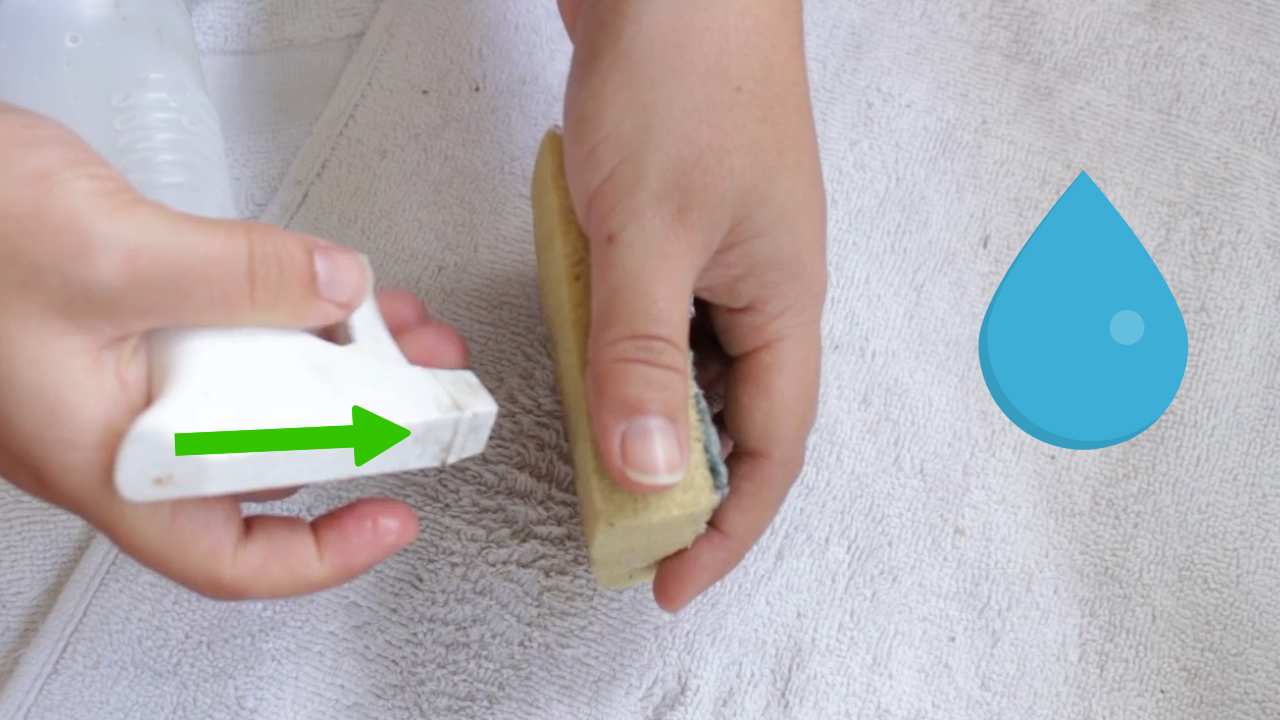
If the stain is still visible, especially with sweetened juice or darker fruit stains, mix a vinegar solution using about 1 part white vinegar to 2 parts water. Lightly apply it with a cloth or spray bottle, then blot again. Vinegar can help cut through lingering residue and may loosen dye. It is not magic, but it is often very helpful. Use it sparingly, and never assume more liquid means faster results. It usually just means more drying time.
Step 9: Rinse the Area Thoroughly
This step gets skipped all the time, and then people wonder why their carpet attracts dirt like it has a side hustle as a magnet. After the stain lifts, rinse the area with small amounts of clean water and blot until the cloth comes away mostly clean and soap-free. Leftover detergent or vinegar can collect soil and cause a dingy spot later. A careful rinse is the difference between “clean” and “looked clean for twelve minutes.”
Step 10: Treat Stubborn Stains Carefully
If a dark stain remains on a light-colored, colorfast carpet, try 3% hydrogen peroxide or an oxygen-based carpet stain remover. Apply a tiny amount to a cloth first, not directly in a giant puddle. Blot the stain, let it sit briefly, and blot again. Always test first because peroxide can lighten some fibers or affect dyes. Avoid this step on wool, delicate rugs, or dark carpets unless the manufacturer specifically says it is safe.
Step 11: Wick Out Moisture and Residue
Once the stain is mostly or fully gone, place a thick layer of dry paper towels or a folded white towel over the damp area. Put something flat and moderately heavy on top, such as a book wrapped in plastic or a baking dish. This helps wick moisture and any remaining residue up out of the carpet as it dries. It is a surprisingly effective trick, especially when a stain has seeped deeper than expected.
Step 12: Dry Completely, Then Vacuum
Let the area air-dry fully. Use a fan if needed. Once dry, vacuum the spot to lift the carpet pile and restore the texture. Check the area again in good light. If a faint mark remains, repeat the gentlest effective step rather than jumping straight to harsher chemicals. If the stain keeps returning, smells sour, or covers a large area, the liquid may have reached the pad and professional carpet cleaning may be the smartest move.
Common Mistakes That Make Juice Stains Worse
- Scrubbing aggressively: This spreads the stain and damages fibers.
- Using hot water first: Warm or cool water is usually safer for stain treatment.
- Skipping the patch test: Especially risky on wool, dark carpets, and older rugs.
- Overwetting the carpet: Too much liquid can drive the stain into the pad.
- Forgetting to rinse: Cleaner residue can attract dirt and cause rapid resoiling.
- Using colored towels: Wet carpet can absorb dye from the cloth.
- Applying strong stain removers too soon: Start mild, then escalate only if needed.
How to Handle Different Types of Fruit Juice Stains
Orange Juice
Orange juice is often easier to remove because the color is lighter, but it can still leave a sticky, slightly darkened patch if it contains pulp or added sugar. Usually, blotting, a mild dish soap solution, and a careful rinse will do the job.
Grape, Cherry, Cranberry, and Pomegranate Juice
These are the drama queens of the juice world. Their darker pigments can cling to carpet fibers quickly, so speed matters. Start with the standard method, then move to diluted vinegar, and only consider peroxide or an oxygen-based product after testing if a shadow remains.
Juice Boxes, Punches, and Smoothies
These products often contain sugar, food coloring, and sometimes milk or puree. That means more residue and a greater chance of odor if the spill reaches the carpet pad. Blot thoroughly, rinse well, and dry completely. If the stain smells sweet or sour after drying, repeat the rinse and blot cycle.
Old Dried Juice Stains
For an old stain, lightly dampen the area first to rehydrate the residue, then blot and follow the same cleaning steps. You may need several rounds. Patience matters more than force. An old fruit stain rarely disappears because someone got angrier at it.
When to Call a Professional Carpet Cleaner
Some stains deserve backup. Call a professional if the spill is large, the stain has returned more than once, the carpet is wool or antique, the juice soaked into the pad, or previous DIY attempts have left a ring. Professional cleaners have extraction tools that can flush out residue without overwetting the carpet and can treat delicate fibers more safely than most home methods.
Real-World Experience: What People Learn After Cleaning Fruit Juice Out of Carpet
In real homes, juice stains almost never happen in a calm, cinematic way. They happen during rushed breakfasts, birthday parties, movie nights, and those suspiciously quiet moments when a toddler is clearly doing something memorable. One of the most common stories goes like this: someone spills grape juice on a beige carpet, grabs the nearest towel, rubs furiously for thirty seconds, and then realizes the stain is somehow bigger, darker, and emotionally stronger than before. The lesson comes fast. Speed helps, but technique matters more.
Another common experience involves orange juice in a living room or bedroom, where the spill seems minor at first. A quick wipe makes it look gone, so everyone moves on with life. By evening, a slightly crunchy patch appears, and within a day or two it starts collecting dirt. That is when people discover the hidden villain of carpet cleaning: residue. A stain is not always just color. Sometimes it is sugar left in the fibers, waiting patiently to trap dust and announce itself later. Thorough rinsing and blotting are what separate a temporary fix from an actually clean carpet.
Families with children usually become accidental experts in juice spill management. Juice boxes are portable chaos. Parents often learn that the biggest difference-maker is having a simple routine instead of improvising every time. White cloths, a small bottle of dish soap, white vinegar, and a fan can solve a shocking number of household disasters. The first few times, the cleanup feels stressful. After a while, it becomes almost automatic: blot, dilute, blot again, clean, rinse, dry. Not glamorous, but highly effective.
People with pets also notice something interesting. If juice gets into the carpet pad and is not dried properly, the damp spot may attract curious sniffing or repeat accidents from animals who think the floor has filed an application to become a bathroom. That is why wicking and drying matter so much. A carpet that feels only “slightly damp” can still hold moisture below the surface. Fans, extra towels, and patience save a lot of regret later.
Another lesson comes from homeowners with dark carpets or wool rugs. Many say the fear is not the stain itself but the possibility of making the carpet lighter, fuzzier, or permanently discolored while trying to help. That concern is valid. It is why hidden-spot testing is not just cautious advice from cleaning people who enjoy ruining the fun. It is practical self-defense. A five-minute test can prevent a much more expensive mistake.
Perhaps the most useful real-world takeaway is this: fruit juice stains often respond better to gentle repetition than to one heroic cleaning attempt. The people who get the best results are usually the ones who stay calm, use small amounts of solution, blot patiently, rinse well, and let the carpet dry before judging the outcome. Carpet cleaning rarely rewards dramatic behavior. It rewards consistency. So if your first pass improves the stain by 70 percent, that is not failure. That is the carpet saying, “Keep going, but maybe with less panic this time.”
Conclusion
If you want to remove fruit juice stains from carpet successfully, remember the formula: act fast, blot gently, use a mild cleaner, rinse thoroughly, and dry completely. Most fresh stains will come out with cool water, dish soap, and patience. Darker or older stains may need a vinegar follow-up or a carefully tested oxygen-based treatment. The biggest mistake is not the spill itself. It is scrubbing, skipping the rinse, or soaking the carpet in the hope that chemistry will sort out your morning.
Handled correctly, even a dramatic juice spill does not have to become a permanent reminder of breakfast. With the 12 steps above, you can clean the stain, protect the carpet fibers, and get back to your day without rearranging the furniture to hide one suspicious purple patch.