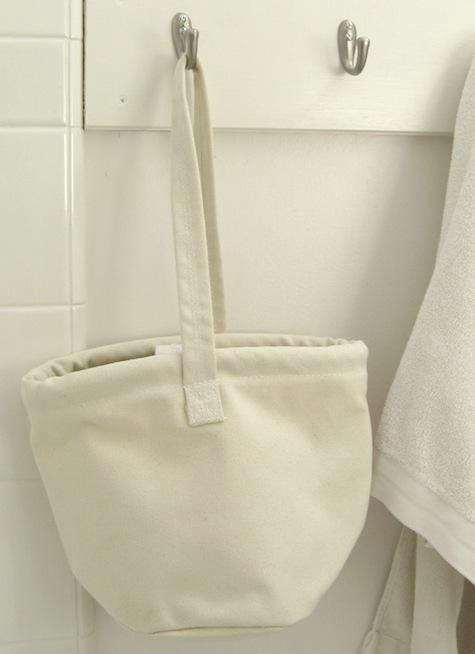
A cotton canvas water bucket sounds like something your great-grandfather would have tossed into a Jeep, hung on a barn peg, or used at a campsite before anyone invented a collapsible silicone bowl in six colors with a matching Instagram account. And yet, this old-school piece of gear still earns a spot in modern camping kits, gardens, workshops, horse barns, off-grid cabins, and outdoor kitchens. Why? Because it is simple, tough, foldable, surprisingly useful, and charmingly immune to overengineering.
At its core, a cotton canvas water bucket is a flexible pail made from heavy cotton canvas, often cotton duck canvas, designed to carry water, tools, firewood, garden clippings, horse supplies, or camp kitchen odds and ends. Unlike a rigid plastic bucket, it can collapse flat for storage. Unlike a flimsy tote, it can stand up to rough handling. Unlike a metal pail, it will not clang around in the back of your vehicle like a percussion section having a bad day.
This guide explains what a cotton canvas water bucket is, how it works, where it shines, where it does not, how to choose one, and how to care for it so it lasts. We will also dig into real-world uses, buying tips, and personal-style field experiences that show why this humble canvas pail remains a favorite among campers, gardeners, paddlers, reenactors, and people who enjoy gear that does not require a firmware update.
What Is a Cotton Canvas Water Bucket?
A cotton canvas water bucket is a portable, collapsible bucket made from thick woven cotton fabric. Many versions use heavy cotton duck canvas, a tight plain-weave material known for strength, abrasion resistance, and long-term durability. Some buckets are untreated canvas, while others are waxed or coated to improve water resistance.
The classic design is beautifully basic: a round or slightly oval body, reinforced seams, two side handles or a wire-and-fabric handle, and enough structure to hold its shape when filled. Modern versions may include double-wall construction, reinforced rims, stitched handles, hanging loops, or a fold-flat profile for packing.
Most cotton canvas water buckets are not meant to replace a sealed drinking-water container for long-term storage. Instead, they work best as temporary water carriers. Think hauling water from a spigot to a camp kitchen, dousing a campfire, rinsing muddy boots, washing dishes outdoors, carrying tools, or watering plants. In other words, it is the bucket you use when you need a bucket but do not want to carry a bucket-shaped object all day.
Why Cotton Canvas Works So Well
Canvas Is Strong Without Being Bulky
Cotton duck canvas has a tight weave that gives it excellent strength for its weight. That makes it useful for outdoor gear such as tents, tarps, bags, tool carriers, aprons, and buckets. In a water bucket, that toughness matters because the fabric must handle weight, moisture, folding, dragging, and the occasional “oops, I dropped it on gravel” moment.
It Collapses for Easy Storage
The biggest advantage of a collapsible canvas bucket is packability. A rigid five-gallon bucket is useful, but it takes up five gallons of space even when empty. A cotton canvas water bucket can fold into a flatter shape, slide behind a truck seat, tuck into a canoe pack, hang on a garage wall, or live in a camping bin without bullying everything else for space.
It Has a Softer Footprint
Canvas is quieter than metal, less brittle than cheap plastic, and easier to handle in cold weather. It also develops character over time. Scuffs, creases, and stains do not necessarily ruin it; they make it look like it has stories. A plastic bucket ages by looking sad. A canvas bucket ages by looking like it once survived a thunderstorm and has opinions about it.
Common Uses for a Cotton Canvas Water Bucket
Camping and Camp Kitchens
For campers, a cotton canvas water bucket is one of those tools that seems optional until you bring one. Then suddenly it gets used every hour. It can carry water from a campground tap, hold rinse water for dishes, soak a dish towel, transport kindling, or sit near the fire ring as a safety bucket.
When washing dishes outdoors, it is smart to follow Leave No Trace habits: use minimal biodegradable soap, strain food scraps, pack out solids, and scatter wastewater well away from lakes, streams, and campsites. A canvas bucket makes this easier because it gives you a portable basin without requiring a bulky plastic tub.
Gardening and Yard Work
In the garden, a cotton canvas bucket can carry weeds, hand tools, seed packets, gloves, bulbs, compost scoops, or water for potted plants. It is especially handy when you are moving between raised beds or around a patio. The soft sides make it comfortable to carry against your leg, and the bucket folds away after the job is done.
Horse Barns, Farms, and Animal Care
Canvas buckets have a long history around barns, stables, and farms. They are useful for temporary watering, grooming tools, feed scoops, brushes, hoof picks, and general chore duty. For animal drinking water, always confirm the bucket is clean, untreated with questionable chemicals, and appropriate for that use.
Canoeing, Fishing, and Paddling Trips
Paddlers appreciate gear that packs small, dries reasonably well, and performs more than one job. A canvas water bucket can help collect water at camp, rinse sand off feet, carry fish-cleaning supplies, or organize small gear in a canoe. It is not as ultralight as some synthetic folding buckets, but it wins points for toughness and old-fashioned reliability.
Workshops and Tool Storage
Some heavy canvas buckets are built more like tool carriers than water pails. Linemen, construction workers, and tradespeople have used canvas buckets for years because thick canvas can handle tools, hardware, and jobsite abuse. A cotton canvas water bucket can pull double duty in a workshop as a carrier for extension cords, rags, brushes, sanding blocks, and hand tools.
Cotton Canvas vs. Plastic, Metal, and Synthetic Buckets
Cotton Canvas vs. Plastic
Plastic buckets are cheap, waterproof, and widely available. They are great for long-term water holding, painting, cleaning, and storage. However, they are bulky, can crack in cold conditions, and are not fun to pack. Cotton canvas buckets are better when portability and flexible storage matter more than perfect waterproof sealing.
Cotton Canvas vs. Metal
Metal buckets are durable and heat-resistant, which makes them useful around fires, ashes, and rugged farm chores. But they dent, clang, rust, and take up space. Canvas buckets are lighter, quieter, and easier to fold, though they should not be placed too close to flames or used for hot coals.
Cotton Canvas vs. Synthetic Folding Buckets
Modern folding buckets made from nylon, polyester, PVC-coated fabric, or welded recycled fabric often outperform canvas in water retention and drying speed. Many are lighter and more compact. Cotton canvas, however, offers a rugged feel, better abrasion resistance in many rough-use situations, and a heritage look that synthetic buckets rarely match.
Does a Cotton Canvas Water Bucket Leak?
This is the question everyone asks, usually while holding the bucket over their shoes. The answer is: it depends on the design, treatment, and condition of the canvas.
Heavy cotton canvas can hold water surprisingly well when tightly woven and properly treated. Some buckets are waxed or coated to improve water resistance. Untreated canvas may seep, especially when new, dry, or loosely woven. In some cases, the fibers swell slightly after becoming wet, reducing seepage. However, a canvas bucket should generally be viewed as a temporary water carrier, not a long-term storage tank.
If you need to store drinking water for hours, use a food-safe water container with a lid. If you need to carry water from the spigot to the fire pit, rinse dishes, wash hands, water plants, or keep emergency water nearby while grilling, a canvas bucket can be excellent.
Can You Drink from a Cotton Canvas Water Bucket?
Only drink from a canvas water bucket if the manufacturer specifically states that it is safe for potable water. Many canvas buckets are made for outdoor utility use, not certified drinking-water storage. Wax treatments, dyes, coatings, old surplus materials, mildew, or unknown residues can make a bucket unsuitable for drinking water.
For camping, a practical setup is simple: keep drinking water in a dedicated food-safe container, and use the cotton canvas bucket for gray water, washing, fire safety, rinsing, or utility hauling. That way, nobody has to wonder whether the bucket that carried muddy tent stakes yesterday should be today’s lemonade assistant.
How to Choose the Best Cotton Canvas Water Bucket
1. Look for Heavy Cotton Canvas
A good canvas bucket should feel substantial, not floppy like a tote bag that lost its ambition. Heavy cotton duck canvas is preferred because the tighter weave improves durability and water resistance. Product descriptions may mention heavyweight canvas, cotton duck, waxed canvas, or reinforced canvas.
2. Check the Seams
The seams are where cheap buckets reveal their secrets. Look for reinforced stitching, strong side seams, and a sturdy base. If the bucket is designed to carry several gallons of water, the stitching must handle serious weight. One gallon of water weighs about 8.34 pounds, so a five-gallon bucket can carry more than 40 pounds of water before you even add mud, tools, or poor decision-making.
3. Choose the Right Capacity
Small buckets around two to three gallons are easier to carry and better for quick camp chores. Larger buckets around four to five gallons carry more water but become heavy fast. For most campers and gardeners, a medium capacity offers the best balance of usefulness and manageability.
4. Consider Handles and Grip
Handles matter more than people think. A good cotton canvas water bucket should have handles that feel secure when the bucket is full. Wide canvas handles are comfortable, while rope or wire handles may offer a more traditional look. Reinforced attachment points are essential.
5. Decide Between Waxed and Unwaxed Canvas
Waxed canvas offers better water resistance and a classic rugged finish. It can also feel stiffer, especially in cold weather, and it requires special care. Unwaxed canvas may be more breathable and easier to wash lightly, but it may seep more. For actual water hauling, waxed or treated canvas usually performs better.
How to Care for a Cotton Canvas Water Bucket
A cotton canvas water bucket is low-tech, but it is not maintenance-free. Treat it right and it can last for years. Treat it badly and it may develop mildew, weak seams, or a smell that suggests it has been emotionally neglected.
Clean It Gently
After use, empty the bucket completely and rinse away mud, soap, sand, or food residue. Use cool water and a soft brush if needed. Avoid harsh detergents unless the manufacturer allows them, especially on waxed canvas, because detergent can strip protective treatments.
Dry It Fully
Never store a damp canvas bucket in a closed bin, trunk, or shed corner. Cotton canvas can mildew if stored wet. Open the bucket fully, hang it upside down, and let air circulate until it is completely dry.
Rewax When Needed
If the bucket is waxed canvas and begins to look dry, patchy, or less water-resistant, it may benefit from rewaxing with a suitable canvas wax. Follow the product directions and use gentle heat when recommended. Do not toss waxed canvas into a washing machine unless your goal is to turn a useful bucket into a limp cautionary tale.
Pros and Cons of a Cotton Canvas Water Bucket
Pros
- Collapsible and easy to store
- Durable for camping, gardening, and utility use
- Quieter than metal and less bulky than plastic
- Useful for water, tools, dishes, plants, and campfire safety
- Classic outdoor look with long-term character
Cons
- May seep if untreated or poorly made
- Not ideal for long-term water storage
- May not be safe for drinking water unless labeled potable-safe
- Must be dried completely to prevent mildew
- Waxed versions need special care
Best Situations for Using a Cotton Canvas Water Bucket
A cotton canvas water bucket makes the most sense when you need a strong, packable, multipurpose carrier. It is excellent for car camping, cabin life, historical reenactment, garden work, paddling trips, outdoor cleaning, utility hauling, and emergency fire safety near a campfire or grill.
It is less ideal when you need sealed storage, ultralight backpacking gear, hot-water handling, food-safe drinking storage, or a bucket that can sit full overnight without any chance of seepage. Like many practical tools, it shines brightest when used for the job it was designed to do.
Practical Examples
Imagine arriving at a campsite and realizing the water spigot is 200 feet away. A plastic bucket works, but it takes up half your gear bin. A synthetic folding bucket works, but it may feel delicate around rocks and firewood. A cotton canvas water bucket unfolds, fills, carries, empties, and then folds back into the kit. Simple victory.
In a garden, it can carry pruned herbs, muddy gloves, small hand tools, and a quick load of water for container plants. In a workshop, it can hold rags, brushes, or hardware. On a canoe trip, it can become a wash basin, gear organizer, or emergency water hauler. It is not glamorous, but neither is a screwdriver, and both become heroes when you actually need them.
Experience Notes: Living With a Cotton Canvas Water Bucket
The first thing you notice about a cotton canvas water bucket is that it feels more like gear than equipment. That sounds like a tiny distinction, but outdoorsy people know what it means. Equipment sits in a garage waiting for a specific task. Gear gets tossed into the truck, dragged across dirt, borrowed by a friend, and somehow becomes part of the rhythm of a trip. A canvas bucket has that feeling from day one.
On a typical camping weekend, the bucket earns its keep before the tent is fully staked. It carries water for handwashing, catches the first round of dirty utensils, and holds a sponge, biodegradable soap, and a small towel near the cooking table. Later, it becomes the bucket that sits near the fire ring, not because anyone expects drama, but because the smartest campfire safety tool is the one already full of water. It is reassuring in the same way a spare tire is reassuring: boring until suddenly important.
In the morning, it becomes a coffee-station assistant. A little rinse water goes in, mugs get cleaned, and the bucket is carried away from camp to dispose of gray water responsibly. Because the sides are flexible, pouring takes a little practice. The trick is to grip both handles, tilt slowly, and avoid pretending you are a medieval villager dumping dishwater into the street. Slow pouring is clean pouring.
In the garden, the bucket has a different personality. It becomes less of a water hauler and more of a soft-sided utility pail. It is great for collecting weeds, carrying trowels, moving seed packets, or bringing water to thirsty patio plants. The canvas brushes against brick, mulch, and wood without making much noise. If it gets dirty, that is not a tragedy. Dirt on a garden bucket is not damage; it is proof of employment.
The most important lesson is to dry it properly. After a wet trip, do not fold it and forget it. Hang it open in a breezy spot until every seam is dry. Canvas is tough, but mildew is tougher than your optimism. A well-dried bucket smells like fabric and camp dust. A neglected bucket smells like a swamp tried to write a memoir.
Another useful habit is assigning roles. If the bucket has been used for muddy tools, firewood, or gray water, do not casually promote it to drinking-water duty. Keep potable water in a dedicated container and let the canvas bucket handle the rough work. That division keeps camp life cleaner and avoids awkward questions such as, “Wasn’t this holding tent stakes yesterday?”
Over time, the bucket softens, creases, and becomes easier to pack. Waxed versions develop marks and patina. Unwaxed versions may look more relaxed and broken-in. Either way, the bucket becomes familiar. You remember where it fits in the car, which hook it hangs from, and how much water you can comfortably carry without regretting your confidence. That is the real appeal of a cotton canvas water bucket: it is not fancy, but it becomes useful in more ways than expected. And when a simple object keeps solving small problems, it earns permanent residency in the gear pile.
Conclusion
A cotton canvas water bucket is a practical, durable, collapsible tool with deep outdoor roots and modern usefulness. It will not replace every bucket in your life, and it should not be treated as a sealed drinking-water tank unless clearly labeled for potable use. But for camping, gardening, paddling, camp kitchens, tool hauling, and outdoor chores, it is one of those humble items that quietly proves its value again and again.
The best cotton canvas water bucket is made from heavyweight canvas, has reinforced seams, comfortable handles, and enough capacity for your real needs. Choose waxed or treated canvas if water resistance matters most, and always dry it fully before storage. Do that, and this simple fabric pail may outlast trendier gear with more logos, more plastic, and far more opinions.
Note: This article is written for web publication in standard American English and is based on synthesized information from real outdoor gear, fabric care, camping, and canvas product references.