Note: This article is for general education only and should not replace medical advice from an orthopedic surgeon, sports medicine physician, or physical therapist. Shoulder pain has many possible causes, and the best treatment depends on the exact diagnosis, imaging, strength, symptoms, age, activity level, and personal goals.
What Is Acromioplasty?
Acromioplasty is a shoulder surgery that reshapes the underside of the acromion, the bony “roof” at the top of the shoulder blade. The goal is to create more room for the rotator cuff tendons and the bursa, which sit in the narrow subacromial space. When that space becomes crowded, irritated, or inflamed, raising the arm can feel like trying to park a truck in a bicycle rack. Technically possible? Maybe. Comfortable? Absolutely not.
The procedure is also commonly called subacromial decompression. During surgery, the surgeon may remove inflamed bursal tissue, smooth bone spurs, and shave a small portion of the acromion. In many cases, acromioplasty is performed arthroscopically, meaning the surgeon uses small incisions, a camera, and pencil-sized instruments instead of one large open incision.
Acromioplasty may be done by itself, but it is also commonly performed with other shoulder procedures, especially rotator cuff repair. That distinction matters because recovery after acromioplasty alone is usually faster than recovery after acromioplasty combined with tendon repair.
Why the Acromion Can Cause Shoulder Trouble
The shoulder is wonderfully flexible, but it pays for that freedom with complexity. The rotator cuff is a group of muscles and tendons that stabilize the ball-and-socket joint while allowing you to lift, rotate, reach, throw, wave, wash your hair, and dramatically point at things during arguments. Above those tendons is the acromion. Between them is a small cushion-like sac called the bursa.
When the rotator cuff tendons or bursa become irritated, swollen, or pinched, people may develop shoulder impingement symptoms. These often include pain when lifting the arm overhead, discomfort when reaching behind the back, night pain, weakness, or a painful arc of motion. A person may feel fine with the arm resting at the side, then suddenly regret every life choice when reaching for a coffee mug on the top shelf.
Common reasons the space becomes irritated
Shoulder impingement and rotator cuff irritation can be related to repetitive overhead activity, age-related tendon wear, inflammation, shoulder blade mechanics, poor posture, bone spurs, trauma, or partial rotator cuff tears. Athletes, painters, construction workers, swimmers, tennis players, weightlifters, and office workers with slouched posture can all develop symptoms. Yes, even the mighty keyboard warrior is not immune.
However, not every painful shoulder needs acromioplasty. Modern shoulder care has become more selective. Doctors now look closely at whether pain is truly coming from mechanical narrowing under the acromion or whether another issue is responsible, such as frozen shoulder, arthritis, cervical spine problems, instability, labral tears, or a significant rotator cuff tear.
When Is Acromioplasty Necessary?
Acromioplasty may be considered when shoulder impingement symptoms persist despite a well-planned course of non-surgical treatment. Most orthopedic specialists do not rush straight to surgery for typical impingement-like pain. The usual first step is conservative care, which may include rest from aggravating activity, anti-inflammatory medication when appropriate, physical therapy, stretching, strengthening, posture correction, and sometimes a corticosteroid injection.
In plain English: before shaving bone, most doctors want to see whether the shoulder can calm down, move better, and strengthen its way out of trouble. Many shoulders can. Some shoulders, however, are stubborn little drama queens.
Acromioplasty may be appropriate when conservative care fails
A common reason to consider acromioplasty is persistent pain after several months of structured treatment. For example, a patient may complete physical therapy, modify workouts, improve shoulder blade control, use medication safely, and still have pain that limits sleep, work, sports, or daily activities. If examination and imaging suggest subacromial impingement, bursitis, bone spurs, or acromial narrowing, surgery may become part of the conversation.
It may be used during rotator cuff repair
Acromioplasty is often performed during arthroscopic rotator cuff surgery when the surgeon needs better visualization, more working room, or removal of a spur that may irritate the repaired tendon. In these cases, the acromioplasty is not necessarily the star of the show. It is more like the helpful stagehand making sure the rotator cuff repair has room to do its job.
It may help with painful bone spurs or hooked acromion shape
Some people have a curved or hooked acromion shape, or develop bone spurs that narrow the subacromial space. If these findings match the symptoms and exam, acromioplasty may help reduce mechanical irritation. Imaging alone is not enough, though. Many people have “imperfect” imaging findings without major pain. The key question is whether the scan matches the story the shoulder is telling.
When Acromioplasty May Not Be Necessary
One of the most important things to know about acromioplasty is that it is not a magic eraser for every sore shoulder. Research over the past decade has made surgeons more cautious about using subacromial decompression for isolated impingement symptoms, especially when there is no clear structural problem requiring surgery.
For some patients, exercise-based therapy can produce results similar to surgery, particularly when pain is related to tendon overload, weakness, stiffness, or poor movement patterns rather than a true mechanical block. This does not mean acromioplasty never helps. It means the decision should be thoughtful, evidence-based, and personalized.
Situations where non-surgical care may be better first
Acromioplasty may not be the first choice when symptoms are mild, recent, improving with therapy, or caused mainly by posture and muscle imbalance. It may also be unnecessary if pain comes from arthritis, frozen shoulder, neck-related nerve irritation, or instability rather than subacromial impingement. A good diagnosis prevents the classic medical mistake of fixing the “roof” when the plumbing is the problem.
How Doctors Decide If You Need Acromioplasty
A careful evaluation usually begins with a medical history and physical exam. The doctor may ask when the pain started, what movements trigger it, whether sleep is affected, whether weakness is present, and whether an injury occurred. They may test range of motion, rotator cuff strength, shoulder blade movement, tenderness, and impingement signs.
Imaging may include X-rays to look at bone shape, arthritis, and spurs. MRI or ultrasound may be used to evaluate the rotator cuff tendons, bursa, and surrounding soft tissues. Sometimes an injection is used diagnostically: if numbing medicine placed in the subacromial space temporarily relieves pain, it may support the idea that the pain source is in that region.
Questions patients should ask before surgery
Before choosing acromioplasty, patients should ask what exact problem the surgery is intended to fix, whether a rotator cuff tear is present, how long recovery should take, what restrictions will apply, and what happens if physical therapy is continued instead. It is also reasonable to ask how often the surgeon performs shoulder arthroscopy and whether acromioplasty will be done alone or combined with another procedure.
What Happens During Acromioplasty Surgery?
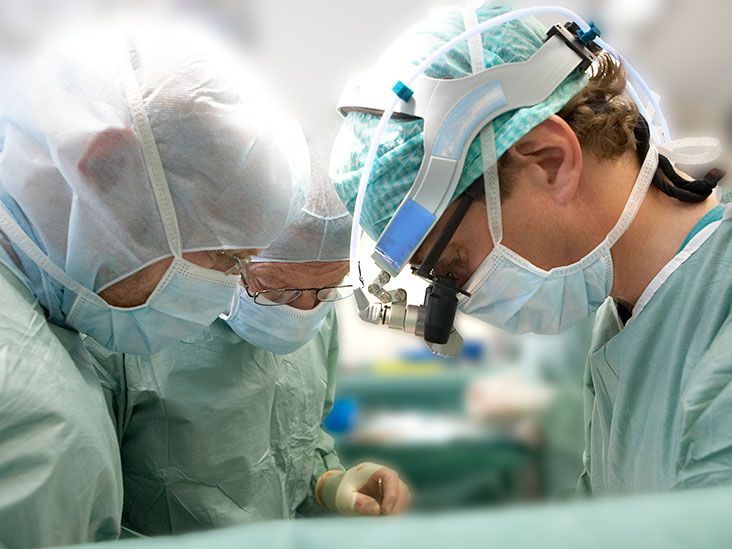
Most acromioplasty procedures are outpatient surgeries, meaning the patient usually goes home the same day. The operation is often performed under general anesthesia, sometimes with a regional nerve block to reduce pain after surgery. During arthroscopy, the surgeon inserts a tiny camera into the shoulder and views the joint and subacromial space on a monitor.
The surgeon may remove inflamed bursa, smooth rough bone, shave the underside of the acromion, and remove bone spurs. If a rotator cuff tear is found and repair is planned, anchors and sutures may be used to reattach the tendon to the bone. The incisions are then closed, dressed, and the arm is placed in a sling.
Acromioplasty Recovery Timeline
Recovery depends heavily on what was done during surgery. Acromioplasty alone usually heals faster than acromioplasty with rotator cuff repair. If a tendon was repaired, the tendon needs time to heal back to bone, and the rehabilitation program must protect that repair. This is why one patient may be back to light activities in a few weeks while another is still wearing a sling and negotiating with a pillow fortress at night.
First few days after surgery
The first few days are usually focused on pain control, swelling management, wound care, and safe movement. Ice, prescribed medication, and sling use may be recommended. Patients are usually told to keep incisions clean and dry according to their surgeon’s instructions. Sleeping upright or slightly reclined may be more comfortable than lying flat.
Weeks 1 to 3
For acromioplasty alone, gentle range-of-motion exercises often begin early, guided by the surgeon or physical therapist. The sling may be used mostly for comfort. Desk work may be possible within days to a couple of weeks, depending on pain, arm dominance, job demands, and medication use. Driving is usually avoided until the patient is off narcotic pain medicine and can safely control the vehicle.
Weeks 4 to 8
Physical therapy usually progresses toward better mobility, light strengthening, posture work, and shoulder blade control. Pain should gradually decrease, though soreness after therapy is common. Patients with acromioplasty alone may return to many daily activities during this phase, but heavy lifting, overhead labor, and aggressive workouts may still be restricted.
Months 3 to 6
Many patients continue strengthening and conditioning through the third to sixth month. Return to sports, heavy work, or overhead activity depends on strength, comfort, range of motion, and whether additional procedures were performed. If rotator cuff repair was part of the surgery, full recovery may take six months or longer, and large tears may require a longer timeline.
Physical Therapy After Acromioplasty
Physical therapy is not just a polite suggestion after acromioplasty. It is one of the main engines of recovery. Surgery can create more space, but therapy teaches the shoulder how to use that space without turning every movement into a tiny opera of pain.
Early therapy may focus on gentle motion and preventing stiffness. Later, the program often includes rotator cuff strengthening, scapular stabilization, stretching of tight tissues, posture training, and gradual return to activity. Patients should avoid comparing their recovery to someone else’s. Shoulders are like houseplants: some perk up quickly, some need patience, and some complain no matter how carefully you water them.
Common rehab goals
The main goals are to reduce pain, restore range of motion, rebuild strength, improve shoulder mechanics, and prevent symptoms from returning. A therapist may also help identify habits that contributed to the original problem, such as shrugging during overhead movement, weak lower trapezius muscles, poor thoracic mobility, or doing too much too soon at the gym.
Possible Risks and Complications
Acromioplasty is generally considered a common orthopedic procedure, but all surgery has risks. Possible complications include infection, bleeding, stiffness, nerve irritation, blood clots, anesthesia-related problems, persistent pain, weakness, or incomplete relief of symptoms. If rotator cuff repair is performed, there is also a risk that the tendon may not heal fully or could re-tear.
One of the most frustrating outcomes is technically successful surgery with lingering pain. This can happen if the original pain source was not mainly subacromial impingement, if stiffness develops, if rehabilitation is incomplete, or if tendon disease remains. That is why diagnosis and patient selection matter so much.
How to Improve Recovery After Acromioplasty
Good recovery is not about being heroic. In fact, “I pushed through it” is often the sentence that makes physical therapists stare quietly into the distance. The better plan is steady, smart progress.
Follow the surgical plan
Use the sling as directed, take medications safely, care for incisions properly, and attend follow-up appointments. If your surgeon gives restrictions, treat them like the terms and conditions you actually should read.
Do physical therapy consistently
Therapy exercises work best when done regularly and correctly. More is not always better. Painful overtraining can inflame the shoulder and slow progress. The goal is controlled improvement, not winning the Shoulder Olympics by week two.
Respect pain signals
Some soreness is normal, especially during rehab, but sharp pain, worsening swelling, fever, drainage, chest pain, shortness of breath, or sudden severe weakness should be reported promptly to a medical professional.
Prepare your home before surgery
Place frequently used items at waist or chest height, prepare easy meals, arrange transportation, and set up a comfortable sleeping area. Button-up shirts or loose tops can make dressing easier. Your future one-handed self will thank you.
Realistic Expectations: What Acromioplasty Can and Cannot Do
Acromioplasty can reduce mechanical irritation in selected patients, especially when symptoms, exam findings, and imaging all point to subacromial impingement that has not improved with conservative care. It can also support other procedures, such as rotator cuff repair, by removing spurs and improving space.
However, it cannot reverse all tendon degeneration, guarantee a pain-free shoulder, replace rehabilitation, or fix unrelated conditions. The best outcomes usually happen when the right patient gets the right procedure, follows the rehab plan, and returns to activity gradually.
Experiences and Practical Lessons From Acromioplasty Recovery
People recovering from acromioplasty often describe the first week as less about athletic glory and more about logistics. Simple tasks become strangely strategic. Brushing teeth, putting on a shirt, opening a jar, reaching for shampoo, and finding a comfortable sleeping position can feel like puzzles designed by someone with a mischievous sense of humor. This is normal, especially when the operated shoulder is on the dominant side.
One common experience is surprise at how much the shoulder affects sleep. Many patients expect daytime discomfort but underestimate nighttime aching. Recliners, wedge pillows, or sleeping slightly upright can help reduce pulling on the shoulder. Some people also find it useful to support the arm with a pillow so it does not drift backward during sleep. The first few nights may be awkward, but comfort usually improves as swelling and irritation decrease.
Another practical lesson is that recovery is rarely perfectly linear. A patient may feel better on Monday, do extra chores on Tuesday, and then wonder on Wednesday why the shoulder is grumbling like an old lawn mower. Small flare-ups can happen after increased activity or therapy progression. The important thing is to communicate with the physical therapist and surgeon rather than assuming every ache means failure. In many cases, the plan simply needs adjustment.
Patients who do best often treat physical therapy as a long-term partnership, not a quick errand. They learn how the shoulder blade moves, how posture affects overhead motion, and why strengthening small stabilizing muscles matters. The exercises may look humble, but they are doing serious work behind the scenes. A tiny external rotation exercise with a resistance band may not look impressive on social media, but your rotator cuff does not care about likes.
Returning to work depends on the job. A person with a desk job may return relatively quickly if pain is controlled and typing is comfortable. Someone who lifts, pushes, pulls, climbs, or works overhead may need more time and specific clearance. Trying to return too soon to heavy work can irritate healing tissues or delay progress. This is especially true if acromioplasty was combined with rotator cuff repair.
Emotionally, recovery can test patience. Active people may feel frustrated when they cannot exercise normally. Parents may feel annoyed that they need help with everyday tasks. Athletes may worry about losing conditioning. These feelings are understandable. A useful approach is to focus on what can be done safely: walking, lower-body training if approved, gentle mobility, nutrition, sleep, and rehab consistency.
By the later stages, the shoulder often feels stronger, smoother, and more predictable. The “pinch” with overhead motion may fade, range of motion improves, and confidence returns. Still, many people need several months before they stop thinking about the shoulder during daily life. Recovery is not just about the incisions healing; it is about restoring comfortable movement, strength, timing, and trust.
The biggest takeaway from patient experiences is simple: acromioplasty recovery rewards patience, consistency, and clear communication. It is not a race. It is more like renovating a room while still living in the house. There may be dust, inconvenience, and a few dramatic sighs, but with the right plan, the space can become much more usable again.
Conclusion
Acromioplasty can be helpful when shoulder impingement symptoms are persistent, clearly linked to subacromial narrowing or bone spurs, and not improving with conservative treatment. It may also be used during rotator cuff repair to remove irritating bone and create better space for healing tissues. But it is not necessary for every painful shoulder, and many people improve with physical therapy, activity changes, medication, and time.
The best decision comes from a careful diagnosis, realistic expectations, and a conversation with a qualified shoulder specialist. Recovery usually involves early protection, guided physical therapy, gradual strengthening, and patience. In other words, the shoulder may be small compared with the rest of the body, but it appreciates being treated like the complicated little engineering project it is.