Travel is a wonderful teacher. It teaches you how to order coffee in another language, how to apologize with hand gestures, and how quickly your “normal” life becomes very, very specific. Many Americans grow up assuming certain habits are universal: giant drinks with ice, free bathrooms, smiling at strangers, and driving three hours like it is a casual errand. Then they go abroad and discover that some everyday behaviors are not “just how life works.” They are deeply, hilariously, unmistakably American.
This list explores 30 things Americans often do not realize are American until they visit another country. Some are practical, some are cultural, and some are the kind of tiny details that make travelers stop in the middle of a sidewalk and whisper, “Wait, nobody else does this?”
Why Traveling Abroad Makes American Habits Stand Out
Culture is most visible when it disappears. In the United States, many people are used to wide roads, big refrigerators, constant refills, air conditioning, casual conversation with strangers, and restaurants that move at the speed of a small emergency. Abroad, those expectations can change overnight.
None of this means American habits are better or worse. They are simply different. A traveler in Italy may realize dinner is an event, not a refueling stop. In Japan, a visitor may learn that quiet public transportation is not a suggestion but a social contract. In the Netherlands, an American may discover that biking is transportation, not just weekend exercise performed in athletic clothing bright enough to guide aircraft.
The fun begins when familiar routines suddenly look strange. Here are 30 things Americans commonly discover are more American than they thought.
30 Things Americans Didn’t Realize Were American Until They Went Abroad
1. Putting Ice in Almost Every Drink
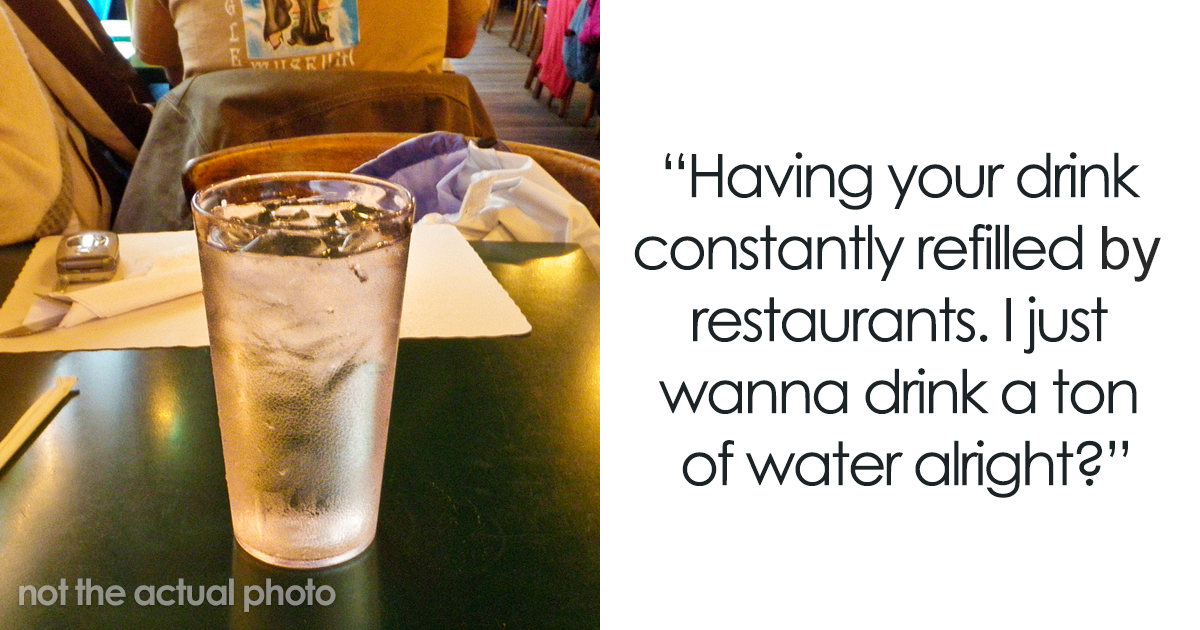
Americans often expect water, soda, iced tea, and even coffee to arrive packed with ice. In many countries, drinks are served cool, not arctic. The first time an American receives a soda with two polite cubes floating on top, it can feel like the beverage is underdressed.
2. Free Refills
In the U.S., free refills at casual restaurants are so common that people barely notice them. Abroad, ordering one soda often means receiving exactly one soda. That second glass is not a refill; it is a new financial decision.
3. Huge Restaurant Portions
American portions can be generous enough to require strategy, leftovers, and sometimes emotional support. In many countries, servings are smaller and designed for finishing at the table. Americans abroad may suddenly realize that “normal entrée” at home sometimes means “two meals and a midnight fork attack.”
4. Taking Leftovers Home
The doggy bag is a proud American institution. In some countries, taking leftovers home is less common or may feel awkward in formal restaurants. Americans who hate food waste often learn to ask politely, then accept that the server may look at them like they have requested a small engineering project.
5. Tipping for Nearly Everything
Tipping culture is one of the biggest shocks. In the U.S., tips are common in restaurants, rideshares, salons, bars, hotels, coffee shops, and increasingly on screens that appear before anyone has done anything except rotate an iPad. Abroad, service charges may be included, tipping may be modest, or tipping may even feel unusual.
6. Sales Tax Appearing at Checkout
In many countries, the price on the shelf is the price you pay. In the U.S., sales tax often appears at the register, creating the classic American math game: “This is $9.99, so why is my wallet crying?” Travelers quickly notice how convenient tax-inclusive pricing can be.
7. The Fahrenheit Temperature Scale
Americans may confidently say it is 72 degrees outside, only to realize that most of the world hears that as “please seek medical help.” Celsius dominates globally, while Fahrenheit remains part of everyday American weather talk. Abroad, Americans learn to translate temperature the way others translate currencies.
8. Miles, Feet, Inches, Pounds, and Ounces
The U.S. customary measurement system is another travel surprise. Road signs in kilometers, food sold in grams, and weather in Celsius can make Americans feel like they have accidentally enrolled in a math class. “A few miles away” becomes “how many kilometers is that, and why did my brain turn into soup?”
9. Writing Dates Month-Day-Year
Americans often write dates as month/day/year. Many other countries use day/month/year. This sounds harmless until 05/07 becomes either May 7 or July 5. International travel teaches Americans that date formats can create more suspense than a thriller novel.
10. Drinking Age of 21
Many Americans are surprised by lower legal drinking ages abroad. In much of Europe, people may legally drink beer or wine at 16 or 18, depending on the country. The U.S. age of 21 feels normal at home, but it stands out quickly in places where alcohol is treated more like a meal companion than a forbidden treasure chest.
11. Asking “How Are You?” Without Expecting the Full Report
In the U.S., “How are you?” often means “hello.” Abroad, people may answer honestly, pause, or wonder why a stranger wants an emotional status update. Americans abroad sometimes learn that their friendly greeting is actually a tiny social boomerang.
12. Smiling at Strangers
Americans are famous for smiling at cashiers, passersby, servers, bus drivers, dogs, babies, and occasionally doors that open automatically. In some cultures, smiling at strangers is warm. In others, it can seem odd, overly familiar, or suspiciously cheerful.
13. Small Talk With Everyone
Americans can chat about the weather, shoes, sports, snacks, airport delays, and a stranger’s excellent tote bag in under 45 seconds. In some countries, public small talk is less common. Silence is not rude; it is simply silence. This can be shocking for Americans who treat elevators like temporary talk shows.
14. Personal Space Expectations
Americans often expect a comfortable bubble of space in lines and public areas. Abroad, the bubble may shrink dramatically. Crowded trains, markets, and sidewalks can teach Americans that “standing close” does not always mean “trying to steal my identity.”
15. Wearing Athletic Clothes Everywhere
Leggings, sneakers, sweatshirts, baseball caps, and gym clothes as daily outfits are common in the U.S. In many cities abroad, casual clothing is still common, but people may dress more intentionally for errands, meals, or public life. Americans sometimes discover that their “airport outfit” looks like they are preparing to move furniture.
16. Baseball Caps as Everyday Fashion
A baseball cap in the U.S. is practical, sporty, and normal. Abroad, it can be a quick visual clue that someone is American, especially when paired with sneakers, a water bottle, and the confident stride of a person searching for Wi-Fi.
17. Loud Restaurant Voices
American restaurants can be lively, loud, and full of overlapping conversation. In quieter countries, American volume stands out. Many travelers learn the international art of speaking softly after noticing their table is accidentally broadcasting dinner plans to three neighboring streets.
18. Drive-Through Everything
The U.S. has drive-through coffee, banks, pharmacies, burgers, tacos, and in some places, almost anything short of a wedding ceremony. Abroad, walkable cities and public transit can make drive-through culture seem extremely American. Convenience, in the U.S., often has a lane and a speaker box.
19. Driving Long Distances Casually
Americans may call a four-hour drive “not bad.” In smaller countries, that can mean crossing borders, languages, and several snack cultures. U.S. geography teaches people to think in road-trip scale, which becomes obvious when foreign friends react to a “quick weekend drive” as if it were an expedition.
20. 24/7 Stores and Late-Night Convenience
Many Americans expect pharmacies, diners, gas stations, and grocery stores to stay open late, sometimes all night. Abroad, earlier closing times are common in many places. Travelers learn to buy toothpaste before 8 p.m. or accept that tomorrow’s breath is tomorrow’s problem.
21. Air Conditioning Everywhere
In the U.S., air conditioning can be intense enough to require a sweater in July. Abroad, cooling may be lighter, seasonal, or absent in older buildings. Americans used to indoor temperatures set to “walk-in refrigerator” may need time to adapt.
22. Screens, Ice Makers, and Giant Refrigerators
American kitchens often feature large refrigerators, freezer space, ice makers, and enough pantry storage to survive a mild apocalypse. In many countries, smaller homes and frequent shopping mean smaller fridges. Americans abroad may learn that buying 24 yogurts at once is not a universal grocery strategy.
23. Free Public Bathrooms
In the U.S., people often expect restrooms in stores, restaurants, parks, and gas stations. Abroad, bathrooms may require coins, a purchase, or patience. Few things humble an American traveler faster than needing a restroom and discovering the entrance has a turnstile.
24. Paper Checks
Although checks are declining in the U.S., many Americans still know how they work. In some countries, digital bank transfers are far more common for rent, bills, and personal payments. Abroad, Americans may realize that writing a paper check feels charmingly old-fashioned, like mailing a telegram with extra steps.
25. Credit Card Rewards Obsession
Americans often discuss points, miles, cash back, sign-up bonuses, and which card to use for dinner. Other countries have cards too, but the American rewards ecosystem can be unusually intense. Travel points are practically a hobby, a math puzzle, and a personality trait.
26. Peanut Butter Devotion
Peanut butter is a pantry staple in many American homes. Abroad, it may be available but less central, less sweet, or tucked into a small shelf like a niche hobby. Americans who grew up on peanut butter sandwiches may be surprised that not every culture treats it as edible glue from the heavens.
27. Pumpkin Spice Season
Autumn in the U.S. brings pumpkin spice coffee, candles, cereal, cookies, creamers, and possibly legal documents if marketers get ambitious. Abroad, pumpkin exists, spices exist, and coffee exists, but the seasonal pumpkin spice stampede is distinctly American in scale.
28. College Sports as a Major Cultural Force
In the U.S., college football and basketball can fill stadiums, dominate weekends, and inspire lifelong loyalty. Abroad, university sports are often less central to national entertainment. Americans may realize that tailgating for a school you graduated from 20 years ago is a cultural commitment, not a default human behavior.
29. Patriotism in Everyday Life
American flags appear on homes, cars, clothing, schools, businesses, and holiday decorations. Many countries are patriotic too, but the everyday visibility of national symbols in the U.S. can be striking. Abroad, Americans may notice that flags are used more selectively or formally.
30. Asking for Substitutions at Restaurants
American diners are used to customizing meals: dressing on the side, no onions, extra sauce, swap fries for salad, sauce separate, burger medium-well but emotionally available. In some countries, the menu is more fixed. The chef’s plan is the plan. Americans learn that not every dish is a choose-your-own-adventure novel.
What These Differences Reveal About American Culture
These surprises say a lot about the United States. American culture values convenience, personalization, friendliness, speed, abundance, and individual choice. Those values show up in everything from huge drink sizes to restaurant substitutions. They also explain why Americans abroad may feel confused when stores close early, meals take longer, or nobody wants to discuss the weather while waiting for the train.
At the same time, travel reveals the advantages of other systems. Tax-inclusive pricing is refreshingly simple. Smaller portions can reduce waste. Public transportation can make daily life easier. Slower meals can feel more social and less rushed. Quieter public spaces can be peaceful once you stop trying to narrate your entire day to the nearest stranger.
The best travelers do not treat differences as inconveniences. They treat them as invitations. Instead of asking why another country does not do things the American way, they ask what that country’s habits reveal about its history, values, space, climate, economy, and social rules.
Extra Travel Experiences: The Funny Moment Americans Realize They Are Very American
One of the most common experiences Americans describe abroad is the “ice water moment.” It usually happens at a restaurant after a long day of walking. The traveler sits down, tired and thirsty, and asks for water. A glass arrives. It is room temperature. There is no ice. The American stares at it with the quiet confusion of someone whose operating system has crashed. After a few days, though, many adapt. Some even discover they can drink water without turning it into a glacier exhibit.
Another classic moment happens at the checkout counter. An American sees a price tag, prepares for tax to appear, and then realizes the total is exactly what the label said. No mental math. No surprise coins. No tiny betrayal by the register. It feels almost suspiciously convenient. Many travelers come home wondering why shelf prices in the U.S. cannot simply include taxes too.
Restaurant culture also creates memorable lessons. In the U.S., servers often check in frequently, refill drinks, clear plates quickly, and bring the check fast. In many countries, lingering is normal. The table is yours for the evening, and nobody is rushing you out. At first, Americans may feel ignored. Then they realize the slower pace is not bad service; it is a different idea of hospitality. The meal is not a pit stop. It is the destination.
Public transportation brings another awakening. Americans from car-dependent areas may be amazed by cities where trains, trams, buses, and bikes make daily life possible without a car. The first time a traveler uses a clean, frequent metro system to reach dinner, a museum, and the airport, something shifts. Suddenly, a 45-minute drive for groceries back home feels less like freedom and more like a subscription plan to asphalt.
Then there is the volume lesson. Americans are not always loud, of course, but many discover that their natural speaking voice travels farther than expected. A group of American friends in a quiet café may slowly realize everyone else is speaking at half-volume. The adjustment can be humbling. It is also useful. Speaking more softly abroad is one of the quickest ways to blend in, even if your sneakers, baseball cap, and confused relationship with Celsius are still giving you away.
Finally, many Americans return home with a new appreciation for both sides. They miss the convenience of the U.S.: free water, ice, big roads, late-night stores, easy returns, and casual friendliness. But they also miss parts of life abroad: slower meals, walkable neighborhoods, efficient trains, honest prices, and the feeling that not every errand needs to involve a car, a receipt, and a loyalty rewards account.
That is the real gift of travel. It does not simply show Americans how other people live. It shows them how American they are. Sometimes that realization is funny. Sometimes it is uncomfortable. Often, it is both. But once you have seen your own culture from the outside, you never quite see it the same way again.
Conclusion
Going abroad turns everyday American habits into cultural clues. Ice-filled drinks, giant portions, tipping screens, Fahrenheit forecasts, casual small talk, and long road trips may feel normal in the United States, but they can stand out dramatically elsewhere. These differences are not flaws; they are reminders that “normal” is local.
The smartest travelers stay curious. They laugh at themselves, learn the local customs, and resist the urge to compare every new experience to home. After all, the best travel stories often begin with confusion: a warm soda, a paid restroom, a tiny hotel fridge, or a waiter who refuses to bring the check until asked. Those moments are small, but they reveal something big. Culture lives in the details.