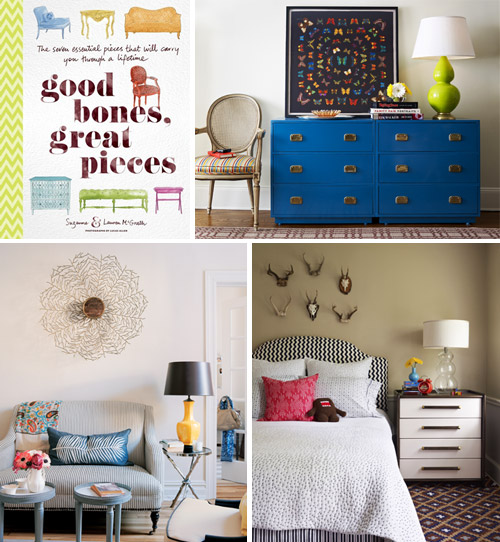
“Fab Freebies: Them Bones” sounds like the name of a Halloween jazz band, but in the world of home decorating, it points to something far more useful: the magic of finding furniture and decor with good bones. In other words, pieces that may look tired, dusty, mismatched, or mildly offended by modern lighting, but still have strong structure, classic proportions, and the potential to become the star of a room.
The phrase gained attention through a Young House Love giveaway connected to the book Good Bones, Great Pieces, a decorating guide built around the idea that certain timeless furniture pieces can move through rooms, homes, and life stages without losing their charm. That concept still feels fresh today because most people are not trying to decorate museum-perfect homes. They are trying to make real spaces work on real budgets, preferably without selling a kidney to buy a side table.
This article explores how “fab freebies” and “them bones” can inspire smarter decorating: choosing quality over trendiness, spotting secondhand treasures, making hand-me-downs feel intentional, and turning free or low-cost furniture into rooms that look layered, personal, and collected over time.
What Does “Them Bones” Mean in Home Decor?
In decorating, “good bones” refers to the underlying quality of a piece or space. A chair with faded upholstery but a graceful frame has good bones. A dresser with scratched wood but dovetail drawers has good bones. A room with awkward paint but great natural light, tall ceilings, or charming trim has good bones. The surface may need help. The foundation does not.
This idea is especially helpful for budget decorators because it shifts attention away from “Is this perfect right now?” and toward “Could this become wonderful with a little effort?” That one question can save hundreds, sometimes thousands, of dollars. It also makes decorating more personal. Anyone can buy a matching furniture set. It takes a little imagination to see a forgotten bench as an entryway hero or a vintage dresser as a bathroom vanity.
Why Good Bones Beat Fast Furniture
Fast furniture can be tempting. It arrives quickly, photographs well, and often comes with names that sound like Scandinavian villages. But pieces chosen only because they are trendy may not last physically or stylistically. When a trend fades, the furniture often feels disposable.
Furniture with good bones usually offers three advantages: durability, flexibility, and character. A sturdy wood dresser can work in a bedroom, nursery, entryway, dining room, or office. A classic side chair can float from a reading corner to a guest room. A well-made bench can sit at the foot of a bed today and under a window tomorrow. These pieces adapt because their shapes are simple enough to play well with different styles.
Structure Matters More Than Surface
When judging a potential freebie, look beyond paint color, knobs, fabric, or dust. Those are cosmetic problems. Instead, check whether the piece is sturdy, properly balanced, and made from quality materials. Open drawers. Wiggle legs. Look underneath. Inspect seams. If a piece feels solid, sits level, and has a shape you like, it may be worth rescuing.
Surface flaws are often easy to fix. Paint can be changed. Hardware can be swapped. Fabric can be cleaned or replaced. But bad proportions, weak construction, or a musty smell that could haunt a lighthouse are harder to solve.
The Seven Workhorse Pieces Every Home Can Use
The spirit of Good Bones, Great Pieces centers on versatile furniture that can travel from room to room. You do not need to follow any list perfectly, but these categories are a smart place to start.
1. The Loveseat or Small Sofa
A compact loveseat is useful in apartments, bedrooms, offices, and small living rooms. It offers comfort without swallowing the floor plan whole. Choose clean arms, a neutral fabric, and a size that can fit through doorways without causing a family crisis.
2. The Dresser
A dresser is one of the most flexible pieces in a home. It stores clothing in a bedroom, linens in a hallway, games in a family room, or dishes in a dining area. Add new knobs, a coat of paint, or a refinished top, and it can look completely different.
3. The Bench
Benches are quiet overachievers. They work in entryways, mudrooms, dining rooms, bedrooms, and covered porches. A free bench with scuffed legs can become a polished accent with sanding, paint, and a cushion.
4. The Side Table
Small tables solve daily problems. They hold lamps, books, drinks, keys, plants, and the mysterious pile of receipts everyone insists they will organize later. A side table does not need to match anything; it only needs good scale and useful height.
5. The Accent Chair
A single chair can add personality to a room. It can be upholstered, slipcovered, painted, or left beautifully imperfect. If the frame is sturdy and the silhouette is strong, even outdated fabric should not scare you away.
6. The Mirror
Mirrors bounce light, expand small rooms visually, and add shape to empty walls. A thrifted or inherited mirror with a dated frame can be transformed with paint, gilding wax, or simply a better location.
7. The Storage Chest or Cabinet
Storage is the broccoli of decorating: not always glamorous, but absolutely necessary. Chests, cabinets, and sideboards help hide clutter while adding visual weight. Look for real wood, working doors, and enough depth to be practical.
Where to Find Fab Freebies
The best “fab freebies” rarely appear while you are sitting politely at home waiting for a design miracle. You have to know where to look and how to look without accidentally becoming the person who brings home eleven broken chairs “for a future project.”
Family Hand-Me-Downs
Start with relatives. Many families have a side table, dresser, mirror, or dining chair hiding in a garage or basement. These pieces often come with stories, which instantly gives them more soul than something bought in a panic on a Tuesday night.
Neighborhood Giveaways
Local free groups, community boards, and curb alerts can be gold mines. The trick is to move quickly but think clearly. Ask for dimensions, inspect photos, and make sure you can transport the piece safely. Free is not free if it requires renting a truck, bribing three friends with pizza, and blocking traffic.
Thrift Stores and Charity Shops
Even when items are not free, secondhand shops can offer excellent value. Visit often because inventory changes quickly. Look for solid wood, classic shapes, and pieces that need only minor repairs. The goal is not to find perfection; it is to find potential.
Estate Sales, Yard Sales, and Moving Sales
These are excellent places to find older furniture with better construction than many modern budget pieces. Bring measurements, a tape measure, and a realistic sense of your space. The giant antique cabinet may be gorgeous, but if it blocks your hallway like a wooden refrigerator, it is not your cabinet.
How to Judge a Free Furniture Find
Before dragging a “treasure” home, give it a practical inspection. First, check stability. Does it wobble? Are the legs cracked? Do drawers slide? Are shelves sagging? Second, smell it. Smoke, mildew, and pet odors can be difficult to remove. Third, look for pests or damage. Tiny holes, powdery residue, or suspicious debris are warning signs.
Also consider safety. Tall or heavy furniture such as dressers, bookcases, and cabinets should be anchored to the wall, especially in homes with children. A beautiful vintage dresser is not truly a win until it is safe, stable, and secure.
Easy Ways to Make Old Bones Look Great
Once you have found a piece with promise, the makeover does not need to be dramatic. Sometimes the best update is restraint. Clean it thoroughly, tighten screws, polish the wood, and live with it for a week before making big decisions.
Paint With Purpose
Paint can rescue damaged finishes and unify mismatched furniture. For a timeless look, try soft white, warm gray, navy, black, sage, or muted taupe. For a bolder room, a small piece in deep green, terracotta, or dusty blue can add personality without overwhelming the space.
Swap the Hardware
New knobs or pulls can change a dresser faster than coffee changes a Monday morning. Brass, matte black, ceramic, glass, and wood hardware all create different moods. Keep the scale appropriate so tiny drawers do not end up wearing giant handles like earrings from a soap opera.
Add Texture With Textiles
A bench can gain warmth from a cushion. A chair can be refreshed with a throw. A plain sofa can look layered with pillows and a textured blanket. Textiles are often easier and cheaper to change than furniture, making them ideal for seasonal updates.
Use Styling to Connect Old and New
A vintage chest can look intentional beside a modern lamp. A thrifted chair can feel current with a clean-lined side table. The secret is repetition: repeat a color, material, shape, or finish elsewhere in the room so the piece feels connected instead of abandoned.
Room-by-Room Ideas for Decorating With Good Bones
Entryway
Use a slim dresser, demilune table, or small bench near the door. Add a mirror, tray, lamp, and basket for shoes or bags. This creates a landing zone that looks polished and prevents keys from joining the witness protection program.
Living Room
Mix one strong anchor piece with lighter accents. A classic sofa, vintage side table, or sturdy media cabinet can ground the room. Avoid pushing every piece against the wall. Floating furniture slightly can make a space feel more planned and conversational.
Bedroom
A secondhand dresser, nightstand, or bench can make a bedroom feel collected. Matching sets are not required. Instead, balance pieces by height, color, or material. Two different nightstands can work beautifully if they share similar scale or finish.
Dining Area
Dining rooms love old bones. A vintage table, mixed chairs, inherited cabinet, or refinished buffet can add instant depth. If the chairs do not match, paint them the same color or use similar seat cushions to create unity.
Common Mistakes to Avoid
The first mistake is taking every free thing just because it is free. A bargain that clutters your home is not a bargain; it is a roommate with drawers. Be selective. Measure your space and know what you actually need.
The second mistake is ignoring scale. A piece can be beautiful and still wrong for the room. Oversized furniture makes small spaces feel cramped, while tiny furniture can make a room feel awkward and unfinished.
The third mistake is over-refinishing. Not every old piece needs to become glossy white. Sometimes age is the charm. Preserve interesting wood grain, original hardware, or worn patina when it adds character.
The fourth mistake is forgetting function. A chair no one wants to sit in is sculpture. A dresser with sticky drawers is daily irritation in furniture form. Beauty matters, but usefulness is what keeps a piece in your home for years.
Why Fab Freebies Are Also Sustainable
Decorating with secondhand and free pieces supports a more sustainable lifestyle. Reusing furniture keeps useful items out of landfills and reduces demand for newly manufactured goods. It also encourages creativity. Instead of buying an entire room in one afternoon, you build slowly, choosing pieces with purpose.
This slower approach often leads to better rooms. Homes feel richer when they include a mix of eras, textures, and stories. A new lamp beside an old dresser, a modern print above a thrifted bench, or a family mirror over a simple console creates contrast. Contrast is what keeps a room from looking like page 42 of a catalog sneezed into your living room.
Experiences Related to “Fab Freebies: Them Bones”
The best lesson from the “Fab Freebies: Them Bones” mindset is that great decorating often begins with seeing what others overlook. Imagine walking past a curbside dresser. One drawer sticks, the finish is scratched, and the handles look like they were chosen during a very emotional 1980s hardware sale. Most people keep walking. But someone with a good-bones mindset stops and checks the frame. The dresser is solid wood. The drawers are intact. The proportions are elegant. Suddenly, it is not trash. It is a weekend project with storage.
One common experience among budget decorators is the “I almost left it behind” moment. A free chair looks too formal, too brown, or too grandmotherly at first glance. Then it gets cleaned, paired with a modern pillow, and placed near a sunny window. Now it becomes the reading chair everyone fights over. The funny part is that the same person who doubted it will usually say, “Where did you buy that?” Decorating victory tastes best when it costs zero dollars and a little elbow grease.
Another relatable experience is inheriting furniture that does not match your current style. Maybe a relative offers a dark wood buffet, and your home leans bright, airy, and casual. At first, the buffet feels too serious, as if it might ask guests to use salad forks correctly. But place it under a simple mirror, add a modern lamp, stack a few art books, and suddenly the piece adds warmth and history. The room feels less flat because the old piece gives it depth.
Freebies also teach patience. When you decorate only with brand-new items, you can fill a room quickly. When you hunt for good bones, the process takes longer. You may wait weeks for the right table or months for a dresser that fits your measurements. But that waiting often prevents impulse purchases. You learn what your home actually needs instead of buying filler.
There is also a confidence boost that comes from rescuing a piece. The first time you sand a tabletop, change hardware, or paint a thrifted nightstand, furniture becomes less intimidating. You realize many decor problems are fixable. A scratched top is not a tragedy. A dated finish is not destiny. Even ugly knobs can be replaced, which is comforting because some knobs have clearly made poor life choices.
The most rewarding experience is when a free or secondhand piece becomes part of your home’s story. Guests may admire the polished result, but you know the secret history: the curb pickup, the awkward car ride, the dusty garage phase, the paint test, the moment you nearly gave up, and the final reveal. That story gives the piece meaning. It is no longer just furniture. It is proof that style does not have to be expensive to be beautiful.
Conclusion
“Fab Freebies: Them Bones” is more than a catchy title. It is a practical decorating philosophy: choose pieces with strong structure, classic shape, and flexible function; then let creativity do the rest. Whether you are furnishing a first apartment, refreshing a family home, or trying to make a room feel less like a storage unit with curtains, good bones are your best friend.
The smartest homes are not built overnight. They are collected, edited, repaired, inherited, discovered, and occasionally rescued from the curb with suspicious enthusiasm. When you learn to spot potential, you stop chasing perfect pieces and start building a home with personality, purpose, and staying power.
Note: This article is written for web publication as original editorial content based on real decorating principles, secondhand furniture practices, sustainability concepts, and safety guidance. No external source links or citation placeholders are included in the publish-ready HTML body.