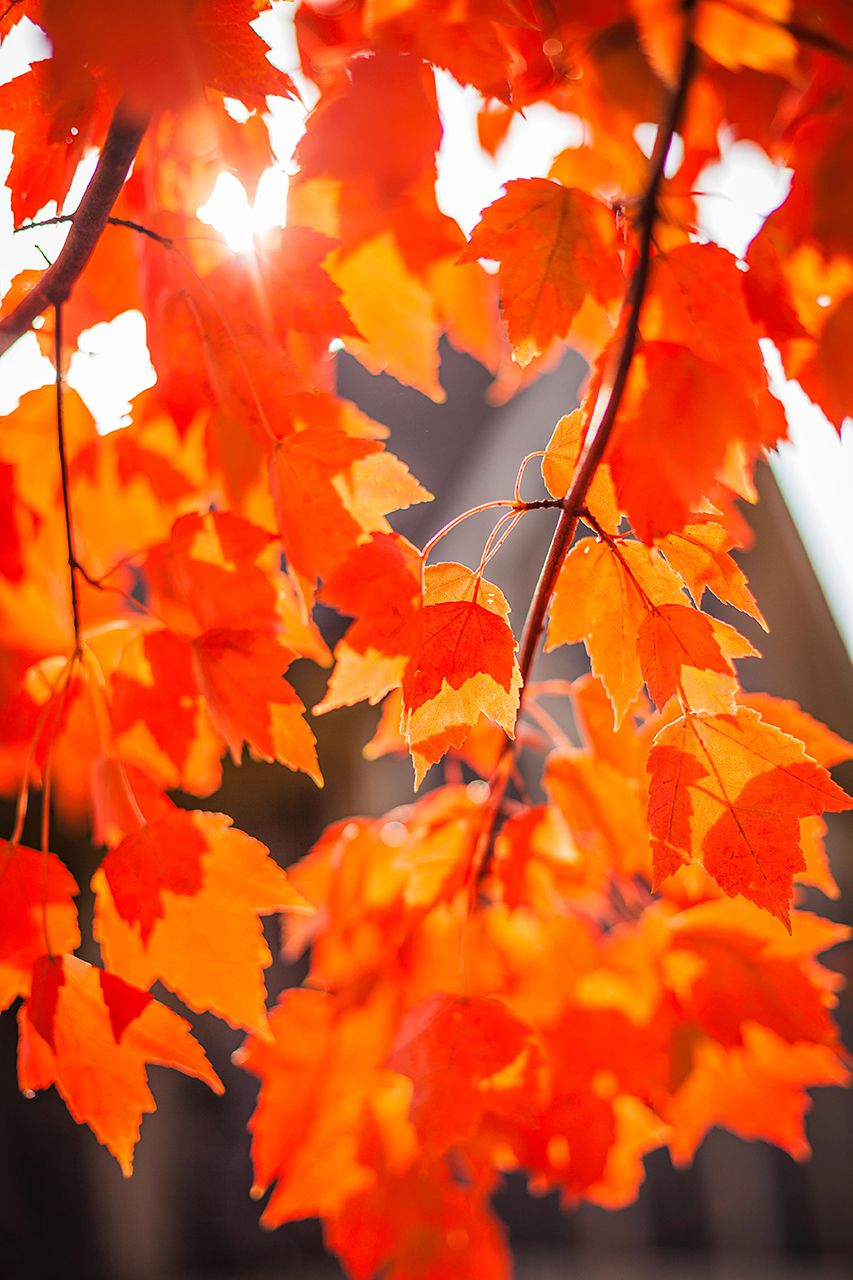
Maple trees are the drama queens of the landscape, and honestly, we thank them for it. Just when the garden starts looking tired after summer, maples stride in wearing red, orange, gold, burgundy, copper, and sometimes all of the above like they were styled by autumn itself. Whether you want a towering shade tree, a compact ornamental tree for a small yard, or a Japanese maple that looks like it belongs beside a quiet stone path, there is a maple with your name on it.
The best maple trees for vibrant color do more than turn pretty for two weeks in October. Many offer spring flowers, summer shade, colorful bark, elegant branching, textured leaves, and wildlife value. Some are native to North America, while others are prized ornamental trees from Asia. The secret is choosing the right maple for your climate, soil, space, and maintenance style. A sugar maple may be glorious in a roomy northern yard, but it will sulk near hot pavement. A Japanese maple may be breathtaking near a patio, but it will not appreciate being roasted by afternoon sun in a dry, windy corner.
Below are 15 colorful maple trees worth knowing, from classic red maple to paperbark maple, trident maple, Shantung maple, and several Japanese maple favorites. Think of this as your fall-foliage menu. No pumpkin spice required, although it would not hurt.
Why Maple Trees Produce Such Brilliant Color
Maple fall color comes from pigments already present in the leaves and pigments produced as days shorten and temperatures cool. Yellow and orange tones come largely from carotenoids, while red and purple shades are linked to anthocyanins. Sunny days followed by cool nights often deepen red color because sugars become trapped in the leaves. That is why one autumn can look like a fireworks finale and another can feel more like a polite handshake.
Color also depends on species, cultivar, soil moisture, genetics, and site conditions. A red maple in moist acidic soil may glow scarlet, while one struggling in alkaline soil may look less enthusiastic. Japanese maples can shift from green to crimson, bronze, gold, or purple depending on the cultivar. In short: choose wisely, plant thoughtfully, and your maple will do the seasonal showing-off for you.
15 Types of Maple Trees for Vibrant Color
1. Red Maple (Acer rubrum)
Red maple is one of the most beloved native maple trees in the eastern United States, and its name is not just marketing. Its buds, flowers, leaf stems, and fall foliage can all carry shades of red. In autumn, red maple often turns scarlet, orange-red, or a glowing blend of both. It is also one of the earlier maples to color, which means it starts the fall party before some trees have even checked their calendars.
This tree is adaptable and grows in a wide range of sites, though it performs best in moist, slightly acidic soil. It can reach medium to large shade-tree size, so give it room. Popular cultivars such as ‘October Glory’, ‘Red Sunset’, and ‘Autumn Flame’ are often selected for more consistent fall color than seed-grown trees.
2. Sugar Maple (Acer saccharum)
If autumn had a flagship tree, sugar maple would be standing on the deck waving a golden-orange flag. Famous for maple syrup and hardwood, sugar maple is equally treasured for fall foliage in shades of yellow, orange, and red. In northern climates, few trees can compete with its glowing canopy on a crisp October afternoon.
Sugar maple is best for larger landscapes, parks, and spacious yards. It prefers deep, fertile, well-drained soil and does not love compacted urban sites, road salt, or reflected heat. Treat it like a long-term investment, not a quick decoration. With the right site, it becomes a shade-giving, syrup-making, leaf-dropping masterpiece.
3. Black Maple (Acer saccharum subsp. nigrum)
Black maple is closely related to sugar maple and is often treated as a subspecies. It has a dense rounded crown, dark bark, and rich fall color that can lean golden yellow to orange. It is especially useful in parts of the Midwest where it may tolerate heat and drought a bit better than classic sugar maple.
Choose black maple if you love the sugar maple look but want a tree with a slightly tougher personality. It still needs space, good soil, and patience, but it rewards careful planting with elegant structure and warm fall color.
4. Japanese Maple (Acer palmatum)
Japanese maple is the graceful artist of the maple world. Instead of overwhelming the yard with size, it wins with shape, texture, and refined color. Depending on the cultivar, leaves may be green, red, purple, bronze, or variegated during the growing season, then shift to red, orange, gold, or burgundy in fall.
Most Japanese maples prefer moist, well-drained, slightly acidic soil and protection from harsh afternoon sun, especially in hot climates. They are excellent near patios, courtyards, entries, ponds, and small gardens. Plant one where you can see it from a window, because this is not a tree you want hiding behind the garage.
5. ‘Bloodgood’ Japanese Maple
‘Bloodgood’ is one of the most recognizable Japanese maple cultivars, famous for deep burgundy foliage that holds color well through much of the growing season. In fall, the leaves often brighten to crimson or red-burgundy. It typically grows as a small tree or large shrub, making it ideal for compact landscapes.
Use ‘Bloodgood’ as a specimen tree where its dark foliage can contrast with lighter plants, stone, gravel, or pale walls. It looks especially sharp near evergreens, ornamental grasses, and chartreuse perennials. Like most Japanese maples, it appreciates consistent moisture and some shelter from drying winds.
6. ‘Osakazuki’ Japanese Maple
If you want a Japanese maple known for brilliant red fall color, ‘Osakazuki’ deserves a starring role. Its green summer leaves may seem modest at first, but autumn flips the switch. The foliage can turn an intense, clear red that looks almost backlit.
‘Osakazuki’ is a fine choice for gardeners who prefer green foliage in spring and summer but want a dramatic fall display. It works beautifully as a small specimen tree and is often praised for reliable autumn color. Give it rich, well-drained soil and avoid letting it dry out during hot spells.
7. Coral Bark Japanese Maple (Acer palmatum ‘Sango-kaku’)
Coral bark Japanese maple earns its keep in more than one season. In spring and summer, it has delicate green leaves. In fall, the foliage turns yellow-gold, sometimes with warm apricot tones. Then, after the leaves drop, the coral-red young stems light up the winter garden like nature installed decorative branches.
This is an excellent maple for four-season interest. Plant it where low winter sun can highlight the bark. It pairs beautifully with dark evergreens, snow, stone, and simple modern landscapes. For the best stem color, give it good light, but protect it from brutal heat in warmer regions.
8. Paperbark Maple (Acer griseum)
Paperbark maple is proof that bark can be just as exciting as leaves. This small to medium ornamental tree is loved for peeling cinnamon, copper, and reddish-brown bark that curls away in thin sheets. In fall, the leaves often turn orange-red or scarlet, creating a warm glow above an already handsome trunk.
Paperbark maple grows slowly, which is a polite way of saying it will not swallow your yard while you are on vacation. It is ideal for small gardens, courtyards, and collector landscapes. Because it offers year-round beauty, place it somewhere visible in winter, not in a forgotten corner beside the trash bins.
9. Autumn Blaze Maple (Acer x freemanii ‘Jeffersred’)
Autumn Blaze maple is a hybrid between red maple and silver maple, combining fast growth with vivid orange-red to scarlet fall color. It is widely planted as a street, park, and residential shade tree because it grows quickly and puts on a reliable autumn show.
That said, fast-growing trees still need thoughtful care. Give Autumn Blaze room for roots and canopy development, and avoid planting it too close to sidewalks, foundations, or tiny lawns. It is best for homeowners who want shade sooner rather than later and are willing to prune for strong structure while the tree is young.
10. Trident Maple (Acer buergerianum)
Trident maple is a handsome small to medium tree with distinctive three-lobed leaves. In autumn, it can turn red, orange, yellow, or a mix of sunset colors. It is often used as a street tree, courtyard tree, or bonsai subject because of its smaller scale and attractive bark.
This maple is useful where a full-size shade tree would be too much. It tolerates urban conditions better than many delicate ornamentals, though it still needs proper watering during establishment. The exfoliating bark adds extra texture as the tree matures.
11. Shantung Maple (Acer truncatum)
Shantung maple is a tough, attractive tree with glossy foliage that emerges reddish, matures green, and then turns yellow, orange, red, or even purple in fall. It is small enough for many residential landscapes and can work under power lines where larger maples would be a future headache with a pruning bill.
This tree is a strong candidate for gardeners who want vibrant color but also need adaptability. It handles heat better than some classic northern maples and has a tidy form that suits streetscapes, lawns, and mixed borders.
12. Fullmoon Maple (Acer japonicum)
Fullmoon maple is similar in spirit to Japanese maple but has broader, rounded leaves that look like little leafy fans. Fall color can be spectacular, ranging from gold and orange to crimson depending on cultivar and conditions. It is a multi-season ornamental with delicate flowers, attractive foliage, and graceful form.
Use fullmoon maple where you want softness and elegance rather than dense shade. It prefers moist, well-drained, acidic soil and partial shade in hotter areas. In a woodland garden, it can look almost magical, as if it wandered in from a painting and decided to stay.
13. Three-Flowered Maple (Acer triflorum)
Three-flowered maple is an underused gem with peeling bark and glorious fall foliage in yellow, orange, and red. It grows as a small to medium ornamental tree and often develops a pleasing upright or spreading habit. The bark becomes more interesting with age, giving the tree winter appeal after its leaves have made their dramatic exit.
This maple is excellent for gardeners who want something a little different from the usual neighborhood lineup. It is not as common as red maple or Japanese maple, which makes it a conversation starter. Plant it as a specimen where its bark and foliage can be appreciated up close.
14. Amur Maple (Acer ginnala)
Amur maple is known for fiery red fall color and a compact size that can fit smaller properties. It can be grown as a small tree or large multi-stemmed shrub, and its bright autumn display is the reason many gardeners notice it in the first place.
However, there is a very important catch: Amur maple can be invasive or potentially invasive in some regions. Before planting it, check your state and local guidance. If it is discouraged where you live, choose a less problematic colorful alternative such as paperbark maple, three-flowered maple, serviceberry, or a regionally appropriate native tree. Pretty is nice; pretty and responsible is better.
15. Vine Maple (Acer circinatum)
Vine maple is native to the Pacific Northwest and is beloved for its graceful branching, rounded leaves, and rich fall color. It often grows as a multi-stemmed small tree or large shrub, turning yellow, orange, or red in autumn. In its natural habitat, it brightens woodland edges and forest understories.
This is a wonderful choice for naturalistic gardens, shaded landscapes, and sites that mimic woodland conditions. It is not the maple for every climate, but in the right region it delivers a relaxed, layered, quietly beautiful look. Think less formal front-yard soldier, more woodland poet with excellent wardrobe choices.
How to Choose the Best Maple for Your Yard
Match the Tree to the Space
Before falling in love with a maple, measure your planting area. A sugar maple or red maple may become a major shade tree, while paperbark maple, trident maple, and many Japanese maples stay much smaller. Planting a large maple in a tiny yard is like buying a sectional sofa for a closet: technically possible, emotionally exhausting.
Consider Soil and Moisture
Maples generally prefer consistent moisture, but they do not all tolerate the same conditions. Red maple handles a wider range of soils than sugar maple. Japanese maples prefer evenly moist, well-drained soil and can scorch if they dry out. Sugar maple dislikes compacted soil, road salt, and intense urban heat. Healthy roots create better foliage, and better foliage creates better color.
Think About Sun Exposure
Full sun often improves fall color on large shade maples, but some ornamental maples appreciate afternoon shade, especially in hot climates. Japanese maples with delicate leaves can suffer from leaf scorch in exposed, dry locations. If your yard feels like a toaster oven in July, choose heat-tolerant species or provide filtered shade.
Check Local Invasive Lists
Some maples, especially Amur maple and Norway maple in certain regions, can spread into natural areas. Before planting any non-native maple, check local extension recommendations or invasive plant lists. A colorful tree should not become a neighborhood ecological prank.
Planting and Care Tips for Better Maple Color
Plant maples in fall or early spring when temperatures are mild. Dig a wide planting hole, keep the root flare visible, and avoid burying the trunk too deeply. Mulch with a broad ring of organic mulch, but keep mulch away from the bark. The dreaded mulch volcano may look official, but it is bad gardening with dramatic height.
Water deeply during the first few growing seasons. Young maples need consistent moisture while roots establish. Prune for structure when trees are young, removing crossing branches and weak angles. Avoid heavy pruning in late winter if sap bleeding bothers you; many gardeners prune maples in summer or during dormancy depending on local recommendations.
For the best fall color, reduce stress. Drought, compacted soil, poor drainage, nutrient imbalance, and root damage can dull the show. A healthy maple is more likely to produce the vibrant red, orange, yellow, or burgundy foliage you planted it for in the first place.
Experience Notes: What Gardeners Learn After Living With Colorful Maples
One of the first things gardeners learn about maple trees is that color is not a paint chip. You cannot point to a label that says “scarlet red” and expect the exact same shade every single year. A red maple that looks like a glowing ember one autumn may lean orange the next. A Japanese maple that shines in partial shade may look stressed in full afternoon sun. Weather, soil, water, age, and even the tree’s genetics all have a vote.
The second lesson is that placement matters more than impulse. A maple bought during peak fall color at the nursery can make a person temporarily irrational. Suddenly the cart is rolling, the credit card is out, and nobody has measured the yard. Resist that moment. Stand where you plan to plant and look up, down, and around. Are there power lines? A driveway? A neighbor’s fence? A sewer line? A sunny exposure that becomes brutally hot in August? The best maple tree is not just the prettiest one; it is the one that can grow comfortably in the space you actually have.
Gardeners also discover that small maples are not second-place trees. Paperbark maple, fullmoon maple, trident maple, and compact Japanese maples can create more daily pleasure than a huge shade tree if they are placed near a window, bench, walkway, or patio. A small tree near the kitchen window can be enjoyed every morning. A giant tree at the far back fence may only be admired when someone remembers to look up from mowing.
Another practical experience: maple leaves are both beautiful and abundant. Large maples can drop a serious quantity of leaves. That is not a flaw; it is part of the deal. Leaves can be shredded and used as mulch, composted, or left in garden beds where appropriate to support soil life. The gardener who sees fallen maple leaves as free organic matter will be much happier than the gardener who sees them only as weekend punishment.
Finally, the most satisfying maple landscapes usually mix colors and seasons. Pair a sugar maple or red maple with evergreens for contrast. Place a coral bark Japanese maple where winter stems can glow. Use paperbark maple where peeling bark can be admired up close. Combine gold fall foliage with burgundy shrubs, ornamental grasses, asters, or native perennials. A single maple can be stunning, but a thoughtful composition turns the whole yard into an autumn scene worth slowing down for.
Conclusion
Maple trees are among the best landscape trees for vibrant color because they offer variety at every scale. Need a grand shade tree? Consider sugar maple, red maple, black maple, or Autumn Blaze. Want a refined ornamental tree? Look at Japanese maple, fullmoon maple, paperbark maple, or three-flowered maple. Working with a smaller urban space? Trident maple and Shantung maple may fit beautifully.
The smartest choice depends on your region, soil, sunlight, and available space. Plant the right maple in the right place, care for it well, and it will reward you with years of shade, structure, seasonal beauty, and fall color so good your neighbors may casually “walk the dog” past your yard three times a day.